Private Military Contractor Drone Technology: Results Revealed
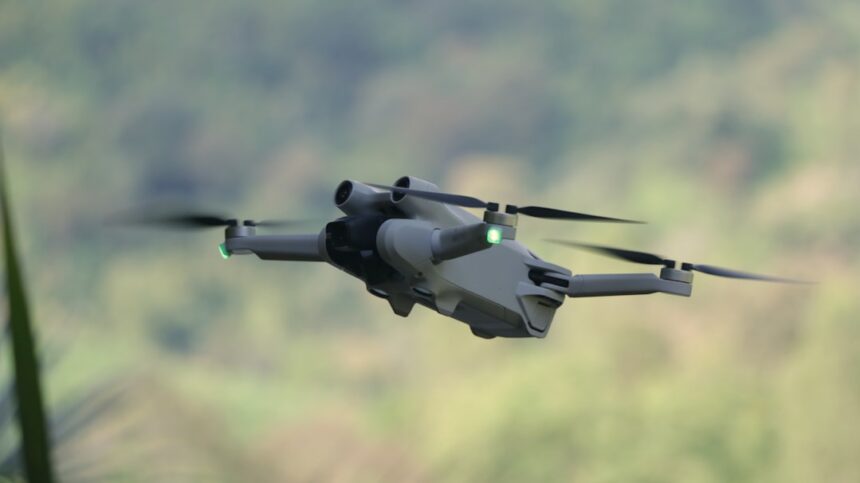
The integration of drone technology by private military contractors (PMCs) represents a significant evolution in modern warfare and security operations. These unmanned aerial systems (UAS), ranging from small reconnaissance platforms to sophisticated weaponized systems, offer a distinct set of capabilities that PMCs leverage to fulfill diverse contractual obligations. This article examines the results and implications of PMC drone technology deployment, exploring its operational impact, technological advancements, ethical considerations, and the evolving landscape it is shaping.
The application of drone technology by PMCs is dictated by the specific requirements of their contracts, which can span a broad spectrum of activities. These include, but are not limited to, surveillance and reconnaissance, logistics support, armed escort, and close air support. The adaptability and cost-effectiveness of certain drone platforms make them attractive for tasks that historically required significant manpower or more expensive manned aircraft.
Intelligence, Surveillance, and Reconnaissance (ISR) Dominance
One of the most widespread and impactful applications of PMC drone technology is in ISR operations. Drones provide persistent, real-time situational awareness across vast geographical areas, offering vital intelligence to ground forces and decision-makers.
Persistent Surveillance and Monitoring
- PMCs deploy fixed-wing and rotary-wing drones equipped with high-resolution optical and infrared cameras to conduct continuous aerial surveillance. These platforms can loiter over specific areas for extended periods, tracking movements, identifying threats, and monitoring critical infrastructure. The data gathered is often relayed in real-time, enabling rapid response to developing situations.
- The ability to conduct ISR without putting manned aircraft or personnel at risk is a primary driver for PMC drone adoption. This is particularly relevant in high-threat environments where the risk of loss of life or capture is a significant concern.
Data Collection and Analysis for Operational Planning
- The vast amounts of data collected by PMC drones are crucial for detailed operational planning. This includes mapping terrain, identifying potential ambush points, assessing enemy disposition, and understanding the operational environment.
- Advanced analytics and AI-powered interpretation tools are increasingly being integrated to process this data, extracting actionable intelligence more efficiently and with greater accuracy. This allows for more informed strategic and tactical decision-making.
Logistics and Support Functions
Beyond direct combat roles, PMCs utilize drones for a variety of logistical and support tasks, improving efficiency and reducing the risk to human personnel in potentially hazardous supply chain operations.
Cargo Delivery in Contested Environments
- Medium-lift drones are being employed to deliver essential supplies, such as ammunition, medical equipment, and rations, to remote or dangerous locations. This bypasses vulnerable ground convoys, reducing the risk of ambushes and casualties.
- The development of autonomous cargo drones signifies a future where supply lines can be maintained with minimal human intervention, even in volatile operational theaters.
Infrastructure Inspection and Maintenance
- Drones equipped with specialized sensors can inspect critical infrastructure such as pipelines, power lines, and bridges, identifying damage or potential defects. This is often more efficient and safer than traditional manual inspection methods.
- PMCs contracted for facility management or security can leverage drone technology for routine inspections, ensuring the integrity and operational readiness of assets.
Armed Escort and Force Protection
When contracts stipulate force protection requirements, PMCs can integrate armed drones to provide an additional layer of security for convoys and high-value assets.
Over-Watch and Threat Neutralization
- Weaponized drones, often equipped with precision-guided munitions, can provide over-watch for ground convoys, identifying and engaging threats in real-time. This can be particularly effective against asymmetric threats that target vulnerable ground movements.
- The capability to deploy lethal force from a distance minimizes the direct exposure of PMC personnel to immediate danger.
Deterrence and Presence
- The visible presence of armed drones can act as a deterrent to hostile actors, signaling a robust security posture. This psychological effect can be as important as the physical capabilities of the platform.
Recent developments in private military contractor drone technology have sparked significant interest and debate regarding their implications for modern warfare. An insightful article discussing these advancements can be found at In the War Room, where experts analyze the effectiveness and ethical considerations of using drones in combat scenarios. This piece delves into the operational capabilities of these unmanned systems and their impact on military strategy, providing a comprehensive overview of the current landscape in drone warfare.
Technological Advancements and Innovation
The rapid pace of technological development in the drone industry directly impacts the capabilities and applications available to PMCs. Continuous innovation is focused on enhancing autonomy, payload capacity, sensor sophistication, and overall operational resilience.
Increased Autonomy and Artificial Intelligence (AI) Integration
A significant trend is the drive towards greater autonomy in drone operations, reducing the reliance on constant human control and enabling more complex missions.
Autonomous Navigation and Mission Planning
- AI algorithms are enabling drones to navigate complex environments autonomously, adapting to changing conditions and executing pre-programmed mission objectives without direct human input. This includes autonomous takeoff, landing, and mission execution, even in GPS-denied environments.
- The ability for drones to make independent decisions based on sensor data and pre-defined rules of engagement is a critical advancement, allowing for more responsive and efficient operations.
AI-Powered Threat Detection and Identification
- Machine learning algorithms are being trained to recognize patterns indicative of threats, such as specific vehicle types, weapon signatures, or unusual activity, from sensor data. This enhances the speed and accuracy of threat identification, reducing the cognitive load on human operators.
- The goal is to enable drones to not only detect but also classify and prioritize potential threats, providing commanders with more refined intelligence.
Advanced Sensor Systems and Data Fusion
The effectiveness of drone operations is heavily reliant on the quality and type of sensors they carry, and how that data is processed and integrated.
Multi-Spectral and Hyperspectral Imaging
- Beyond standard optical and infrared cameras, PMCs are increasingly utilizing drones equipped with multi-spectral and hyperspectral sensors. These sensors can capture imagery across a wider range of the electromagnetic spectrum, revealing details invisible to the naked eye.
- This allows for the identification of camouflaged objects, the detection of specific materials (e.g., explosives or chemical agents), and the assessment of environmental conditions with greater nuance.
LiDAR and Radar Integration
- LiDAR (Light Detection and Ranging) and radar systems are being integrated into drone payloads to provide 3D mapping capabilities and all-weather surveillance. LiDAR excels at creating detailed topographic maps, while radar can penetrate foliage and operate effectively in adverse weather conditions.
- The fusion of data from these diverse sensor types creates a more comprehensive and robust understanding of the operational environment than any single sensor could provide.
Swarming Capabilities and Networked Operations
The concept of drone swarming, where multiple drones operate collaboratively, is an emerging area with significant potential for PMCs.
Coordinated ISR and Attack Patterns
- Swarming drones can cover larger areas more effectively for ISR, or execute coordinated attacks that overwhelm defenses. This distributed approach can increase resilience and reduce the vulnerability of individual platforms.
- Networked communication between drones allows them to share information and adjust their actions in real-time, creating a dynamic and adaptive operational capability.
Collaborative Reconnaissance and Targeting
- Individual drones in a swarm can gather specific pieces of information, which are then shared and fused by the network to build a complete picture. This distributed sensing increases the overall effectiveness and efficiency of reconnaissance missions.
Ethical Considerations and Accountability Frameworks
The deployment of drone technology by PMCs raises complex ethical questions regarding the use of force, accountability, and the potential for unintended consequences. Robust ethical frameworks and clear lines of accountability are crucial to mitigate these risks.
The Use of Lethal Force and Rules of Engagement (ROE)
The decision-making process regarding the use of lethal force by autonomous or semi-autonomous systems operated by PMCs is a critical ethical concern.
Precision vs. Collateral Damage
- While drone technology is often lauded for its precision, the risk of collateral damage remains a persistent concern. The adherence to International Humanitarian Law (IHL) and strict Rules of Engagement (ROE) is paramount to minimize civilian casualties.
- Clearly defined ROE are essential for PMC drone operators, dictating the conditions under which force may be employed, and ensuring that proportionality and distinction principles are upheld.
Human Oversight and Control
- The level of human oversight required for armed drone operations is a subject of ongoing debate. While full autonomy is a distant prospect, the increasing reliance on AI for threat identification and targeting necessitates clear protocols for human intervention and final decision-making.
- Ensuring that a human remains “in the loop” or “on the loop” for lethal actions is a critical safeguard against erroneous decision-making by AI systems.
Accountability and Transparency in Operations
Assigning responsibility when issues arise in PMC drone operations can be challenging due to the complex web of contracting and oversight.
Command Responsibility and Chain of Command
- Establishing clear lines of command responsibility for PMC drone operations is vital. This involves understanding who is ultimately accountable for the actions of the drone, its operator, and the overall mission.
- The interaction between PMC command structures and the military organizations they support requires clear protocols for reporting, oversight, and accountability.
Incident Investigation and Reporting
- Thorough and impartial investigation of any incidents involving PMC drones, particularly those resulting in civilian harm or unintended consequences, is essential. This requires transparent reporting mechanisms and access to relevant data.
- The findings of such investigations should be used to inform policy, training, and future operational procedures to prevent recurrence.
The Debate Over Autonomous Weapons Systems (AWS)
The progression of drone technology highlights the growing debate surrounding Lethal Autonomous Weapons Systems (LAWS) – systems that can independently identify, select, and engage targets without human intervention.
Potential for Escalation and Unpredictability
- Critics argue that LAWS could lower the threshold for conflict and introduce new levels of unpredictability into warfare. The absence of human judgment in the decision to kill is seen as a significant ethical impediment.
- The potential for rapid, unthinking escalation of conflict due to autonomous systems interacting with each other is a serious concern.
The “Humanity” Factor in Warfare
- Many argue that the decision to take a human life should always involve a human being. The empathy, moral reasoning, and nuanced judgment that humans can apply are seen as indispensable in the context of warfare.
- The development and deployment of LAWS by PMCs could set precedents that lead to wider adoption of such systems by state actors, with far-reaching implications.
Economic and Strategic Implications
The involvement of PMCs in drone operations has considerable economic and strategic implications, influencing the defense industry, military force structures, and geopolitical dynamics.
Cost-Effectiveness and Force Multiplier Potential
Drones offer a cost-effective alternative to manned platforms for many tasks, allowing for greater operational reach and capability without equivalent budgetary outlays.
Lower Acquisition and Operational Costs
- Compared to manned aircraft, the acquisition, maintenance, and operational costs of many drone systems are significantly lower. This makes advanced aerial capabilities accessible to a wider range of organizations, including PMCs operating under government contracts.
- Reduced training requirements for drone operators compared to manned aircraft pilots also contributes to cost savings.
Extending Reach and Capability
- Drones act as force multipliers, extending the intelligence gathering, surveillance, and sometimes the direct action capabilities of a given force without requiring additional personnel. This allows for more efficient allocation of limited military resources.
The Evolving Role of Paramilitary Forces
The increased reliance on PMCs for drone operations is reshaping the traditional roles of state militaries and influencing the geopolitical landscape.
Privatization of Warfare Capabilities
- The ability of PMCs to rapidly acquire, integrate, and deploy advanced technologies like drones allows governments to outsource certain military functions, potentially reducing the political and personnel burden of direct military engagement.
- This privatization trend has led to increased scrutiny and debate regarding the accountability and oversight of private actors operating in conflict zones.
Geopolitical Influence and Deniability
- The use of PMCs for certain operations, including those involving drones, can offer a degree of political deniability for states. This can be strategically advantageous but also raises concerns about transparency and accountability in international relations.
- The proliferation of drone technology to non-state actors, facilitated indirectly by the private sector, also presents a growing security challenge.
Impact on the Defense Industry and Innovation Ecosystem
The demand for advanced drone technology from PMCs is a significant driver of innovation within the defense industry, fostering specialized companies and research initiatives.
Niche Technology Development
- PMCs often demand highly specialized solutions tailored to specific operational environments or mission profiles. This has spurred the development of niche technologies in areas such as miniaturization, endurance, sensor fusion, and electronic warfare countermeasures for drones.
- The agility of the private sector allows for faster adaptation and refinement of technologies compared to the more bureaucratic processes of government procurement.
The “Drone as a Service” Model
- The emergence of a “drone as a service” model, where PMCs offer integrated drone solutions rather than just hardware, is transforming how military and security organizations access these capabilities. This can lower barriers to entry for organizations that may not have the desire or capacity to manage their own drone fleets.
Recent advancements in private military contractor drone technology have significantly influenced modern warfare strategies, enhancing surveillance and operational efficiency. A comprehensive analysis of these developments can be found in a related article that explores the implications of such technologies on military engagements and ethical considerations. For further insights, you can read more about this topic here.
Future Trends and Challenges
| Company | Drone Technology | Results |
|---|---|---|
| Lockheed Martin | Indago | Enhanced situational awareness |
| General Atomics | Predator | Highly effective surveillance |
| Northrop Grumman | Global Hawk | Long-endurance intelligence gathering |
The landscape of PMC drone technology is constantly evolving, with future trends pointing towards greater autonomy, ubiquitous integration, and novel applications, alongside persistent challenges in regulation and international norms.
Enhanced Autonomy and AI Capabilities
The push for more sophisticated AI will continue to drive advancements in drone autonomy, leading to systems that are increasingly capable of independent decision-making.
Fully Autonomous Mission Execution
- The ultimate goal for some in the field is the development of drones capable of executing entire missions autonomously, from initial planning and reconnaissance to engagement and post-mission analysis. This will require significant breakthroughs in AI, particularly in complex reasoning and ethical decision-making.
- The challenge lies in ensuring that these systems operate within ethical boundaries and comply with international law, even in highly dynamic and unpredictable scenarios.
Human-AI Teaming
- An alternative to full autonomy is the concept of enhanced human-AI teaming, where AI systems act as sophisticated assistants to human operators, augmenting their capabilities and improving decision-making speed and accuracy.
- This collaborative approach aims to leverage the strengths of both humans (judgment, ethics, adaptability) and AI (speed, data processing, endurance).
Proliferation and Accessibility Challenges
As drone technology becomes more advanced and accessible, its proliferation to a wider range of actors, including non-state groups, presents significant challenges.
The Democratization of Air Power
- The decreasing cost and increasing ease of use of drone technology mean that even smaller organizations or individuals can acquire sophisticated aerial capabilities. This “democratization of air power” has implications for security and stability.
- PMCs, by developing and deploying these technologies, are often at the forefront of demonstrating their utility, which can in turn influence the market and accelerate proliferation.
Counter-Drone Measures and Regulatory Gaps
- The increasing prevalence of drones necessitates the development of effective counter-drone measures, both for military and civilian applications. This includes systems for detection, tracking, and neutralization of unauthorized or hostile drones.
- Current international regulations and frameworks are struggling to keep pace with the rapid advancements in drone technology, creating a need for updated norms of behavior and governance.
Beyond ISR and Strike: Emerging Applications
The future may see PMCs utilizing drones for an even wider array of specialized and innovative applications beyond traditional ISR and strike missions.
Cyber Warfare and Electronic Warfare Platforms
- Drones could be equipped with sophisticated cyber warfare or electronic warfare payloads, enabling them to disrupt enemy communications, disable critical electronic systems, or conduct intelligence gathering through electronic signals interception.
- This represents a shift from kinetic impact to informational warfare, where control of the electromagnetic spectrum becomes a key battleground.
Humanitarian Aid and Disaster Response
- While primarily focused on military and security operations, the capabilities of PMC drones could also be adapted for humanitarian purposes. This could include rapid damage assessment, delivery of critical supplies to disaster zones, or search and rescue operations in inaccessible areas.
- The operational expertise and technological integration capabilities of PMCs could be valuable in the rapid deployment of aerial assets during humanitarian crises.
The integration of private military contractor drone technology represents a dynamic and evolving facet of modern security. The results revealed underscore a significant shift in operational paradigms, driven by technological innovation and economic efficiency. However, these advancements are accompanied by critical ethical quandaries and strategic implications that demand ongoing scrutiny, robust accountability frameworks, and adaptive international norms. The future trajectory of this technology will undoubtedly continue to shape the nature of conflict and security operations for years to come.
FAQs
What is private military contractor drone technology?
Private military contractor drone technology refers to the use of unmanned aerial vehicles (UAVs) by private military companies for various military and security operations. These drones are equipped with advanced technology for surveillance, reconnaissance, and sometimes even weapon deployment.
How are private military contractor drones used in operations?
Private military contractor drones are used for a wide range of operations, including intelligence gathering, target acquisition, monitoring of potential threats, and even carrying out precision strikes. They are often employed in conflict zones and areas where traditional military forces may not be present.
What are the advantages of using private military contractor drone technology?
The use of private military contractor drone technology offers several advantages, including the ability to gather real-time intelligence, conduct surveillance without risking human lives, and carry out precision strikes with minimal collateral damage. Drones also have the capability to cover large areas and remain airborne for extended periods of time.
What are the concerns surrounding private military contractor drone technology?
Some concerns surrounding private military contractor drone technology include the potential for misuse and violation of international laws, lack of transparency and accountability, and the ethical implications of using autonomous drones for lethal operations. There are also concerns about the potential for drones to be hacked or intercepted by hostile actors.
What are the recent results or developments in private military contractor drone technology?
Recent developments in private military contractor drone technology have focused on enhancing the autonomy and capabilities of drones, including improved target recognition and tracking, as well as the integration of artificial intelligence for decision-making. Additionally, there has been a growing emphasis on the development of counter-drone technology to defend against potential threats posed by hostile drones.