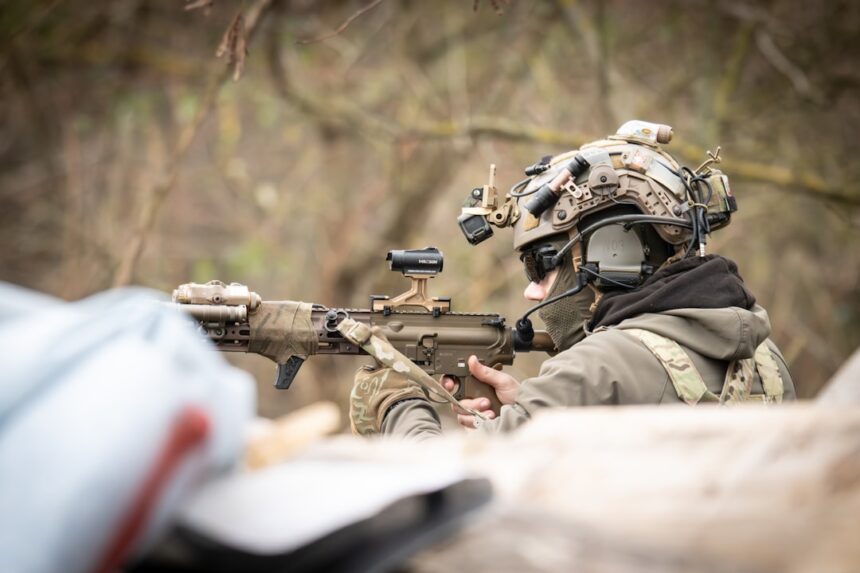
In the complex and often rapidly evolving landscape of modern military operations, the effective establishment and sustained functionality of bases are paramount to mission success. While the deployment of combat personnel often captures public attention, the intricate web of logistical, technical, and administrative services that underpin these operations is rarely visible. This is where Private Military Contractors (PMCs) play a critical, albeit often understated, role. Their expertise in base operations support (BOS) provides essential services that enable military forces to focus on their core mission objectives, ensuring efficiency, safety, and resilience in challenging environments.
Understanding Base Operations Support
Base Operations Support encompasses a broad spectrum of activities designed to maintain and manage a functional military installation. These services are not limited to traditional garrison environments; they extend to forward operating bases (FOBs) in austere and contested regions, temporary encampments, and multinational hubs. The effectiveness of a base, regardless of its location or scale, is directly proportional to the quality and reliability of its operational support. Without the seamless provision of these services, military units risk mission delays, increased logistical burdens, compromise of personnel safety, and ultimately, a significant reduction in operational effectiveness.
Private military contractors play a crucial role in base operations support, providing essential services that enhance the efficiency and security of military installations. For a deeper understanding of the complexities and implications of these operations, you can explore the article titled “The Evolving Role of Private Military Contractors in Modern Warfare” available at In the War Room. This article delves into the strategic importance of contractors in various military contexts and examines the challenges they face in ensuring operational readiness and safety.
h2: The Multifaceted Nature of Base Operations Support
The scope of BOS is deliberately broad, reflecting the diverse needs of modern military deployments. It can be categorized into several key areas, each requiring specialized knowledge and efficient execution. The ability of PMCs to integrate and manage these varied functions allows for a holistic approach to base management, freeing military personnel from non-core duties and ensuring comprehensive support.
h3: Logistical and Supply Chain Management
A cornerstone of BOS is the provision of robust logistical and supply chain management. This involves the procurement, transportation, storage, and distribution of everything a military base requires to function. From fuel and ammunition to food, water, medical supplies, and spare parts, ensuring timely and sufficient delivery is a complex undertaking, especially in remote or insecure areas.
h3: Procurement and Sourcing
PMCs are adept at navigating complex global supply chains to source the necessary goods and services. This includes identifying reliable vendors, negotiating contracts, and ensuring compliance with international regulations and quality standards. Their ability to secure specialized equipment or resources that may not be readily available through direct military channels can be crucial.
h3: Transportation and Distribution Networks
Establishing and maintaining efficient transportation networks is vital. This can involve managing vehicle fleets, coordinating air and sea lift, and ensuring the secure transit of goods through potentially hostile territory. The risk mitigation strategies employed by PMCs in transportation are often a key differentiator, focusing on safety and reliability.
h3: Inventory Management and Warehousing
Effective inventory management prevents shortages and minimizes waste. PMCs implement sophisticated systems for tracking stock levels, forecasting demand, and managing storage facilities, from climate-controlled warehouses to basic open-air storage. This ensures that supplies are available when and where they are needed, without excessive overstocking.
h3: Facilities Management and Maintenance
Maintaining the physical infrastructure of a base is a critical component of BOS. This includes ensuring that living quarters, work spaces, power generation, water purification, and waste management systems operate reliably and safely.
h3: Infrastructure Development and Repair
In newly established bases or areas experiencing damage, PMCs often undertake construction and repair of essential facilities. This can range from erecting temporary shelters to building more permanent structures, ensuring habitability and operational capacity.
h3: Utilities Management (Power, Water, Sanitation)
The uninterrupted provision of power, clean water, and effective sanitation systems is fundamental to personnel health and operational continuity. PMCs manage generators, fuel supplies, water purification plants, and waste disposal systems, often in challenging environmental conditions.
h3: Environmental Health and Safety
Ensuring a safe and healthy living and working environment is a non-negotiable aspect of base operations. This includes establishing and enforcing hygiene protocols, managing hazardous materials, and responding to environmental risks.
h3: Personnel Support Services
Beyond the purely physical aspects of base operations, PMCs are instrumental in supporting the personnel who reside and work there. These services contribute to morale, well-being, and the overall effectiveness of the deployed force.
h3: Life Support and Accommodation
This includes the provision of comfortable and secure living accommodations, laundry services, and other amenities that contribute to personnel welfare. In austere environments, this can range from setting up basic tent cities to managing more developed housing modules.
h3: Food Services and Catering
Ensuring nutritious and varied food options is essential for troop morale and physical readiness. PMC catering services manage kitchens, procure food supplies, and prepare meals according to dietary requirements and cultural preferences.
h3: Morale, Welfare, and Recreation (MWR)
While not always a primary PMC function, many contractors contribute to MWR programs by managing recreational facilities, organizing entertainment, and facilitating communication with home. These services are crucial for maintaining troop morale during extended deployments.
h3: Security and Access Control for Non-Combat Functions
While PMCs themselves may not be the primary security force, they often manage perimeter security for non-operational areas, access control points for civilian personnel and support staff, and assist in maintaining general order within the base perimeter.
h2: The Strategic Value of Private Military Contractors in BOS
The engagement of PMCs for BOS is not merely a matter of outsourcing tasks; it represents a strategic decision based on several key advantages they offer. Their specialized expertise, operational flexibility, and focus on efficiency allow military commands to concentrate resources on direct combat and strategic objectives.
h3: Specialized Expertise and Technical Proficiency
PMCs often possess highly specialized technical skills and extensive experience in niche areas that may not be a core competency of military personnel or readily available within military logistical structures. This includes expertise in areas like advanced communications systems, sophisticated infrastructure maintenance, or specialized medical support.
h3: Rapid Deployment and Scalability
PMCs can often be mobilized and deployed more quickly than traditional military logistical units. Their ability to scale operations up or down based on mission requirements provides significant flexibility, allowing for efficient resource allocation and adaptation to changing circumstances.
h3: Cost-Effectiveness in Specific Scenarios
While initial perceptions might suggest higher costs, in many operational scenarios, PMCs can prove to be more cost-effective. This is due to their streamlined organizational structures, reduced overhead compared to military equivalents, and the ability to recruit personnel with specific skill sets without the long-term costs of military training and benefits.
h3: Reduced Military Footprint
By offloading support functions to PMCs, military forces can reduce their logistical tail and the number of personnel required for base sustainment. This frees up combat-capable units and personnel for their primary roles, enhancing overall force projection and operational reach.
h2: Challenges and Considerations for PMC-Provided BOS
While the benefits of PMC-provided BOS are substantial, there are also inherent challenges and considerations that must be carefully managed by military commanders and contracting agencies. These include ensuring accountability, maintaining operational security, and managing the complexities of contracting in volatile environments.
h3: Accountability and Oversight
A critical aspect of engaging PMCs is establishing robust accountability mechanisms. This involves clear contractual obligations, performance metrics, and rigorous oversight to ensure that services are delivered to the required standards and in accordance with legal and ethical frameworks.
h3: Contractual Rigor and Performance Management
The success of PMC-provided BOS hinges on well-defined contracts that clearly outline scope of work, deliverables, timelines, and penalties for non-performance. Continuous performance monitoring and feedback loops are essential for ensuring ongoing quality.
h3: Legal and Regulatory Frameworks
Operating in various international jurisdictions requires a thorough understanding and adherence to a complex web of national and international laws, regulations, and ethical guidelines. This is particularly important concerning labor laws, environmental regulations, and the use of force.
h3: Integration with Military Operations
Seamless integration of PMC support services into the broader military operational plan is crucial. This requires effective communication, coordination channels, and a shared understanding of objectives between military command and PMC leadership.
h3: Information Sharing and Operational Security
Maintaining operational security (OPSEC) is paramount. Clear protocols for information sharing, designation of sensitive areas, and background checks for personnel are vital to prevent the compromise of sensitive military information or operational plans.
h3: Cultural and Environmental Adaptability
Operating in diverse cultural and environmental settings demands adaptability from PMC personnel. Understanding local customs, communication nuances, and being prepared for varying environmental challenges are crucial for effective operations.
Private military contractors play a crucial role in base operations support, providing essential services that enhance the efficiency and security of military installations. For a deeper understanding of the various functions these contractors perform, you can explore a related article that discusses their impact on military logistics and operational readiness. This insightful piece can be found at this link, where you will discover how these contractors contribute to the overall mission success of armed forces around the world.
h2: The Future of Base Operations Support
As military operations continue to evolve, characterized by increasing complexity, the demand for sophisticated and reliable base operations support will only grow. The role of PMCs in this domain is likely to expand, driven by the need for greater agility, specialization, and efficiency.
h3: Technological Advancements in BOS
Future BOS will undoubtedly be influenced by technological advancements. This includes the greater use of automation, artificial intelligence, and drones for logistics, maintenance, and even certain aspects of security. PMCs, often at the forefront of adopting new technologies, will likely be instrumental in integrating these innovations into base operations.
h3: Data Analytics and Predictive Maintenance
The application of data analytics to monitor base operations, predict equipment failures, and optimize resource allocation will become increasingly important. This can lead to proactive maintenance, reduced downtime, and more efficient resource utilization.
h3: Autonomous Systems and Robotics
The deployment of autonomous vehicles for cargo transport, robotic systems for hazardous tasks, and increased use of drones for surveillance and delivery can revolutionize base operations, making them safer and more efficient.
h3: Increased Specialization and Niche Services
The trend towards specialization within the PMC industry is likely to continue. This will lead to a greater number of contractors offering highly niche BOS services, catering to the specific needs of advanced military capabilities, such as cyber defense support, advanced medical services, or specialized intelligence gathering infrastructure support.
h3: Interoperability and Multinational Operations
As military operations become increasingly multinational, the need for BOS providers that can ensure interoperability between different national forces will become critical. This includes supporting common communication platforms, standardized logistical procedures, and adaptable infrastructure.
By providing a comprehensive suite of essential services, from the mundane but vital provision of clean water and food to the complex management of sophisticated power grids and supply chains, Private Military Contractors play an indispensable role in ensuring the tactical and strategic success of military missions. Their ability to adapt, innovate, and execute across diverse operational environments makes them a critical component of modern military effectiveness, enabling forces to focus on their core mission and achieve objectives in an increasingly challenging world.
FAQs
What is a private military contractor (PMC)?
A private military contractor (PMC) is a private company that provides military and security services to governments, corporations, and other organizations. PMCs may offer a range of services, including base operations support, security, logistics, and training.
What is base operations support?
Base operations support (BOS) refers to the range of services and infrastructure needed to support military operations at a base or installation. This can include facilities management, maintenance, logistics, security, and administrative support.
What role do private military contractors play in base operations support?
Private military contractors can provide a range of services to support base operations, including security, logistics, maintenance, and administrative support. They may also provide specialized expertise and capabilities that complement the military’s own resources.
How are private military contractor base operations support services regulated?
Private military contractor base operations support services are subject to regulation by both the host country’s government and international laws and conventions. Many PMCs are also members of industry associations that set standards for their operations.
What are the benefits of using private military contractors for base operations support?
Using private military contractors for base operations support can provide flexibility, specialized expertise, and cost savings for military organizations. PMCs can also help supplement military capabilities during times of high demand or resource constraints.