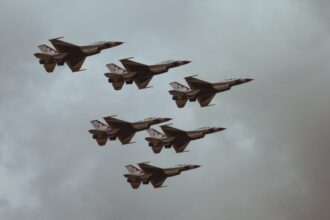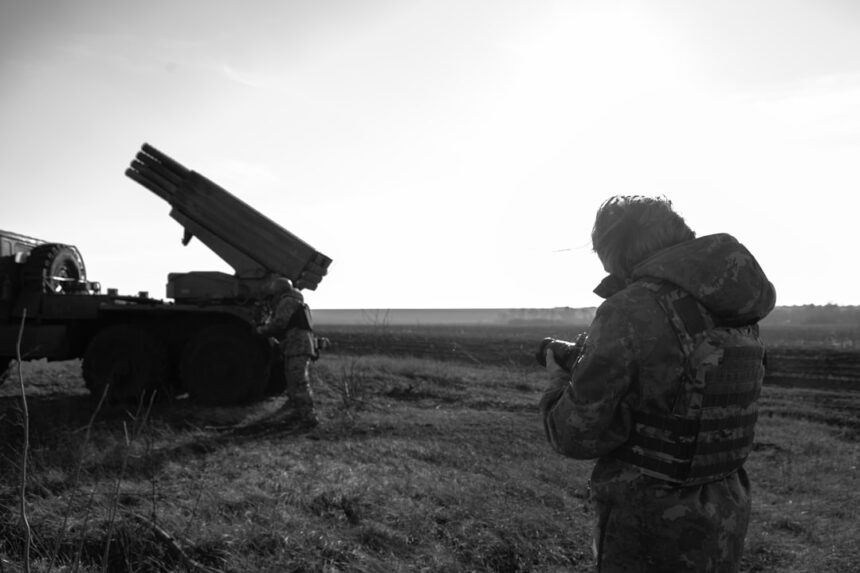
Precision warfare represents a paradigm shift in military operations, moving away from the broad-stroke engagements of the past towards highly targeted and discriminate applications of force. This evolution is driven by technological advancements, evolving geopolitical landscapes, and a desire to minimize collateral damage while maximizing strategic effectiveness. At its core, precision warfare is about delivering the right effect, at the right time, to the right target, with an unprecedented degree of accuracy.
The history of warfare is a testament to humanity’s constant pursuit of more effective ways to achieve objectives. Early conflicts were often characterized by brute force and massed armies, where casualties were accepted as an inherent consequence of battle. The advent of gunpowder and increasingly powerful artillery widened the destructive potential, enabling armies to engage from greater distances but often with a commensurate increase in indiscriminate damage.
The Dawn of Aerial Warfare and Precision Bombing
The 20th century witnessed the rise of aerial warfare. While early bombing campaigns often relied on unguided munitions and area targeting, the demands of World War II, particularly by the Allied forces, spurred advancements in bombing technology and targeting methodologies. The concept of “strategic bombing” aimed to cripple an enemy’s industrial and logistical capacity, but often resulted in significant civilian casualties and wide-scale destruction. The development of more accurate bombsights and the nascent understanding of targeting specific infrastructure represented early steps towards precision, though the technical limitations of the era meant true precision remained elusive.
The Cold War and the Nuclear Deterrent
The Cold War era introduced a new dimension to warfare: the existential threat of nuclear weapons. This fundamentally altered military doctrine, shifting focus towards deterrence and the avoidance of direct large-scale confrontation between superpowers. While conventional warfare continued in proxy conflicts, the immense destructive power of nuclear arms underscored the need for more controlled and discriminate means of applying force should such a conflict arise. This period saw increased investment in intelligence, surveillance, and reconnaissance (ISR) capabilities, laying crucial groundwork for future precision operations.
The Gulf War: A Proving Ground for Precision
The 1991 Gulf War is widely regarded as a watershed moment, showcasing the potential of emerging precision-guided munitions (PGMs). Coalition forces, armed with laser-guided bombs and advanced targeting systems, demonstrated the ability to strike specific military targets with remarkable accuracy, significantly reducing the collateral damage expected from a conventional conflict and achieving overwhelming air superiority. This conflict highlighted the strategic advantage of being able to degrade an adversary’s military capabilities without inflicting widespread civilian harm, setting a new benchmark for future military engagements.
Precision warfare has transformed modern military strategies, emphasizing the importance of accuracy and minimizing collateral damage. For a deeper understanding of this concept and its implications, you can explore a related article that delves into the intricacies of precision strikes and their impact on contemporary conflicts. To read more, visit this article.
Technological Enablers of Precision Warfare
The transition to precision warfare is inextricably linked to rapid advancements in a variety of interconnected technologies. These innovations have collectively empowered military forces with the ability to identify, track, engage, and assess targets with unprecedented accuracy and speed.
Unprecedented Intelligence, Surveillance, and Reconnaissance (ISR) Capabilities
The foundation of precision warfare lies in superior ISR. Modern ISR platforms have evolved dramatically from the single-lens cameras of earlier eras.
Satellite Reconnaissance and Persistent Global Coverage
Satellites equipped with high-resolution optical, infrared, and radar sensors provide continuous global coverage, allowing for the persistent monitoring of vast geographical areas. This enables the identification of troop movements, weapon systems, and infrastructure, crucial for understanding the battlefield and identifying targets. Their ability to operate above the atmosphere makes them immune to local weather conditions and the immediate threats faced by airborne platforms.
Unmanned Aerial Vehicles (UAVs) and Persistent Loitering
UAVs, commonly known as drones, have revolutionized ISR. From small, hand-launched reconnaissance drones to large, high-altitude, long-endurance (HALE) platforms, UAVs can provide persistent surveillance over specific areas for extended periods. Their ability to loiter provides real-time intelligence, enabling commanders to react swiftly to changing battlefield conditions and identify fleeting targets. Advanced payloads, including electro-optical, infrared, and synthetic aperture radar (SAR) sensors, ensure comprehensive situational awareness.
Cyber and Electronic Warfare for Information Dominance
The modern battlefield extends into the cyber domain and the electromagnetic spectrum. Cyber warfare capabilities allow for the disruption or degradation of an adversary’s command and control systems, communications, and intelligence gathering. Electronic warfare (EW) systems can detect, identify, and jam enemy radar and communication signals, creating windows of opportunity for precision strikes and denying the adversary the ability to effectively respond. This multifaceted approach to information dominance is critical for the success of precision operations.
Advanced Weapon Systems and Munitions
The ability to precisely deliver effects relies on equally advanced weapon systems.
Precision-Guided Munitions (PGMs)
PGMs are the cornerstone of precision warfare. These are munitions that employ guidance systems to steer them toward their target.
Laser-Guided Bombs (LGBs)
LGBs utilize a laser designator, typically mounted on an aircraft or a ground-based operator. The target is illuminated with a laser beam, and the bomb’s seeker locks onto the reflected laser spot, guiding it to the target with high accuracy.
GPS-Guided Munitions and Inertial Navigation Systems (INS)
Munitions equipped with GPS receivers and INS can navigate autonomously to a target’s coordinates. GPS provides external positional data, while INS uses internal accelerometers and gyroscopes to track the munition’s movement from its launch point. This combination allows for “fire-and-forget” capabilities, releasing the aircraft from needing to maintain laser designation.
Stand-off and Cruise Missiles
These weapons are designed to be launched from a significant distance from the target, further increasing the survivability of the launching platform. Cruise missiles, in particular, often employ a combination of GPS, INS, and terminal guidance seekers for highly accurate strikes against fixed or moving targets.
Directed Energy Weapons (DEWs)
While still under development and deployment, DEWs, such as high-energy lasers (HELs) and high-power microwaves (HPMs), represent a future frontier in precision targeting. DEWs can disrupt or destroy targets instantaneously with minimal collateral effects, offering a unique capability for missile defense, drone neutralization, and even incapacitating enemy electronic systems.
Networking and Data Fusion for Real-Time Situational Awareness
The proliferation of sensors and data requires sophisticated systems to process, analyze, and disseminate information effectively.
Sensor-to-Shooter Links
These systems create a direct link between intelligence gathering platforms and weapon systems, allowing for rapid engagement of dynamically identified targets. A target detected by a UAV can be immediately passed to an aircraft or missile system for engagement, significantly reducing the time between detection and destruction.
Battle Management Systems and Command and Control (C2)
Modern C2 systems integrate data from all battlefield sources, providing commanders with a comprehensive and real-time understanding of the operational environment. This fused data allows for informed decision-making, efficient allocation of resources, and the orchestration of complex precision operations.
Strategic Imperatives Driving Precision Warfare

The shift towards precision warfare is not solely a technological phenomenon; it is also driven by compelling strategic and ethical considerations that shape modern military objectives and international relations.
Minimizing Collateral Damage and Civilian Casualties
One of the most significant drivers of precision warfare is the imperative to reduce unintended harm to civilians and civilian infrastructure. In an era of constant media scrutiny and increased global interconnectedness, the specter of “friendly fire” or accidental civilian deaths can have profound political and ethical ramifications, undermining military objectives and eroding public support.
The Legal and Ethical Framework: Jus in Bello
Modern international humanitarian law, particularly the principles of jus in bello (justice in war), mandates that belligerents distinguish between combatants and civilians and protect the civilian population. Precision warfare offers a more effective means of adhering to these principles by allowing for the precise targeting of legitimate military objectives while striving to avoid or minimize incidental loss of civilian life.
Public Opinion and International Legitimacy
In conflicts involving coalition forces, maintaining public support back home and securing international legitimacy are paramount. Demonstrating a commitment to minimizing civilian casualties through the use of precision tactics can significantly bolster this support and isolate adversaries that show disregard for civilian protection.
Enhancing Operational Effectiveness and Strategic Objectives
Precision warfare is not just about being “nicer”; it is also about achieving military objectives more effectively.
Degrading Enemy Capabilities with Surgical Strikes
By accurately targeting key enemy assets, such as command centers, air defense sites, logistical hubs, and critical weapon systems, precision strikes can degrade an adversary’s ability to wage war without resorting to overwhelming, indiscriminate force. This surgical approach can achieve strategic effects with fewer resources and less overall destruction.
Preserving Critical Infrastructure
In certain scenarios, military planners may wish to avoid damaging infrastructure that could be of future use by friendly forces or the civilian population. Precision warfare allows for the targeting of military elements within or near such infrastructure, thereby preserving its integrity.
Disrupting Enemy Decision-Making Cycles
Targeting an adversary’s communication networks, decision-making nodes, and leadership can disrupt their ability to command and control their forces, leading to confusion, disarray, and ultimately, operational paralysis. This can achieve decisive outcomes with a fraction of the force that might be traditionally employed.
The Role of Asymmetric Warfare and Counterterrorism
Precision warfare has become an indispensable tool in the fight against asymmetric threats, such as terrorist organizations and insurgent groups. These adversaries often operate among civilian populations, making traditional warfare methods highly risky and prone to collateral damage.
Targeting High-Value Individuals (HVIs)
Precision strikes, often involving Special Operations Forces and unmanned aerial systems, have been used to neutralize HVIs responsible for planning and executing terrorist attacks. This capability allows for the removal of key threats with a reduced risk of wider conflict escalation or civilian harm.
Disrupting Terrorist Networks and Infrastructure
Precision operations can be employed to dismantle terrorist training camps, financial networks, and weapon caches, thereby degrading their operational capacity and hindering their ability to recruit and operate.
Challenges and Limitations of Precision Warfare
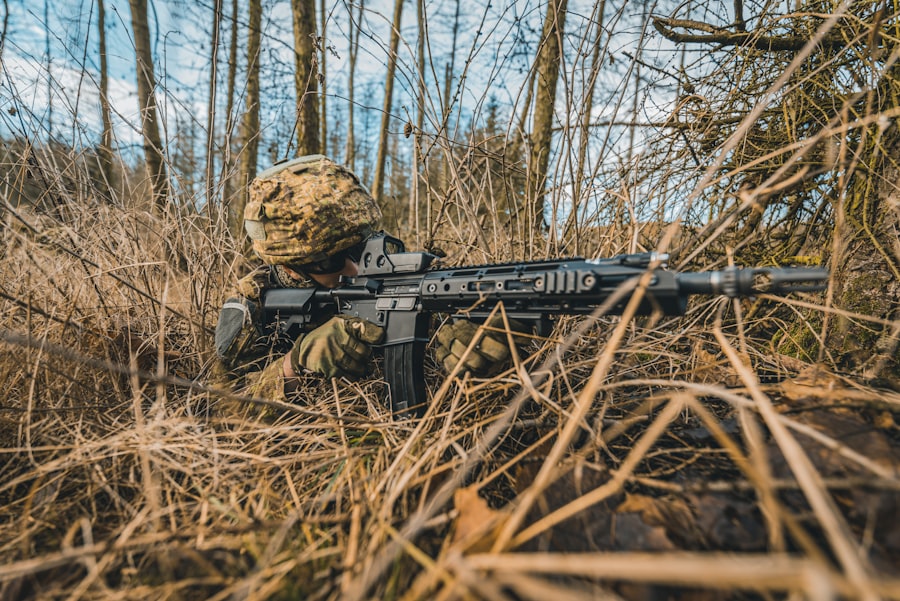
Despite its significant advantages, precision warfare is not without its challenges and limitations. Several factors can impede its effectiveness or introduce new complexities into military operations.
The Imperfect Nature of Intelligence and Targeting
The adage “garbage in, garbage out” holds true for precision warfare. The accuracy of any strike is fundamentally dependent on the quality and timeliness of the intelligence and targeting data.
Intelligence Gaps and Ambiguities
Even with advanced ISR, intelligence can be incomplete, outdated, or deliberately deceptive. Misidentification of targets or a lack of understanding of the operational environment can lead to tragic errors. The fog of war, a timeless military challenge, can still cloud the battlefield, even with sophisticated technology.
The “Pattern of Life” and Collateral Damage Prediction
Predicting the “pattern of life” around a target – understanding who and what will be present at a given time – is crucial for minimizing collateral damage. However, enemy movements, civilian presence, and the dynamic nature of battle can make these predictions extremely difficult.
The Challenge of Moving Targets
While significant progress has been made, engaging actively moving targets, especially those exhibiting evasive maneuvers, remains a considerable challenge. The window of opportunity for a successful strike can be fleeting, requiring incredibly rapid sensor-to-shooter links and highly responsive weapon systems.
The Cost and Complexity of Technology
The advanced technologies that enable precision warfare are expensive to develop, acquire, and maintain. This can create a technological divide between well-resourced militaries and those with fewer resources, potentially exacerbating existing power imbalances.
Acquisition Costs and Lifecycle Support
The procurement of advanced aircraft, drones, guided munitions, and sophisticated command and control systems represents a substantial financial investment. Furthermore, ongoing maintenance, upgrades, and training add to the overall lifecycle costs.
The Human Element: Training and Expertise
Operating these advanced systems requires highly trained and skilled personnel. The development of expertise in fields such as intelligence analysis, cyber warfare, electronic warfare, and sophisticated weapons operation is crucial and requires significant investment in education and training programs.
The Risk of Escalation and Unintended Consequences
While precision warfare aims to reduce collateral damage, it can also carry inherent risks.
The Perception of Limited Engagement
An adversary might perceive precision strikes as a sign of restraint or a lack of will to commit to a full-scale conflict, potentially encouraging them to continue or even escalate their aggression.
The “Whack-a-Mole” Problem
In the context of counterterrorism or counterinsurgency, precision strikes can neutralize individual threats or disrupt specific cells. However, if the underlying political or social conditions that fuel such movements are not addressed, new threats can emerge elsewhere, leading to a continuous cycle of engagement and the perception of never truly winning.
The Cyber and Electronic Warfare Threat
The reliance on networked systems and complex electronic infrastructure makes precision warfare operations vulnerable to cyber-attacks and electronic countermeasures by adversaries. Disrupting these systems can cripple precision capabilities, turning a technological advantage into a critical vulnerability.
Precision warfare has transformed modern military strategies by emphasizing accuracy and minimizing collateral damage. For a deeper understanding of this concept, you can explore a related article that delves into the technological advancements and ethical implications of such warfare. This insightful piece can be found at In the War Room, where experts analyze the evolving landscape of combat and its impact on global security.
The Future of Precision Warfare: Integration and Autonomy
| Aspect | Explanation |
|---|---|
| Definition | Precision warfare refers to the use of highly accurate and targeted military tactics and technologies to minimize collateral damage and achieve specific military objectives. |
| Technologies | Includes precision-guided munitions, drones, advanced surveillance systems, and cyber warfare capabilities. |
| Advantages | Reduces civilian casualties, minimizes destruction of infrastructure, and allows for more precise targeting of enemy forces. |
| Challenges | Requires sophisticated and expensive technology, potential for errors in targeting, and ethical considerations regarding the use of force. |
The evolution of precision warfare is far from over. Future developments will focus on greater integration of existing technologies, the increasing role of artificial intelligence (AI), and the potential for greater autonomy in weapon systems.
Enhanced Integration and Network-Centric Warfare
The trend towards seamless integration of all battlefield assets will continue. This will involve creating truly network-centric warfare environments where all sensors, platforms, and decision-makers are interconnected, sharing information in real-time.
AI-Powered Decision Support and Target Recognition
Artificial intelligence will play an increasingly significant role in analyzing vast amounts of ISR data, identifying potential targets, and even recommending courses of action. AI algorithms can process information much faster than humans, which could be critical in rapidly evolving combat scenarios.
Swarming Technologies and Coordinated Attacks
The concept of “swarms” of drones or other unmanned systems, working collaboratively and autonomously, represents a new frontier. These swarms could overwhelm enemy defenses through sheer numbers and coordinated attacks, executing complex missions with a high degree of precision.
The Rise of Autonomous Weapon Systems
The development of Lethal Autonomous Weapon Systems (LAWS) is a contentious but likely future development. These systems are designed to identify, select, and engage targets without direct human intervention.
Benefits of Autonomy: Speed and Reduced Risk
Proponents argue that autonomous systems can react faster than humans, increasing the speed and effectiveness of engagements, especially against rapidly moving threats. They also reduce the risk to human operators in highly contested environments.
Ethical and Legal Considerations of LAWS
The deployment of LAWS raises profound ethical and legal questions. Concerns exist about accountability for errors, the potential for unintended escalation, and the moral implications of delegating life-and-death decisions to machines. International debates and regulatory frameworks are actively being developed to address these challenges.
The Human-Machine Teaming Paradigm
Rather than a complete handover to machines, the future may lie in a more sophisticated form of human-machine teaming. Humans will remain in the loop, but AI and autonomous systems will act as powerful assistants, augmenting human capabilities.
Augmented Human Decision-Making
AI can provide humans with enhanced situational awareness, tactical options, and predictive analysis, allowing for more informed and rapid decision-making. The human operator retains control and oversight, but the pace and efficacy of operations are significantly amplified.
Precision in Humanitarian Operations and Disaster Relief
The principles of precision can extend beyond the battlefield. In humanitarian crises and disaster relief operations, precision technologies can be employed for rapid damage assessment, the delivery of aid to remote or cut-off areas, and the coordination of rescue efforts with unprecedented efficiency.
Conclusion: Precision as the New Normal
Precision warfare represents more than just a technological upgrade; it is a fundamental redefinition of how military force is understood and applied. Driven by the dual imperatives of strategic effectiveness and ethical responsibility, it offers the promise of achieving military objectives with unprecedented accuracy and reduced unintended consequences.
However, the journey towards fully realized precision warfare is ongoing, fraught with technological, ethical, and strategic challenges. The ability to effectively leverage the ever-advancing technological landscape, coupled with rigorous training, robust intelligence, and a clear understanding of its limitations, will be paramount. As nations continue to refine these capabilities, precision warfare is poised to become the dominant paradigm for military operations in the 21st century, shaping the future of conflict and its impact on the global stage. The ongoing evolution will necessitate continuous adaptation and a steadfast commitment to responsible innovation to ensure that this powerful capability serves to enhance security and stability, rather than becoming a catalyst for greater destruction.

The Hidden Weakness Behind Modern Warfare
FAQs
What is precision warfare?
Precision warfare refers to the use of advanced technology and precise targeting to minimize collateral damage and achieve specific military objectives with a high degree of accuracy.
What are the key components of precision warfare?
The key components of precision warfare include advanced weapons systems, such as guided missiles and smart bombs, as well as sophisticated targeting and intelligence capabilities to identify and engage specific military targets.
How does precision warfare differ from traditional warfare?
Precision warfare differs from traditional warfare in that it emphasizes accuracy and minimal collateral damage, as opposed to the more indiscriminate and destructive nature of traditional military tactics.
What are the advantages of precision warfare?
The advantages of precision warfare include the ability to minimize civilian casualties, reduce infrastructure damage, and achieve military objectives with greater precision and efficiency.
What are some examples of precision warfare in modern conflicts?
Examples of precision warfare in modern conflicts include the use of drone strikes, targeted airstrikes, and precision-guided munitions in operations such as the War on Terror and conflicts in Syria and Yemen.