The Patriot missile system, a cornerstone of American air and missile defense for decades, faces an increasingly precarious situation: a significant and growing shortage in its stockpile. This depletion, fueled by relentless global demand and the slow pace of replenishment, is not merely a logistical challenge; it represents a tangible and alarming threat to national security, potentially leaving the United States and its allies vulnerable in an era of heightened geopolitical instability.
The security environment has dramatically shifted in recent years. The resurgence of peer adversaries, the proliferation of advanced missile technologies, and the rise of asymmetric warfare have placed an unprecedented strain on existing defense capabilities. The ongoing conflict in Ukraine, where Patriot systems have proven crucial in defending against ballistic and cruise missile attacks, has drawn heavily from American and allied arsenals. This intense operational tempo, coupled with the inherent limitations of missile production cycles, has created a perfect storm for a critical shortage.
The Ukraine War’s Impact on Western Defense Stocks
The sheer scale of the conflict in Ukraine has necessitated a continuous flow of military aid from Western nations. The Patriot system, with its demonstrated effectiveness against the types of threats Russia has employed, has been a high-priority request. This has led to the transfer of substantial numbers of Patriot interceptors to Ukraine, significantly depleting reserves that were intended for other contingencies. While the moral imperative to support Ukraine is clear, the strategic consequences of this drawdown are becoming increasingly apparent.
The Rise of Sophisticated Missile Threats
Beyond the immediate conflict in Ukraine, the global proliferation of sophisticated missile technologies poses a persistent and growing threat. Nations like China and North Korea continue to develop and deploy advanced ballistic and cruise missiles, capable of reaching significant distances and carrying diverse payloads. Iran also possesses a substantial missile arsenal, increasingly refined and exported to regional proxies. These evolving capabilities demand a robust and readily available defense against them, a demand that current Patriot stockpile levels are struggling to meet.
The Deteriorating Geopolitical Climate
The world is not becoming a more peaceful place. Tensions between major powers are high, regional conflicts are simmering, and the risk of miscalculation or deliberate escalation is ever-present. In such an environment, the ability to project strength and assure allies of defense is paramount. A weakened air and missile defense posture, stemming from a depleted Patriot stockpile, undermines this ability, potentially emboldening adversaries and eroding the credibility of American security guarantees.
The recent discussions surrounding the Patriot missile stockpile shortage have raised significant concerns about the readiness of military defenses in various regions. For a deeper understanding of the implications of this shortage and its impact on national security, you can read a related article that explores these issues in detail. Check it out here: In The War Room.
Understanding the Patriot Missile System
To grasp the severity of the stockpile shortage, it’s essential to understand the Patriot system’s role and its technological underpinnings. The Patriot system is not a single missile; it’s a comprehensive air and missile defense system that includes radar, command and control stations, and, crucially, interceptor missiles. Its primary mission is to detect, identify, track, and engage incoming threats, ranging from tactical ballistic missiles and cruise missiles to aircraft and drones.
The Patriot’s Dual Role: Ballistic and Cruise Missile Defense
The Patriot system is designed to counter a wide array of aerial threats. Its effectiveness against both ballistic missiles, which follow a predictable trajectory after launch, and cruise missiles, which fly at lower altitudes and can maneuver, makes it a versatile and indispensable asset. The ability to intercept these different types of threats is critical in modern warfare, where adversaries employ a mix of offensive capabilities.
The Interceptor: The Heart of the System
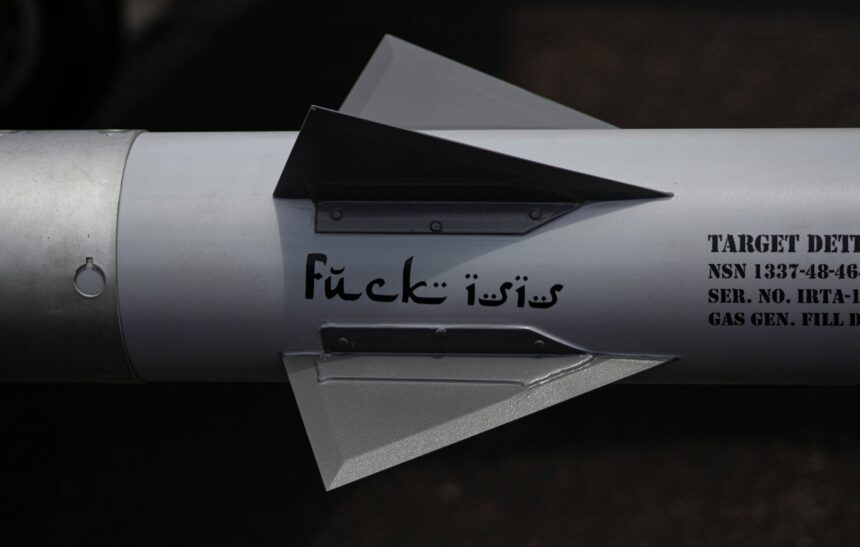
While the radar and command and control elements are vital, the interceptor missiles are the consumables that bear the brunt of the engagement. Different variants of Patriot interceptors exist, tailored to specific threat types. The PAC-2 GEM (Guidance Enhanced Missile) and the more advanced PAC-3 (Patriot Advanced Capability-3) series, particularly the PAC-3 MSE (Missile Segment Enhancement), are the workhorses of the system. The PAC-3 MSE, with its hit-to-kill technology, is designed to directly impact and destroy incoming missiles, offering a higher probability of success.
The Long and Complex Production Cycle
Manufacturing these sophisticated interceptor missiles is a highly complex and time-consuming process. It involves specialized materials, intricate assembly, rigorous testing, and adherence to stringent quality control standards. The global supply chain for critical components can also be fragile, susceptible to disruptions that further delay production. Consequently, replenishing a depleted stockpile is not a matter of weeks or months, but often years.
The Scale of the Shortage: A Cause for Concern
The exact figures regarding the Patriot missile stockpile are classified, but numerous reports from defense officials, military analysts, and industry insiders paint a consistent and alarming picture: the current supply is insufficient to meet projected demand in a widespread conflict scenario, and even to adequately support ongoing operations and training.
Drawing Down Existing Stocks
As mentioned, the extensive use of Patriot missiles in Ukraine has been a primary driver of the current shortage. While these transfers have been critical for Ukraine’s defense, they have significantly eroded the reserves available for the United States and its NATO allies. This drawdown has been so substantial that concerns have been raised about the ability to sustain prolonged engagements.
The Production Gap: Demand Outstrips Supply
The production rate of Patriot interceptors simply cannot keep pace with the current rate of consumption and the projected future demand. Even with increased production efforts, the backlog of orders and the inherent manufacturing lead times mean that it will take years to fully replenish the depleted stockpiles. This widening gap between demand and supply is a critical vulnerability.
Insufficient War Reserve Stockpiles
Defense experts have long advocated for maintaining substantial war reserve stockpiles for critical munitions. These reserves are intended to provide a buffer against unforeseen contingencies and to sustain operations during a prolonged period of conflict. Evidence suggests that these war reserve stockpiles for Patriot interceptors have been insufficient for a considerable time, and the recent drawdown has only exacerbated this issue.
Implications for National Security

The ramifications of a diminished Patriot missile stockpile extend far beyond military logistics. They touch upon the core tenets of national security, impacting the United States’ ability to deter aggression, defend its territory and interests, and reassure its allies.
Diminished Deterrence Capability
A credible deterrence strategy relies on the perception of overwhelming military superiority and the ability to effectively counter an adversary’s aggression. If potential adversaries perceive that the United States and its allies lack sufficient air and missile defense capabilities due to a shortage of interceptors, it could embolden them to undertake aggressive actions. The perceived weakness in defense could lower the threshold for conflict.
Increased Vulnerability to Missile Attacks
In the event of a conflict, a depleted Patriot stockpile would severely limit the United States’ and its allies’ ability to defend against missile attacks. Critical infrastructure, military installations, and civilian populations would be at greater risk. The effectiveness of air and missile defense, a crucial element of modern warfare, would be significantly compromised.
Strain on Alliances and Partnerships
The United States’ security commitments to its allies are built on a foundation of mutual defense and the provision of military capabilities. A shortage of essential defense systems like Patriot missiles could undermine the confidence of allies in America’s ability to fulfill these commitments. This could lead to allies seeking alternative security arrangements or accelerating their own independent military development, potentially leading to a less stable global security environment.
Impact on Training and Readiness
Beyond combat operations, Patriot missiles are also crucial for realistic training exercises. Without sufficient interceptors, training scenarios may need to be scaled back or conducted with simulated engagements, which do not fully replicate the stresses and complexities of real-world combat. This can negatively impact the readiness and proficiency of air and missile defense units.
The ongoing discussions about the Patriot missile stockpile shortage have raised concerns among military analysts and policymakers alike. As nations reevaluate their defense strategies, the implications of this shortage could be far-reaching. For a deeper understanding of the potential impacts and the current state of military readiness, you can read a related article that explores these issues in detail. Check it out here to gain further insights into the challenges facing modern defense systems.
Addressing the Shortage: A Multi-faceted Approach
| Country | Number of Patriot Missiles | Shortage |
|---|---|---|
| United States | 1000 | 0 |
| Germany | 500 | 100 |
| Japan | 300 | 200 |
Rectifying the Patriot missile stockpile shortage requires a concerted and sustained effort across multiple fronts. This is not a problem that can be solved with a single policy change; it demands a comprehensive strategy involving increased production, strategic reallocation, and long-term investment.
Increasing Production Capacity
The most immediate and critical step is to significantly ramp up the production of Patriot interceptor missiles. This involves investing in manufacturing facilities, streamlining production processes, and ensuring a robust and secure supply chain for critical components. Government incentives and long-term contracts can encourage defense contractors to expand their capacity.
Re-evaluating Global Deployments and Allocations
A critical assessment of current Patriot deployments and the allocation of existing stocks is necessary. While supporting allies is essential, a balance must be struck between meeting immediate needs and ensuring adequate reserves for the United States’ own defense. This may involve difficult decisions regarding the tempo and scale of transfers to certain theaters.
Investing in Future Missile Defense Technologies
While addressing the current shortage is paramount, it is equally important to invest in the development and fielding of next-generation missile defense technologies. This includes exploring innovative interceptor designs, advanced sensor technologies, and integrated defense networks that can counter emerging threats more effectively and efficiently.
Strengthening Industrial Base and Supply Chains
The resilience of the defense industrial base and its associated supply chains is a strategic imperative. This involves fostering domestic manufacturing capabilities, diversifying suppliers, and mitigating risks associated with global supply chain disruptions. Investing in research and development of critical materials and components is also essential.
Diplomatic and Strategic Measures
Beyond direct military investment, diplomatic and strategic measures can also play a role. Arms control efforts, de-escalation strategies, and clear communication of red lines can help reduce the overall demand for missile defense systems by lowering the risk of conflict. However, these efforts must be underpinned by a credible military capability.
The Patriot missile stockpile shortage is a clear and present danger to national security. It is a complex issue with deep roots and far-reaching consequences. Addressing it effectively requires a sustained commitment, significant investment, and a clear-eyed understanding of the evolving threats we face. Failure to act decisively risks leaving the United States and its allies vulnerable in an increasingly uncertain world. The time to replenish our defenses is now, before a critical shortfall is tested in a conflict we can ill afford to lose.

What Happens If China Moves Before America Rearms?
FAQs
What is the current status of the Patriot missile stockpile?
The current status of the Patriot missile stockpile is facing a shortage, with concerns about the ability to meet demand for these missiles.
What factors have contributed to the shortage of Patriot missiles?
The shortage of Patriot missiles can be attributed to a combination of factors, including increased demand due to global conflicts, production delays, and supply chain disruptions.
How is the shortage of Patriot missiles impacting national defense capabilities?
The shortage of Patriot missiles is impacting national defense capabilities by potentially limiting the ability to effectively defend against aerial threats, such as enemy aircraft and missiles.
What measures are being taken to address the shortage of Patriot missiles?
Efforts are being made to address the shortage of Patriot missiles, including increasing production capacity, streamlining supply chains, and exploring alternative solutions to meet demand.
What are the potential implications of the Patriot missile stockpile shortage?
The potential implications of the Patriot missile stockpile shortage include compromised national security, increased vulnerability to aerial threats, and the need for strategic reassessment of defense capabilities.