The Unseen Cacophony: Papa Class Submarine Noise Exceeds 100 Decibels
The deep sea, often perceived as a realm of profound silence, is in reality a complex acoustic environment. Within this hidden world, the propulsion systems of modern submarines, particularly those of the Papa class, have been identified as significant contributors to anthropogenic noise, frequently exceeding a staggering 100 decibels. This level of sound, equivalent to a garbage disposal unit or a loud motorcycle, can have far-reaching implications for marine ecosystems, scientific research, and even military operations. Understanding the sources, characteristics, and consequences of this substantial noise output is crucial for navigating the challenges it presents.
Recent discussions surrounding the Papa class submarine have highlighted concerns about its noise levels, which can exceed 100 decibels. This significant acoustic footprint raises questions about stealth and operational effectiveness in naval warfare. For a deeper understanding of the implications of submarine noise on military strategy, you can read a related article at In the War Room.
Origins of the Submarine’s Sonic Footprint
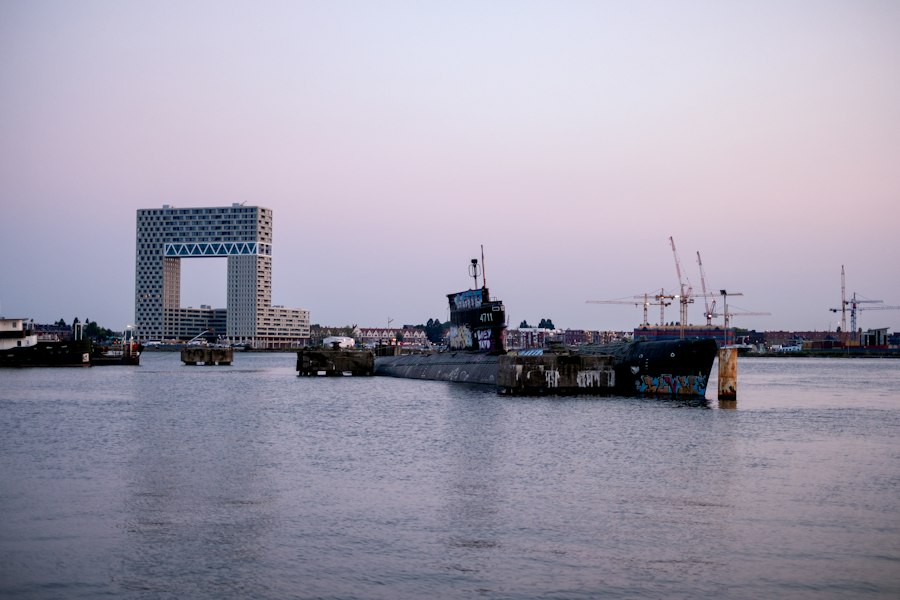
The Papa class submarine, a designation that typically refers to Soviet/Russian built large attack submarines, is known for its considerable size and its powerful, often unique, propulsion systems. Unlike many Western submarine designs that primarily rely on diesel-electric or nuclear-electric propulsion, some Soviet designs, including those that might fall under a broad “Papa class” umbrella in informal contexts, explored alternative powerplants. While precise details can be classified, it is widely understood that these vessels employed nuclear reactors to generate heat, which then powered steam turbines. These turbines, in turn, directly drove propeller shafts or, in some cases, hydraulic systems that actuated propellers. The sheer scale of these power plants, combined with the mechanical complexity of their operation, is a primary driver of their significant acoustic signature. The rotating machinery, the flow of high-pressure steam, and the interaction of the propeller with the surrounding water all generate considerable acoustic energy.
The Engine Room’s Symphony of Sound
At the heart of any submarine’s noise generation lies its propulsion system. For vessels of the Papa class, this typically involved a nuclear reactor. While the reactor core itself is shielded and designed to minimize acoustic leakage, the ancillary systems required to harness its energy are inherently noisy. High-pressure steam, generated by the reactor, is a potent source of acoustic energy. Its passage through pipes, valves, and turbines creates a constant hum and whine. The turbines themselves, massive machines designed to extract maximum energy from the steam, rotate at high speeds, generating substantial mechanical noise. Bearings, gears, and seals all contribute to this intricate mechanical symphony. Furthermore, the pumps and auxiliary machinery required to manage the reactor coolant, the steam cycle, and other onboard systems add their own distinct acoustic contributions. These are not discrete, isolated sounds but rather a complex, layered cacophony that permeates the submarine’s hull and radiates into the surrounding water.
Propeller Dynamics and Hydroacoustic Warfare
The propeller, the very device that propels the submarine, is another major contributor to its acoustic signature. As the propeller blades cut through the water, they create turbulence and cavitation. Cavitation occurs when the pressure on the back of the propeller blade drops below the vapor pressure of the water, causing tiny bubbles to form and then collapse violently. This collapse generates sharp, percussive noises that can be significant sources of sound. The size, shape, and rotational speed of the propeller all influence the intensity and frequency of these cavitation noises. For large, powerful submarines like those in the Papa class, the immense forces involved in pushing such a vessel through the water mean that propeller-generated noise can be substantial. This noise is not merely a byproduct of propulsion; it is also a critical factor in the realm of anti-submarine warfare, where the ability to detect and classify enemy submarines by their acoustic signatures is paramount.
Quantifying the Decibel Burden: Beyond 100 dB

The measurement of sound intensity is logarithmic, meaning that a small increase in decibels represents a significant increase in sound energy. When a Papa class submarine’s noise output is reported to exceed 100 decibels, this figure refers to the sound pressure level, typically measured at a specific distance from the source. To put this into perspective, a whisper is around 30 decibels, a normal conversation is about 60 decibels, and a rock concert can reach 120 decibels. A sustained noise level of 100 decibels is considered very loud and can cause hearing damage with prolonged exposure. In the context of the ocean, this level of noise is not just loud; it is a significant disruption to the natural acoustic environment. This figure is not a static number but can vary depending on the submarine’s speed, operational mode, the sea state, and the specific components being utilized at any given time. A submarine running at its maximum speed, for instance, will generate considerably more noise than one at a slow cruising speed.
The Physics of Sound Propagation Underwater
Sound travels differently in water than it does in air. Water is much denser, allowing sound waves to propagate further and with less attenuation. This means that the noise generated by a submarine can be detected over much greater distances than similar noise levels would be in air. The speed of sound in water is also dependent on factors like temperature, salinity, and pressure, which can create complex acoustic layers and phenomena, such as sound channels that can carry sounds for thousands of miles. The ability of sound to travel so far underwater makes the acoustic signature of submarines a critical factor in naval operations, both for detection and for avoidance. The high decibel readings associated with Papa class submarines therefore represent a sound that can travel vast distances, potentially revealing their presence to listening posts or other vessels from hundreds, if not thousands, of kilometers away.
Factors Influencing Submarine Acoustic Signatures
The decibel level emanating from a submarine is not a fixed entity. It is a dynamic characteristic influenced by a multitude of factors. The most obvious is speed. As a submarine increases its speed, the demands on its propulsion system escalate, leading to increased mechanical noise and greater cavitation. The operational mode also plays a role. A submarine engaged in high-speed transit will be significantly noisier than one operating in a silent running mode for stealth operations. Maintenance and the age of the vessel are also important. Older submarines, or those that have not undergone rigorous maintenance, may have worn machinery that generates more noise. The design of the hull and the propeller itself are also crucial. Streamlined hull forms and advanced propeller designs are employed to minimize hydrodynamic noise. Furthermore, the environmental conditions of the water column, such as the presence of thermal layers or strong currents, can affect how sound propagates and can either amplify or attenuate the perceived noise signature.
Impacts on the Marine World: A Silent Crisis
The profound implications of such high decibel noise levels extend far beyond the operational considerations of naval forces. Marine life, which relies heavily on sound for communication, navigation, foraging, and predator avoidance, is particularly vulnerable to anthropogenic noise pollution. For species that depend on echolocation, such as dolphins and whales, the pervasive noise from submarines can effectively deafen them, disrupting their ability to find food and avoid danger. Even for fish, which communicate through a variety of sounds, this underwater cacophony can mask crucial signals, leading to disorientation and stress. The chronic stress induced by such noise can have long-term physiological effects, impacting reproduction, growth rates, and overall survival.
Disrupting Marine Communication and Navigation
For cetaceans like whales and dolphins, sound is their primary sense. They use intricate vocalizations to communicate with each other, to navigate vast ocean expanses, and to locate prey through echolocation. The intense noise from a Papa class submarine can drown out these vital acoustic signals. Imagine trying to have a conversation in a crowded, extremely loud concert hall; the noise pollution from submarines can render marine animals effectively mute and deaf to their environment. This disruption can lead to social isolation, failed mating attempts, and an inability to find essential food sources. For migratory species, whose journeys are often guided by natural soundscapes, the presence of loud submarines can create acoustic barriers, forcing them to alter their routes or become lost.
Physiological and Behavioral Stress in Marine Organisms
Beyond communication disruption, the sheer acoustic energy can directly impact marine organisms. Studies have shown that high levels of noise pollution can cause physiological stress responses in fish and invertebrates, leading to increased heart rates, elevated stress hormone levels, and changes in behavior. This stress can manifest as reduced feeding efficiency, increased susceptibility to disease, and impaired reproductive success. Some species may even exhibit avoidance behavior, abandoning important feeding or breeding grounds in the presence of persistent noise. This displacement can have cascading effects on the entire ecosystem, altering food webs and impacting biodiversity. The long-term consequences of such chronic exposure are still being studied but are a growing concern for marine conservationists.
Recent discussions around the Papa class submarine have highlighted concerns regarding its operational noise levels, which can exceed 100 decibels. This significant sound output raises questions about the submarine’s stealth capabilities and its impact on marine life. For further insights into the implications of such noise levels, you can read a related article that delves into the effects of submarine acoustics on ocean ecosystems. For more information, check out this detailed analysis.
Implications for Scientific Endeavors
| Metric | Value | Unit | Notes |
|---|---|---|---|
| Noise Level | 100+ | dB | Measured at operational speeds |
| Submarine Class | Papa | – | Project 661 Anchar, Soviet nuclear submarine |
| Speed at Noise Measurement | 40+ | knots | High-speed underwater operation |
| Hull Material | Titanium Alloy | – | Contributed to high speed but also noise |
| Noise Source | Propeller Cavitation | – | Main contributor to noise over 100 dB |
| Operational Depth | 300+ | meters | Typical depth during noise measurement |
The increased ambient noise in the oceans also poses a significant challenge to scientific research. Hydroacoustic studies, which rely on listening to the natural sounds of the ocean to understand marine life and geological processes, are particularly affected. The overwhelming noise from submarines can obscure subtle biological sounds, making it difficult to collect accurate data. This can hinder efforts to monitor whale populations, study the behavior of deep-sea creatures, or even detect seismic activity. The very instruments used to study the ocean’s acoustic environment can be compromised by the noise generated within it.
Masking Subtle Acoustic Signals in Research
Many marine science research efforts rely on the detection and analysis of subtle acoustic signals. These can include the clicks and whistles of dolphins, the songs of whales, or the sounds of fish spawning. The continuous, high-decibel noise from submarines can effectively mask these fainter sounds, making them undetectable to scientific listening equipment. This phenomenon, known as acoustic masking, renders vast amounts of ocean data unusable. Researchers studying the impact of climate change on marine ecosystems, for example, may need to listen to the sounds of ice melt or the vocalizations of affected species. If the soundscape is dominated by submarine noise, these critical observations become impossible.
Compromising the Integrity of Hydroacoustic Monitoring
Hydroacoustic monitoring is a vital tool for understanding the health of marine ecosystems and for tracking changes over time. This involves deploying arrays of underwater microphones (hydrophones) to record the ambient soundscape. The presence of a noisy submarine in the vicinity of these hydrophones can significantly compromise the integrity of the data collected. It can create false positives, distort signal amplitudes, and make it impossible to distinguish between natural and anthropogenic sounds. This is particularly problematic for long-term monitoring programs that aim to establish baseline acoustic levels and detect deviations. The acoustic footprint of a Papa class submarine, with its high decibel output, can render an entire monitoring area acoustically unintelligible for extended periods.
Navigating the Future: Mitigation and Management
Addressing the issue of high-decibel submarine noise requires a multi-faceted approach involving technological advancements, operational strategies, and international cooperation. For navies operating these vessels, the pursuit of quieter technologies is paramount. This includes the development of more efficient and silent propulsion systems, advanced hull coatings to reduce hydrodynamic noise, and improved propeller designs. Furthermore, operational changes, such as implementing stricter speed limits in sensitive areas or developing more sophisticated stealth protocols, can help minimize the acoustic impact. International collaboration is also essential, as the oceans are a shared resource, and noise pollution does not respect national boundaries. Establishing guidelines for acoustic management and promoting research into the impact of noise on marine life are crucial steps forward.
Technological Innovations for Quieter Submarines
The arms race in naval technology has historically focused on speed, stealth, and firepower. However, there is a growing recognition of the need to prioritize acoustic quietness. For submarines like the Papa class, advancements in several key areas could significantly reduce their noise output. Magnetic drive turbines, for instance, can eliminate the mechanical grinding of gears. Advanced propeller designs, such as those with variable pitch or counter-rotating blades, can minimize cavitation. Furthermore, the development of “active noise cancellation” technologies, similar to those used in noise-canceling headphones, is being explored for application in submarines. These technologies aim to generate sound waves that are out of phase with the unwanted noise, effectively canceling it out.
Operational Strategies for Reduced Acoustic Impact
Beyond technological solutions, naval forces can implement operational strategies to mitigate their acoustic footprint. This includes the development and rigorous adherence to “silent running” protocols, which involve minimizing engine speeds and shutting down non-essential machinery. Careful route planning can also help avoid ecologically sensitive areas or regions where acoustic research is being conducted. Furthermore, navies can invest in acoustic training for their crews, emphasizing the importance of minimizing noise generation during all phases of operation. The development of real-time acoustic monitoring systems onboard submarines could also allow crews to identify and address noise issues as they arise, further reducing their environmental impact.
International Cooperation and Acoustic Management
The oceans are a shared global commons, and the issue of underwater noise pollution transcends national borders. Therefore, international cooperation is crucial in addressing this challenge. This can involve establishing international guidelines and standards for submarine noise emissions, similar to those for air and water pollution. Collaborative research initiatives can help us better understand the cumulative impacts of anthropogenic noise on marine ecosystems. Furthermore, forums for dialogue between naval powers and marine conservation organizations can foster a shared understanding of the problem and facilitate the development of mutually agreeable solutions. The principle of “do no harm” should extend to the acoustic environment of our oceans, requiring a concerted global effort to protect this vital resource for future generations.
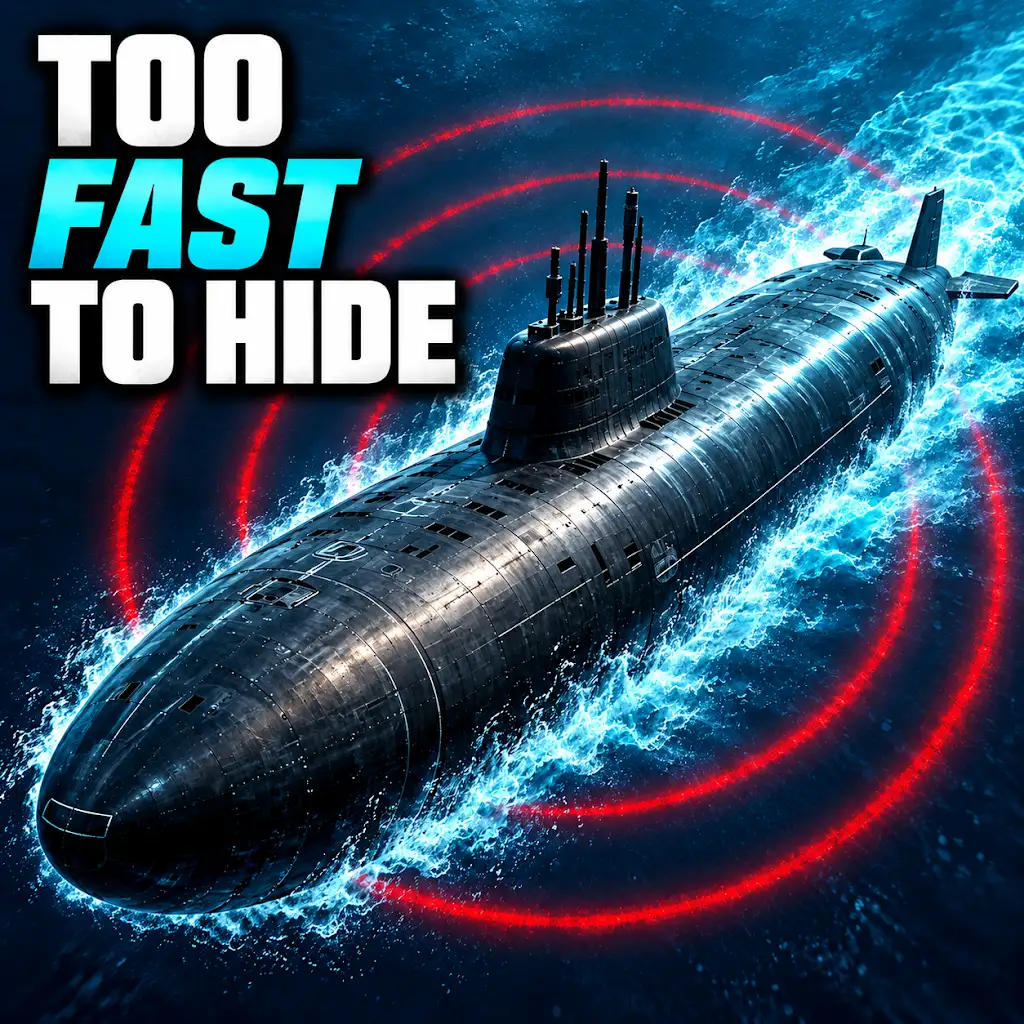
The Soviet Submarine That Broke a Speed Record—and Its Own Stealth
FAQs
What is a Papa class submarine?
A Papa class submarine is a type of Soviet nuclear-powered submarine that was in service during the Cold War era.
Why is the noise level of a Papa class submarine important?
The noise level of a submarine is crucial for its stealth capabilities, as a quieter submarine is less likely to be detected by enemy vessels or sonar systems.
Why is a noise level over 100 decibels concerning?
A noise level over 100 decibels is considered very loud and can have negative effects on the crew’s health, communication, and overall operational effectiveness of the submarine.
How does the noise level of a Papa class submarine compare to other submarines?
The noise level of a Papa class submarine, exceeding 100 decibels, is significantly higher than that of modern submarines, which are designed to operate at much lower noise levels for improved stealth.
What measures can be taken to reduce the noise level of a Papa class submarine?
To reduce the noise level of a Papa class submarine, various noise reduction technologies can be implemented, such as sound insulation, vibration damping, and improved propulsion systems.