
The Panjshir Valley, a rugged ribbon of earth carved by the Panjshir River through the Hindu Kush mountains of Afghanistan, has long been a bastion of resistance. For decades, its inhabitants, particularly the fighters known as the Panjshir Mujahideen, have honed a formidable array of tactics for survival and defense against overwhelming odds. Among these, their mastery of ambush warfare stands out as a critical element in their enduring ability to contest control of their homeland. This article will explore the multifaceted nature of Panjshir Mujahideen ambush tactics, examining the geographical, strategic, and operational considerations that underpinned their success.
The Panjshir Valley’s geography dictated a strategic approach that favored unconventional warfare. Situated in a region known for its challenging terrain and scattered settlements, conventional frontal assaults and large-scale engagements were often impractical and militarily disadvantageous for a fuerza that lacked the resources of its adversaries.
Defense of the Homeland
The most fundamental strategic driver for the use of ambush tactics in Panjshir was the imperative to defend their homeland. The valley’s inhabitants viewed themselves as guardians of their ancestral lands, and ambushes were a primary means of repelling invaders, whether they be Soviet forces during the 1980s or subsequent Afghan political factions. The decentralized nature of Mujahideen command structures also lent itself to localized ambushes, executed by small, motivated units.
Asymmetric Warfare and Force Multiplier
Ambush tactics served as a crucial force multiplier for the Panjshir Mujahideen. Facing technologically superior and numerically larger opposing forces, they could not engage in open warfare and expect to prevail. Ambushes allowed them to negate these advantages by choosing the time and place of engagement, striking with surprise, and disengaging before the enemy could effectively retaliate. This asymmetric approach was a cornerstone of their strategy.
Denying Enemy Mobility and Reinforcement
A key strategic objective of ambush tactics was to disrupt enemy supply lines and prevent the free movement of troops throughout the valley. By targeting convoys and patrols, the Mujahideen could isolate enemy garrisons, hinder reinforcements, and create a perpetual state of insecurity. This constant pressure forced the adversary to expend resources on security rather than offensive operations.
The Panjshir Valley mujahideen have long been known for their strategic ambush tactics, which have played a crucial role in their resistance efforts. For a deeper understanding of these tactics and their historical context, you can explore a related article that delves into the intricacies of guerrilla warfare in mountainous terrains. This insightful piece can be found at In the War Room, where it discusses various strategies employed by the mujahideen and their impact on the broader conflict in Afghanistan.
Geographical Terrain and its Exploitation
The Panjshir Valley’s unique topography provided an indispensable foundation for the Mujahideen’s ambush strategies. The extremely mountainous terrain, characterized by narrow passes, steep slopes, and limited visibility, was meticulously exploited.
Narrow Passes and Choke Points
The valley’s numerous narrow passes and constricted stretches of road were natural ambush sites. These choke points funneled enemy forces into predictable kill zones, where the Mujahideen could concentrate their firepower from concealed positions. The confined nature of these locations also hampered the enemy’s ability to maneuver and deploy their superior numbers effectively.
Steep Slopes and Concealed Positions
The steep, rugged slopes of the Panjshir Mountains offered an abundance of natural cover and elevated firing positions. Mujahideen fighters could conceal themselves among rocks, in caves, and on vegetated ledges, gaining a significant advantage in observation and the ability to rain down fire on unsuspecting enemy columns below. These positions were often difficult for the enemy to detect or assault, requiring strenuous climbs.
Limited Visibility and Deception
The terrain’s inherent limited visibility, often exacerbated by fog, dust, and the sinuous nature of the valley, played a critical role in facilitating surprise. The Mujahideen utilized this to their advantage, masking their movements and staging areas. Deception—using false trails, decoy positions, and misleading communications—was also employed to further disorient and entrap the enemy.
Operational Planning and Execution of Ambushes
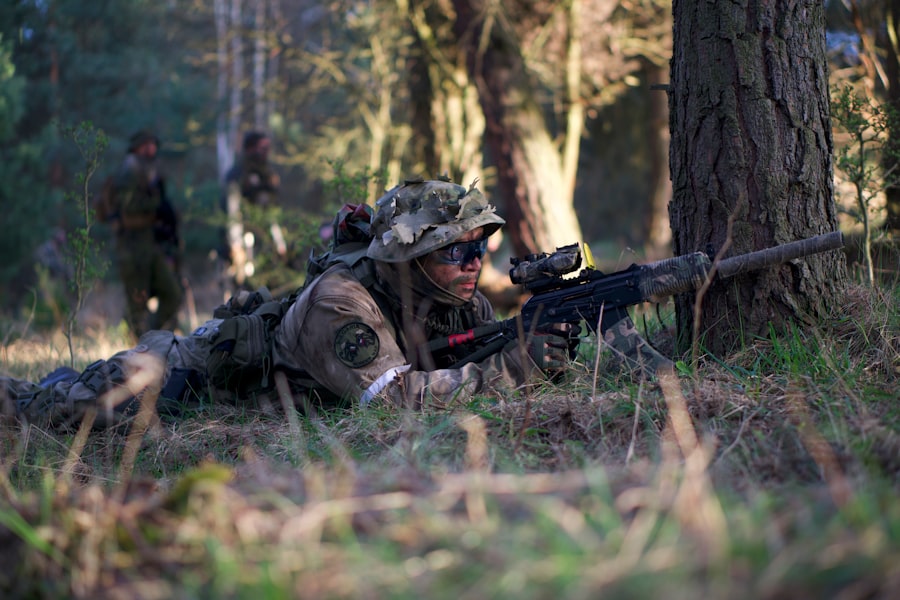
The effectiveness of Panjshir Mujahideen ambushes was not solely attributable to the terrain; meticulous operational planning and disciplined execution were paramount.
Intelligence Gathering and Reconnaissance
Prior to any ambush, extensive intelligence gathering was conducted. Mujahideen scouts and informants within local communities provided crucial information on enemy patrols, convoy schedules, weaponry, and troop movements. This detailed reconnaissance allowed for the precise selection of ambush sites and the timing of the operation.
Site Selection and Preparation
The selection of an ambush site involved a careful assessment of multiple factors. Beyond the natural advantages of the terrain, considerations included avenues of approach for the enemy, potential escape routes for the Mujahideen, and proximity to strategic objectives such as bridges or critical road junctions. The site would then be prepared, which could involve clearing fields of fire, establishing concealed firing positions, and sometimes, the laying of improvised explosive devices (IEDs).
Phases of an Ambush
An effective ambush typically involved several distinct phases.
Initial Contact and Engagement
The ambush would commence with a surprise attack, often initiated by a well-aimed burst of fire or the detonation of an IED. The objective was to inflict immediate casualties and disrupt the enemy formation.
Sustained Fire and Disruption
Once the ambush was sprung, Mujahideen fighters would engage the enemy with concentrated fire from their concealed positions. The aim was to sow chaos, inflict further casualties, and prevent any organized response or counterattack.
Exploitation of Confusion and Withdrawal
As the enemy became disorganized and demoralized, the Mujahideen would exploit the confusion to inflict maximum damage. Crucially, they maintained strict discipline regarding withdrawal, disengaging before the enemy could effectively regroup and mount a counter-assault. This often involved pre-planned escape routes into the surrounding mountains.
Weaponry and Improvised Tactics

The weaponry employed by the Panjshir Mujahideen, while often less sophisticated than that of their adversaries, was utilized with deadly effectiveness in ambush scenarios.
Light and Medium Machine Guns
Light machine guns (LMGs) and medium machine guns (MMGs) were extensively used from concealed firing positions. Their sustained firepower was ideal for suppressing enemy movement and inflicting casualties during the initial shock of an ambush.
Rocket-Propelled Grenades (RPGs) and Anti-Tank Weapons
RPGs were particularly valuable for their ability to target vehicles. Fired from close range, they could disable or destroy armored personnel carriers and trucks, effectively halting enemy convoys and creating bottlenecks within ambush sites.
Improvised Explosive Devices (IEDs)
The use of IEDs, ranging from simple mines to more complex devices, was a significant component of Panjshir Mujahideen ambushes. These could be used to initiate an ambush, disrupt enemy formations, or prevent their withdrawal. The ability to improvise and adapt their explosive devices, often using captured or locally sourced materials, made them a persistent threat.
Small Arms and Sniper Fire
Standard assault rifles were used for direct fire against enemy personnel. Sniper rifles, often operated by highly skilled marksmen, were employed to pick off key enemy personnel such as officers or heavy weapons operators, further destabilizing the enemy force.
The Panjshir Valley has long been known for its strategic significance and the resilience of its mujahideen fighters, who have employed various ambush tactics to defend their territory. A related article explores the historical context and evolution of these tactics, shedding light on how the rugged terrain has shaped guerrilla warfare in the region. For a deeper understanding of these strategies and their impact on the ongoing conflict, you can read more in this insightful piece found here.
Psychological Impact and Deniable Warfare
| Tactic | Description |
|---|---|
| Ambush Location | Selection of strategic locations with natural cover and high ground for surprise attacks. |
| Hit-and-Run | Engage enemy forces with small, mobile units and quickly retreat to avoid direct confrontation. |
| Coordination | Effective communication and coordination among mujahideen units to execute simultaneous attacks from multiple directions. |
| Booby Traps | Placement of improvised explosive devices (IEDs) and mines along likely enemy routes to inflict casualties and disrupt movements. |
The ambush tactics employed by the Panjshir Mujahideen extended beyond the purely physical realm, carrying significant psychological weight and serving as a form of deniable warfare.
Erosion of Enemy Morale
The constant threat of ambush, the unpredictability of the attacks, and the heavy casualties inflicted without direct engagement took a severe toll on enemy morale. Soldiers operating in the Panjshir lived under perpetual tension, knowing that danger could emerge from any direction at any moment. This erosion of morale made them more hesitant, less effective, and more prone to errors.
Deniability and Blame Shifting
The decentralized nature of Mujahideen operations and the terrain’s vastness often allowed them to carry out ambushes with a degree of deniability. This meant that the enemy could not always definitively identify the perpetrators, leading to confusion and accusations among different factions or even within the invading forces themselves. This shifting of blame also served to weaken the cohesion of the opposing force.
Creating a Narrative of Invincibility
Through consistent and effective ambushes, the Panjshir Mujahideen cultivated a reputation for being formidable defenders of their valley. This narrative of invincibility, even if exaggerated, contributed to their own resilience and served as a potent deterrent to potential aggressors. It fostered a sense of local pride and determination.
In conclusion, the ambush tactics of the Panjshir Mujahideen were a sophisticated and multifaceted application of warfare, deeply intertwined with the unique geography of their homeland. Their success stemmed from a combination of strategic foresight, meticulous planning, disciplined execution, and the imaginative use of available weaponry, all underpinned by a profound understanding of the psychological impact of irregular warfare. These methods allowed them to effectively contest powerful adversaries, demonstrating the enduring relevance of unconventional tactics in the face of overwhelming material advantage.
FAQs
What are the ambush tactics used by the Mujahideen in Panjshir Valley?
The Mujahideen in Panjshir Valley are known to use various ambush tactics, including hit-and-run attacks, sniper fire, and improvised explosive devices (IEDs). They often utilize the rugged terrain and natural cover to their advantage.
How do the Mujahideen in Panjshir Valley plan their ambushes?
The Mujahideen in Panjshir Valley carefully plan their ambushes by conducting reconnaissance of enemy movements, identifying strategic locations for attack, and coordinating their forces for maximum impact. They also take into account the element of surprise and timing of the ambush.
What weapons do the Mujahideen in Panjshir Valley use during ambushes?
The Mujahideen in Panjshir Valley are known to use a variety of weapons during ambushes, including assault rifles, machine guns, rocket-propelled grenades (RPGs), and mortars. They also make use of sniper rifles and explosives to inflict maximum damage on their targets.
How do the Mujahideen in Panjshir Valley evade retaliation after an ambush?
After conducting an ambush, the Mujahideen in Panjshir Valley often disperse into the surrounding terrain to evade retaliation. They may also use decoy tactics and diversionary maneuvers to confuse and delay enemy forces pursuing them.
What is the historical significance of ambush tactics in Panjshir Valley?
Ambush tactics have played a significant role in the history of Panjshir Valley, particularly during the Soviet-Afghan War and the subsequent conflicts. The Mujahideen’s effective use of ambush tactics has contributed to their reputation as formidable guerrilla fighters.