How Vendors Secure Government Contracts
The government contracting process is a complex and multifaceted system that requires a thorough understanding of various regulations, procedures, and requirements. At its core, this process involves the government procuring…


The Importance of Sustaining Defense Programs
National security constitutes the fundamental framework for protecting a nation's sovereignty, territorial integrity, and population from threats. It involves coordinated policies and operational measures designed to safeguard national interests against…
Upgrade Spiral: The Defense Spending Trap
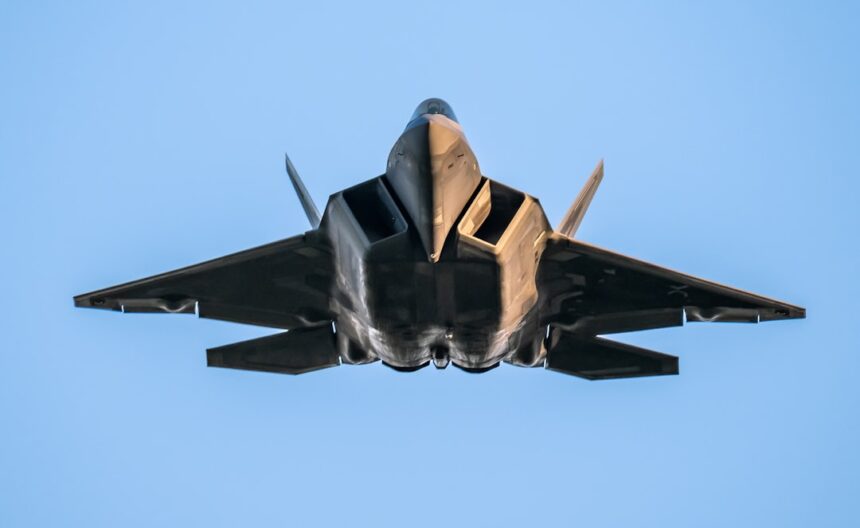
Defense spending patterns exhibit cyclical characteristics driven by multiple interconnected factors. Nations typically increase military expenditures in response to perceived security threats, technological developments, or changes in regional power dynamics.…

Understanding the Iron Triangle: Pentagon, Congress, and Contractors
The Iron Triangle refers to the interconnected relationship between three primary actors in U.S. defense policy: the Department of Defense (Pentagon), Congress, and defense contractors. This framework describes how these…

Enhancing Military Testing with Managed Metrics
Military testing constitutes an essential element in developing and evaluating defense systems, equipment, and personnel readiness. It encompasses diverse activities, ranging from weapons performance assessment to training program evaluation. The…

How China Outmaneuvered US Navy in South China Sea
The South China Sea is a critical maritime region that holds immense strategic significance for multiple nations. Spanning over 1.4 million square miles, it serves as a vital conduit for…

Defense Spending: Avoiding the Sunk Cost Fallacy
The sunk cost fallacy is a cognitive bias that occurs when individuals or organizations continue investing in a project or decision based on the cumulative prior investment, rather than on…

Dismantling the Military Industrial Complex: A Guide
The military-industrial complex refers to the interconnected relationship between a nation's military forces, government, and defense industries that provide weapons, technology, and services. This concept became widely recognized during the…

The Impossible Task of Defense Reform
Defense reform has evolved through distinct historical phases driven by changing military requirements, political decisions, and social transformations. Nations have continuously modified their defense structures to address emerging threats and…

The Rising Costs of Defense Sustainment
Defense sustainment costs represent a significant portion of military budgets worldwide, encompassing the expenses associated with maintaining and supporting military equipment, personnel, and operations over time. These costs are not…