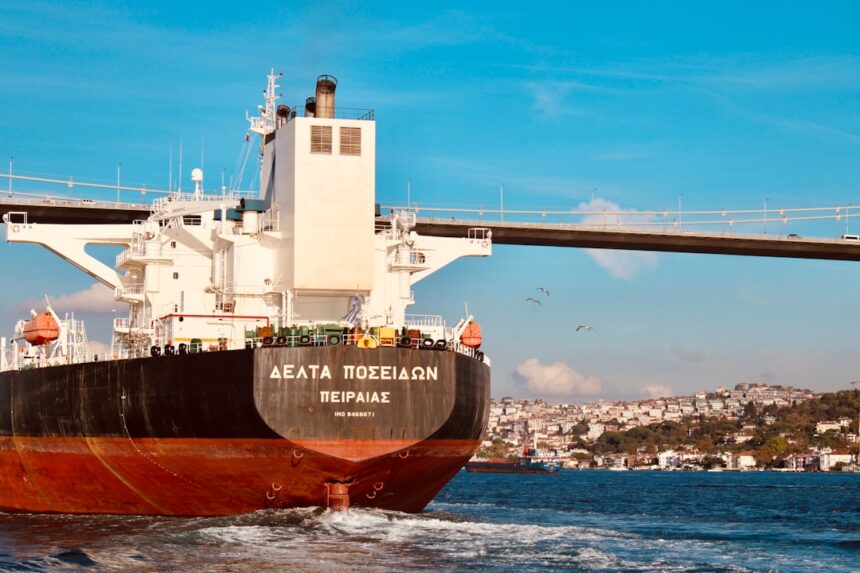
You awoke to a market in motion. The Pacific clean tanker sector, usually a source of predictable revenue for those involved, was experiencing a significant disruption. Today, you’re witnessing a day where rates felt less like a steady flow and more like a series of sharp, unpredictable jolts. The term “snapped” accurately captures the sentiment: a rapid, unexpected upward surge that caught many off guard. This wasn’t a gradual climb; it was a sudden, almost violent market reaction.
The price you can command for moving refined petroleum products across the Pacific is a complex equation. It’s influenced by a confluence of factors, many of which converged with unusual intensity today, leading to the volatile pricing you’re observing. Understanding these dynamics is crucial to navigating the current landscape.
Supply and Demand Imbalance: The Ever-Present Driver
At its core, tanker rates are dictated by the delicate ballet of supply and demand. When the number of available vessels exceeds the cargo needing transport, rates tend to soften. Conversely, when demand for shipping capacity outstrips the available tonnage, rates climb. Today, you’re seeing a pronounced shift in this balance, a tightening of the market that is directly impacting your earning potential.
Demand Surge: A Global Appetite
The present uptick in demand isn’t originating from a single, isolated event. Instead, it’s a multifaceted global phenomenon. Refinery runs, a key indicator of the need for clean product transportation, have been robust. You’re seeing increased product movements from major refining hubs in Asia, heading to various consumption centers. Furthermore, unexpected refinery outages in certain regions have created additional logistical needs, forcing charterers to seek alternative supply routes and, consequently, more vessel space. This demand, amplified by these diverse pressures, is a primary catalyst for the rate surge.
Supply Constraints: A Constricting Fleet
Simultaneously, you’re encountering a supply side that isn’t keeping pace with this escalating demand. The global order book for new clean tankers, while present, isn’t delivering vessels at a speed that can absorb the current market pressure. Years of shipyard planning and construction mean that the fleet expansion is a measured process, not an instantaneous response to short-term market fluctuations.
Idle Tonnage Disappears
A significant factor contributing to the supply tightness you’re observing is the depletion of idle tonnage. In softer market conditions, a certain number of vessels typically lie idle, awaiting better employment. Today, you’re finding that these previously available ships are being absorbed into the market, leaving fewer options for those looking to book vessels. This reduction in readily available tonnage directly contributes to the upward pressure on rates.
Vessel Utilisation Peaks
As the demand surge encounters a constrained supply, you’re witnessing an all-time high in vessel utilization. Almost every operational clean tanker capable of plying the Pacific routes is either at sea with cargo or in the process of loading or discharging. This near-100% utilization means that there’s effectively no slack in the system. Any new cargo needing immediate shipment faces a stark reality: very few, if any, vessels are available without significant premiums.
Geopolitical Ripples: Beyond the Obvious
While supply and demand are the bedrock of tanker economics, today’s volatility has also been influenced by events that lie outside the traditional balance sheets of shipping.
Regional Tensions and Trade Flows
You’re seeing how geopolitical developments, even those seemingly distant, can have tangible impacts on shipping routes. Shifts in trade patterns due to regional conflicts or sanctions can necessitate longer, more complex voyages. This extends sailing times, effectively reducing the number of voyages a vessel can complete within a given period, thereby tightening the available supply of shipping capacity.
Infrastructure Bottlenecks: The Unseen Obstacle
Beyond the vessels themselves, you’re also encountering friction within the broader logistics chain. Port congestion, particularly in key loading and discharging regions, can lead to significant delays. A vessel waiting to load or unload effectively represents a reduction in its earning capacity and availability. These bottlenecks, accumulating across multiple ports, contribute to the overall tightness of the market.
In the context of the recent fluctuations in the shipping industry, the article titled “The Day Pacific Clean Tanker Rates Snapped” highlights the sudden changes in tanker rates that have caught the attention of market analysts. For further insights into the dynamics affecting these rates, you can read a related article that delves into the broader implications of shipping trends and economic factors. Check it out here: related article.
The “Snap” in Action: Witnessing the Rate Surge
The term “snapped” implies a sudden, decisive movement. Today, you experienced precisely that. This wasn’t a gradual ascent; it was a rapid re-pricing of risk and available capacity.
The Immediate Impact on Your Earnings
For you, as an owner or operator, this translates directly into a sudden increase in your potential revenue. Rates that were perhaps languishing at more moderate levels are now commanding significantly higher premiums. This is the immediate upside of a volatile market, though it often comes with its own set of challenges in terms of managing expectations and securing the next cargo at these elevated levels.
Spot Market Frenzy
The spot market, where rates are determined by immediate supply and demand dynamics, is where this “snap” is most acutely felt. Charterers, desperate to secure tonnage, are willing to pay a premium to ensure their cargo is moved. You’re observing bids being placed and accepted at levels that, just days ago, would have seemed improbable.
Time Charter Rates Follow Suit
While the spot market leads the charge, you’re also seeing time charter rates, which represent longer-term employment agreements, begin to recalibrate. The expectation of sustained strong rates in the spot market inevitably spills over into the time charter market, as owners anticipate continued high earnings and price their longer-term fixtures accordingly.
The Psychology of Volatility
Markets are not solely driven by arithmetic; human psychology plays a significant role. Today, you’re witnessing the impact of sentiment and anticipation.
Fear of Missing Out (FOMO)
As rates begin to climb, a sense of urgency permeates the market. Charterers, fearing that they will be left without tonnage if they delay, are compelled to act quickly. This “fear of missing out” can accelerate the rate increases, creating a feedback loop where rising rates fuel more urgent demand.
Speculation and Hedging
You’re also encountering a degree of speculative activity and hedging. Some market participants might be securing tonnage at current elevated rates, anticipating further increases, or locking in prices to protect against potential future rises. This adds another layer of complexity and can contribute to the rapid price movements.
Navigating the Aftermath: What Comes Next?
While the “snap” has brought about a sharp rise in rates, the market rarely settles into a prolonged period of such extreme volatility. You must now consider what the aftermath might look like.
The recent surge in Pacific clean tanker rates has captured the attention of industry analysts, particularly in light of the ongoing fluctuations in global oil demand. For a deeper understanding of the factors influencing these rates, you might find the article on market trends insightful. It discusses the implications of changing regulations and their impact on shipping logistics. You can read more about it in this related article, which provides a comprehensive overview of the current maritime landscape.
The Sustainability of the Surge
The crucial question for you is whether this elevated rate environment is sustainable. Was today a temporary anomaly, or the beginning of a more prolonged uptrend?
Monitoring Fundamental Shifts
You’ll be closely monitoring the fundamental drivers. Are refinery runs expected to remain high? Are there signs of new vessel deliveries that could ease supply constraints? Are geopolitical tensions likely to persist or de-escalate? These are the questions that will determine the longevity of the current rate levels.
The Role of Economic Indicators
Broader economic indicators will also play a role. A global economic slowdown could dampen demand for refined products, eventually impacting tanker rates. Conversely, a robust global economy would likely support sustained demand and, by extension, higher rates.
The Impact on Different Vessel Classes
The volatility you’re experiencing might not impact all vessel classes equally.
Product Tanker Specialization
The Pacific clean tanker market specifically involves vessels designed to carry refined petroleum products like gasoline, diesel, and jet fuel. The demand for these specific products, and the availability of vessels configured to carry them, will dictate how each segment of the market fares.
MR Tanker Dynamics
The Medium Range (MR) tankers, a workhorse of the clean product trade, are likely at the forefront of today’s surge. Their versatility makes them highly sought after for a wide range of Pacific routes.
Intra-Asia and Cross-Pacific Movements
You’ll be observing how the demand for MR tankers for both intra-Asia trade and longer cross-Pacific voyages is influencing their particular rate structures.
LR Tanker Considerations
Larger Long Range (LR) tankers, while less common for shorter intra-Asia hauls, are crucial for longer-haul movements. Their availability and the demand for their services will also be a key factor.
East-West Product Flows
You’ll be looking at how demand for LR tankers on traditional East-West product flows, such as from the Middle East to Asia or from Asia to transpacific destinations, is affecting their rates.
Operational Considerations in a Volatile Market
Beyond the financial implications, you must also consider the operational challenges that arise in such a dynamic environment.
Charter Party Negotiations
Negotiating charter party agreements becomes more complex when rates are rapidly changing. You’ll need to be agile and ensure that contracts accurately reflect the current market realities or provide adequate protection for future uncertainties.
Cargo and Voyage Planning
Efficient cargo and voyage planning are paramount. You’ll be seeking to maximize your vessel’s earning potential by securing the most advantageous fixtures and minimizing any potential idle time between voyages.
Optimising Route Selection
You’ll be analyzing route options to optimize for the highest achievable rates, considering factors like port congestion, bunker prices, and potential market movements during the voyage.
Crewing and Technical Management
Even in a strong rate environment, efficient crewing and technical management remain critical for safe and profitable operations. You must ensure your vessels are always ready to capitalize on market opportunities.
The Lingering Effects: A Day Etched in Market Memory

Today’s “snap” in Pacific clean tanker rates will likely be remembered as a significant event. It serves as a stark reminder of the inherent volatility within the shipping markets and the interconnectedness of global economic and geopolitical forces.
Lessons Learned for Future Strategies
What you’ve experienced today provides valuable insights that can inform your future strategies.
Risk Management and Hedging Techniques
You’ll be re-evaluating your risk management and hedging techniques. Have they been sufficiently robust to capture opportunities while mitigating potential downside?
Market Intelligence and Forecasting
The importance of accurate and timely market intelligence is amplified. You’ll be investing in better forecasting tools and data analysis to anticipate future market shifts.
The Importance of Real-Time Data
You’ll recognize the critical need for real-time data to react swiftly to changing market conditions.
Diversification and Fleet Strategy
You’ll also be considering whether your fleet strategy is sufficiently diversified to capitalize on various market conditions or if adjustments are needed.
The Enduring Nature of Shipping Cycles
Ultimately, today’s event is a reflection of the cyclical nature of the shipping industry. Periods of strong earnings are often followed by corrections, and vice versa.
The Boom and Bust Phenomenon
You understand that the shipping market is prone to boom and bust cycles. Today’s surge, while exhilarating, may not signal the end of this pattern.
Adapting to Market Fluctuations
Your ability to adapt to these fluctuations, to capitalize on the highs and weather the lows, is what will determine your long-term success in this dynamic industry.
Looking Ahead: The Horizon of Opportunity and Uncertainty
As the day draws to a close, you are left with a mixture of satisfaction from the immediate gains and a healthy dose of anticipation for what lies ahead. The Pacific clean tanker market has demonstrated its capacity for swift, dramatic shifts. Your task now is to learn from this volatility, refine your strategies, and remain agile enough to navigate the opportunities and uncertainties that will undoubtedly continue to shape this vital sector of global trade.
FAQs
What are clean tanker rates?
Clean tanker rates refer to the cost of transporting refined petroleum products such as gasoline, diesel, and jet fuel. These rates are influenced by factors such as supply and demand, fuel prices, and geopolitical events.
What caused the Pacific clean tanker rates to snap?
The day Pacific clean tanker rates snapped was likely influenced by a sudden shift in market conditions, such as a surge in demand for clean tanker transportation in the Pacific region or a decrease in the availability of clean tanker vessels.
How do clean tanker rates impact the shipping industry?
Clean tanker rates play a significant role in the shipping industry as they directly affect the profitability of transporting refined petroleum products. Fluctuations in clean tanker rates can impact the financial performance of shipping companies and influence their strategic decision-making.
What are the implications of the Pacific clean tanker rates snapping?
The snapping of Pacific clean tanker rates may have implications for both the shipping industry and the broader energy market. It could impact the cost of transporting refined petroleum products in the Pacific region and potentially affect the pricing and availability of these products for consumers.
How can companies mitigate the impact of fluctuating clean tanker rates?
Companies in the shipping industry can mitigate the impact of fluctuating clean tanker rates by implementing risk management strategies, such as hedging against rate fluctuations, diversifying their shipping routes, and optimizing their fleet operations to minimize costs.