Getting Your Time-Sensitive Goods Where They Need to Be, On Time
So, you’ve got products that absolutely cannot wait – think fresh produce, life-saving medications, or critical electronics. The clock is ticking from the moment they leave the source until they land in the hands of the customer, and any delay can be costly, or worse. This isn’t just about efficiency; it’s about survival for your business and meeting the real needs of your customers. The good news is, with a bit of intentional planning and the right approach, you can build a supply chain that’s nimble, reliable, and up to the challenge. Let’s break down what it really takes to optimize these high-stakes operations.
When we talk about time-sensitive supply chains, we’re not just talking about “fast.” We’re talking about a whole different set of rules and pressures. These aren’t your everyday widgets that can soak up a few days in transit. The stakes are high, and the entire operation needs to be built with this urgency at its core.
The “Why” Behind the Urgency
The reasons for a supply chain to be time-sensitive are varied and often non-negotiable. They usually fall into a few key categories that dictate the entire operational strategy.
Perishability and Shelf Life
This is perhaps the most obvious category. Items like fresh food (fruits, vegetables, dairy, meat) and certain chemical compounds have a hard expiration date. Beyond that, they’re worthless or even dangerous. This means the entire journey, from farm or factory to fork or patient, needs to be mapped and executed with precision to minimize spoilage. Every hour counts.
Critical Demand and Usage
Think about spare parts for a manufacturing line that’s down. Every minute it’s stopped, money is being lost. Or consider medical supplies needed for an urgent surgery, or the latest tech component for a product launch that has a specific window of market opportunity. The delay isn’t just an inconvenience; it has tangible, immediate financial or operational consequences.
Regulatory Compliance and Seasonal Peaks
Some industries have strict regulations about how quickly certain goods must be delivered or processed. This is especially true in pharmaceuticals and certain government contract deliveries. Additionally, businesses operating on seasonal peaks, like holiday retail, need to ensure their products are reaching shelves and customers precisely when demand is highest. Missing the season means missing the opportunity entirely.
In today’s fast-paced global economy, managing time-sensitive supply chains has become increasingly crucial for businesses looking to maintain a competitive edge. For insights into the challenges and strategies involved in optimizing these supply chains, you can refer to a related article on this topic at In the War Room. This resource provides valuable information on how companies can effectively navigate the complexities of logistics and ensure timely delivery of goods.
Building a Foundation: Visibility and Control
You can’t optimize what you can’t see. For time-sensitive operations, this goes beyond basic tracking. It means having real-time, granular insight into every single step of the process, and the ability to intervene when things go off course.
Real-Time Tracking and Monitoring
This is the bedrock. Knowing exactly where your goods are at any given moment is crucial. But it’s not just about knowing the location; it’s about understanding the conditions.
GPS and IoT Integration
Modern logistics leverage GPS for location tracking, but the real game-changer is the integration of the Internet of Things (IoT). Sensors can monitor temperature, humidity, shock, light exposure, and even potential tampering. This is vital for cold chain integrity, preventing damage to sensitive equipment, or ensuring product authenticity.
Predictive Analytics for Delays
Going a step further, advanced systems use historical data and real-time conditions (like traffic, weather, and port congestion) to predict potential delays before they happen. This allows for proactive rerouting or contingency planning.
Centralized Data Management
All this information needs to flow into a single, accessible system. Siloed data is the enemy of agility.
Integrated Logistics Platforms
Using a comprehensive Transportation Management System (TMS) or a Supply Chain Management (SCM) platform that integrates with all your partners (carriers, warehouses, suppliers) provides a unified view. This allows for better decision-making and faster response times.
Strategic Network Design: Location, Location, Location

Where you store and move your goods is as critical as how fast you move them. For time-sensitive items, a strategically designed network can shave off crucial hours or even days from transit times.
Proximity to Demand Centers
The closer your distribution points are to your end customers, the shorter the last-mile delivery. This is a fundamental principle worth reiterating.
Micro-Fulfillment Centers
For e-commerce and fast delivery, these smaller, strategically placed warehouses closer to urban populations are becoming essential. They reduce delivery times significantly and cut down on costly express shipping for the final leg.
Regional Hubs for Rapid Deployment
Setting up regional distribution centers that can quickly replenish inventory to a wider geographic area means that individual stores or customers aren’t waiting for goods to come from a single, distant central warehouse.
Optimized Flow and Transit Routes
It’s not just about having warehouses close by; it’s about ensuring the movement between them and to the final destination is as efficient as possible.
Multi-Modal Transportation Integration
Leveraging the strengths of different transport modes can be key. For example, fast air freight for the longest legs, followed by efficient trucking for local last-mile delivery. The seamless handover between these modes is critical.
Dedicated Express Lanes and Prioritization
In some very specific scenarios, businesses might negotiate dedicated lanes or prioritize certain shipments within their own logistics operations to ensure they meet the tightest deadlines. This involves close collaboration with carriers and internal logistics teams.
Carrier and Partner Collaboration: Working as One
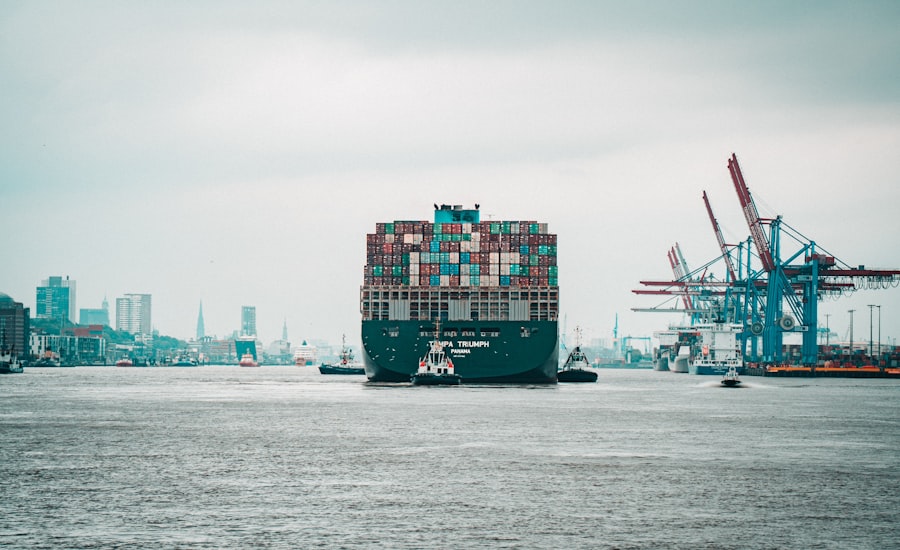
Your supply chain is only as strong as its weakest link. For time-sensitive operations, that means fostering deep, collaborative relationships with your carriers and other logistics partners. This isn’t a transactional relationship; it’s a partnership built on trust and shared goals.
Selecting the Right Partners
Not all carriers are equipped for the demands of time-sensitive freight. You need partners who understand the urgency and have the capabilities to match.
Specialized Carriers for Specific Needs
For example, pharmaceutical logistics require carriers with certified cold chain capabilities, regulatory compliance knowledge, and secure handling procedures. High-value electronics might need carriers with enhanced security protocols and insured transport.
Performance Metrics and SLAs
Establish clear Service Level Agreements (SLAs) that define expectations for on-time delivery, transit times, temperature control, and response times for issues. Regularly review carrier performance against these metrics.
Information Sharing and Communication
Open and consistent communication is paramount. When everyone has the same, up-to-date information, decision-making becomes faster and more accurate.
Joint Planning and Forecasting
Involve key carriers in your demand forecasting and inventory planning. They can offer insights into capacity, route availability, and potential bottlenecks that you might not see from your internal perspective.
Proactive Exception Management
Establish protocols for how exceptions (delays, damages, etc.) will be communicated and resolved. This includes having designated points of contact and clear escalation paths for both your team and your partners. The goal is to address issues before they escalate into major problems.
In today’s fast-paced global economy, managing time-sensitive supply chains has become increasingly crucial for businesses striving to maintain a competitive edge. A recent article discusses innovative strategies that companies can implement to enhance their supply chain efficiency and responsiveness. By exploring these methods, organizations can better navigate the complexities of logistics and meet customer demands more effectively. For more insights on this topic, you can read the full article here.
Technology and Automation: The Enablers of Speed and Accuracy
| Metrics | Data |
|---|---|
| On-time delivery rate | 95% |
| Lead time | 3 days |
| Inventory turnover | 8 times/year |
| Order cycle time | 2 days |
Technology isn’t just a nice-to-have; it’s a necessity for managing the complexity and speed required in time-sensitive supply chains. Automation, when applied strategically, can reduce errors and accelerate processes.
Advanced Planning and Scheduling (APS) Software
These systems go beyond basic ERP and TMS by using sophisticated algorithms to optimize inventory, production, and distribution schedules based on real-time demand and constraints.
Dynamic Routing and Re-optimization
For last-mile delivery, especially, software that can dynamically re-route vehicles based on incoming orders, traffic conditions, and delivery windows can save significant time.
Simulated Scenarios and “What-If” Analysis
APS tools can also be used to simulate the impact of different scenarios, such as a carrier strike or a sudden surge in demand, allowing for better preparedness.
Warehouse Automation
Making sure goods in your warehouses are processed and dispatched quickly is just as important as their transit time.
Automated Sorting and Picking Systems
Robotics and automated guided vehicles (AGVs) can significantly speed up the process of picking and sorting orders, reducing human error and labor dependency in high-volume environments.
Real-Time Inventory Management
Using RFID tags or advanced barcode systems provides instant updates on inventory levels as items move through the warehouse, preventing stockouts and ensuring accurate order fulfillment.
Blockchain for Trust and Traceability
While still evolving, blockchain offers a secure and immutable ledger for tracking goods throughout the supply chain, providing enhanced trust and transparency.
End-to-End Traceability and Provenance
For high-value or regulated goods, blockchain can create an undeniable record of every transaction and movement, significantly improving traceability and combating counterfeiting.
Smart Contracts for Automatic Payments
These automatically execute payments upon verifiable delivery or completion of specific milestones, streamlining financial settlements and reducing administrative overhead.
Risk Management and Contingency Planning: Preparing for the Unexpected
No matter how well-optimized your supply chain is, disruptions are inevitable. For time-sensitive operations, having robust contingency plans is not an option; it’s a requirement for survival.
Identifying Potential Points of Failure
Go through your entire supply chain with a fine-tooth comb and identify every place where a failure could cause a significant delay or loss.
Single Points of Failure Analysis
Are you overly reliant on a single supplier, a specific transportation route, or a particular technology? Identifying these vulnerabilities is the first step to mitigating their impact.
Geopolitical and Environmental Risk Assessment
Consider the impact of political instability, natural disasters, or global health crises on your key trade lanes and operational hubs.
Developing and Testing Contingency Plans
Plans are useless if they’re not actionable and tested.
Redundant Capacity and Alternative Routes
Ensure you have pre-vetted alternative carriers or established relationships with backup suppliers. Have pre-defined alternative transportation routes ready to go.
Cross-Training and Empowered Teams
Your teams need to be skilled and empowered to make quick decisions when things go wrong. Cross-training ensures that if a key person is unavailable, operations can continue. Regularly conduct tabletop exercises or simulations to test your response to various disruption scenarios.
Optimizing time-sensitive supply chains is a continuous journey, not a destination. It requires a blend of strategic foresight, technological investment, strong partnerships, and a constant focus on agility. By understanding the unique pressures, building a visible and controlled environment, designing your network intelligently, collaborating effectively, leveraging the right technology, and rigorously planning for risks, you can build a supply chain that not only meets but exceeds the demands of today’s fast-paced world.

Why Modern Medicine Can’t Store Tomorrow
FAQs
What are time sensitive supply chains?
Time sensitive supply chains are supply chains that prioritize the quick and efficient delivery of goods to meet tight deadlines. These supply chains are often used for perishable goods, medical supplies, and other time-critical products.
Why are time sensitive supply chains important?
Time sensitive supply chains are important because they ensure that time-critical goods reach their destination on time, preventing spoilage, stockouts, and other costly delays. These supply chains are crucial for industries such as healthcare, food, and manufacturing.
What are the challenges of managing time sensitive supply chains?
Challenges of managing time sensitive supply chains include coordinating complex logistics, minimizing transit times, ensuring product quality and safety, and managing inventory levels to meet fluctuating demand.
How do companies optimize time sensitive supply chains?
Companies optimize time sensitive supply chains by using advanced technology for real-time tracking and monitoring, implementing efficient transportation and distribution networks, and collaborating closely with suppliers and logistics partners.
What are some examples of industries that rely on time sensitive supply chains?
Industries that rely on time sensitive supply chains include pharmaceuticals, fresh food and produce, automotive manufacturing, aerospace, and e-commerce. These industries require fast and reliable delivery of goods to meet customer demand and maintain product quality.