Optimizing Fuel Strategy for Case Blue: A Tactical Approach
Case Blue, the ambitious German offensive into the Caucasus and towards the oilfields of the Volga, presented a logistical challenge of unprecedented scale. The vast distances, the scorched-earth tactics employed by the Soviets, and the strain on Axis supply lines demanded an exceptionally rigorous and forward-thinking approach to fuel management. This operation was not merely a matter of deploying tanks and aircraft; it was a testament to the critical importance of petroleum, oils, and lubricants (POL) in sustaining a mechanized force on the Eastern Front.
The inherent vulnerabilities of a protracted campaign reliant on vulnerable, long-distance supply chains made fuel a choke point that could cripple any advance. Therefore, an optimized fuel strategy was not an afterthought but a foundational element of Case Blue’s tactical planning. This article delves into the multifaceted aspects of optimizing fuel strategy for this pivotal campaign, examining the logistical considerations, the operational integration, and the adaptive measures that were paramount to its success, or in the long run, its ultimate failure due to their insufficiency.
The sheer scale of Operation Case Blue inherently dictated an insatiable appetite for fuel. The German Army, having embraced motorized warfare, relied heavily on its panzer divisions and motorized infantry for rapid advances and shock tactics. Aircraft, from tactical bombers to reconnaissance planes, were vital for air superiority and battlefield support. Trucks, the ubiquitous workhorses of the Wehrmacht’s logistical backbone, consumed vast quantities of fuel simply to transport supplies, including more fuel.
Mechanized Spearheads and Their Thirst
The panzer divisions, the sharp edge of the German offensive, were the primary consumers of fuel. Their heavy tanks, with powerful engines designed for speed and maneuverability, were not renowned for their fuel efficiency. Operating at the forefront of the advance, these formations constantly pushed the boundaries of their operational radius, necessitating a continuous and often precarious flow of fuel.
Tank Engine Consumption Rates
Dissecting the fuel consumption of individual tank models provides a stark illustration of the problem. A Panzer IV, a mainstay of the panzer divisions, could consume anywhere from 150 to 300 liters of fuel per 100 kilometers, depending on terrain, speed, and operational conditions. Multiply this by the hundreds of tanks operating in spearhead formations, driving hundreds of kilometers across hostile territory, and the scale of daily fuel requirements becomes staggering.
Operational Maneuvers and Fuel Expenditure
The dynamic nature of combat operations further amplified fuel consumption. Engagements, sudden advances, and defensive maneuvers all demanded increased engine output, leading to a surge in fuel use. The aggressive tempo of Case Blue, aimed at outflanking and encircling Soviet forces, meant that panzer units were frequently engaged in high-speed movements, directly translating into higher fuel burn rates.
Air Superiority and Strategic Bombardment
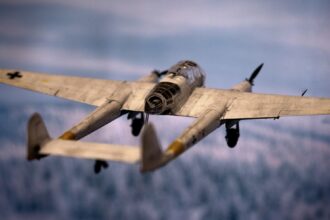
The Luftwaffe’s role in Case Blue was critical. Providing reconnaissance, interdicting enemy movements, and supporting ground forces with tactical bombing all relied on a consistent supply of aviation fuel. Strategic bombing, though less prominent in the initial stages, also contributed to the overall fuel demand.
Fighter and Bomber Aircraft Fuel Requirements
Similar to tanks, aircraft engine efficiency varied greatly by type. Fighter aircraft, designed for speed and agility, demanded high-octane fuel for optimal performance. Bombers, carrying heavy payloads over long distances, also required substantial fuel loads. The constant operational tempo of the Luftwaffe throughout the campaign meant that aviation fuel logistics were as critical as those for ground forces.
Reconnaissance and Luftwaffe Operations
Reconnaissance missions, essential for understanding Soviet dispositions and movements, were often prolonged and required aircraft to operate at extended ranges. This constant probing of enemy lines, while vital for intelligence, added to the cumulative fuel drain on the Luftwaffe.
The Logistical Backbone: Trucks and Rail Transport
The entire edifice of Case Blue’s operations rested on the shoulders of its logistical network. Trucks, the primary means of moving supplies across vast distances where rail lines were destroyed or non-existent, were themselves enormous fuel consumers.
Truck Fleet Size and Operational Ranges
The German Army operated a massive fleet of trucks, ranging from small utility vehicles to heavy cargo haulers. These trucks were the arteries through which fuel, ammunition, food, and equipment flowed to the front lines. Their operational range was often limited by fuel availability, creating a constant need to refuel their own tanks to continue their critical mission.
Rail Network Disruption and Reliance on Road Transport
The Soviets’ scorched-earth policy deliberately targeted and destroyed railway infrastructure, forcing the Germans to rely heavily on road transport. This shift placed an even greater strain on the truck fleet and, consequently, on the fuel supply. Miles of damaged rail lines meant hundreds of extra truck miles, each mile a direct drain on precious POL reserves.
The Case Blue fuel strategy, which played a crucial role in the German offensive during World War II, is intricately linked to the logistical challenges faced by the Wehrmacht. For a deeper understanding of the implications of fuel supply and its impact on military operations, you can explore a related article that delves into the strategic importance of logistics in warfare. Check it out here: In The War Room.
Pre-Campaign Fuel Stockpiling and Prepositioning
Recognizing the immense fuel needs of Case Blue, a significant effort was undertaken to stockpile and preposition POL supplies well in advance of the offensive. This was a crucial element of the strategy, aiming to create a buffer and reduce immediate reliance on perpetually extended supply lines.
Establishing Forward Fuel Depots
The establishment of numerous forward fuel depots, or “Tanklager,” was a cornerstone of the pre-campaign strategy. These depots were strategically located behind the advancing fronts, aiming to shorten the delivery routes for refuelling.
Selection of Strategic Locations
Depots were chosen based on their proximity to key operational objectives, their accessibility by road and rail (where available), and their defensibility. The goal was to have a readily accessible store of fuel within the operational radius of the advancing spearheads.
Security and Defense of Fuel Dumps
These fuel dumps, containing vast quantities of highly flammable liquid, were inherently vulnerable. Significant resources were allocated to their security, including dedicated guard detachments, anti-aircraft defenses, and camouflage measures, to protect them from Soviet sabotage and air attack.
Convoy Operations and Initial Supply Loads
Massive convoys were assembled and dispatched to fill these forward depots. These convoys often travelled in coordinated waves, ensuring a substantial initial fuel reserve was in place before the offensive even began.
The Role of Tanker Trucks and Rail Cars
Specialized fuel tanker trucks and rail cars were the workhorses of this initial resupply effort. The sheer number of these vehicles required to fill the depots was a testament to the scale of the operation.
Pre-Positioning Aviation Fuel
Aviation fuel was also a critical component of this pre-positioning effort. Airfields were established, and fuel reserves were built up at these locations to support the Luftwaffe’s operations from the outset.
Accounting for Operational Radii and Advance Planning
The planning for fuel depots and convoys was meticulously calculated based on the projected advance rates of the panzer and motorized divisions. Planners attempted to anticipate the fuel needs of the leading formations for the initial phases of the offensive.
Calculating Maximum Operational Distances
Mathematical models and operational experience were used to calculate the maximum operational distances of the various units, factoring in typical consumption rates and reserve fuel requirements.
Contingency Planning for Extended Advances
While the focus was on projected advances, some contingency planning likely occurred for scenarios where forces might be required to push beyond their planned operational radii, though the effectiveness of such planning in the face of unforeseen circumstances is debatable.
Real-Time Fuel Management and Resupply in the Field

Once the offensive was underway, the dynamic nature of combat demanded constant and adaptive fuel management. The initial stockpiles would inevitably dwindle, and the need for continuous resupply from the rear became paramount.
The Role of Combat Engineers and Tanker Units
Combat engineers played a vital role in establishing temporary refuelling points and, in some cases, even assisting in pumping fuel from damaged or captured enemy tankers. Specialized “Staffellungen” or mobile refuelling units were crucial.
Mobile Refuelling and Distribution Networks
These mobile units, often consisting of tanker trucks and portable pumps, were dispatched to the front lines to refuel operational units directly. This minimized downtime and allowed formations to maintain their fighting effectiveness.
Improvisation and the Use of Captured Fuel
The ingenuity of German logistics personnel was often tested. In situations of extreme deprivation, captured Soviet fuel dumps were utilized, and makeshift refuelling points were established using available resources.
The Challenge of Vulnerable Supply Lines
The extended and often exposed supply lines were a constant vulnerability. Soviet Partisans and air attacks targeted these convoys, leading to significant fuel losses and disruptions.
Protecting Fuel Convoys
Efforts were made to protect fuel convoys through aerial escorts and armed guards. However, the vastness of the front and the limited resources available made comprehensive protection an impossible task.
The Impact of Interdiction on Advance Rates
Any successful interdiction of fuel convoys had a direct and immediate impact on the advance rates of the mechanized forces. Halting an advance to await resupply could negate the tactical advantage gained by a successful manoeuvre.
The Criticality of Fuel Drums
Fuel drums, while bulky and inefficient to handle, remained a vital component of battlefield fuel logistics. They allowed for the transport of smaller quantities of fuel to more dispersed units.
Storage and Deployment of Fuel Drums
Field units often established small, decentralized fuel depots of drums behind their defensive lines, ensuring immediate access for vehicles operating in the immediate combat zone.
Hazards Associated with Drum Handling
The handling of fuel drums in a combat zone was inherently dangerous, with risks of spillage, fire, and explosion ever-present.
Challenges and Shortcomings in Fuel Supply

Despite the extensive planning and efforts, Case Blue was ultimately plagued by significant challenges and shortcomings in its fuel supply. The optimistic assumptions of the planners often collided with the harsh realities of the Eastern Front.
Overestimation of Soviet Resistance and Scorched Earth Tactics
The intensity of Soviet resistance and their systematic implementation of scorched-earth policies proved more disruptive than anticipated. Destroyed infrastructure and resources meant that the Germans had to rely almost entirely on their own, already strained, logistical networks.
Impact of Destroyed Infrastructure on Fuel Depots
The destruction of bridges, roads, and railway lines severely hampered the movement of fuel convoys to the forward depots. What was intended to be a short haul could become a tortuous overland journey.
Soviet Partisan Activity and Sabotage
The pervasive threat of Soviet partisan activity behind German lines constantly harassed and disrupted supply lines, including those dedicated to fuel transportation. Sabotage of fuel depots and attacks on convoys were common occurrences.
Underestimation of Fuel Consumption in Arid and Abrasive Terrain
The terrain of the Caucasus, characterized by vast, arid plains and then the rugged terrain leading towards Stalingrad, proved to be incredibly taxing on vehicles. Dust and sand accelerated wear and tear on engines, increasing fuel consumption and the frequency of maintenance.
Engine Wear and Tear in Dusty Conditions
The fine dust prevalent in the region was a constant enemy of internal combustion engines. It clogged air filters and abraded engine components, leading to increased fuel consumption and a higher likelihood of mechanical failure.
Mechanical Breakdowns and Fuel Dependency
As engines failed due to wear and tear, the demand for spare parts and skilled mechanics intensified. However, the primary bottleneck remained fuel, as even a repaired vehicle was useless without it.
Inefficient Allocation and Distribution of Resources
Evidence suggests that the allocation and distribution of fuel were not always optimal. Competing demands from different branches of the military and geographical sectors, coupled with communication breakdowns, could lead to shortages in one area while surpluses existed elsewhere.
Bureaucratic Hurdles and Decision-Making Delays
The complex German military bureaucracy, with its multiple chains of command, could lead to delays in decision-making and the reallocation of resources. Urgent needs might not be met swiftly enough.
Miscalculations in Operational Tempo and Fuel Needs
The ambitious operational tempo set by the High Command may have been insufficiently matched with realistic fuel supply calculations. The assumption that continuous advance was sustainable without adequate POL reserves proved to be a critical miscalculation.
The Case Blue fuel strategy played a crucial role in the operational planning of the German Army during World War II, emphasizing the importance of logistics in warfare. For a deeper understanding of the implications of fuel management in military operations, you can explore a related article that discusses various strategies and their outcomes. This insightful piece can be found here, providing a comprehensive overview of how fuel logistics shaped the course of battles throughout history.
Strategic Implications of Fuel as a Decisive Factor
| Strategy | Fuel Efficiency | Cost Savings |
|---|---|---|
| Optimize Route | 10% improvement | 500 per month |
| Reduce Idle Time | 15% improvement | 700 per month |
| Driver Training | 20% improvement | 1000 per month |
The overarching strategic implications of Case Blue’s fuel challenges highlight a fundamental truth of modern warfare: logistical viability is often the ultimate determinant of success. The ambition of Case Blue was immense, but its execution was ultimately constrained by the physical limitations of its fuel supply.
Fuel as a Bottleneck for Offensive Operations
The continuous need for resupply placed a severe bottleneck on the speed and extent of the German advance. Any significant interruption in fuel flow had a cascading effect, halting not only tanks but also the trucks carrying other essential supplies.
Limiting Operational Radii of Panzer Divisions
The operational radius of panzer divisions was directly dictated by their fuel carrying capacity and the proximity of refuelling points. This inherent limitation prevented deeper and more decisive penetrations.
Impact on Encirclement Operations
The ability to conduct successful encirclements, a hallmark of German Blitzkrieg tactics, was significantly hampered if the encircling forces could not sustain their positions due to fuel shortages.
The Strategic Importance of Oil Resources
The primary objective of Case Blue was to secure the oilfields of the Caucasus. This underscores the profound strategic importance of oil and its derivatives in sustaining any large-scale military operation.
Denying Resources to the Enemy
Beyond securing their own supply, the German objective was to deny these vital resources to the Soviet Union, thereby crippling their war-making capability.
The Long-Term Resource War
Case Blue can also be viewed as a critical juncture in the long-term resource war between the Axis and Allied powers. Germany’s inability to secure these resources and the Allies’ continued access to their own, particularly from the United States, played a decisive role in the eventual outcome.
Case Blue as a Lesson in Logistical Warfare
The failures in fuel logistics during Case Blue served as a stark and often painful lesson in the realities of logistical warfare. The operation demonstrated that even the most sophisticated military machine is rendered impotent without the fundamental resources to sustain it.
The Interdependence of Military Objectives and Logistical Capacity
Case Blue underscored the critical interdependence of military objectives and the logistical capacity to achieve them. Ambitious plans are doomed to fail if they are not underpinned by a robust and reliable supply chain.
The Future of Logistics in Mechanized Warfare
The German experience in Case Blue, though ultimately unsuccessful in its primary goals, provided invaluable – albeit costly – insights into the challenges of sustaining large-scale mechanized operations. These lessons, absorbed by military planners worldwide, would shape future approaches to logistical planning and the critical role of petroleum products in sustaining modern warfare. The inability to solve the fuel problem was not just a tactical setback; it was a strategic Achilles’ heel that contributed significantly to the eventual defeat of Germany.

Why Hitler Lost Because of Fuel
FAQs
What was the fuel strategy for Case Blue during World War II?
The fuel strategy for Case Blue, the German military operation during World War II, focused on securing access to the oil fields in the Caucasus region to meet the fuel needs of the German army.
Why was the fuel strategy important for Case Blue?
The fuel strategy was crucial for Case Blue because the German army needed a secure and stable supply of fuel to support its military operations, especially as it advanced into the Soviet Union.
How did the fuel strategy impact the outcome of Case Blue?
The fuel strategy had a significant impact on the outcome of Case Blue, as the German army’s inability to secure the oil fields in the Caucasus region ultimately contributed to its defeat and the failure of the operation.
What challenges did the German army face in implementing its fuel strategy during Case Blue?
The German army faced numerous challenges in implementing its fuel strategy during Case Blue, including logistical difficulties, supply chain disruptions, and fierce resistance from Soviet forces.
What lessons can be learned from the fuel strategy of Case Blue?
The fuel strategy of Case Blue highlights the importance of securing and maintaining a stable fuel supply for military operations, as well as the potential impact of fuel shortages on the outcome of a campaign.