The frigid waters of the Cold War served as a battleground not only for overt military might but also for a silent, invisible war of information. Beneath the waves, Soviet submarines, once envisioned as instruments of naval supremacy, took on a new, clandestine role: that of silent spies. “Operation Kama,” a codename that evokes the shadows of secrecy and the vastness of the ocean, represents a critical chapter in this undercurrent of espionage, revealing the lengths to which the Soviet Union went to glean vital intelligence from its adversary, the United States. This operation, shrouded in a veil of classified documents and hushed testimonies, illuminated the sophisticated and often audacious methods employed by Soviet submariners in the relentless pursuit of strategic advantage.
The Soviet Union’s submarine fleet, particularly its nuclear-powered ballistic missile submarines (SSBNs) and attack submarines (SSNs), was a cornerstone of its military strategy during the Cold War. These vessels, often designed with stealth and endurance in mind, posed a significant threat to NATO naval power and projected Soviet influence across the globe. However, their capabilities extended far beyond mere deterrence or offensive action. The inherent stealth and mobility of submarines made them ideal platforms for intelligence gathering, a role that “Operation Kama” would come to exemplify.
A Technological Arms Race Beneath the Waves
The Cold War was characterized by an intense technological arms race, and the underwater domain was no exception. Both the United States and the Soviet Union poured vast resources into developing increasingly sophisticated submarines, sonar systems, and counter-espionage technologies. For the Soviets, submarines offered a unique advantage: the ability to operate unseen in close proximity to vital American naval bases and communication hubs.
The Evolution of Soviet Submarine Design
From the early diesel-electric boats of the post-World War II era to the advanced, nuclear-powered Typhoon-class submarines, Soviet designers continuously pushed the boundaries of underwater technology. Their designs often prioritized speed, depth capability, and acoustic quieting, all crucial elements for successful espionage missions. The quest for silence was paramount, as an undetected submarine could gather intelligence for extended periods without raising suspicion.
The Crucial Role of Acoustics
Sonar technology played a pivotal role in the naval Cold War. Both sides invested heavily in developing passive and active sonar systems to detect, identify, and track enemy submarines. For Soviet submariners on “Operation Kama,” understanding and evading these detection systems was a constant challenge, requiring meticulous adherence to stealth protocols and the exploitation of acoustic blind spots.
The Strategic Imperative: Why Espionage from Submarines?
The Soviet Union was acutely aware of the technological and strategic advantages held by the United States. Gathering intelligence on American naval movements, weapon systems, and communication capabilities was not merely a matter of curiosity but a critical necessity for maintaining strategic parity and anticipating potential threats. Submarines offered a unique and relatively safe platform from which to conduct such operations.
Gathering Intelligence on Naval Assets
One of the primary objectives of submarine-based espionage was to monitor the movements and capabilities of the U.S. Navy. This included tracking aircraft carriers, destroyers, and other warships, as well as understanding their operational patterns and deployments. Such information was invaluable for planning Soviet naval operations and for assessing the overall strength of the American fleet.
Intercepting Communications
Submarines, positioned discreetly near major naval bases or along transatlantic communication cables, could also serve as listening posts for intercepting sensitive radio and cable communications. This intelligence could reveal troop movements, diplomatic negotiations, or crucial strategic decisions made by the U.S. government.
Operation Kama, which involved Soviet submarines during the Cold War, is a fascinating topic that highlights the strategic naval maneuvers of the era. For those interested in exploring more about the intricate operations and tactics employed by Soviet forces, a related article can be found at this link: In The War Room. This resource provides in-depth analysis and insights into various military strategies, including the role of submarines in global conflicts.
“Operation Kama”: The Genesis of a Covert Mission
“Operation Kama,” while its precise details remain largely classified, represents a significant, albeit clandestine, effort by the Soviet Union to leverage its submarine fleet for intelligence gathering against the United States. The operation likely involved a series of carefully planned missions, executed by highly trained crews operating under extreme secrecy. The choice of the name “Kama” itself, potentially referring to a Russian river, hints at a flowing, deep, and perhaps hidden element, mirroring the nature of submarine operations.
The Strategic Context of Operation Kama
The early to mid-Cold War period was marked by heightened tensions and a constant scramble for information. The Soviet Union, often lagging behind the U.S. in certain technological areas, sought to close the intelligence gap through bold and innovative means. “Operation Kama” was likely a response to this imperative, aiming to provide Moscow with crucial insights into American military plans and capabilities.
The Need for Real-Time Intelligence
As the Cold War evolved, the need for real-time or near-real-time intelligence became increasingly critical. Conventional intelligence gathering methods, such as human intelligence or reconnaissance satellites, could be slow and vulnerable. Submarines offered the potential for discreet, persistent surveillance in areas that were difficult to access by other means.
Exploiting Strategic Vulnerabilities
The U.S. Navy operated extensively in international waters, but its bases and communication networks were also vital arteries of its power projection. “Operation Kama” likely targeted these vulnerabilities, seeking to gain an intimate understanding of how the U.S. Navy operated and communicated, both at sea and in port.
The Nature of the Mission
Details surrounding the exact objectives and methods of “Operation Kama” are scarce, a testament to its covert nature. However, by piecing together available information and understanding the capabilities of Soviet submarines of the era, one can infer the likely scope of the operation. It was not a single, isolated event, but rather a sustained campaign of intelligence gathering.
Surveillance of Naval Bases
A key objective would have been the close-range surveillance of U.S. naval bases. Submarines could loiter in nearby waters, using advanced sonar and electronic intelligence equipment to monitor ship movements, listen to communications emanating from shore, and even observe personnel activities.
Acoustic Intelligence Gathering
The soundscape of the ocean is a rich tapestry of information. “Operation Kama” likely involved extensive acoustic intelligence gathering, recording the unique sonic signatures of U.S. naval vessels and equipment. This data would have been invaluable for improving Soviet sonar capabilities and for identifying American ships in future encounters.
The Submariners of Operation Kama: Masters of the Deep and the Shadow

The success of “Operation Kama” hinged entirely on the skill, bravery, and discipline of the Soviet submariners involved. These were not ordinary sailors; they were highly trained individuals, entrusted with some of the Soviet Union’s most sensitive missions, operating in an environment that was both technologically demanding and psychologically taxing.
Rigorous Training and Selection
Soviet submariners underwent extensive and rigorous training, often beginning at a young age. Selection for specialized espionage missions would have been even more stringent, favoring individuals with exceptional technical aptitude, psychological resilience, and a deep understanding of naval tactics and electronic warfare.
Mastering Acoustic Stealth
The core of any submarine espionage mission is stealth. Submariners on “Operation Kama” would have been trained to minimize their vessel’s acoustic signature to an absolute minimum. This involved precise control of speed, ballast, and machinery, as well as the careful management of internal noise.
Electronic Warfare and Evasion
Beyond acoustic stealth, the submariners also had to be adept at electronic warfare, including jamming enemy radar and sonar, and evading detection systems. This required a deep understanding of the adversary’s technological capabilities and the ability to react quickly and decisively.
The Psychological Toll of Covert Operations
Operating on extended missions, deep beneath the ocean’s surface, far from home, and under constant threat of detection, placed immense psychological pressure on the crews. The isolation, the confinement, and the inherent danger were significant factors.
The Isolation of the Deep
The vastness of the ocean can be both awe-inspiring and suffocating. For submariners on long-duration missions, the isolation from the outside world could be profound. Maintaining morale and mental well-being was a critical aspect of operational readiness.
The Constant Threat of Detection
Every moment spent on “Operation Kama” was a dance with discovery. The knowledge that a single mistake could lead to catastrophic consequences, including the loss of the submarine and its crew, created a constant undercurrent of tension.
Technological Prowess: The Tools of the Trade
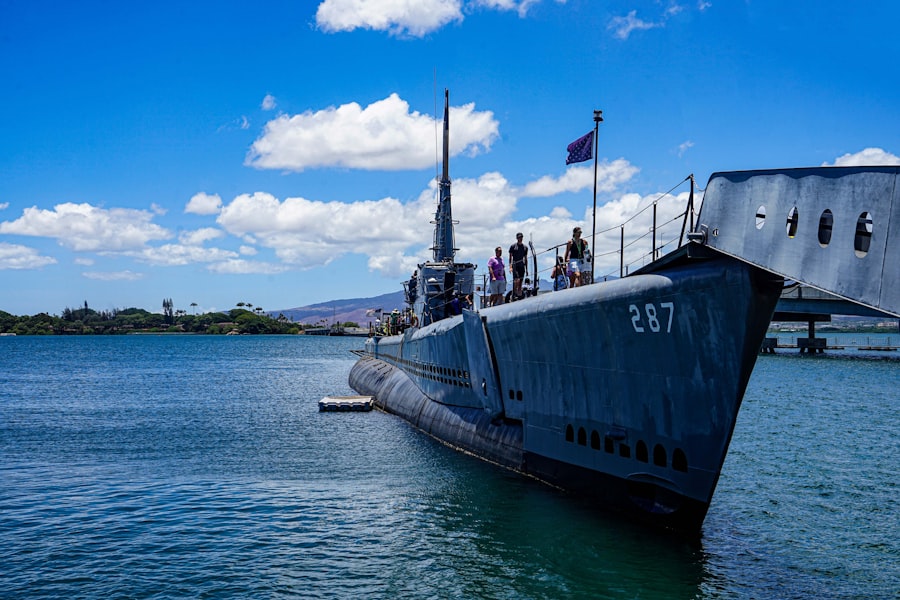
“Operation Kama” was not just about human skill; it was also about the sophisticated technology that equipped the Soviet submarines. These vessels were fitted with advanced intelligence-gathering equipment, allowing them to operate effectively as mobile espionage platforms.
Advanced Sonar and Listening Devices
The primary tools for intelligence gathering were the submarines’ sonar systems and specialized listening devices. These allowed them to detect and analyze the sounds of other vessels, as well as to intercept radio communications.
Passive Sonar: The Silent Ear
Passive sonar, which detects sound without emitting its own, was crucial for maintaining stealth. Soviet submarines would have employed sophisticated passive sonar arrays to listen for the telltale sounds of U.S. naval activity, cataloging their acoustic signatures for later identification.
Electronic Intelligence (ELINT) Systems
Beyond acoustic signals, Soviet submarines were equipped with Electronic Intelligence (ELINT) systems designed to intercept and analyze electromagnetic emissions. This could include radar signals, radio communications, and other forms of electronic emanations from U.S. naval vessels and shore installations.
Navigation and Positioning Systems
Precise navigation and positioning were essential for “Operation Kama” missions. Submarines needed to maintain their course and depth accurately, often in challenging underwater environments, to remain undetected and to reach their designated intelligence-gathering areas.
Inertial Navigation Systems (INS)
Inertial Navigation Systems provided a self-contained method for calculating a submarine’s position and velocity without external references. These systems were crucial for operating in areas where GPS signals might be jammed or unavailable.
Sonar Navigation Techniques
In addition to INS, Soviet submariners would have employed various sonar-based navigation techniques, using the seabed topography and known underwater features to refine their position and to avoid collisions.
Operation Kama, which involved Soviet submarines during the Cold War, has been a topic of interest for military historians and enthusiasts alike. For those looking to delve deeper into the intricacies of submarine warfare and its impact on global politics, a related article can be found on the subject. This article provides valuable insights and analysis that complement the understanding of Operation Kama. You can read more about it in this detailed exploration of submarine operations and their historical significance.
The Legacy of Operation Kama: A Shadow in History
| Submarine Type | Number of Submarines | Deployment Date | Mission Duration |
|---|---|---|---|
| Whiskey-class | 6 | October 1962 | 2 weeks |
| Foxtrot-class | 4 | November 1962 | 3 weeks |
| Zulu-class | 2 | December 1962 | 1 week |
The full impact and precise outcomes of “Operation Kama” may never be fully known due to the classified nature of such operations. However, its existence highlights the sophisticated and multifaceted nature of Cold War espionage. It underscores the crucial role that submarines played, not just as instruments of war, but as vital platforms for gathering intelligence that shaped strategic decisions and influenced the delicate balance of power.
The Unseen Contribution to Soviet Strategy
While direct attribution is difficult, the intelligence gathered during “Operation Kama” likely contributed significantly to the Soviet Union’s understanding of U.S. naval capabilities, force deployments, and technological advancements. This knowledge would have informed Soviet military planning, naval exercises, and diplomatic strategies.
Shaping Naval Doctrine
The insights gained from submarine espionage could have influenced the development of Soviet naval doctrine, leading to adjustments in submarine design, operational tactics, and counter-detection strategies.
Informing Strategic Deterrence
By understanding the capabilities and intentions of the U.S. Navy, Soviet strategists could better assess the effectiveness of their own strategic deterrence. This intelligence was vital for maintaining a credible nuclear deterrent and for navigating the complex dynamics of nuclear brinkmanship.
The Enduring Mystery and the Dawn of a New Era
“Operation Kama” remains a testament to the enduring mystery of the Cold War. The vast amount of classified information surrounding such operations continues to be a subject of historical research and speculation. As the Cold War concluded, the nature of submarine espionage evolved, with new technologies and new geopolitical landscapes emerging. However, the lessons learned from operations like “Kama” continue to inform modern intelligence gathering, emphasizing the enduring importance of the silent, unseen battlefield beneath the waves.
The Challenge of Declassification
The slow and often selective process of declassifying historical documents means that many secrets of “Operation Kama” may remain hidden for decades to come. The release of any new information could shed further light on the specific objectives, successes, and failures of this remarkable covert operation.
The Evolution of Underwater Espionage
The technological advancements in submarine design, sonar, and electronic intelligence since the Cold War have undoubtedly transformed the landscape of underwater espionage. However, the fundamental principles of stealth, persistence, and the pursuit of critical intelligence remain as relevant today as they were during the tense years of “Operation Kama.” The silent hunters of the deep continue their vigil, a testament to the enduring strategic importance of the underwater domain.
The U.S. Navy Didn’t Know This Submarine Had a Nuclear Torpedo
FAQs
What was Operation Kama?
Operation Kama was a Soviet naval operation during World War II, aimed at disrupting German supply lines in the Arctic Ocean. It involved the deployment of Soviet submarines to attack German convoys.
When did Operation Kama take place?
Operation Kama took place between 1943 and 1945, during the later years of World War II. The Soviet submarines targeted German convoys supplying the Axis forces in northern Norway.
How successful was Operation Kama?
Operation Kama achieved some success in disrupting German supply lines in the Arctic Ocean. Soviet submarines managed to sink several German ships and disrupt their convoy operations, contributing to the overall Allied effort in the region.
What were the key objectives of Operation Kama?
The key objectives of Operation Kama were to disrupt German supply lines, hinder their ability to reinforce their forces in northern Norway, and to support the overall Allied effort in the Arctic Ocean.
What impact did Operation Kama have on the outcome of World War II?
Operation Kama, along with other Soviet naval operations in the Arctic, contributed to the overall Allied effort in the region. By disrupting German supply lines, it helped weaken the Axis forces and ultimately contributed to the Allied victory in World War II.