The world teetered on the precipice of nuclear annihilation. For thirteen days in October 1962, the United States and the Soviet Union engaged in a high-stakes standoff over the placement of Soviet nuclear missiles in Cuba, a mere 90 miles from American shores. This chilling episode, known as the Cuban Missile Crisis, brought humanity closer than ever to a catastrophic conflict. Yet, behind the scenes, a clandestine operation, codenamed “Operation Kama,” played a crucial, albeit often overlooked, role in de-escalating the crisis and ultimately paving the way for its resolution. This is the story of Operation Kama, the secret negotiations that averted global war.
The discovery of Soviet missile sites in Cuba by U.S. reconnaissance planes in mid-October 1962 sent shockwaves through the American government and the public. The implications were stark and terrifying. These intermediate-range ballistic missiles (IRBMs) and medium-range ballistic missiles (MRBMs) could deliver nuclear warheads to major U.S. cities with little to no warning time. The immediate response was a naval blockade, or “quarantine,” of Cuba, a bold move that risked direct confrontation with Soviet ships.
The Brinkmanship of Two Superpowers
President John F. Kennedy and Soviet Premier Nikita Khrushchev found themselves locked in a dangerous game of nuclear brinkmanship. The stakes were unimaginably high, and miscalculation or escalation could trigger a chain reaction leading to a full-scale nuclear exchange. The world watched with bated breath, as diplomatic channels, though open, seemed strained to their breaking point.
The Urgency of Diplomatic Channels
While public discourse and military posturing dominated headlines, a desperate effort was underway to find a peaceful resolution. The establishment of direct communication lines, however fragile, was paramount. The crisis underscored the need for clear and consistent communication between the leaders of the superpowers, especially during times of extreme tension.
The Specter of Mutually Assured Destruction (MAD)
The Cuban Missile Crisis served as a brutal, real-world demonstration of the doctrine of Mutually Assured Destruction (MAD). Both the United States and the Soviet Union possessed enough nuclear weapons to obliterate each other, and indeed, much of the planet. The knowledge that a first strike would inevitably lead to devastating retaliation acted as a powerful deterrent, but also amplified the terror of the situation.
The Psychological Toll of Nuclear Threat
The constant threat of nuclear war had a profound psychological impact on leaders and citizens alike. The possibility of global annihilation cast a dark shadow over daily life, fostering anxiety and a deep-seated fear of the future. This underlying tension fueled the urgency to find a peaceful conclusion.
Operation Kama, a covert initiative during the Cuban Missile Crisis, highlights the intense geopolitical tensions of the early 1960s. For a deeper understanding of the strategic maneuvers and the broader implications of this critical period, you can explore a related article that delves into the intricacies of the crisis and its lasting impact on U.S.-Cuba relations. To read more, visit this article.
Operation Kama: The Unseen Hand of Diplomacy
While the public focused on the blockade and the dramatic pronouncements, a secret backchannel was being meticulously cultivated. This clandestine operation, known as Operation Kama, involved a series of discreet meetings and communications between intermediaries acting on behalf of President Kennedy and Premier Khrushchev. The goal was to explore avenues for compromise and de-escalation away from the glare of public scrutiny and the pressures of public opinion.
The Role of Secret Emissaries
Operation Kama relied on the courage and discretion of individuals willing to act as go-betweens. These were not official diplomats in the traditional sense, but rather trusted individuals with the confidence of their respective leaders. Their ability to communicate frankly and without the constraints of formal protocol was crucial.
The Delicate Dance of Trust
Establishing trust between these secret emissaries was a painstaking process. Each side was inherently suspicious of the other, and past betrayals and propaganda fueled this distrust. The success of Operation Kama hinged on the ability of these individuals to bridge this chasm of suspicion and to foster a degree of mutual understanding.
The Initial Overtures and Their Significance
The genesis of Operation Kama can be traced to early, tentative overtures made by both sides. These were not formal proposals but rather subtle signals aimed at gauging the other’s willingness to negotiate. The very act of engaging in such secret discussions, away from the public eye, signaled a shared desire to avoid a catastrophic outcome.
Exploring the Parameters of a Deal
The initial stages of Operation Kama involved a careful exploration of what each side might be willing to concede. This was a delicate balancing act, as any perceived weakness or excessive demand could derail the entire effort. The emissaries had to be adept at understanding the underlying motivations and red lines of their counterparts.
The Compromise Framework: Missiles for Promises
The core of Operation Kama’s success lay in its ability to forge a compromise framework that addressed the primary concerns of both superpowers. The U.S. demanded the removal of the Soviet missiles from Cuba, while the Soviets sought assurances regarding Cuba’s security and the removal of American Jupiter missiles from Turkey, which were perceived as a direct threat.
The Cuban Missile Conundrum
The presence of Soviet missiles in Cuba was the immediate trigger of the crisis. For the United States, this was an unacceptable strategic shift that fundamentally altered the balance of power. The pressure on President Kennedy to act decisively was immense, and the public clamor for a strong response was palpable.
The Strategic Imperative for the Soviets
From the Soviet perspective, placing missiles in Cuba was a defensive measure aimed at deterring a potential U.S. invasion of the island and at redressing the strategic imbalance created by U.S. missile bases in Turkey. Khrushchev saw it as a necessary move to protect a socialist ally and to gain leverage against the United States.
The Turkish Missile Concession
The Soviet demand for the removal of U.S. Jupiter missiles from Turkey proved to be a critical element in the eventual resolution. While this aspect of the deal was initially kept secret from the American public, it was a significant concession made by President Kennedy. These missiles, though aging and arguably less effective than newer systems, were a clear provocation to the Soviet Union.
The Dual Nature of the Agreement
The resolution of the Cuban Missile Crisis was, therefore, a dual agreement. Publicly, the Soviets agreed to remove their missiles from Cuba, and the U.S. pledged not to invade Cuba. Secretly, the U.S. also agreed to withdraw its Jupiter missiles from Turkey. This two-tiered approach allowed both leaders to claim a victory, albeit with different audiences.
The Role of Robert Kennedy and Anatoly Dobrynin
A pivotal element of Operation Kama involved the direct engagement between U.S. Attorney General Robert F. Kennedy, the President’s brother and closest confidant, and Soviet Ambassador to the United States Anatoly Dobrynin. Their clandestine meetings, often held at night, became a crucial conduit for direct, unvarnished communication between the two leaders.
The Attorney General as Emissary
Robert Kennedy’s unique position within the administration and his close relationship with his brother made him an ideal choice for this sensitive role. He possessed the authority to speak with conviction and to convey the gravity of the situation to the Soviet Ambassador. His direct access to President Kennedy ensured that messages were delivered and understood without delay.
The Weight of Brotherly Counsel
The trust between John and Robert Kennedy was profound. This allowed Robert to convey his father’s, and by extension the nation’s, anxieties and resolve to his brother. He acted as a sounding board, a strategist, and a relentless advocate for a peaceful solution.
The Ambassador as Soviet Voice
Anatoly Dobrynin, as the Soviet Ambassador, held a position of immense influence. He was a seasoned diplomat, privy to the highest levels of Soviet decision-making, and understood the nuances of Khrushchev’s thinking. His meetings with Robert Kennedy provided a direct line to the Kremlin, bypassing the usual bureaucratic channels.
The Art of Soviet Diplomacy
Dobrynin’s ability to convey Soviet intentions and concerns accurately, while also navigating the complexities of Cold War diplomacy, was critical. He was tasked with persuading Khrushchev to accept the terms of the deal and to ensure that the Soviet Union adhered to its commitments.
Operation Kama, a significant aspect of the Cuban Missile Crisis, highlights the intricate maneuvers and decisions made during this tense period in history. For those interested in exploring the broader implications of the crisis and its impact on international relations, a related article can provide valuable insights. You can read more about the geopolitical ramifications of the Cuban Missile Crisis in this informative piece found here. Understanding these events helps to contextualize the strategic choices made by world leaders at the time.
The Aftermath and Legacy of Operation Kama
| Operation Kama Cuban Missile Crisis | |
|---|---|
| Start Date | October 16, 1962 |
| End Date | November 20, 1962 |
| Location | Cuba |
| Objective | To remove Soviet nuclear missiles from Cuba |
| Key Figures | John F. Kennedy, Nikita Khrushchev |
| Outcome | Soviets agreed to remove missiles in exchange for US pledge not to invade Cuba |
The successful resolution of the Cuban Missile Crisis, facilitated by Operation Kama, had profound implications for the Cold War. It ushered in a period of cautious détente and led to the establishment of direct communication lines between the superpowers, most notably the Moscow-Washington hotline.
The Moscow-Washington Hotline
The establishment of the “red telephone” or Moscow-Washington hotline in 1963 was a direct consequence of the crisis. This direct communication link was designed to prevent future misunderstandings and to allow for rapid communication during times of heightened tension. It symbolized a newfound recognition of the need for crisis management.
A Direct Line to De-escalation
The hotline provided a crucial tool for leaders to communicate directly and instantaneously, reducing the risk of misinterpretation or delay that could escalate a crisis. It was a tangible symbol of the lessons learned from the brink of nuclear war.
A World Less Afraid, Yet Still Wary
While the immediate threat of nuclear war receded, the underlying tensions of the Cold War persisted. The Cuban Missile Crisis did not end the ideological struggle between the U.S. and the USSR, but it did foster a greater appreciation for the catastrophic consequences of nuclear conflict.
The Enduring Shadow of Nuclear Weapons
Despite the resolution, the existence of nuclear weapons remained a grim reality. The crisis served as a stark reminder of the destructive power humanity possessed and the imperative to find ways to manage and ultimately disarm these arsenals.
The Importance of Secret Diplomacy
Operation Kama stands as a testament to the power of discreet, behind-the-scenes diplomacy. While public posturing and military displays are often unavoidable in international relations, the ability to engage in private, frank discussions can be instrumental in finding common ground and averting disaster.
The Unsung Heroes of Peace
The individuals involved in Operation Kama, though largely unknown to the public, were instrumental in safeguarding global peace. Their courage, discretion, and diplomatic acumen allowed for the unraveling of a crisis that could have plunged the world into darkness. The story of Operation Kama reminds us that even in the most dire of circumstances, the pursuit of peace can prevail through quiet determination and skillful negotiation. The echoes of those thirteen days in October 1962 continue to serve as a potent reminder of humanity’s capacity for both destruction and survival, and the vital importance of those who work in the shadows to ensure the latter.
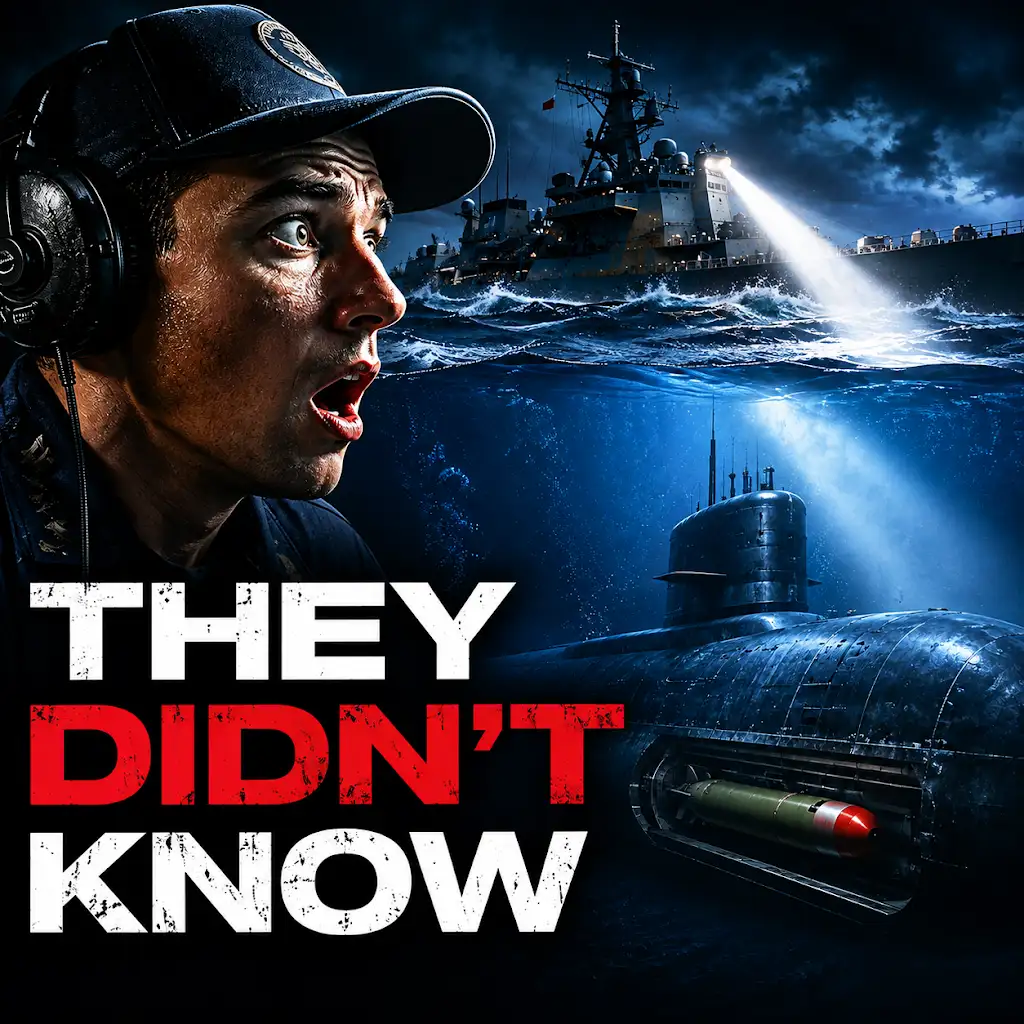
The U.S. Navy Didn’t Know This Submarine Had a Nuclear Torpedo
FAQs
What was Operation Kama during the Cuban Missile Crisis?
Operation Kama was the codename for the United States’ plan to conduct low-level reconnaissance flights over Cuba to gather intelligence on the Soviet missile sites during the Cuban Missile Crisis in 1962.
What was the purpose of Operation Kama?
The purpose of Operation Kama was to gather photographic evidence of the Soviet missile sites in Cuba, which would help the United States assess the threat and make informed decisions about how to respond to the crisis.
Who was involved in Operation Kama?
Operation Kama was carried out by the United States Air Force, specifically the 4080th Strategic Reconnaissance Wing, which used U-2 spy planes to conduct the reconnaissance flights over Cuba.
What were the results of Operation Kama?
Operation Kama provided crucial photographic evidence of the Soviet missile sites in Cuba, which confirmed the presence of nuclear missiles and allowed the United States to take decisive action to address the crisis.
How did Operation Kama contribute to the resolution of the Cuban Missile Crisis?
The intelligence gathered through Operation Kama played a significant role in the resolution of the Cuban Missile Crisis, as it informed the U.S. government’s decision-making and ultimately led to the removal of the Soviet missiles from Cuba, thereby averting a potential nuclear conflict.