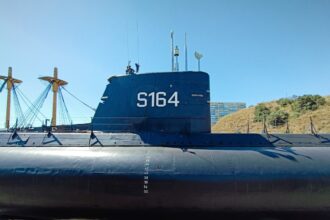
Operation Ivy Bells stands as a testament to the ingenuity and high-stakes espionage waged during the Cold War. This clandestine mission, born from the fervent desire for intelligence supremacy, saw the United States Navy and the National Security Agency (NSA) secretly tap into Soviet underwater communication cables in the Sea of Okhotsk. It unfolded as a silent battle beneath the waves, a technological chess match where every move held profound implications for global security.
The origins of Operation Ivy Bells can be traced to the late 1960s, a period marked by intense geopolitical tension and a relentless quest for actionable intelligence. The Soviet Union, a formidable adversary, maintained a communication network that was largely opaque to Western intelligence agencies. However, a critical vulnerability was identified: their underwater communication cables.
Identifying the Target: A Strategic Imperative
The Sea of Okhotsk, a vast expanse of water bordered by the Soviet Far East, became the focal point of this audacious plan. It was known that the Soviet Pacific Fleet, a crucial component of their military might, relied on undersea cables to transmit vital communications between its bases on the Kamchatka Peninsula and the mainland. These lines, unlike their transatlantic counterparts, were believed to be unencrypted, representing a golden opportunity for intelligence gathering.
The Technological Hurdle: Reaching the Unreachable
Submarine cable tapping was, at the time, an unprecedented technological challenge. It required specialized equipment capable of locating, accessing, and recording signals from cables lying thousands of feet beneath the ocean’s surface. The development of such technology was a painstaking process, demanding significant resources and the expertise of numerous engineers and scientists. It was a race against the technological clock, a silent competition to out innovate the adversary.
The Role of the USS Halibut: A Submarine Transformed
The USS Halibut (SSN-587), a nuclear-powered attack submarine, became the unlikely star of this underwater drama. Initially designed for missile deployment, the Halibut underwent extensive modifications to become a dedicated special operations platform. It was stripped of its missile tubes and outfitted with a massive bow compartment capable of housing a deep-sea submersible, an advanced dive lockout chamber, and sophisticated cable-tapping equipment. Imagine, if you will, transforming a weapon of war into a meticulous instrument of intelligence gathering – a surgical tool instead of a blunt instrument.
For those interested in delving deeper into the fascinating history of Operation Ivy Bells, a related article can be found at In The War Room. This article provides an insightful analysis of the operation’s strategic significance during the Cold War, exploring the technological advancements and espionage tactics that defined this covert mission. It offers a comprehensive overview of the geopolitical context in which Operation Ivy Bells was conducted, making it a valuable resource for anyone looking to understand the complexities of underwater surveillance and intelligence gathering during that era.
The First Unblinking Eye: Deployment and Initial Success
With the USS Halibut modified and equipped, and the crew meticulously trained, Operation Ivy Bells moved from planning to execution. The stakes were extraordinarily high. Discovery would mean not just a diplomatic crisis, but potentially a direct confrontation.
Navigating Hostile Waters: A Test of Skill and Fortitude
The Sea of Okhotsk was not merely a body of water; it was a heavily guarded Soviet frontier. Soviet naval patrols, anti-submarine warfare exercises, and sophisticated sonar arrays created a formidable defensive perimeter. The Halibut’s crew had to operate with extreme caution, navigating treacherous currents and avoiding detection at all costs. Every ping of Soviet sonar was a heart-stopping moment, a potential harbinger of discovery.
Tapping the Cable: A Technical Masterpiece
Upon locating the target cable, the most delicate and critical phase of the operation began. Special submersibles, launched from the Halibut’s deep-sea hangar, would descend to the ocean floor. Divers, operating in extreme depths and under immense pressure, would then carefully attach a highly specialized tapping device to the cable. This device, referred to as a “pod,” was designed to inductively monitor the electrical signals passing through the cable without physically severing or damaging it, thereby minimizing the risk of detection. It was akin to listening to a conversation through a wall, capturing every nuance without ever entering the room.
The “Pod” – A Marvel of Covert Engineering
The tapping device itself was a triumph of covert engineering. It was self-contained, powered by a radioisotope thermoelectric generator (RTG) for extended operational life, and designed to record all communications on magnetic tape. These tapes would then be retrieved periodically by the Halibut during subsequent missions. The entire process was designed to be as unobtrusive as possible, leaving no trace of its presence.
The Expansion and Evolution of Ivy Bells

The initial success of Operation Ivy Bells quickly led to its expansion. The intelligence garnered from the first tapped cable proved invaluable, providing unprecedented insights into Soviet naval operations, submarine movements, and strategic intentions. The thirst for more information became insatiable.
More Cables, More Targets: The Growing Network
Inspired by the breakthroughs, the project expanded to target additional Soviet communication cables, not just in the Sea of Okhotsk, but in other strategic locations as well. The USS Halibut, and later other modified submarines like the USS Parche (SSN-683) and USS Richard B. Russell (SSN-687), became silent hunters, deploying pods across a wider network of Soviet communications. Each new tap was a new window into the adversary’s thought process, a fresh stream of intelligence flowing directly into Washington D.C.
Technological Advancements: Streaming Intelligence in Real-Time
As technology progressed, so too did the capabilities of Operation Ivy Bells. Later iterations of the tapping devices were equipped with sophisticated transmitters that could relay data directly to the orbiting NSA listening satellites. This eliminated the need for periodic physical retrieval of tape, transforming the operation into a near real-time intelligence stream. Imagine, if you will, the ability to listen to your opponent’s every whisper, every planned move, as they speak it. This was the power of the evolved Ivy Bells.
Counterintelligence Measures and Evasion Tactics
The Soviets were not entirely oblivious to the possibility of underwater espionage. They employed various counterintelligence measures, including regular sweeps of suspected cable locations and enhanced anti-submarine warfare patrols. The American submarines, in turn, developed sophisticated evasion tactics, utilizing advanced sonar dodging techniques and maintaining extreme operational secrecy. It was a constant game of cat and mouse, played out in the silent depths of the ocean, with the fate of nations hanging in the balance.
The Unmasking: Aldrich Ames and the End of an Era

Operation Ivy Bells, despite its profound success and unwavering secrecy, was ultimately compromised. The betrayal came not from Soviet technological prowess, but from within the very heart of American intelligence.
The Treachery of Aldrich Ames: A Fatal Leak
Aldrich Ames, a high-ranking CIA officer, became a KGB mole in the mid-1980s. Driven by greed and resentment, Ames systematically betrayed numerous American intelligence operations and assets, including, most devastatingly, Operation Ivy Bells. He provided the Soviets with comprehensive details of the tapping operation, including the locations of the pods, the technical specifications, and the modus operandi of the American submarines. His actions were a dagger thrust into the heart of American intelligence.
The Soviet Response: From Detection to Retrieval
Armed with Ames’s intelligence, the Soviets launched a targeted operation to locate and retrieve the tapping devices. They successfully recovered several of the pods, providing them with invaluable insights into American intelligence capabilities and methods. This was a significant propaganda coup for the Soviets and a severe blow to American intelligence. The years of meticulous planning, daring execution, and invaluable intelligence gathering were undone by a single act of betrayal.
The Aftermath: Assessing the Damage and Reshaping Strategy
The compromise of Operation Ivy Bells sent shockwaves through the American intelligence community. It led to intense investigations, a reevaluation of security protocols, and a profound sense of introspection. The damage was extensive, forcing a re-assessment of intelligence gathering methodologies and a renewed focus on counterintelligence. It was a painful lesson learned, a stark reminder of the fragile nature of secrecy and the devastating impact of betrayal.
The history of Operation Ivy Bells reveals the intricate espionage efforts during the Cold War, showcasing how the United States sought to gather intelligence on Soviet submarine communications. For those interested in a deeper exploration of the tactics and technologies used in underwater surveillance, a related article can provide valuable insights into the broader context of military operations during that era. You can read more about these fascinating developments in the article available here.
The Enduring Legacy of Operation Ivy Bells
| Metric | Details |
|---|---|
| Operation Name | Operation Ivy Bells |
| Time Period | 1971 – 1981 |
| Location | Sea of Okhotsk, near Soviet Union naval communication cables |
| Objective | Tap underwater Soviet military communication cables |
| Agency Involved | United States National Security Agency (NSA) |
| Method | Underwater tapping device installed on Soviet communication cables |
| Duration of Operation | Approximately 10 years |
| Discovery | Compromised in 1981 after a former NSA employee sold information to the Soviet Union |
| Significance | One of the most successful underwater espionage operations during the Cold War |
Despite its eventual compromise, Operation Ivy Bells stands as one of the most audacious and successful intelligence operations of the Cold War. Its impact on intelligence gathering methodologies and its lessons for future operations remain profound.
A Pioneering Feat of Technical Espionage
Operation Ivy Bells pioneered the field of underwater cable tapping, proving the feasibility of such complex operations and paving the way for future technical intelligence gathering endeavors. It demonstrated the power of combining advanced technology with daring human ingenuity to penetrate even the most secure communication networks. It was a foundational stone in the architecture of modern signals intelligence.
Unprecedented Insights into the Soviet Union
For over a decade, Operation Ivy Bells provided the United States with an unparalleled window into Soviet military operations, strategic planning, and technological advancements. The intelligence gathered was instrumental in informing American foreign policy, military strategy, and arms control negotiations. It was a strategic advantage that provided a clearer picture of an otherwise opaque adversary.
Lessons in Secrecy and Counterintelligence
The ultimate compromise of Ivy Bells underscored the critical importance of internal security and counterintelligence. It highlighted the devastating impact of insider threats and the constant need for vigilance within intelligence organizations. The lessons learned from Ames’s betrayal forged a more robust understanding of the vulnerabilities inherent in human intelligence and fueled efforts to strengthen security protocols. It was a stark reminder that the human element, while often the greatest asset, can also be the greatest vulnerability.
Echoes in Modern Intelligence Gathering
Even today, in an age of ubiquitous digital communication and cyber espionage, the principles and challenges faced during Operation Ivy Bells resonate. The ongoing battle for signals intelligence, the constant search for vulnerabilities in adversary communications, and the critical importance of protecting sensitive sources and methods are all enduring legacies of this remarkable underwater saga. The silent struggle beneath the waves during the Cold War continues to inform and inspire the clandestine operations of the present day, a testament to the enduring human drive to understand and anticipate the actions of adversaries. It reminds us that even with all the advancements in technology, the fundamental tenets of espionage – secrecy, ingenuity, and vigilance – remain paramount.

WATCH NOW ▶️ SHOCKING: Why the Seafloor Went Silent
FAQs
What was Operation Ivy Bells?
Operation Ivy Bells was a secret United States intelligence-gathering mission during the Cold War. It involved tapping undersea Soviet communication cables in the Sea of Okhotsk to intercept military communications.
When did Operation Ivy Bells take place?
The operation began in the early 1970s and continued through much of the decade. It was a highly classified mission that remained secret for many years.
How was the cable tapping conducted in Operation Ivy Bells?
U.S. Navy submarines and divers were used to locate and tap into the Soviet underwater communication cables. They installed wiretapping devices on the cables to record transmissions without detection.
What was the significance of Operation Ivy Bells?
The intelligence gathered from Operation Ivy Bells provided the U.S. with valuable information about Soviet naval operations and military communications, enhancing U.S. strategic capabilities during the Cold War.
How was Operation Ivy Bells compromised?
The operation was compromised in the early 1980s when a former NSA employee, Ronald Pelton, disclosed details of the mission to the Soviet Union, leading to the cessation of the cable tapping activities.