Operation Gladio and the Bologna Bombing: Uncovering Allegations of State Involvement
The bombing of Bologna Central Station on August 2, 1980, remains one of the most horrific acts of terrorism in post-war Italian history. The explosion, which killed 85 people and wounded over 200, has long been a symbol of Italy’s “Years of Lead” – a period of intense political violence and social unrest. While the initial investigations and subsequent trials pointed towards neo-fascist groups as perpetrators, persistent allegations of state involvement, particularly concerning the clandestine network known as Operation Gladio, have continued to cast a long shadow over the official narrative. Unraveling these allegations requires a deep dive into the history of Gladio, the complexities of the Italian political landscape, and the persistent questions that linger unanswered.
The term “Gladio” refers to a clandestine paramilitary network established in Italy, ostensibly as part of NATO’s “stay-behind” strategy during the Cold War. The primary objective was to resist a potential Soviet invasion by organizing partisan resistance groups that could operate behind enemy lines. However, the true extent of Gladio’s operations, its funding, and its relationship with Italian intelligence agencies and political factions have been subjects of intense speculation and controversy.
Origins and Purpose of Operation Gladio
Following World War II, Western European nations, under the umbrella of NATO, began preparing for the possibility of Soviet expansion. The Gladio program, a multinational initiative, aimed to create secret armies within allied countries, ready to mobilize in the event of a communist takeover. In Italy, this translated into the establishment of a network of individuals, often drawn from right-wing extremist circles and former military personnel, who were trained and equipped to engage in sabotage, guerrilla warfare, and intelligence gathering.
The official justification for Gladio’s existence was rooted in the geopolitical realities of the Cold War. However, critics argue that the network’s potential for subversion extended far beyond its stated defensive purpose. The existence of a shadowy organization with ties to state security apparatuses and a predisposition towards extreme ideologies created fertile ground for the notion that Gladio could have been manipulated for domestic political ends, particularly in a country like Italy, which had a strong Communist Party.
Gladio’s Italian Manifestation: “Operation Fiore”
In Italy, the Gladio network was reportedly known by the codename “Operazione Fiore” (Operation Flower). While official confirmation of its full scope and activities remained elusive for decades, revelations in the early 1990s, particularly following the fall of the Berlin Wall, brought the existence of these “stay-behind” armies into the public domain. The Italian government, under pressure, admitted to the existence of Gladio, though it maintained its activities were strictly defensive and under state control. However, this admission did little to quell the rising suspicions about its potential misuse.
The secretive nature of Gladio, coupled with the documented infiltration of far-right extremist groups by Italian intelligence services during the same period, fueled speculation that the network might have been used to destabilize the country and prevent a potential rise to power of the Italian Communist Party (PCI). The “strategy of tension” narrative, which posits that terrorist acts were orchestrated by shadowy elements within the state or its proxies to create public fear and justify authoritarian measures, gained significant traction in the context of Gladio.
The allegations surrounding Operation Gladio and its connections to the Bologna massacre have sparked significant debate and investigation over the years. A related article that delves deeper into these controversial claims can be found on In The War Room, which explores the implications of covert operations and their impact on European politics. For more insights, you can read the article here: In The War Room.
The Bologna Bombing: A Catalyst for Suspicion
The Bologna bombing, a meticulously planned and devastating attack, immediately raised questions that went beyond the immediate perpetrators. The sheer scale of the violence, the precision of the execution, and the subsequent difficulties in achieving definitive justice fueled the belief that a deeper conspiracy was at play.
The Official Narrative and its Flaws
The initial investigations into the Bologna bombing led to the conviction of several neo-fascist militants, including members of the Nuclei Armati Rivoluzionari (NAR). The prevailing official narrative was that these groups, driven by extremist ideology, were solely responsible for the attack. However, throughout the trials and in the years that followed, inconsistencies and unanswered questions persisted.
Critics pointed to the fact that the alleged masterminds and financiers of the bombing were never definitively identified or brought to justice. The alleged executioners, while convicted, were seen by some as pawns in a larger game, perhaps acting under duress or with the tacit support of unknown entities. The lengthy and often convoluted legal proceedings, marked by alleged obstruction and the disappearance of evidence, further eroded public trust in the official account.
The “Strategy of Tension” and its Connection to Gladio
The “strategy of tension” theory posits that a series of terrorist attacks throughout Italy during the 1970s and early 1980s were not random acts of violence but rather a coordinated effort to sow chaos and fear. The goal was to create a climate of insecurity that would make the Italian public more receptive to authoritarian rule, thereby preventing the PCI from gaining power through democratic means.
Proponents of this theory often link Gladio to these events. The argument is that the clandestine network, with its trained operatives and access to resources, could have been a tool used by elements within the state, or aligned with the state, to carry out or facilitate such attacks. The Bologna bombing, with its devastating impact and the subsequent struggle for justice, became a prime example cited by those who believe in the “strategy of tension” and Gladio’s potential role within it.
Unraveling the Allegations: Key Investigations and Evidence
The persistent allegations surrounding Operation Gladio and the Bologna bombing have prompted numerous investigations, parliamentary inquiries, and journalistic exposés, each contributing to the complex mosaic of suspicion and speculation.
Parliamentary Inquiries and their Findings
Several parliamentary commissions were established in Italy to investigate the “Years of Lead” and the alleged involvement of state actors or clandestine networks. While these inquiries often faced political hurdles and were sometimes criticized for their limited scope or outcomes, they did uncover significant information that cast doubt on the purely neo-fascist narrative of the Bologna bombing.
These commissions highlighted the role of Italian intelligence agencies in maintaining contact with extremist groups and the potential for their co-option or manipulation. They also pointed to the existence of parallel structures within the state apparatus, operating outside normal democratic oversight, which could have facilitated clandestine activities. The findings often hinted at a deliberate effort to obscure the truth and protect certain individuals or institutions.
Testimony and Whistleblowers
Over the years, a number of individuals, including former intelligence operatives, police officials, and even former members of extremist groups, have come forward with testimony that has shed light on the dark corners of Italian political history. Some of these testimonies have directly implicated members of Gladio or suggested connections between the network and the perpetration of terrorist acts.
These whistleblowers, often risking their safety and reputations, have provided crucial pieces of the puzzle, revealing the existence of secret training camps, hidden arsenals, and clandestine meetings that allegedly involved individuals with ties to both state intelligence and extremist organizations. Their accounts, while sometimes difficult to corroborate independently, have consistently reinforced the notion that the Bologna bombing was not a simple act of ideological extremism.
The Role of International Actors
The Cold War context also brought the potential for international involvement into the frame. The existence of Gladio was not unique to Italy; similar networks were established in other Western European countries. This has led to speculation that external powers, concerned about the political trajectory of Italy, might have played a role in fostering or utilizing these clandestine networks to achieve their own objectives.
Allegations have surfaced about the involvement of intelligence agencies from other countries, particularly those concerned with the potential influence of the Soviet Union or the Italian Communist Party. While concrete evidence of direct involvement in the Bologna bombing by foreign powers remains elusive, the broader context of Cold War covert operations suggests that such possibilities cannot be entirely discounted.
The Lingering Questions: Unanswered Aspects of the Bologna Bombing
Despite decades of investigation, the Bologna bombing remains a case with significant unresolved questions, fueling the ongoing debate about the true perpetrators and the possible involvement of state-sponsored actors.
The Identity of the Masterminds
While some individuals were convicted for carrying out the Bologna bombing, the question of who orchestrated and financed the attack at a higher level remains a persistent enigma. Critics argue that the trials focused too narrowly on the immediate perpetrators, failing to delve into the deeper organizational structures and financial backing that would have been necessary for such a complex operation.
The lack of definitive answers regarding the masterminds allows for the continued speculation that powerful forces, with vested interests in maintaining the status quo, may have been involved in facilitating the attack. This absence of clarity is a key reason why the allegations of state involvement persist.
Obstruction of Justice and Cover-Ups
Throughout the investigation and subsequent legal proceedings, numerous instances of alleged obstruction of justice and cover-ups have been reported. The disappearance of evidence, the intimidation of witnesses, and the slow pace of investigations have all contributed to the belief that efforts were made to conceal the full truth about the Bologna bombing.
These alleged cover-ups have been interpreted by many as evidence of a deliberate attempt by certain elements within the state or its associated networks to protect themselves or others involved in the conspiracy. The recurring theme of suppressed information and compromised investigations makes it difficult for the public to fully accept the official narrative.
The Legacy of Impunity
The persistent belief that some of those responsible for the Bologna bombing, particularly those at the higher echelons of power or influence, have escaped accountability, contributes to the ongoing controversy. The concept of impunity – the exemption from punishment – for certain individuals or groups involved in clandestine activities raises serious questions about the fairness and integrity of the Italian justice system and the extent to which the state itself was complicit.
The ongoing search for truth and justice in the Bologna bombing case underscores the fragility of democratic institutions when faced with the machinations of clandestine networks and the potential for state complicity.
The allegations surrounding Operation Gladio and its connection to the Bologna massacre have sparked significant debate among historians and political analysts. Many believe that the covert operations conducted during the Cold War had far-reaching implications for Italy’s political landscape. For a deeper understanding of these events and their impact, you can explore a related article that delves into the complexities of these allegations and their historical context. This insightful piece can be found here.
Towards a Fuller Understanding: Re-evaluating the Evidence
| Allegations | Details |
|---|---|
| Operation Gladio | Alleged NATO stay-behind operation during the Cold War |
| Bologna bombing | 1980 terrorist bombing in Bologna, Italy |
| Accusations | Claims of Italian government involvement in the bombing |
| Investigation | Ongoing efforts to uncover the truth behind the allegations |
Uncovering the truth about Operation Gladio and its potential role in the Bologna bombing is not merely an academic exercise; it is a crucial step towards understanding a dark chapter in Italian history and ensuring that such tragedies are not repeated.
The Importance of Transparency and Accountability
The revelations surrounding Gladio and the persistent allegations concerning the Bologna bombing highlight the critical importance of transparency and accountability in democratic societies. When state institutions operate in secrecy and are shielded from public scrutiny, the potential for abuse and complicity grows.
Holding individuals and institutions accountable for their actions, regardless of their perceived importance or political affiliations, is essential for rebuilding public trust and ensuring that justice prevails. The Bologna bombing case serves as a stark reminder of the consequences of unchecked power and the need for robust oversight mechanisms.
The Ongoing Search for Truth
The quest to uncover the full truth about the Bologna bombing and the alleged involvement of Operation Gladio is a continuing process. While definitive answers may remain elusive, the persistent pursuit of knowledge through further investigation, declassification of documents, and open dialogue is vital.
The legacy of the Bologna bombing demands that the unresolved questions be addressed, not only for the victims and their families but for the broader health of democratic society. The shadows of Gladio and the “strategy of tension” continue to cast a long pall, and only through a commitment to unearthing the full story can Italy truly confront its past and move forward with integrity. The allegations surrounding Operation Gladio and the Bologna bombing are a stark reminder that the pursuit of truth, however complex and uncomfortable, is an essential cornerstone of any just society.
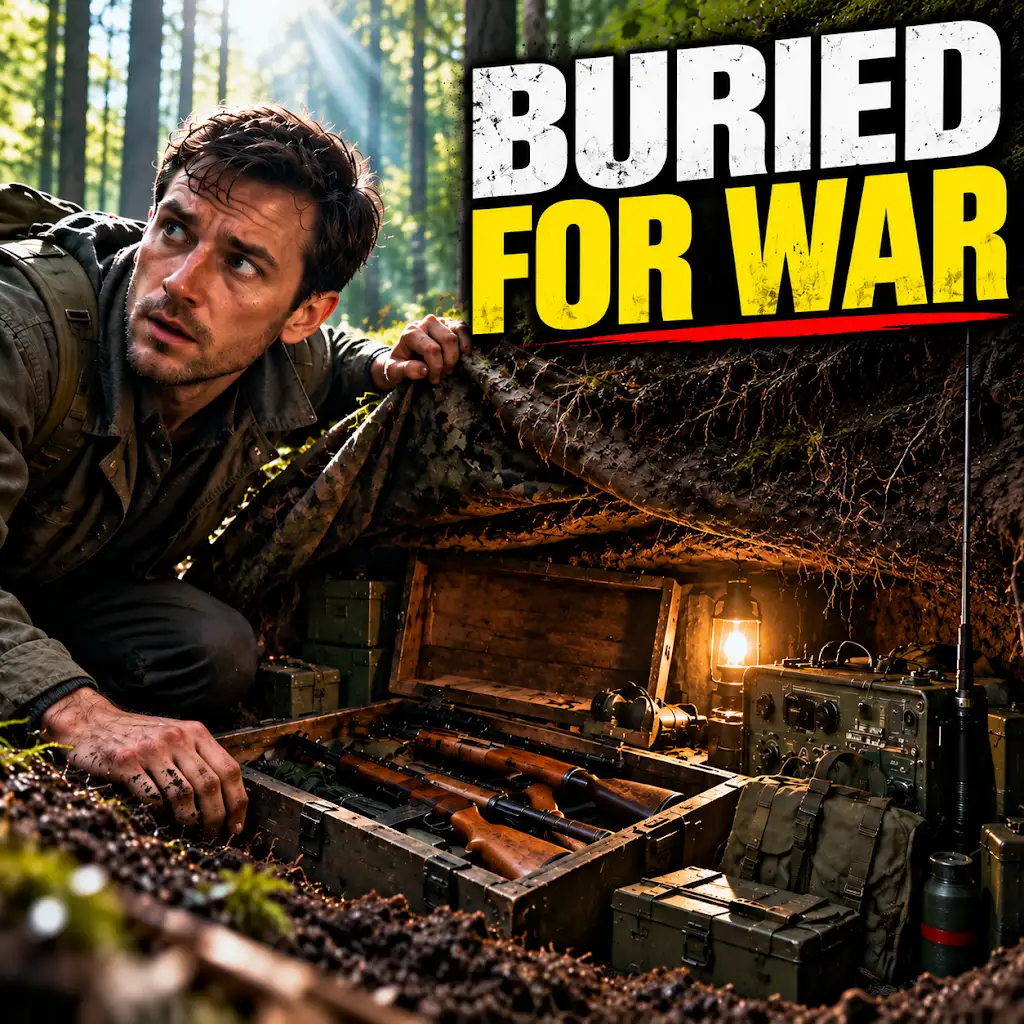
The Secret Armies NATO Prepared for a Soviet Invasion
FAQs
What is Operation Gladio and its connection to Bologna allegations?
Operation Gladio was a clandestine NATO operation during the Cold War, involving secret “stay-behind” armies in Europe. The Bologna bombing in 1980 was a terrorist attack in Italy, which some have alleged to be connected to Operation Gladio.
What were the Bologna allegations regarding Operation Gladio?
The Bologna allegations suggest that the Bologna bombing was carried out by members of the Italian secret service in collaboration with Operation Gladio, as part of a strategy to discredit the Italian Communist Party.
What evidence supports the Bologna allegations?
There is no conclusive evidence to support the Bologna allegations. However, some researchers and investigators have pointed to inconsistencies in the official investigation and connections between the perpetrators and Operation Gladio.
What is the official stance on the Bologna allegations?
The Italian government has denied any involvement in the Bologna bombing and has dismissed the allegations linking it to Operation Gladio as conspiracy theories. The official investigation concluded that the attack was carried out by the neo-fascist group Nuclei Armati Rivoluzionari.
What impact have the Bologna allegations had on public perception of Operation Gladio?
The Bologna allegations have contributed to a broader skepticism and suspicion surrounding Operation Gladio and its activities. They have also fueled conspiracy theories and raised questions about the extent of state involvement in terrorist activities during the Cold War.