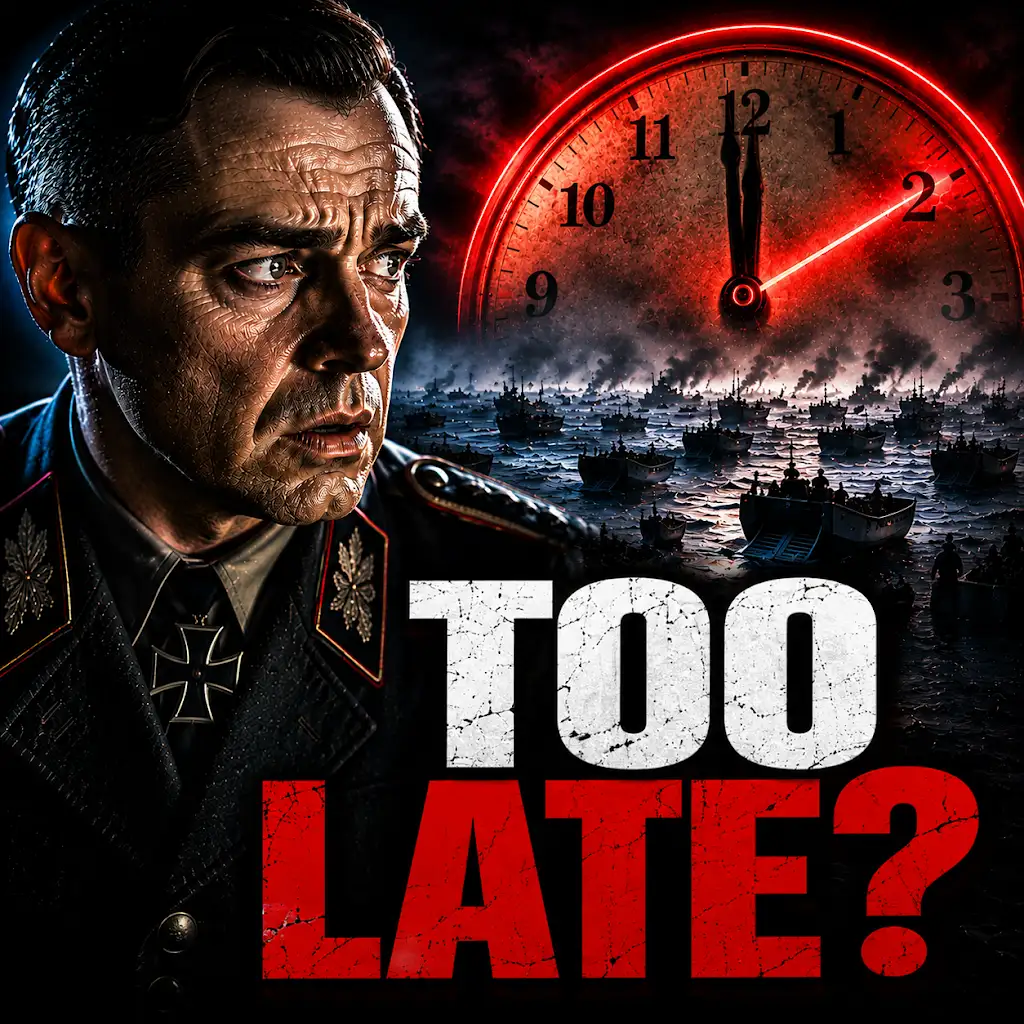
Operation Fortitude was a masterstroke of deception, a meticulously crafted illusion that played a pivotal role in the Allied success on D-Day. It was not a battlefield operation in the traditional sense, but rather a complex and multi-layered psychological warfare campaign designed to hoodwink the German high command about the true location and timing of the Allied invasion of Normandy. The objective was simple, yet incredibly ambitious: to convince the Germans that the main Allied assault would occur elsewhere, specifically at the Pas-de-Calais, and that the landings in Normandy were merely a diversion. This article will delve into the intricacies of Operation Fortitude, exploring its strategic importance, its various components, and its enduring legacy.
The success of the Normandy landings, codenamed Operation Overlord, hinged on exploiting a crucial advantage: surprise. The Allied forces were significantly outnumbered and outgunned by the German war machine. A frontal assault on a heavily fortified coastline without the element of surprise would have been a catastrophic undertaking, likely resulting in unimaginable casualties.
Understanding the German Defenses
The Germans, under the command of Field Marshal Erwin Rommel, had constructed the “Atlantic Wall,” a formidable line of coastal defenses stretching from Denmark to the Spanish border. Their most significant concentrations of troops and armor were positioned in areas they deemed most vulnerable to invasion. The Pas-de-Calais, being the closest point to Britain, was perceived as the most logical invasion site. The Germans had invested heavily in defenses there, anticipating an attack.
The Allied Dilemma: Overcoming Numerical Disadvantage
The Allies understood that their chances of establishing a beachhead and breaking out into France depended on drawing German reserves away from Normandy. If the Germans committed their strategic reserves to defend the Pas-de-Calais, the Normandy sector would be significantly weakened, making the landings more feasible. This was the fundamental strategic challenge that Operation Fortitude aimed to solve.
The Psychological Target: German Intelligence and Decision-Making
Operation Fortitude was not just about physical deception; it was a sophisticated assault on the German psyche. The goal was to feed the German intelligence apparatus a steady stream of believable misinformation, leading their commanders to make critical errors in judgment. This involved understanding how German intelligence operated, what information they prioritized, and what kinds of deceptions they were susceptible to. The Allies sought to exploit the Germans’ existing assumptions and their desire to avoid a catastrophic invasion of Germany itself.
The Pillars of Deception: The Two Fronts of Fortitude
Operation Fortitude was divided into two primary components, each with its own specific targets and methodologies: Fortitude North and Fortitude South. These two “fronts” worked in concert to create a comprehensive and convincing narrative of an impending invasion.
Fortitude North: Diverting Attention from Normandy to the Pas-de-Calais
Fortitude North was the larger and more significant of the two operations. Its primary objective was to convince the Germans that the main invasion would take place across the Strait of Dover, targeting the Pas-de-Calais. This involved creating the impression of a massive Allied army poised to cross at this narrowest point of the English Channel.
The Phantom Army of the First U.S. Army Group (FUSAG)
The cornerstone of Fortitude North was the creation of a fictitious army, the First U.S. Army Group (FUSAG). This imaginary force was built up in southeast England, within sight of the Pas-de-Calais. The creation of FUSAG was a monumental undertaking, involving the meticulous construction of a vast network of fake military infrastructure.
Inflated Troop Numbers and Visible Infrastructure
To make FUSAG believable, the Allies inflated troop numbers through various means. They staged numerous large-scale troop movements, often at night, to create the illusion of a massive concentration of men. They built thousands of dummy tanks, artillery pieces, and landing craft, often made of canvas and wood, which were visible to German reconnaissance aircraft. These dummy installations were deliberately placed in areas that would be easily observed from the coast of France.
Deceptive Radio Traffic and Propaganda
A crucial element of Fortitude North was the generation of a high volume of deceptive radio traffic. The Allies created fictitious radio networks that appeared to be operated by FUSAG, broadcasting coded messages and operational orders. This radio chatter was designed to mimic real military communications and to convey the impression of imminent preparations for an invasion. Furthermore, Allied intelligence agents, working with the Special Operations Executive (SOE) and other clandestine organizations, disseminated disinformation through their networks, further reinforcing the narrative of an impending Pas-de-Calais invasion.
The Role of Double Agents
Double agents, carefully managed by the Allied intelligence services, played a vital role in feeding information to the Germans. These agents, who were secretly working for the Allies but outwardly appearing loyal to the German cause, were tasked with reporting on the perceived strength and intentions of FUSAG. Their reports, carefully crafted by Allied handlers, consistently emphasized the preparations for an invasion at the Pas-de-Calais, reinforcing the German belief that this was the primary objective.
Fortitude South: Misleading the Germans about Other Potential Landing Sites
While Fortitude North focused on the Pas-de-Calais, Fortitude South was designed to sow confusion about other potential landing sites, specifically in southwestern England, including the ports of Southampton and Plymouth. This was intended to further dilute German defensive efforts and to draw their attention away from Normandy.
The Phantom Invasion of Norway
Another aspect of Fortitude involved creating the impression of a potential invasion of Norway. This was a more distant threat but served to stretch German resources and attention even further. Dummy naval formations and radio traffic were used to suggest preparations for a northward amphibious assault.
Diversionary Raids and False Signals
Small-scale diversionary raids and the use of false signals were also employed. These tactics were designed to draw German patrols and reconnaissance away from the actual invasion sites in Normandy and to create a general sense of unease and uncertainty across the entire European coastline.
The Art of Deception: Techniques and Tools Employed
The success of Operation Fortitude was not accidental; it was the result of meticulous planning and the innovative use of a wide array of deception techniques. The Allies leveraged their technological capabilities, their intelligence networks, and their understanding of human psychology to create an unassailable illusion.
Inflatable Tanks and Dummy Aircraft
The visual deception was paramount. Thousands of inflatable tanks, artillery pieces, and landing craft were strategically placed in fields and around military camps. These decoys, often illuminated at night, were designed to be spotted by German reconnaissance aircraft. Dummy aircraft were also dispersed across airfields to give the impression of a much larger air force than actually existed.
Shadow Armies and Fake Infrastructure
The Allies created “shadow armies” by fabricating entire military formations on paper and in terms of outward appearance. This included creating fake headquarters, encampments, and logistical depots. The sheer scale of these fabricated elements was designed to overwhelm German intelligence with information, making it difficult for them to discern the real from the artificial.
The Power of Radio and Electronic Warfare
Radio communications were a critical tool. Allied intelligence meticulously crafted realistic radio traffic for their phantom armies. This included the use of specific call signs, encryption methods, and message formats that were known to be used by the real Allied forces. Electronic warfare units also played a role, jamming German communications in certain areas while amplifying their own deceptive broadcasts in others.
The Human Element: Agents and Propaganda
The human element was indispensable. Allied intelligence services deployed a vast network of agents and double agents who infiltrated German intelligence and military circles. These individuals acted as conduits for disinformation, ensuring that the fabricated evidence of an impending invasion at the Pas-de-Calais reached the ears of key German decision-makers. Propaganda also played a role, with carefully crafted leaflets and radio broadcasts designed to sow discord and misinformation among the German population and military.
The Impact of Fortitude: Shaping the D-Day Landscape
The effectiveness of Operation Fortitude cannot be overstated. It successfully manipulated German strategic thinking, leading to critical decisions that significantly impacted the course of the D-Day landings.
German Misallocation of Resources
The primary success of Fortitude was its ability to convince the German high command that the Pas-de-Calais was the main invasion target. This led to the significant concentration of German armor and elite troops in that region, leaving Normandy relatively under-defended. The Germans maintained substantial reserves in the Pas-de-Calais for weeks after the Normandy landings, believing that the initial assault was a feint and that the real invasion was still to come.
The Delayed German Response in Normandy
When the Allied forces landed in Normandy on June 6, 1944, the German response was significantly hampered by this misallocation of resources. Reinforcements that could have been crucial in pushing back the Allied beachhead were instead held in reserve, waiting for the expected invasion at the Pas-de-Calais. This delay provided the Allies with the vital breathing room they needed to consolidate their positions and begin their breakout from the beachhead.
The Strategic Significance of the Normandy Landings
Without the success of Operation Fortitude, the D-Day landings might have failed. The deception allowed the Allies to overcome their numerical inferiority by drawing German forces away from the actual invasion site. This strategic advantage was crucial in securing the beachhead, allowing for the subsequent liberation of France and the eventual Allied victory in Europe. The deception campaign undoubtedly saved countless Allied lives.
The Legacy of Fortitude: A Masterclass in Deception
Operation Fortitude stands as a monumental achievement in military history and a prime example of the power of strategic deception. Its success continues to be studied and admired by military strategists and historians alike.
A Blueprint for Future Deception Operations
The techniques and methodologies employed in Operation Fortitude became a blueprint for future deception operations. The principles of creating credible phantom armies, utilizing extensive radio traffic, and employing double agents have been adopted and adapted by military forces around the world.
The Enduring Importance of Intelligence and Psychological Warfare
Fortitude underscored the critical importance of intelligence gathering and analysis, as well as the profound impact of psychological warfare. It demonstrated that the minds of the enemy could be as important a battlefield as the physical terrain. The ability to shape an adversary’s perceptions and decision-making processes can be a decisive factor in achieving victory.
The Unsung Heroes of the Deception Campaign
While the soldiers who landed on the beaches of Normandy are rightly celebrated for their bravery, the individuals who orchestrated and executed Operation Fortitude often remain in the shadows. The deception planners, the radio operators, the double agents, and the countless individuals who built the dummy tanks and staged the fake maneuvers were unsung heroes of the war. Their meticulous work and unwavering dedication were as vital to the Allied victory as any act of battlefield courage. Operation Fortitude was a testament to the ingenuity, meticulous planning, and sheer audacity that defined the Allied war effort. It was a ghost army that, in its own way, helped to win the war.