Operation Fortitude: The Deception That Won the War
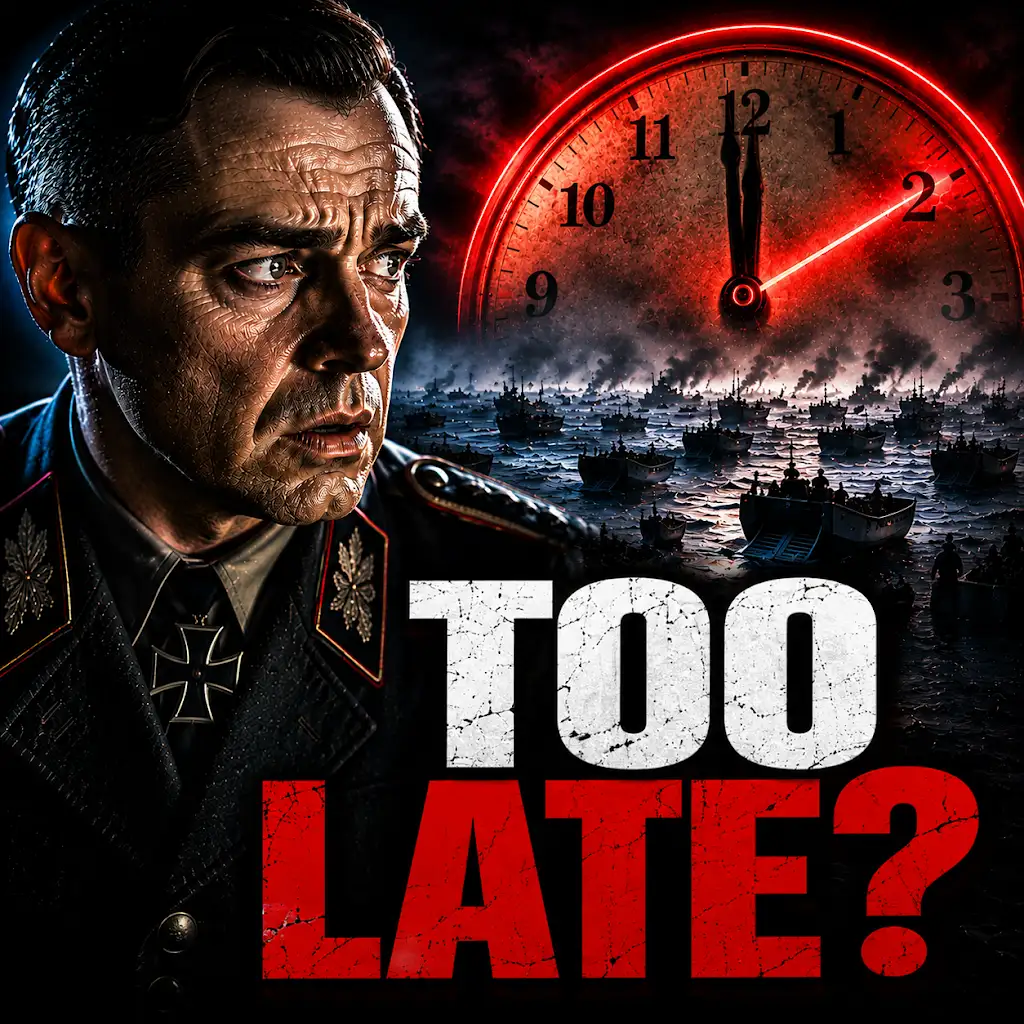
The success of the D-Day landings on June 6, 1944, remains one of the most pivotal moments of World War II. While the bravery and skill of the Allied soldiers are undeniable, the victory was also significantly indebted to a masterfully executed deception operation known as Operation Fortitude. This elaborate ruse played a crucial role in drawing German defenses away from the actual landing zones, contributing immeasurably to the success of the invasion. Operation Fortitude was not a single event but a complex and multifaceted campaign of misinformation that stretched across months and involved a remarkable array of tactics.
The sheer scale of the planned invasion of Normandy demanded a level of secrecy and surprise that was unprecedented. The Allied planners understood that a direct assault on the heavily fortified Atlantic Wall would come at an exorbitant cost in human lives. Therefore, the element of surprise became paramount. Germany, under the command of Adolf Hitler and his top generals, had anticipated an Allied invasion of Western Europe for years. Their strategic focus was on defending the French coast, with particular attention paid to the Pas-de-Calais, the narrowest point of the English Channel, which presented the most logical invasion route.
The Atlantic Wall: A Formidable Barrier
The Atlantic Wall, a massive system of coastal defenses stretching from Denmark to Spain, was Germany’s primary defensive line. It comprised concrete bunkers, gun emplacements, minefields, and tank traps, all designed to repel any seaborne invasion. German intelligence, though often flawed, was sophisticated enough to recognize the strategic importance of the Pas-de-Calais. They amassed significant troop concentrations and defensive resources in this region, convinced that this was where the Allies would attempt their landing.
The Need for Misdirection
To overcome this formidable defense and minimize casualties, the Allies realized they needed to convince the Germans that the main invasion would occur elsewhere. This was the core objective of Operation Fortitude. The plan was to create the illusion of a massive invasion force poised to attack the Pas-de-Calais, thereby drawing German reserves and attention away from the true landing beaches in Normandy. The deception had to be so convincing that it would not only mislead the German high command but also influence their tactical deployments and strategic decisions in the critical hours leading up to and following D-Day.
Fortitude North: The Scottish Specter
One of the most significant components of Operation Fortitude was “Fortitude North.” This branch of the deception focused on convincing the Germans that a secondary invasion force, codenamed “Jubilee,” was being assembled in Scotland, preparing to invade Norway. This was a clever gambit, as Norway presented a strategically vulnerable point for Germany, particularly concerning its vital iron ore supplies from Sweden.
Phantom Armies and Invisible Fleets
Fortitude North employed a variety of techniques to create the illusion of a large-scale military buildup. This included the creation of entirely fictional army groups and corps, complete with commanding officers and established headquarters. These units existed only on paper and in propaganda, but their existence was meticulously disseminated through carefully crafted intelligence channels. Radio traffic, supposedly originating from these phantom units, was carefully modulated to mimic the expected patterns of real military communication, further bolstering the illusion. Dummy naval formations were also deployed. While actual naval assets were limited and kept secret, the concept of a large fleet preparing to sail north was propagated through intelligence leaks and radio intercepts.
The Role of Double Agents and Misinformation
Crucially, Fortitude North relied heavily on the systematic manipulation of German intelligence through double agents and outright misinformation. German agents operating in Britain were fed carefully curated “intelligence” suggesting a Norwegian invasion. These agents, often unaware they were being manipulated, reported back to their handlers, influencing German assessments. The British Secret Intelligence Service (MI6) and its counter-intelligence branch, MI5, worked in tandem to ensure that the false information reached the right ears within the German Abwehr (military intelligence).
Impact on German Deployments
The success of Fortitude North meant that Germany felt compelled to maintain significant troop and air force detachments in Norway and along its coastline. This prevented the redeployment of these vital resources to bolster defenses in France, directly aiding the Allied cause on D-Day. The German high command, constantly looking for potential threats, had to allocate resources to counter a phantom invasion, thereby weakening their real defenses where it mattered most.
Fortitude South: The Great Ghost Army of Dover
The more prominent and arguably more impactful aspect of Operation Fortitude was “Fortitude South.” This deception aimed to convince the Germans that the main Allied invasion would target the Pas-de-Calais, under the command of the fictional First U.S. Army Group (FUSAG), famously led by the highly decorated General George S. Patton.
The Creation of FUSAG
The existence of FUSAG was meticulously constructed. This was not just a phantom army; it was a phantom army of immense proportions, designed to appear as the primary Allied striking force. The Allies manufactured evidence of its existence through a vast network of fabricated infrastructure, including fake encampments, airfields, and tank parks, strategically placed in southeastern England, facing the Pas-de-Calais. These were not just simple mock-ups; they were designed to be visible from the air, convincing German reconnaissance aircraft and spies of a genuine military presence.
Inflatable Tanks and Dummy Aircraft
A key element of Fortitude South was the use of inflatable tanks, trucks, and artillery pieces. These were strategically positioned in large numbers, creating the impression of a vast armored force ready for deployment. When viewed from a distance or from the air, these props bore a striking resemblance to real military hardware. Dummy aircraft, made of wood and canvas, were also scattered across airfields, further contributing to the illusion of a large air offensive supporting the invasion. These were often equipped with sound systems designed to mimic the noise of aircraft engines, adding another layer of realism.
The Power of Radio and Propaganda
Radio traffic played a critical role in Fortitude South. Allied radio operators, acting as if they were part of FUSAG, broadcast a constant stream of coded messages, troop movements, and operational orders. This traffic was carefully designed to be intercepted by German listening posts, creating a detailed picture of a massive army preparing for battle. Allied propaganda was also subtly employed. Through controlled leaks to neutral countries and selected journalists, stories were disseminated that hinted at an imminent invasion of the Pas-de-Calais, often mentioning the presence and leadership of General Patton, a figure whose reputation alone could strike fear into the enemy.
The Double Agent Network and its Crucial Role
The success of Fortitude South was heavily reliant on a sophisticated double agent network, most famously exemplified by the Garbo network led by Juan Pujol Garcia. Pujol, a Spanish national, offered his services to both sides. The British MI5, under the direction of Thomas Kendrick, recognized his potential and turned him into a highly effective double agent. Pujol fed the Germans an elaborate web of fabricated information, consistently reinforcing the idea that the Pas-de-Calais was the target. He was incredibly convincing, inventing fictional sub-agents and elaborate supply chains to support the narrative of a massive invasion force. His meticulous reports, detailing troop strengths, equipment, and invasion plans, were so convincing that they directly influenced German deployment decisions.
The Impact on German Strategy and Deployment
The combined efforts of Fortitude North and Fortitude South had a profound and decisive impact on German strategy and deployment in the crucial months leading up to and during D-Day. The German high command, under immense pressure to defend the lengthy coastline, found themselves constantly reacting to the phantom threats created by the deception.
The Misled High Command
German intelligence, particularly the Abwehr, was consistently fed information that pointed towards the Pas-de-Calais as the primary invasion site. The elaborate nature of FUSAG, with its supposed vast troop numbers and Patton’s command, made this deception incredibly compelling. German commanders, including Field Marshal Erwin Rommel, who was responsible for the defenses in northern France, became convinced that this was the main thrust of the Allied offensive. This led to the strategic deployment of their most elite Panzer divisions to the Pas-de-Calais region, anticipating the main assault.
Weakening the Normandy Defenses
As a direct consequence of this misdirection, the German defenses in Normandy were significantly weaker than they might have been. While the Atlantic Wall was still formidable, the concentration of troops and heavy armor was far less than what would have been present had the Germans correctly identified the true landing zones. This allowed the Allied forces to establish a foothold on the beaches with fewer initial casualties. Even after the landings began, the German high command hesitated for critical hours, struggling to reconcile the events in Normandy with their conviction that the main invasion was elsewhere.
The “Hitler’s Reserve” Dilemma
Furthermore, the deception played on Hitler’s own strategic mindset. He was known to hold back significant reserves, often for a decisive counter-attack, and the perceived threat in the Pas-de-Calais was precisely the kind of scenario that would encourage him to retain these troops. The Allies exploited this by making the FUSAG threat appear so overwhelming that Hitler would be reluctant to commit his reserves elsewhere.
The Legacy of Fortitude: A Silent Victory
Operation Fortitude stands as a testament to the power of psychological warfare and strategic deception. It was a complex, costly, and incredibly risky undertaking, but its success was undeniable. The meticulous planning, the ingenuity of the deception tactics, and the skill of the individuals involved all contributed to a monumental achievement in military history.
The Unsung Heroes of Deception
While the soldiers who stormed the beaches of Normandy are rightly celebrated as heroes, the architects of Operation Fortitude also deserve recognition for their vital contribution. These were the intelligence officers, the double agents, the radio operators, and the engineers who meticulously crafted and executed the elaborate ruse. Their work, largely conducted in the shadows, saved countless lives and played an indispensable role in the Allied victory.
A Masterclass in Psychological Warfare
Operation Fortitude remains a classic case study in successful psychological warfare. It demonstrated how misinformation, carefully disseminated and strategically targeted, could manipulate an enemy’s perceptions, influence their decisions, and ultimately shape the outcome of a conflict. The sheer scale and sophistication of the deception underscore the importance of intelligence and counter-intelligence in modern warfare.
The Lingering Questions and the Unseen Impact
Even decades later, the full scope and impact of Operation Fortitude continue to be studied and debated. While its role in the success of D-Day is widely acknowledged, the precise extent to which it influenced specific German decisions remains a subject of historical analysis. However, the overarching conclusion is clear: Operation Fortitude was a critical element that tipped the scales in favor of the Allies, a silent victory won not with bullets, but with carefully constructed lies and unwavering dedication. The courage of the soldiers on the beaches was amplified by the unseen courage and cunning of those who ensured the enemy would be looking in the wrong direction.