Operation Anadyr stands as a testament to clandestine ambition and high-stakes geopolitical maneuvering. It was a Soviet military operation shrouded in secrecy, aimed at fundamentally altering the strategic balance of power in the Western Hemisphere. At its core, Operation Anadyr was the codename for the Soviet deployment of nuclear ballistic missiles to Cuba in 1962, an act that brought the world to the precipice of nuclear war during the Cuban Missile Crisis. However, beneath this explosive geopolitical event lay a complex and equally secret logistical undertaking: the clandestine movement of Soviet submarines carrying not only nuclear warheads, but also the vital personnel and equipment necessary for their deployment and operation. These submarines, often overlooked in popular narratives of the crisis, were the silent, submerged arteries of Operation Anadyr, carrying the very sinews of Soviet power to the doorstep of the United States.
The decision to place missiles in Cuba was not made in a vacuum. It was born from a confluence of strategic considerations that had been developing for years. The Soviet Union, under Nikita Khrushchev, felt a growing sense of strategic inferiority relative to the United States, particularly in the realm of nuclear missile capabilities.
The Missile Gap and NATO’s Reach
The United States had a significant advantage in intercontinental ballistic missile (ICBM) technology and deployment. The presence of American Jupiter missiles in Turkey, bordering the Soviet Union, served as a constant and palpable threat. Khrushchev perceived this as a direct challenge to Soviet security, an unacceptably short warning time for a retaliatory strike. The perceived missile gap fueled a desire to level the playing field, to find a way to project Soviet power directly into the American homeland.
Khrushchev’s Bold Gamble
Khrushchev saw an opportunity in Cuba. Fidel Castro’s revolutionary government, having overthrown the U.S.-backed Batista regime, was increasingly aligned with the Soviet Union, albeit with a degree of ideological and nationalistic independence. Cuba’s proximity to the United States presented a unique strategic advantage. By placing intermediate-range and medium-range ballistic missiles (IRBMs and MRBMs) on the island, the Soviets could effectively halve the flight time of nuclear warheads reaching American soil, eliminating the warning time that U.S. early warning systems and missile defense systems relied upon. This would not only compensate for the Soviet Union’s ICBM deficiencies but also serve as a powerful deterrent against any future U.S. invasion of Cuba, a concern for both Castro and Khrushchev after the failed Bay of Pigs invasion in 1961.
The Role of Submarines in the Grand Design
While the deployment of land-based missiles is the most widely recognized aspect of Operation Anadyr, the role of Soviet submarines was crucial and multifaceted. These submarines were tasked with a variety of critical missions, ranging from the initial covert delivery of sensitive cargo to providing a submerged deterrent and communication link. Their presence in the waters around Cuba was a vital, though often unseen, component of the entire operation.
Operation Anadyr, the Soviet Union’s secret deployment of missiles to Cuba in 1962, involved not only strategic land-based assets but also a significant naval component, including submarines. For a deeper understanding of the role these submarines played during the Cold War, you can read a related article that explores their operations and impact on naval warfare at In The War Room. This resource provides valuable insights into the complexities of underwater warfare and the strategic decisions made during this critical period in history.
The Silent Fleet: Submarine Types and Their Missions
The Soviet Navy deployed a diverse array of submarines to support Operation Anadyr, each with specific roles and capabilities. These vessels were chosen for their operational range, stealth, and payload capacity.
Project 641 (Foxtrot-class) Submarines: The Backbone of Delivery
The Project 641 submarines, NATO reporting name Foxtrot-class, formed the backbone of the Soviet submarine deployment. These diesel-electric submarines were designed for long-range patrol and were capable of carrying a significant payload of conventional torpedoes, but more importantly for Operation Anadyr, they were modified to carry specialized cargo.
Covert Transport of Missiles and Equipment
The primary mission of many Foxtrot-class submarines was the covert transport of components for the R-12 (SS-4 Sandal) and R-14 (SS-5 Skean) medium-range and intermediate-range ballistic missiles. These were not simply missiles; they were intricate systems requiring careful assembly and transport. The submarines’ large internal volume allowed for the discrete shipment of missile sections, guidance systems, fuel components, and specialized tools. The crews were often unaware of the true nature of their cargo, understanding only that they were transporting sensitive military equipment to a critical destination. The cramped and often uncomfortable conditions within these submarines during long voyages added to the arduous nature of their secret mission.
Personnel Deployment and Support
Beyond hardware, the submarines also transported key personnel. Engineers, technicians, and military specialists required to assemble, deploy, and operate the missile sites were also ferried by sea. This included individuals with expertise in missile maintenance, security, and targeting. The submarines provided a relatively secure and undetected means of bringing these vital human resources to Cuba, bypassing the risk of aerial interdiction or naval interception.
Project 651 (Juliett-class) Submarines: Missile Carriers and Deterrence
The Project 651 submarines, NATO reporting name Juliett-class, were diesel-electric cruise missile submarines. While primarily designed for anti-ship warfare, their operational capabilities made them valuable assets for Operation Anadyr.
Delivering Ship-Launched Cruise Missiles
Some Juliett-class submarines were equipped with P-15 Termit (SS-N-2 Styx) anti-ship missiles, but their role in Operation Anadyr was more nuanced. While not carrying the strategic ballistic missiles, they were tasked with projecting Soviet naval power and serving as a deterrent against potential U.S. naval blockades or interventions. Their presence in the Caribbean was a visible sign of Soviet resolve, intended to complicate U.S. decision-making.
Submerged Deterrent and Intelligence Gathering
These submarines, along with others, also played a role in intelligence gathering and maintaining a submerged deterrent. Operating deep beneath the waves, they could monitor U.S. naval movements, gather electronic intelligence, and remain a latent threat should hostilities escalate. Their ability to operate submerged for extended periods made them difficult to detect and track, contributing to the element of surprise and deniability.
Project 613 (Whiskey-class) Submarines: A Diverse and Adaptable Force
The Project 613 submarines, NATO reporting name Whiskey-class, were a diverse group of Soviet submarines, including various sub-variants with different capabilities. While some were older, they were still utilized for specific tasks within the context of Operation Anadyr.
Conventional Warfare and Patrol Missions
Some Whiskey-class submarines were assigned to more conventional patrol duties in the region, providing a broader defensive screen for the Soviet operations. They could engage in anti-submarine warfare (ASW) against potential U.S. naval assets and contribute to the overall intimidation factor of the Soviet naval presence.
Specialized Roles and Modifications
Certain Whiskey-class submarines might have been modified for specific clandestine tasks, though details are scarce due to the operation’s secrecy. This could have included reconnaissance, special forces insertion, or the transport of smaller, specialized equipment. Their sheer numbers and adaptability made them a flexible component of the Soviet naval strategy.
The Journey of Secrets: Navigating the Atlantic
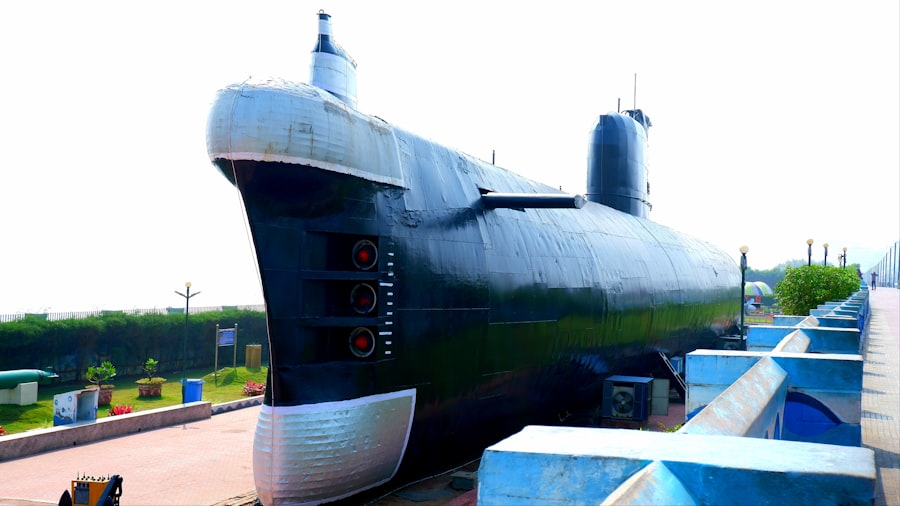
The journey of these submarines from Soviet ports to the Caribbean was a masterclass in covert navigation and operational security. The stakes were incredibly high; any detected submarine could trigger an immediate international crisis.
Deception and Disguise
Soviet authorities employed a sophisticated web of deception to mask their submarine movements. Ships were often disguised as civilian merchant vessels or fishing trawlers. Radio transmissions were carefully managed, and submarines maintained strict radio silence for extended periods.
False Signatures and Operational Camouflage
Submarine commanders were trained in techniques to create false sonar signatures and to blend in with the ambient noise of the ocean. They utilized prevailing currents and weather patterns to their advantage, seeking out routes that were less frequented by NATO naval patrols. The aim was to be as invisible as possible until they reached their designated operational areas.
The Perilous Crossing
The transatlantic voyage was fraught with peril. Submarines had to navigate busy shipping lanes, evade potential aerial reconnaissance, and contend with the unpredictable nature of the Atlantic Ocean. The risk of collision with surface vessels or detection by sonar was ever-present.
Encounters with NATO Patrols
Despite stringent measures, there were undoubtedly close calls and near-discoveries. NATO naval forces were actively patrolling the Atlantic, and any unusual activity would have been scrutinized. The Soviet submarines relied on their stealth and the vastness of the ocean to avoid detection.
Arrival and Operational Readiness
Upon arrival in the Caribbean, the submarines often rendezvoused with other Soviet vessels, including surface ships that provided support and further concealment. They then moved into their designated patrol areas, ready to fulfill their assigned missions.
Establishing Submerged Patrols
The submarines established submerged patrols, maintaining a constant vigil. They were tasked with monitoring U.S. naval movements, particularly any attempts to blockade Cuba or interdict Soviet shipping. Their presence was a silent but significant deterrent.
The Cuban Missile Crisis and the Submerged Threat
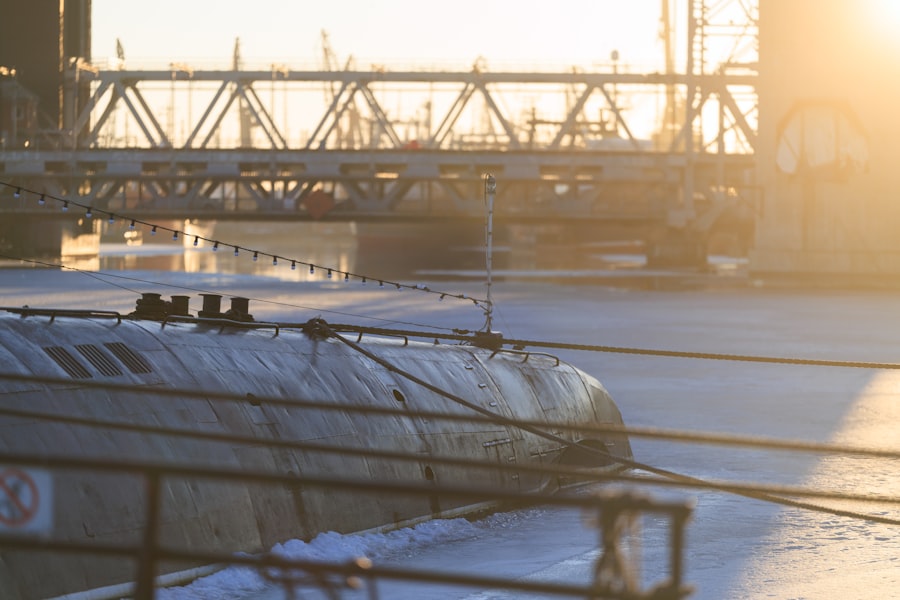
When the U.S. discovered the missile sites in Cuba in October 1962, the world held its breath. While attention was focused on the land-based missiles, the Soviet submarines posed a distinct and terrifying threat.
The U.S. Naval Quarantine
President Kennedy announced a naval quarantine, effectively a blockade, of Cuba. This was a calculated move to prevent further military equipment from reaching the island. The U.S. Navy was tasked with intercepting any Soviet vessels approaching Cuba.
The Confrontation at Sea
This led to dramatic confrontations at sea. Soviet submarines, tasked with protecting the Soviet fleet and potentially breaking the blockade, found themselves in direct opposition to U.S. warships.
The Case of B-59
The most famous and terrifying incident involved the Soviet submarine B-59. On October 27, 1962, U.S. Navy destroyers depth-charged the B-59, not with explosives but with practice charges, to force it to surface. The submarine’s crew, isolated and unaware of the international situation, believed they were under attack and considered launching their nuclear torpedo. Fortunately, Vasili Arkhipov, the flotilla commander onboard, refused to authorize the launch, a decision that likely averted nuclear war. This incident highlights the immense pressure and the potential for catastrophic miscalculation faced by submarine crews.
The Submarines as a Deterrent Factor
The presence of a substantial Soviet submarine force in the region played a significant role in the crisis’s diplomatic resolution. The U.S. understood that forcing a confrontation with these submerged, nuclear-armed vessels carried immense risks.
The Fear of Escalation
The knowledge that Soviet submarines were patrolling nearby, equipped with nuclear weapons, added a layer of fear and urgency to the negotiations. It underscored the potential for a swift and devastating escalation if diplomatic efforts failed. The U.S. had to consider the possibility of retaliatory strikes from submarines if U.S. naval actions were perceived as too aggressive.
Post-Crisis Roles and Redeployment
Following the resolution of the Cuban Missile Crisis, where the Soviets agreed to remove the missiles in exchange for U.S. assurances not to invade Cuba and the secret removal of U.S. missiles from Turkey, the role of the submarines shifted.
Withdrawal and Reassignment
Most of the submarines involved in Operation Anadyr were withdrawn from Cuban waters. Some returned to Soviet ports, while others were reassigned to different operational areas. The successful, albeit risky, execution of their missions demonstrated the effectiveness of Soviet submarine capabilities.
Continued Deterrence and Surveillance
However, the experience cemented the importance of submarines in Soviet military strategy. They continued to be a crucial component of Soviet naval power, used for deterrence, intelligence gathering, and power projection in the ongoing Cold War. The lessons learned from Operation Anadyr informed future submarine operations and doctrines.
Operation Anadyr was a significant moment in Cold War history, particularly concerning the deployment of Soviet submarines in the Caribbean. The strategic positioning of these submarines played a crucial role in the broader context of the Cuban Missile Crisis. For those interested in exploring this topic further, a related article can provide additional insights into the naval strategies employed during this tense period. You can read more about it in this informative piece on military operations at this link.
The Unseen Architects of Crisis: Legacy and Historical Significance
| Submarine Type | Number of Submarines | Deployment Date |
|---|---|---|
| Golf-class | 4 | October 1962 |
| November-class | 1 | October 1962 |
| Hotel-class | 1 | October 1962 |
Operation Anadyr, particularly the submerged component involving Soviet submarines, remains a compelling case study in clandestine operations, strategic deception, and the terrifying proximity to nuclear annihilation.
The Secrecy of the Deep
The true extent of the Soviet submarine involvement in Operation Anadyr is still being uncovered. Much of the information remains classified, and the dedication of the crews who operated under extreme secrecy and pressure is often overlooked. Their silent journeys across the Atlantic, carrying the instruments of potential destruction, were a crucial, albeit unseen, element of the crisis.
The Human Cost of Secrecy
The lives of the submariners were not glamorous. They endured long patrols in confined spaces, faced immense psychological pressure, and operated with limited information. Their role was one of unwavering duty and obedience, often at great personal risk. The stories of their courage and resilience are a vital part of the historical narrative.
Impact on Cold War Dynamics
The successful deployment of missiles to Cuba, even if temporary, significantly altered the perception of Soviet military capability and its willingness to challenge U.S. hegemony. It forced the United States to re-evaluate its defense strategies and led to a period of heightened tension and arms race acceleration.
The Evolution of Nuclear Deterrence
The Cuban Missile Crisis, and the role of submarines within it, underscored the complex dynamics of nuclear deterrence. It demonstrated that control and communication were paramount, and that even well-intentioned actions could have unintended and catastrophic consequences. The near-miss served as a stark warning about the dangers of brinkmanship.
The Lessons Learned for Future Naval Operations
The lessons learned from Operation Anadyr continue to inform naval strategy and international relations. The importance of intelligence, the risks of escalation, and the need for clear communication channels remain critical in managing global security.
The Enduring Importance of Submarine Warfare
The silent, submerged world of submarines continues to be a critical domain of military power. Operation Anadyr demonstrated their profound ability to alter strategic landscapes and project power in ways that surface forces cannot. The legacy of these silent architects of crisis underscores the enduring significance of underwater warfare in the geopolitical arena.
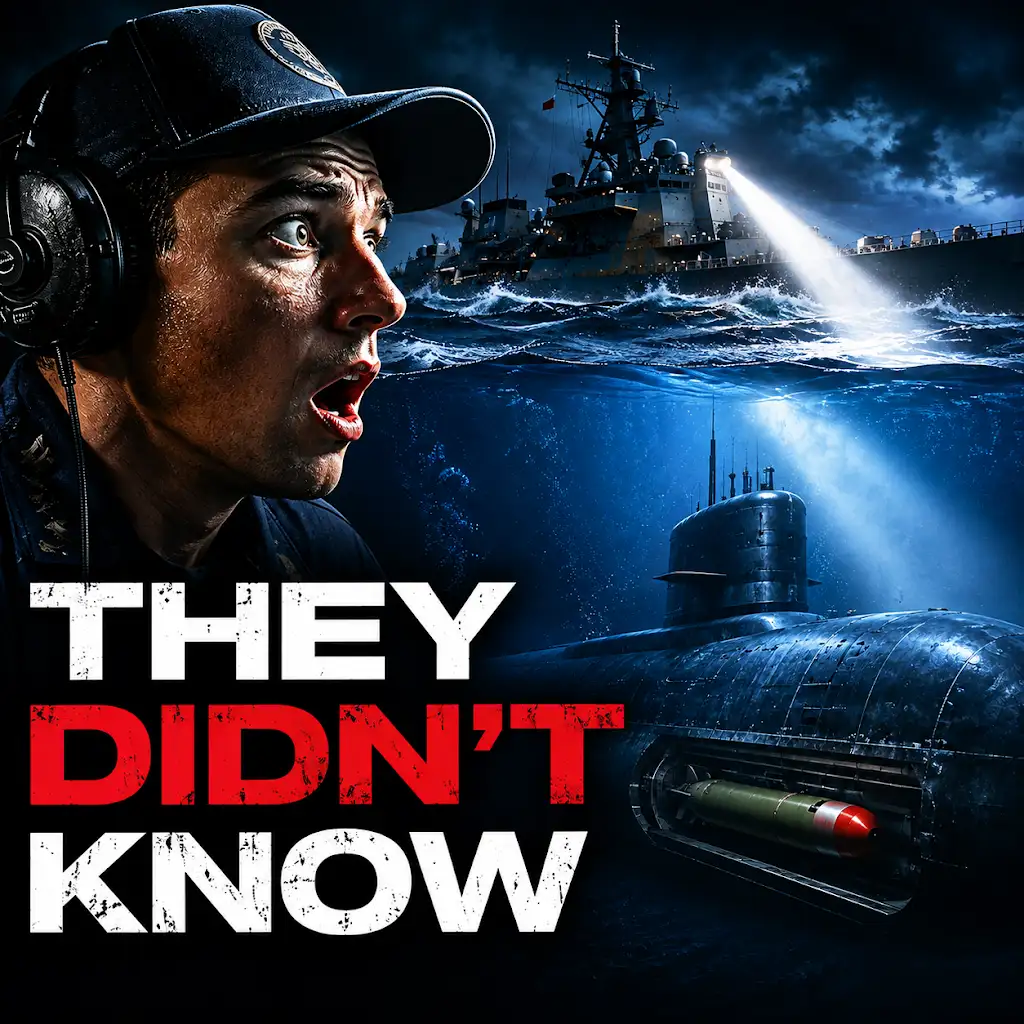
The U.S. Navy Didn’t Know This Submarine Had a Nuclear Torpedo
FAQs
What was Operation Anadyr?
Operation Anadyr was the code name for the Soviet Union’s secret deployment of ballistic missiles, nuclear-armed submarines, and strategic bombers to Cuba during the Cuban Missile Crisis in 1962.
What role did Soviet submarines play in Operation Anadyr?
Soviet submarines played a crucial role in Operation Anadyr by transporting and deploying nuclear-armed ballistic missiles to Cuba. These submarines were part of the Soviet Navy’s Northern Fleet and were tasked with covertly delivering the missiles to Cuba to counter the United States’ strategic advantage in the region.
How many Soviet submarines were involved in Operation Anadyr?
A total of four Soviet submarines were involved in Operation Anadyr. These submarines were specifically modified to carry and launch nuclear-armed ballistic missiles, and their deployment to Cuba was a highly secretive and strategic maneuver by the Soviet Union.
What was the significance of the Soviet submarines in Operation Anadyr?
The significance of the Soviet submarines in Operation Anadyr was their ability to covertly transport and deploy nuclear-armed ballistic missiles to Cuba, thereby posing a direct threat to the United States. This deployment of submarines and missiles was a key factor in escalating the tensions of the Cuban Missile Crisis.
How did the Cuban Missile Crisis and Operation Anadyr end?
The Cuban Missile Crisis and Operation Anadyr ended with a diplomatic resolution between the United States and the Soviet Union. After a tense standoff and negotiations, the Soviet Union agreed to remove its missiles and submarines from Cuba in exchange for the United States’ pledge not to invade Cuba and to remove its missiles from Turkey. This resolution helped avert a potential nuclear conflict between the two superpowers.