The vast expanse of outer space, once a frontier of scientific discovery and peaceful exploration, is increasingly becoming a theater of geopolitical tension. The prospect of nuclear weapons in orbit, a concept that once belonged to the realm of science fiction nightmares, is a tangible and growing concern for global security. This article will delve into the multifaceted risks associated with the potential deployment of nuclear weapons in outer space and examine the profound implications for international stability.
The Specter of Space-Based Nuclear Arsenals
The idea of weaponizing space is not entirely new. Throughout the Cold War, both the United States and the Soviet Union explored various space-based weapon concepts, including anti-satellite missiles and orbital bombardment systems. However, the focus here is specifically on nuclear weapons and their potential integration into a space-based military architecture. The implications of such a development are far more catastrophic and destabilizing than conventional space weaponry.
Defining Space-Based Nuclear Weapons
Space-based nuclear weapons can broadly be categorized into several types. These include nuclear-armed satellites designed for offensive purposes, such as striking terrestrial targets or other satellites. Another category involves nuclear-tipped missiles deployed on orbital platforms, capable of launching attacks from above. Furthermore, the concept extends to potential defensive systems, such as nuclear-powered electronic warfare satellites or even exotic concepts like directed energy weapons powered by nuclear sources, which could have devastating effects on enemy satellites and communication systems. The development and deployment of any of these capabilities would fundamentally alter the strategic landscape. The sheer destructive power of nuclear weapons, combined with the unique vantage point of orbit, creates a scenario with unprecedented risks. The ability to attack from space bypasses traditional terrestrial defenses and creates a new dimension of warfare that is difficult to predict and even harder to defend against.
Historical Context and Treaty Landscape
The threat of nuclear weapons in space has been recognized for decades, leading to international efforts to prevent such a scenario. The Outer Space Treaty of 1967, a cornerstone of space law, prohibits the placement of nuclear weapons or any other weapons of mass destruction in orbit or on celestial bodies. This treaty, signed by over 100 nations, has been instrumental in maintaining a degree of restraint in weaponizing space. However, the treaty does not explicitly prohibit the development or testing of nuclear-capable space systems, nor does it prevent the development of advanced conventional space weapons that could indirectly achieve similar effects. More recently, the United Nations Committee on the Peaceful Uses of Outer Space (COPUOS) has been a forum for discussions on preventing an arms race in space. Nevertheless, the lack of robust verification mechanisms and the potential for clandestine development continue to pose challenges to the effective enforcement of existing agreements and the creation of new, more comprehensive treaties. The evolving geopolitical landscape and the emergence of new spacefaring powers necessitate a re-evaluation of the current legal and political frameworks.
Modern Drivers for Space-Based Nuclearization
Several factors contribute to the renewed concern about nuclear weapons in space. The increasing reliance of modern societies on space-based assets for communication, navigation, intelligence, and financial transactions makes these assets critical strategic targets. Nations are investing heavily in space capabilities, leading to a perceived need for deterrence and defense of these valuable assets. Furthermore, the development of advanced missile defense systems on Earth has spurred some nations to consider space as a more secure platform from which to launch retaliatory strikes or to circumvent enemy defenses. The pursuit of space superiority, often framed as a necessary component of national security, can easily morph into an arms race that includes nuclear capabilities. The dual-use nature of many space technologies also blurs the lines between peaceful and military applications, making it difficult to monitor compliance with arms control treaties. The rapid advancements in artificial intelligence and miniaturization of technology could also enable the development of more sophisticated and harder-to-detect space-based nuclear systems.
Recent discussions surrounding the potential for nuclear weapons detonations in outer space have raised significant concerns about international security and the implications for global treaties. For a deeper understanding of the strategic considerations and historical context of this issue, you can read a related article on the topic at In The War Room. This piece explores the ramifications of such actions and the ongoing debates among policymakers and military experts.
The Catastrophic Consequences of Orbital Nuclear Detonations
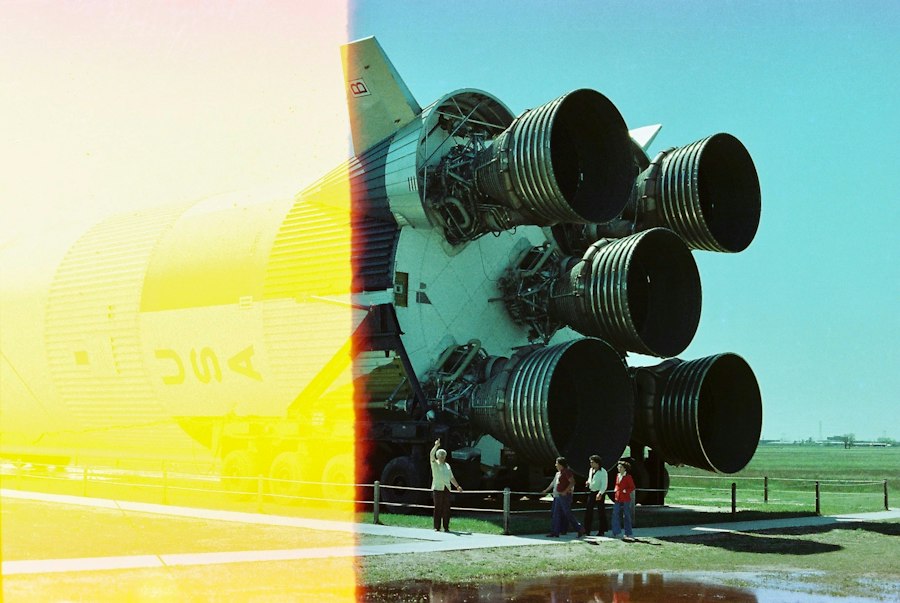
The detonation of a nuclear weapon in outer space, while different from an atmospheric or ground burst, carries with it a unique set of catastrophic consequences. These effects can range from immediate, devastating impacts to long-term, widespread environmental and technological disruptions. Understanding these consequences is crucial for appreciating the gravity of the threat.
Electromagnetic Pulse (EMP) and its Reach
One of the most significant and far-reaching effects of a high-altitude nuclear detonation is the generation of a powerful electromagnetic pulse (EMP). This pulse is an intense burst of electromagnetic radiation that can travel vast distances. In the context of space, an EMP generated by a nuclear explosion would not be confined by the Earth’s atmosphere or terrain. A single detonation in orbit could potentially disable unshielded electronic systems across an entire continent, or even globally, depending on the yield and altitude of the weapon. This means that critical infrastructure, including power grids, communication networks, financial systems, transportation control, and even military command and control systems, could be rendered inoperable. The cascading failures resulting from a widespread EMP attack would have a devastating impact on civilian life and societal order, potentially leading to widespread chaos and a collapse of essential services. The recovery from such an event would be a monumental, if not impossible, undertaking.
The Lethality of Orbital Debris and Radiation
Beyond the EMP, nuclear detonations in space would create immense amounts of lethal radiation and hazardous debris. The intense gamma and neutron radiation emitted by a nuclear explosion would pose a severe threat to astronauts and any future space infrastructure. Furthermore, the blast itself would generate a cloud of radioactive particles and debris that could remain in orbit for extended periods. This space debris would not only be radioactive but also travel at extremely high velocities, posing a collision risk to operational satellites, spacecraft, and potentially even to future space stations. The creation of a “kill chain” of debris in key orbits could render those regions of space unusable for decades, effectively creating “no-go zones” for any nation seeking to operate in space. This would have profound implications for scientific research, commercial activities, and essential global services that rely on satellite infrastructure. The long-term persistence of radioactive contaminants in the space environment is a significant environmental concern that transcends national borders.
Cascading Failures and the Collapse of Space-Dependent Systems
Modern civilization has become incredibly dependent on space-based systems. The internet, global positioning systems (GPS), weather forecasting, financial transactions, and much of our global communication infrastructure rely on constellations of satellites. A nuclear attack in space, particularly one designed to create widespread EMP or debris fields, could cripple these systems simultaneously. This would not be a localized event but a global crisis with far-reaching consequences. Imagine a world without GPS for navigation, without satellite communications for business and personal calls, without real-time weather data for agriculture and disaster preparedness. The interconnectedness of these systems means that the failure of one can trigger the failure of others in a catastrophic cascade. The economic and social ramifications of such a widespread technological collapse would be immense, potentially setting back human progress by decades and leading to widespread societal breakdown. The inability to coordinate disaster relief efforts, maintain supply chains, or even communicate effectively would exacerbate any existing crises.
Global Security Implications and the Escalation Ladder
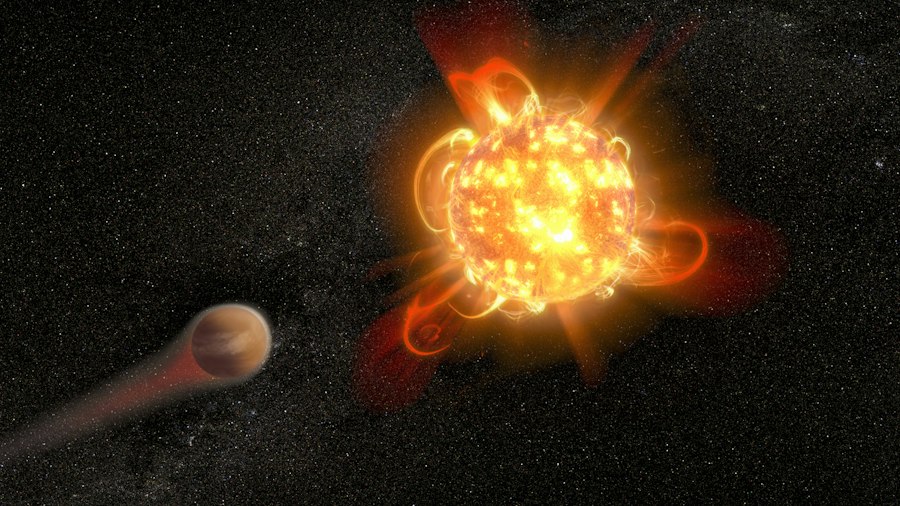
The deployment of nuclear weapons in outer space would not only cause immediate devastation but also fundamentally alter the global security landscape, creating new avenues for conflict and increasing the risk of escalation. The very nature of space as a domain further complicates these implications.
The Erosion of Deterrence and the New Arms Race
The presence of nuclear weapons in orbit would introduce a new and highly destabilizing element into existing deterrence calculations. The ability to launch a swift, potentially undetectable nuclear strike from space could undermine the concept of mutually assured destruction (MAD) that has, paradoxically, helped maintain a fragile peace during the Cold War. If one nation perceives itself as having a decisive advantage in space-based nuclear capabilities, it might be tempted to use that advantage, leading to a preemptive strike or a perceived window of opportunity for aggression. This would inevitably trigger a frantic arms race, with other nations rushing to develop their own space-based nuclear arsenals or countermeasures. Such an arms race would be incredibly expensive, divert resources from other critical areas, and significantly increase the risk of accidental or intentional conflict. The concept of “strategic stability” would be severely compromised.
The Blurring Lines Between Conventional and Nuclear Conflict
The development of advanced conventional space weapons, such as anti-satellite missiles, already blurs the lines between conventional and nuclear conflict. If these conventional weapons become sophisticated enough to disable vital enemy satellites, some states might perceive them as a first step towards a more aggressive space-based strategy. The presence of nuclear weapons in orbit would further exacerbate this blurring. A conventional attack on a satellite might be misinterpreted as a prelude to a nuclear strike, or vice versa. This ambiguity creates a dangerous environment where miscalculation and unintended escalation become highly probable. The temptation to escalate a conflict in space, even if initially conventional, could lead to the use of nuclear weapons, with catastrophic global consequences. The “escalation ladder” in space would be dangerously short and prone to rapid ascent.
The Challenge to International Law and Governance
The potential deployment of nuclear weapons in space presents a profound challenge to the existing international legal and governance frameworks designed to regulate activities in outer space. The Outer Space Treaty, while important, may not be sufficient to address the nuances of modern space-based weaponization. The lack of robust verification mechanisms for space-based systems makes it difficult to monitor compliance with any future treaty. Furthermore, the increasing number of states with space capabilities, and the growing influence of private actors in space, complicates efforts to establish and enforce a global consensus on preventing space weaponization. The absence of a strong, universally accepted framework for governing space warfare increases the likelihood of unilateral actions and the breakdown of international cooperation, paving the way for a chaotic and dangerous future. The principles of peaceful use and exploration enshrined in the Outer Space Treaty would be fundamentally undermined.
Preventing the Militarization of Space: Diplomatic and Technical Solutions
While the threat of nuclear weapons in outer space is grave, it is not an insurmountable challenge. A concerted effort involving diplomacy, robust arms control measures, and technological advancements can help prevent this dangerous scenario from materializing. Proactive measures are crucial before a point of no return is reached.
Strengthening Existing Treaties and Negotiating New Agreements
The cornerstone of preventing space weaponization lies in strengthening existing international agreements and negotiating new ones that specifically address the deployment of nuclear weapons in space. This includes enhancing the verification mechanisms of the Outer Space Treaty and exploring new treaties that explicitly ban the testing, development, and deployment of all types of space-based weapons, particularly those of mass destruction. International cooperation through forums like the United Nations is essential to foster dialogue, build consensus, and develop legally binding instruments. However, these efforts must be accompanied by a genuine commitment from all spacefaring nations to uphold these agreements and to prioritize peaceful exploration over weaponization. The transparency and confidence-building measures are critical to fostering trust among nations.
Promoting Transparency and Confidence-Building Measures
Transparency and confidence-building measures are vital to reducing suspicion and preventing miscalculations in the space domain. This can include reciprocal exchanges of data on satellite launches and activities, joint monitoring of space traffic, and pre-notification of certain space operations. Establishing clear protocols for de-escalation and crisis communication in the event of incidents in space would also be beneficial. Furthermore, promoting a culture of responsibility and restraint among all space actors, including governmental agencies and private companies, is crucial. Education and public awareness about the risks of space weaponization can also play a role in shaping political will and demanding peaceful solutions. Sharing information about potential threats and developing common understandings can mitigate the risks of misinterpretation and accidental escalation.
Investing in Space Situational Awareness and Deterrence of Aggression
While the primary goal is to prevent weaponization, robust space situational awareness (SSA) capabilities are essential. SSA allows nations to track objects in orbit, identify potential threats, and understand the evolving space environment. This information is critical for verifying compliance with treaties and for deterring aggression. Furthermore, developing non-nuclear space-based defensive capabilities, such as advanced satellite protection systems and debris mitigation technologies, can bolster security without resorting to nuclear weapons. However, it is crucial that these defensive capabilities do not inadvertently trigger an arms race. The focus should remain on ensuring the safety and security of space for all, not on creating offensive advantages. The development of resilient and redundant satellite systems can also mitigate the impact of potential attacks.
The potential for nuclear weapons detonations in outer space raises significant concerns about global security and the environment. As nations continue to develop advanced military technologies, understanding the implications of such actions becomes crucial. For a deeper insight into the historical context and current debates surrounding this issue, you can read a related article that explores the ramifications of space-based nuclear strategies. This comprehensive piece highlights the risks and ethical considerations involved in the militarization of space. To learn more, visit this article.
The Future of Space: Cooperation or Conflict?
| Test Name | Date | Location | Yield (kilotons) | Purpose | Notable Effects |
|---|---|---|---|---|---|
| Starfish Prime | July 9, 1962 | Outer space, 400 km altitude | 1,400 | High-altitude nuclear test | Generated artificial radiation belts, damaged satellites |
| Bluegill Triple Prime | October 26, 1962 | Outer space, 50 km altitude | 19 | High-altitude nuclear test | Produced electromagnetic pulse (EMP) effects |
| Checkmate | October 22, 1962 | Outer space, 147 km altitude | 300 | High-altitude nuclear test | Contributed to EMP data collection |
| Kingfish | November 1, 1962 | Outer space, 95 km altitude | 400 | High-altitude nuclear test | Studied EMP and radiation effects |
The decisions made today regarding the militarization of outer space will have profound and lasting consequences for generations to come. The path forward presents a stark choice between continued cooperation and a descent into a new, potentially catastrophic arms race.
The Imperative of International Collaboration
The challenges posed by the potential weaponization of space are global in nature and require global solutions. International collaboration is not merely desirable; it is imperative. Nations must work together to establish and uphold norms of responsible behavior in space, to share the benefits of space exploration, and to ensure that this frontier remains a domain of peace and scientific advancement for all humanity. The common interest in a safe and secure space environment far outweighs any perceived national advantage gained through weaponization. The interconnectedness of our reliance on space assets necessitates a collective approach to safeguarding them.
The Economic and Scientific Costs of Militarization
The immense financial and scientific resources that would be diverted to a space-based nuclear arms race could be far better utilized for addressing pressing global challenges such as climate change, poverty, and disease. Investing in space for peaceful purposes, such as scientific research, Earth observation for environmental monitoring, and the development of technologies for sustainable development, offers far greater long-term benefits to humanity. The pursuit of weaponization in space represents a profound misallocation of resources and a tragic squandering of potential. The pursuit of scientific discovery and technological innovation for the betterment of all humankind should be the guiding principle for our endeavors in space.
A Shared Responsibility for a Peaceful Space Future
Ultimately, the responsibility for preventing nuclear weapons in outer space lies with all nations, their leaders, and their citizens. It requires a sustained commitment to diplomacy, arms control, and the peaceful use of space. The narrative of space must shift from one of competition and potential conflict to one of shared stewardship and collective benefit. By working together, prioritizing de-escalation, and upholding the principles of international law, humanity can ensure that the final frontier remains a beacon of hope and a testament to our ability to cooperate for the common good, rather than a theater for our most destructive impulses. The future of space, and indeed global security, hinges on our collective will to choose peace over conflict.
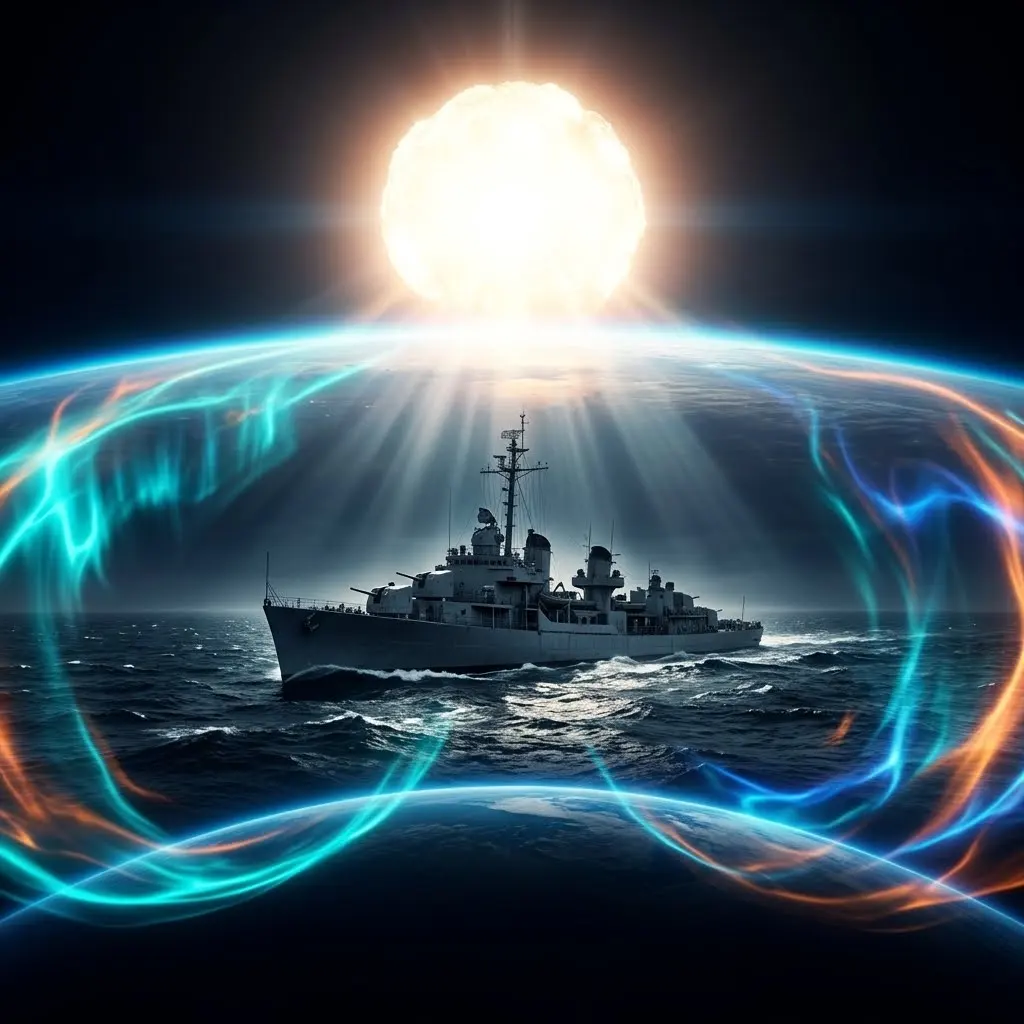
The 1958 Space Nukes Meant to Destroy Soviet Missiles
FAQs
1. Can nuclear weapons be detonated in outer space?
Yes, nuclear weapons can be detonated in outer space. The detonation of nuclear weapons in space has been tested by various countries during the Cold War era.
2. What are the potential consequences of detonating nuclear weapons in outer space?
The detonation of nuclear weapons in outer space can result in the creation of an electromagnetic pulse (EMP) that could disrupt or damage satellites, communication systems, and other electronic devices on Earth.
3. Have any countries conducted nuclear weapons tests in outer space?
Yes, both the United States and the Soviet Union conducted nuclear weapons tests in outer space during the Cold War. These tests were part of their efforts to develop and understand the effects of nuclear weapons in space.
4. Is there an international treaty that prohibits the placement of nuclear weapons in outer space?
Yes, the Outer Space Treaty, which was signed in 1967, prohibits the placement of nuclear weapons and other weapons of mass destruction in outer space. However, this treaty does not specifically address the detonation of nuclear weapons in space.
5. What are some of the challenges associated with detonating nuclear weapons in outer space?
Some of the challenges associated with detonating nuclear weapons in outer space include the potential for creating space debris, the risk of damaging satellites and other spacecraft, and the international political implications of such actions.