The deep ocean, a realm of crushing pressure and perpetual darkness, became a silent battlefield. Here, where light dared not penetrate and sound traveled vast distances, two titans of modern warfare engaged in a deadly dance of unseen pursuit. A state-of-the-art nuclear-powered submarine, a phantom of the abyss, was locked onto the faint acoustic signature of a potential adversary. This was no mere reconnaissance mission; it was a high-stakes game of cat and mouse, played out in the silent, frigid depths, where the slightest mistake could spell annihilation. The hunter, a vessel designed for ultimate stealth and sustained operational endurance, was a testament to human ingenuity in the art of underwater warfare. Its hull, a marvel of acoustic dampening and hydrodynamics, rendered it virtually invisible to sonar, while its nuclear heart provided an endless wellspring of power for its advanced propulsion systems and sophisticated sensor suites.
The Ghost Beneath the Waves
The lead submarine, designated ‘Shadow,’ was a product of decades of research and development. Its primary mission was deterrence and, when necessary, the swift neutralization of hostile naval assets. The current operation demanded the utmost discretion. Intelligence had indicated the presence of an enemy submarine, likely operating in a region vital to national interests. The exact nature and intent of this unknown vessel were unclear, but the mere possibility of a hostile presence in these waters necessitated immediate and discreet investigation. The mission parameters were simple: locate, track, and report. The ultimate objective, however, was far more complex: to gather actionable intelligence without revealing Shadow’s own presence, thereby maintaining the strategic advantage of surprise. The crew of Shadow, a carefully selected group of highly trained submariners, understood the gravity of their task. Every man aboard was a specialist, their lives intrinsically linked to the vessel’s capabilities and their collective ability to operate in perfect harmony. The captain, a seasoned veteran with a reputation for cool-headed decision-making under pressure, was the orchestrator of this silent opera. His every order, delivered in hushed tones or through encrypted digital messages, was executed with precision by his dedicated crew.
Whispers in the Current
The initial detection of the enemy submarine was a delicate affair. It began not with a definitive ping, but with a subtle distortion in the ambient noise of the ocean, a deviation from the predictable symphony of currents, marine life, and distant seismic activity. Shadow’s passive sonar arrays, ultra-sensitive instruments designed to “listen” rather than “shout,” picked up a faint, rhythmic thrumming. This was the tell-tale signature of a submarine’s machinery, a sound that, in the cacophony of the ocean, was akin to a whisper in a hurricane. The acoustic analysts in Shadow’s control room immediately began to analyze the signal. They compared it against a vast database of known submarine sounds, searching for a match or even a partial correlation. The sound was alien, yet familiar enough to suggest a manufactured origin. It was a signature that did not belong to any known friendly vessel. The tension in the control room was palpable, a quiet hum of focused concentration. The lights were dimmed, the crew’s movements were minimal, and every eye was fixed on the glowing screens that displayed the acoustic landscape. The lead sonar technician, his face illuminated by the faint glow of the display, carefully adjusted his headphones, leaning closer to the speakers. He was searching for more than just sound; he was searching for the truth hidden within the ocean’s embrace.
The Evolving Acoustic Signature
As the faint sound persisted, the acoustic analysts began to build a profile of the contact. They noted the frequency, the modulation, and the Doppler shift, all of which provided clues about the target’s speed, direction, and even its class of submarine. The rhythmic thrumming, though faint, was consistent, suggesting a vessel operating at a steady, albeit deliberate, pace. The challenge lay in the sheer vastness of the ocean. Sound travels efficiently underwater, but it also dissipates, refracts, and can be masked by a multitude of natural phenomena. A rogue wave, a sudden surge of warmer water, or even a pod of whales could momentarily obscure the target’s signature, creating agonizing moments of uncertainty. The team worked in shifts, their dedication unwavering, meticulously documenting every nuance of the sound. They knew that a single misinterpretation, a missed detail, could have catastrophic consequences. The enemy was not just a sound; it was a potential threat, and understanding its every characteristic was paramount to countering it. The analysis was a slow, painstaking process, akin to piecing together a shattered mosaic in the dark, relying on the faintest glimmers of light to guide their efforts.
In recent developments regarding naval operations, an intriguing article discusses the strategic implications of a nuclear submarine tracking another sub, highlighting the complexities of underwater warfare and the advancements in sonar technology. For more insights on this topic, you can read the full article here: Nuclear Submarine Tracking Operations. This analysis not only sheds light on the tactical maneuvers involved but also emphasizes the importance of stealth and detection in modern naval engagements.
The Stealthy Pursuit
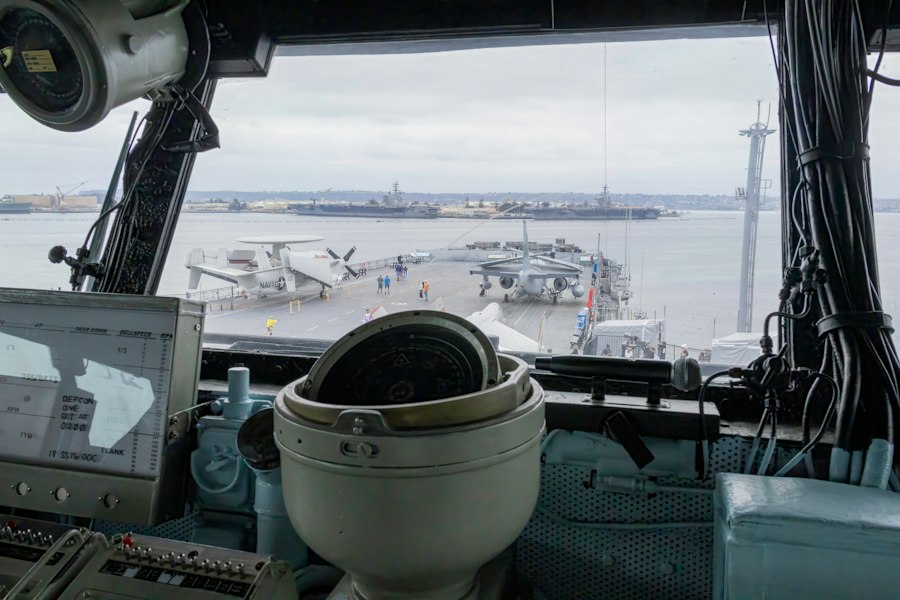
Shadow’s mission shifted from passive listening to active, albeit incredibly subtle, pursuit. The objective was to close the distance, to gain a more precise fix on the enemy’s position and intentions, all while remaining utterly undetected. This demanded a mastery of submarine maneuvering, a ballet of controlled movements designed to minimize acoustic emissions and avoid any pings from the enemy’s sonar, should they decide to actively search. The submarine’s internal systems were constantly monitored and adjusted. The engines, the life support, even the flow of water through the ballast tanks – every system that could generate a sound was meticulously managed.
Minimizing the Acoustic Footprint
The nuclear reactor provided silent, continuous power, a significant advantage over diesel-electric submarines that require periodic surfacing to recharge their batteries, exposing them to detection. However, even nuclear submarines generate noise. The hum of the reactor coolant pumps, the whine of the turbines, and the movement of the control surfaces all contribute to the overall acoustic signature. Shadow’s advanced sound-dampening technology, including specially designed hull coatings and engine mounts, worked tirelessly to absorb and dissipate these sounds, rendering them almost imperceptible. Furthermore, the submarine’s hydrodynamics were optimized for silent running. Its sleek, torpedo-like shape reduced drag and turbulence, allowing it to glide through the water with minimal disturbance. The crew practiced a doctrine of “slow and steady wins the race.” Aggressive maneuvers were avoided. Instead, the submarine would gently adjust its course and depth, following the faint acoustic trail of the enemy, like a predator patiently stalking its prey. Every movement was calculated to leave the smallest possible ripple in the ocean’s acoustic tapestry.
The Art of Sonar Evasion
The greatest threat to Shadow’s stealth was active sonar. If the enemy submarine detected Shadow and initiated an active sonar ping, the return signal would reveal Shadow’s position. To counter this, Shadow employed a multi-layered approach to sonar evasion. Firstly, it relied heavily on its passive sonar, its primary tool for tracking the enemy. By listening intently, Shadow could often track the target without needing to emit any sound itself. Secondly, if active sonar was deemed unavoidable, Shadow would utilize sophisticated counter-measures. These included decoys, which could mimic the acoustic signature of a submarine, drawing the enemy’s attention away from Shadow. Additionally, Shadow was equipped with advanced electronic warfare systems that could jam or spoof enemy sonar signals, creating confusion and misdirection. The submarine’s hull coatings also played a role, absorbing incoming sonar waves and reducing the strength of the returning echo. The crew practiced drills constantly, simulating scenarios where they might be detected, honing their reflexes and their ability to react instantaneously to evade a sonar lock. The constant interplay between detection and evasion was a tense, intricate dance, where milliseconds could mean the difference between mission success and catastrophic exposure.
Mastering the Deep Sea Environment
The ocean itself was both a sanctuary and a challenge for Shadow. Its immense volume offered unparalleled concealment, but its complex currents, thermal layers, and acoustic anomalies could also hinder detection and complicate pursuit. Understanding and exploiting these environmental factors was crucial for maintaining the stealth advantage. The crew of Shadow were experts in oceanography, their knowledge as vital as their technical skills.
Navigating the Acoustic Channels
The ocean’s water is not uniform. Variations in temperature, salinity, and pressure create layers, known as thermoclines and haloclines, which can significantly affect the speed and direction of sound waves. These layers can act like lenses, bending sound around obstacles or, conversely, creating “shadow zones” where sound does not penetrate. Shadow’s advanced sonar systems were capable of mapping these layers in real-time, allowing the crew to exploit them for maximum stealth. By maneuvering into deeper, colder waters, Shadow could often “hide” below a thermocline, rendering itself acoustically invisible to a shallower-diving enemy. Conversely, if the enemy was detected in a deep trench, Shadow might utilize shallower waters to maintain its acoustic advantage. The sonar operators continuously analyzed the acoustic propagation patterns, adapting their listening strategies to the prevailing oceanographic conditions. They were not just listening for the enemy; they were listening to the ocean itself, interpreting its subtle whispers to their advantage.
The Deception of the Abyss
The ocean floor, with its canyons, seamounts, and trenches, provided a complex acoustic landscape that could be used for concealment. Shadow’s navigators were skilled in utilizing these features to mask its presence. If the enemy was detected in a particular area, Shadow might maneuver behind a large seamount, using the geological formation to block any direct acoustic path. Similarly, operating within the confines of a deep trench could limit the range and effectiveness of the enemy’s sonar. However, these features also presented navigational hazards. The risk of grounding or collision was ever-present, requiring meticulous charting and precise maneuvering. The crew would use detailed bathymetric charts, combined with onboard sonar and inertial navigation systems, to maintain an accurate picture of their surroundings. The pursuit often involved navigating through treacherous underwater terrain, a testament to the skill and bravery of the submarine’s crew. The deep sea, with its hidden obstacles and unpredictable currents, was a constant test of their mastery over their vessel and their environment.
The Silent Standoff
As Shadow closed the distance, the intensity of the pursuit escalated. The enemy submarine, though still unaware of its pursuer, was now within the effective range of Shadow’s most advanced sensors. This was the critical phase, where the slightest misstep could lead to discovery. The crew of Shadow understood that they were no longer just tracking; they were engaging in a silent standoff, a war of nerves where anticipation and discipline were the primary weapons.
The Cat and Mouse Game Intensifies
The enemy submarine, perhaps sensing a subtle shift in the acoustic environment or simply following its own patrol plan, began to alter its course and speed. Shadow’s crew responded with equal precision, their movements a mirror image of the target’s, but with an added layer of caution. The acoustic analysts worked feverishly, updating the target’s profile with every change. Was the enemy conducting a routine patrol, or was it searching for something? The subtle variations in its speed and turning radius provided clues, but no definitive answers. The pressure in the control room intensified, the silence broken only by the soft whirring of equipment and the hushed commands of the officers. Every crew member felt the weight of responsibility, knowing that their collective vigilance was the only barrier between their vessel and potential detection. The ballet of stealth continued, each submarine a ghost in the dark, their paths interwoven by invisible threads of sound and water.
Unmasking the Adversary
The ultimate goal was not just to track, but to identify. Shadow’s intelligence gathering systems were designed to capture a wealth of data about the enemy vessel. Sophisticated acoustic processing algorithms could, with enough data, identify the specific class and even the individual submarine. Further analysis of its operational patterns could reveal its mission and its potential threat level. The crew collected every scrap of information: its speed, its depth, its acoustic signature, its maneuvering characteristics. They looked for any anomalies, any deviations from expected behavior that might indicate a change in its mission or an alert status. The information gathered by Shadow would be crucial for informing strategic decisions, allowing naval command to understand the threat and formulate an appropriate response. It was a silent war, fought not with missiles and torpedoes, but with data and deception. The mastery of the underwater domain, the ability to remain unseen and unheard, was the ultimate weapon in this deep-sea standoff.
In recent developments regarding naval operations, a fascinating article discusses the intricate methods used by nuclear submarines to track other submarines, highlighting the advanced technologies and strategies employed in underwater warfare. This piece provides insight into how stealth and detection capabilities play a crucial role in maintaining naval superiority. For more details on this topic, you can read the full article here.
The Information is Delivered
| Metric | Description | Typical Value | Unit |
|---|---|---|---|
| Tracking Range | Maximum distance at which the tracking submarine can detect the target sub | 10-20 | nautical miles |
| Sonar Frequency | Frequency used by active/passive sonar systems for detection | 1-10 | kHz |
| Target Speed | Speed of the submarine being tracked | 20-30 | knots |
| Tracking Sub Speed | Speed of the submarine performing the tracking | 15-25 | knots |
| Detection Probability | Likelihood of successfully detecting the target sub | 0.7-0.9 | Probability (0-1) |
| Tracking Duration | Average time the target sub is tracked continuously | 30-120 | minutes |
| Noise Level | Ambient noise affecting sonar performance | 40-60 | dB |
| Depth of Target Sub | Operating depth of the submarine being tracked | 200-400 | meters |
| Depth of Tracking Sub | Operating depth of the tracking submarine | 150-350 | meters |
With the enemy submarine’s course, speed, and probable mission profile meticulously documented, Shadow’s primary objective was achieved. The mission was now to disengage from the pursuit, to melt back into the ocean’s embrace, and to deliver its vital intelligence to friendly forces. This disengagement was as critical as the pursuit itself, requiring a careful execution to avoid revealing the recent proximity of Shadow to the enemy. The information gathered was more than just data; it was a strategic advantage, a key to understanding and potentially neutralizing a looming threat.
The Art of the Silent Breakaway
Disengaging from a target that is unaware of your presence is a delicate art. Shadow’s captain orchestrated a slow, deliberate change in course and depth, gradually increasing the distance between his vessel and the enemy. The environmental conditions were again exploited, utilizing thermoclines and ocean floor topography to create acoustic barriers. The sonar team continued to monitor the enemy’s signature until it faded into the background noise, ensuring that no sudden change in the enemy’s behavior indicated detection. The entire process was a masterclass in stealth, a testament to the rigorous training and advanced technology that allowed Shadow to operate with such impunity in the silent depths. The crew breathed a collective sigh of relief as the enemy’s acoustic signature finally disappeared from their displays, signifying a successful, undetected withdrawal.
The Transmission of Vital Intelligence
Once Shadow was at a safe distance and had confirmed its stealthy disengagement, the crucial task of transmitting the gathered intelligence began. This was done through highly secure, encrypted communications channels, often utilizing specialized relay buoys or the submarine’s own advanced communication systems that could transmit in extremely low-frequency (ELF) bands, capable of penetrating the ocean’s depths. The data package contained detailed acoustic signatures, navigational tracks, estimated speed and depth profiles, and any inferred operational patterns. This information was invaluable, providing naval command with a clear picture of the enemy’s presence, capabilities, and potential intentions. The submarine, having acted as an unseen sentinel, had fulfilled its mission by transforming the mystery of an unknown acoustic signature into actionable intelligence, thereby safeguarding national security in the silent, unforgiving domain of the deep ocean.

The Soviet Submarine Britain Lost—Then Found Again
FAQs
1. How do nuclear submarines track other submarines?
Nuclear submarines track other submarines using a variety of methods, including sonar systems, passive listening devices, and periscopes equipped with cameras.
2. Can a nuclear submarine track another sub without being detected?
Nuclear submarines are designed to operate stealthily, but it is still possible for a skilled crew to detect another sub using advanced sonar technology and other detection methods.
3. What are the challenges of tracking a submarine underwater?
Tracking a submarine underwater presents challenges such as the vastness of the ocean, the presence of marine life that can interfere with sonar signals, and the need to remain undetected while tracking the target.
4. How do nuclear submarines communicate while tracking another sub?
Nuclear submarines use secure communication systems such as encrypted radio transmissions and satellite communication to relay information while tracking another sub.
5. What is the purpose of a nuclear submarine tracking another sub?
The purpose of a nuclear submarine tracking another sub can vary, but it is often done for training exercises, intelligence gathering, or to monitor the movements of potential threats in the ocean.