The Echoes of the Cold War: A Nuclear Missile Accident Near Damascus, Arkansas
The quiet farmland surrounding Damascus, Arkansas, a community nestled in the rolling hills of Faulkner County, has long been synonymous with tranquility and agricultural life. For decades, the most significant concerns in this region revolved around crop yields, weather patterns, and the occasional county fair. However, in the twilight of the Cold War, an event unfolded that threatened to shatter this peaceful existence and cast a chilling shadow over the nation. The whispered accounts and hushed investigations surrounding a nuclear missile accident near Damascus would become a stark reminder of the perilous tightrope humanity walked during an era of unprecedented nuclear proliferation. This incident, though largely unpublicized in its immediate aftermath, offers a profound case study in the fragility of nuclear systems, the critical importance of robust safety protocols, and the enduring anxieties that defined the Cold War.
A World Divided: The Bipolar Nuclear Order
The latter half of the 20th century was defined by a global geopolitical struggle between two superpowers: the United States and the Soviet Union. This ideological clash, often referred to as the Cold War, was characterized by proxy wars, espionage, and a relentless arms race. At the heart of this rivalry lay the development and deployment of nuclear weapons. Both nations amassed vast arsenals, capable of inflicting unimaginable destruction, creating a state of mutually assured destruction (MAD) that, paradoxically, prevented direct military confrontation but fostered pervasive fear.
The Sonic Boom of Deterrence: Nuclear Posture and Missile Deployment
In this climate of fear and competition, the United States adopted a strategy of nuclear deterrence. This involved maintaining a credible threat of retaliation, ensuring that any aggression by the Soviet Union would result in devastating consequences. A crucial component of this strategy was the deployment of Intercontinental Ballistic Missiles (ICBMs) in hardened silos across the country. These missile bases, often situated in remote and strategically advantageous locations, served as the nation’s ultimate insurance policy. Arkansas, with its vast tracts of relatively sparsely populated land, became home to several such facilities, contributing to the state’s quiet, yet significant, role in the nation’s defense.
The Unseen Guardians: Life on and Around Missile Bases
Life for the personnel stationed at these missile bases, and for the communities that lived in their proximity, was a unique blend of normalcy and underlying tension. While the day-to-day operations were often routine, the ever-present knowledge of the destructive power housed beneath their feet was an inescapable reality. Families adapted, children grew up with a different understanding of their nation’s security apparatus, and the local economies often benefited from the presence of these vital military installations. Yet, the potential for catastrophe, however remote, always lingered in the collective consciousness.
In light of the recent nuclear missile accident near Damascus, Arkansas, it is crucial to stay informed about the implications and potential consequences of such incidents. For a deeper understanding of the topic, you can read a related article that explores the historical context and safety measures surrounding nuclear facilities. This insightful piece can be found at this link.
The Unfolding Crisis: An Incident Near Damascus
Whispers in the Wheat Fields: The Initial Reports
The specifics of the nuclear missile accident near Damascus, Arkansas, remain shrouded in a degree of official secrecy and fragmented accounts. However, historical records and declassified documents suggest an incident occurred during the latter years of the Cold War, a period when the operational tempo of nuclear forces was particularly high. The initial reports, if they surfaced at all in the public domain at the time, were likely couched in vague terms, speaking of “technical malfunctions” or “minor incidents” to avoid widespread panic and to protect national security interests. The true nature and severity of the event were likely understood only by a select few within the military and government.
The Unforeseen Malfunction: Technical Vulnerabilities and Human Error
The precise cause of the accident is difficult to definitively ascertain due to the passage of time and the nature of the event. However, such incidents typically stem from a confluence of factors: the inherent complexity of the technological systems involved, the possibility of component failure, and the ever-present specter of human error. Nuclear missile systems are comprised of countless intricate parts, each requiring meticulous maintenance and strict adherence to operational procedures. A single lapse in judgment, a faulty sensor, or an unexpected electrical surge could, in theory, have catastrophic consequences.
The Near Miss: Evacuations and Containment Efforts
While details are scarce, the narrative that has coalesced around the Damascus incident suggests a situation that narrowly averted disaster. The potential for a nuclear detonation, or at least a significant radiological release, would have triggered immediate and drastic emergency protocols. This would likely have involved rapid evacuation of the surrounding areas, the mobilization of specialized military and emergency response teams, and a concerted effort to contain any potential contamination. The sheer logistics of such an undertaking, in a rural community, would have been immense, requiring swift and decisive action.
Examining the Unseen: The Nature of the Accident
The Missile in Question: Identifying the Perpetrator of the Near Disaster
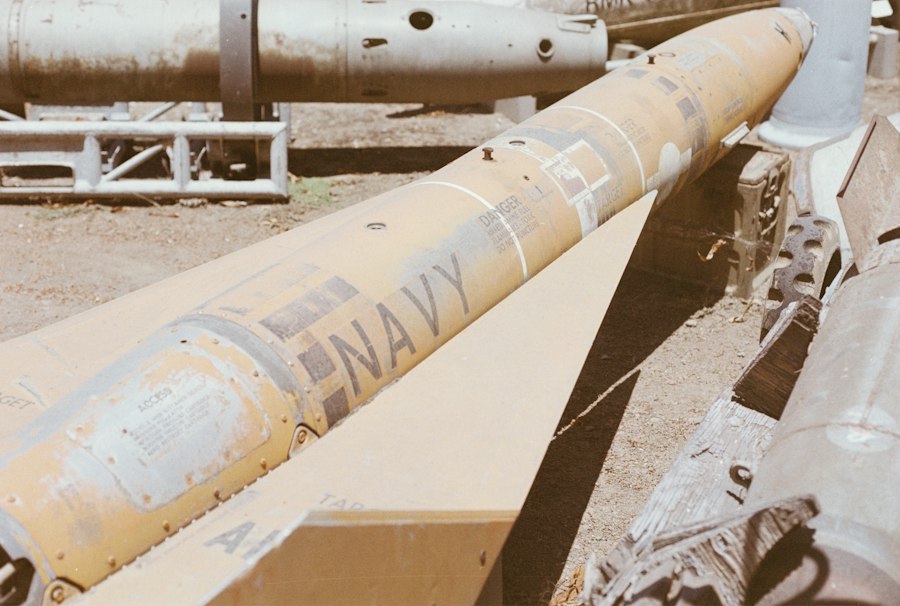
While specific model numbers and deployment details might be classified, it is understood that the incident involved a nuclear-tipped intercontinental ballistic missile stationed at a nearby military facility. These missiles, designed for swift and devastating deployment, were the apex of Cold War military technology. Their sheer power, measured in megatons, meant that even a partial or uncontrolled detonation could have had devastating regional and potentially global consequences. The presence of such a weapon in close proximity to a civilian population underscored the inherent risks of the nuclear age.
The Scenario: What Could Have Gone Wrong?
Several scenarios could have led to a nuclear missile accident. These might include:
Accidental Launch Sequence Initiation:
The most terrifying possibility would be the accidental initiation of a launch sequence. This could be triggered by a variety of factors, from a faulty computer system to a misinterpretation of signals. The safeguards in place are designed to prevent this, requiring multiple confirmations and authorizations. However, the sheer number of potential failure points in such a complex system means that the risk, however minuscule, cannot be entirely eliminated.
Catastrophic Component Failure:
The intricate machinery within a nuclear missile is subject to wear and tear, despite rigorous maintenance. A critical component failure, such as a problem with the guidance system, the warhead’s safety mechanisms, or the rocket motors, could lead to an uncontrolled detonation or a dispersal of radioactive materials. The extreme temperatures and pressures involved in a missile launch or detonation mean that such failures could be rapid and devastating.
Explosive Ordnance Detonation:
While distinct from nuclear detonation, the conventional explosives used to initiate the nuclear reaction within a warhead are also immensely powerful. An accidental detonation of these conventional explosives could lead to the dispersal of radioactive material, creating a significant radiological hazard, even without a full nuclear yield. This scenario, often referred to as a “broken arrow” incident, is a serious concern in nuclear weapons storage and transport.
Environmental Factors:
Extreme weather conditions, seismic activity, or even sabotage could potentially compromise the integrity of a missile silo or the weapon itself. While silos are designed to withstand significant environmental stressors, unforeseen events could still pose a threat.
The Containment: Safeguarding the Surrounding Environment
In the event of an accident, containment would be the paramount concern. This would involve a multi-faceted approach:
Immediate Isolation of the Site:
The first and most crucial step would be to immediately isolate the affected area, preventing any unauthorized access and minimizing the spread of potential contamination. This would involve military personnel, law enforcement, and possibly hazardous materials teams.
Radiological Monitoring and Assessment:
Specialized teams would be deployed to conduct extensive radiological monitoring of the air, soil, and water. This would help determine the extent of any radioactive release and identify areas requiring immediate remediation.
Decontamination Efforts:
Should a radiological release occur, extensive decontamination efforts would be necessary to clean affected areas and equipment. This is a complex and time-consuming process, often requiring specialized equipment and techniques.
The Aftermath and the Veil of Secrecy

The Silent Treatment: Public Information and Media Blackout
The prevailing Cold War doctrine of secrecy meant that incidents involving nuclear weapons were rarely, if ever, fully disclosed to the public. The potential for mass panic and the strategic advantage of keeping adversaries in the dark far outweighed the perceived need for transparency. Therefore, it is highly probable that the Damascus incident, even if it involved significant danger, was met with a deliberate information blackout. Official statements, if any, would have been carefully worded to downplay the severity of the event.
The Investigations: Uncovering the Truth Behind Closed Doors
While the public remained largely unaware, internal investigations would undoubtedly have been launched by the military and relevant government agencies. These investigations would aim to determine the exact cause of the accident, identify any systemic failures, and implement measures to prevent future occurrences. The findings of these investigations would likely have been classified for decades, buried within national archives. The absence of public discourse on the matter does not equate to a lack of meticulous post-incident analysis.
The Ripple Effect: Impact on Local Communities and National Security
The immediate impact on the Damascus community would have been localized and, by design, largely invisible to the wider public. However, the psychological impact on those who were aware, even if only through rumor or vague official communication, could have been significant. The knowledge that such a dangerous event had occurred so close to home would likely have instilled a deeper sense of unease and vulnerability. On a national level, such incidents served as stark reminders of the inherent risks associated with maintaining a nuclear arsenal and the constant need for vigilance and technological advancement in safety protocols.
In recent discussions about nuclear safety, the incident involving a nuclear missile accident near Damascus, Arkansas has raised significant concerns. This event highlights the importance of stringent safety protocols and the potential consequences of lapses in nuclear security. For a deeper understanding of the implications of such accidents, you can read more in a related article found here, which explores the broader context of nuclear safety and the measures needed to prevent future incidents.
Lessons Learned and Enduring Legacies
| Metric | Details |
|---|---|
| Incident Name | Damascus Titan II Missile Explosion |
| Date | September 18, 1980 |
| Location | Damascus, Arkansas, USA |
| Missile Type | Titan II Intercontinental Ballistic Missile (ICBM) |
| Cause | Accidental puncture of missile fuel tank by a dropped socket |
| Explosion Type | Fuel explosion (non-nuclear) |
| Nuclear Detonation | No |
| Casualties | 1 fatality (Air Force missile technician) |
| Radiation Release | None reported |
| Damage | Destruction of missile silo and missile |
| Emergency Response | Evacuation and containment by military personnel |
| Long-term Impact | Increased safety protocols for missile maintenance |
The Fragility of the Nuclear Shield: A Constant Reminder
The nuclear missile accident near Damascus, Arkansas, serves as a potent illustration of the inherent fragility of even the most sophisticated technological systems. While nuclear weapons were designed to provide security through deterrence, their very existence carried an undeniable risk. The near misses, the accidents, and the constant threat of human error underscored that the nuclear shield was not an impenetrable fortress but a precarious balance held together by technology and human diligence.
The Importance of Safety Culture and Robust Protocols:
This incident, like others of its kind, highlights the paramount importance of a deeply ingrained safety culture within any organization handling hazardous materials, especially nuclear weapons. Rigorous training, meticulous adherence to protocols, continuous self-assessment, and a willingness to report and address even minor anomalies are crucial. The lessons learned from such events have, over time, contributed to the refinement of safety standards and operational procedures within nuclear forces worldwide.
The Echoes of the Past: Nuclear Preparedness in the Modern Era
While the Cold War has ended, the legacy of that era’s nuclear arms race continues to shape the world. The infrastructure, the knowledge, and the underlying risks associated with nuclear weapons have not disappeared. The Damascus incident, though seemingly a relic of the past, serves as a reminder that the responsibility for nuclear safety and security is an ongoing and critical endeavor. The continued existence of nuclear weapons necessitates ongoing vigilance, international cooperation, and a commitment to preventing the unimaginable. The quiet fields of Arkansas, once disturbed by the specter of nuclear disaster, stand as a silent testament to the lessons learned and the vigilance required in a world still living with the echoes of the nuclear age. The true depth of the incident’s impact and the full extent of the lessons learned may never be fully known, but its existence serves as an indelible mark on the history of nuclear preparedness and the enduring anxieties of global security.

How a Dropped Socket Destroyed a Titan II Missile
FAQs
What happened in the nuclear missile accident near Damascus, Arkansas?
An incident involving a nuclear missile occurred near Damascus, Arkansas, resulting in a significant threat to public safety.
Was there any radiation leak or nuclear explosion in the accident?
There was no radiation leak or nuclear explosion reported in the nuclear missile accident near Damascus, Arkansas.
What caused the nuclear missile accident near Damascus, Arkansas?
The exact cause of the nuclear missile accident near Damascus, Arkansas is still under investigation by authorities.
Were there any casualties or injuries in the nuclear missile accident near Damascus, Arkansas?
There were no reported casualties or injuries resulting from the nuclear missile accident near Damascus, Arkansas.
What measures were taken to address the aftermath of the nuclear missile accident near Damascus, Arkansas?
Emergency response teams were deployed to the scene to secure the area and prevent any further risks to public safety. Authorities are working to assess the situation and ensure proper handling of the incident.