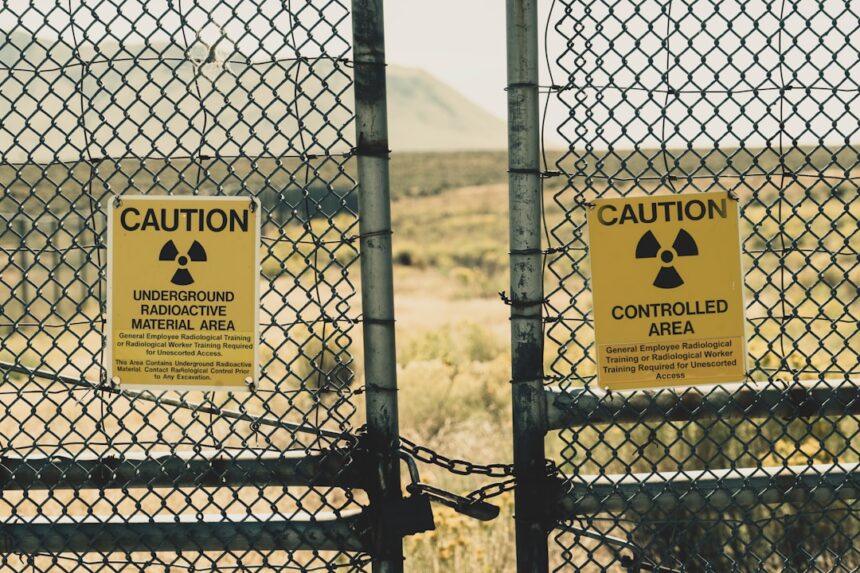
Nuclear crisis management is a critical aspect of global security, particularly in an era where the proliferation of nuclear weapons and technology poses significant risks. The management of nuclear crises involves a complex interplay of technical expertise, political will, and public communication. As nations grapple with the potential consequences of nuclear accidents or conflicts, the importance of effective crisis management becomes increasingly evident.
The essence of nuclear crisis management lies in its ability to mitigate risks and respond effectively to emergencies. This requires a comprehensive understanding of nuclear technology, robust emergency response protocols, and the capacity to engage with various stakeholders, including government agencies, international organizations, and the public.
As the world continues to navigate the challenges posed by nuclear energy and weaponry, the lessons learned from past crises become invaluable in shaping future strategies for prevention and response.
Key Takeaways
- Effective nuclear crisis management requires clear communication, coordination, and preparedness.
- Historical failures often stemmed from political interference and inadequate training.
- Public perception plays a critical role in shaping nuclear crisis responses.
- International cooperation is essential to improve nuclear crisis management globally.
- Lessons learned from past failures have led to significant improvements and future strategies.
Historical Examples of Nuclear Crisis Management Failures
Throughout history, there have been several notable instances where nuclear crisis management has faltered, leading to dire consequences. One of the most infamous examples is the Chernobyl disaster in 1986. The explosion at the Chernobyl Nuclear Power Plant in Ukraine not only resulted in immediate loss of life but also released a significant amount of radioactive material into the atmosphere.
The initial response was marred by a lack of transparency and coordination among Soviet authorities, which delayed evacuation efforts and exacerbated the health impacts on local populations. The failure to communicate effectively about the risks associated with radiation exposure highlighted significant shortcomings in crisis management protocols. Another critical example is the Fukushima Daiichi nuclear disaster in Japan in 2011.
Following a massive earthquake and tsunami, the plant experienced meltdowns that released radioactive materials into the environment. The Japanese government’s response was criticized for its slow pace and lack of clear communication with both the public and international community. The crisis revealed gaps in preparedness and response strategies, as well as the need for better coordination among various agencies involved in nuclear safety.
These historical failures serve as stark reminders of the potential consequences when nuclear crisis management systems are inadequate.
Factors Contributing to Nuclear Crisis Management Failures
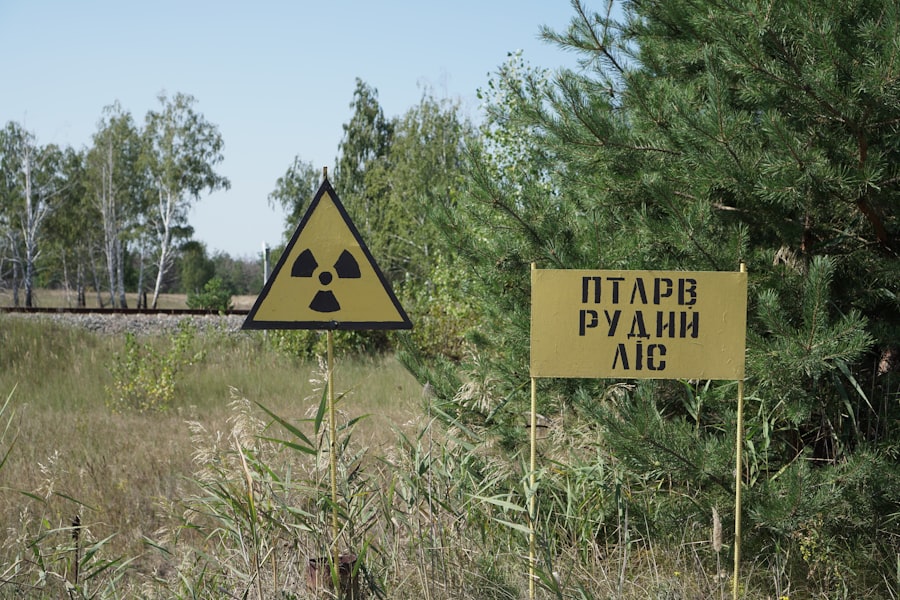
Several factors contribute to failures in nuclear crisis management, often intertwining to create a complex web of challenges. One significant factor is the inherent complexity of nuclear technology itself. The technical nature of nuclear systems requires specialized knowledge and expertise, which may not always be readily available during a crisis.
This complexity can lead to misunderstandings or miscalculations that exacerbate an already precarious situation. Additionally, organizational culture within nuclear facilities can play a crucial role in crisis management outcomes. A culture that prioritizes safety and transparency is essential for effective crisis response.
However, if an organization fosters a culture of secrecy or complacency, it can hinder timely decision-making and lead to catastrophic results. The interplay between technical challenges and organizational dynamics underscores the need for comprehensive training and a commitment to safety at all levels.
Lack of Communication and Coordination in Nuclear Crisis Management
Effective communication is paramount during any crisis, but it becomes even more critical in the context of nuclear incidents. A lack of clear communication can lead to confusion, misinformation, and panic among affected populations. During the Chernobyl disaster, for instance, the Soviet government’s initial reluctance to disclose information about the severity of the situation resulted in widespread distrust and fear among citizens.
This lack of transparency not only hampered immediate response efforts but also had long-lasting effects on public perception of nuclear safety. Coordination among various agencies is equally vital in managing nuclear crises. In many cases, multiple organizations—ranging from local emergency services to national governments—must work together to address the situation effectively.
However, bureaucratic hurdles and differing priorities can impede this collaboration. The Fukushima disaster illustrated this challenge, as various governmental bodies struggled to coordinate their responses amidst the chaos. Establishing clear lines of communication and fostering collaboration among stakeholders is essential for improving crisis management outcomes.
Political Interference and Nuclear Crisis Management
| Incident | Year | Location | Primary Cause of Failure | Casualties | Environmental Impact | Response Time | Long-term Consequences |
|---|---|---|---|---|---|---|---|
| Chernobyl Disaster | 1986 | Ukraine (then USSR) | Reactor design flaws and operator error | Approximately 31 immediate deaths, thousands later | Massive radioactive contamination over large areas | Delayed initial response, several hours | Exclusion zone, increased cancer rates, long-term ecological damage |
| Fukushima Daiichi | 2011 | Japan | Natural disaster (earthquake and tsunami) and inadequate safety measures | No immediate deaths from radiation, some from evacuation stress | Significant radioactive release into ocean and atmosphere | Initial response within hours, but containment took weeks | Evacuation zones, ongoing cleanup, health monitoring |
| Three Mile Island | 1979 | USA | Equipment failure and operator error | No direct deaths | Minor radioactive release, localized contamination | Immediate response within minutes | Stricter regulations, public distrust in nuclear power |
| Kyshtym Disaster | 1957 | Russia (then USSR) | Waste storage tank explosion due to poor management | Estimated 200+ deaths from radiation exposure | Large radioactive contamination, restricted area created | Response delayed for days | Long-term health effects, secrecy hampered response |
Political interference can significantly impact nuclear crisis management efforts, often complicating decision-making processes during emergencies. In some instances, political leaders may prioritize their interests or agendas over public safety, leading to delayed or inadequate responses. This was evident during the early stages of the Chernobyl disaster when political considerations influenced the timing and nature of information released to the public.
Moreover, political dynamics can create barriers to international cooperation during nuclear crises. Countries may be reluctant to share information or resources due to concerns about national security or sovereignty. This reluctance can hinder collective efforts to address crises that have far-reaching implications beyond national borders.
To enhance nuclear crisis management, it is crucial for political leaders to prioritize transparency and collaboration over partisan interests.
Inadequate Training and Preparedness in Nuclear Crisis Management
Training and preparedness are fundamental components of effective nuclear crisis management. However, many organizations may fall short in these areas due to budget constraints or a lack of emphasis on safety culture. Inadequate training can leave personnel ill-equipped to respond effectively during a crisis, increasing the likelihood of missteps that could exacerbate an already dangerous situation.
Preparedness also extends beyond individual organizations; it encompasses national and international frameworks for responding to nuclear incidents. Countries must invest in regular drills and simulations that test their readiness for potential crises. The absence of such preparedness measures can lead to chaotic responses when real emergencies occur, as seen during both Chernobyl and Fukushima.
By prioritizing training and preparedness at all levels, nations can significantly improve their ability to manage nuclear crises effectively.
Public Perception and Nuclear Crisis Management
Public perception plays a crucial role in shaping responses to nuclear crises. When incidents occur, how authorities communicate with the public can influence trust and compliance with safety measures. Misinformation or perceived inadequacies in communication can lead to panic and resistance among affected populations.
For instance, during the Fukushima disaster, conflicting messages from officials created confusion about safety measures and evacuation protocols. Moreover, public perception of nuclear energy itself can impact crisis management efforts. In regions where nuclear power is viewed with skepticism or fear, authorities may face additional challenges in gaining public cooperation during emergencies.
Building trust through transparent communication and community engagement is essential for effective crisis management.
Lessons Learned from Nuclear Crisis Management Failures
The failures observed in past nuclear crises have yielded valuable lessons that can inform future strategies for crisis management. One key takeaway is the importance of transparency and timely communication with both the public and international community. Authorities must prioritize clear messaging during emergencies to mitigate misinformation and build trust among affected populations.
Another critical lesson is the necessity for robust training programs that emphasize safety culture within organizations involved in nuclear operations. Regular drills and simulations can help ensure that personnel are prepared to respond effectively when crises arise. Additionally, fostering collaboration among various stakeholders—both domestically and internationally—can enhance overall preparedness and response capabilities.
Improvements in Nuclear Crisis Management
In light of past failures, there have been concerted efforts to improve nuclear crisis management practices globally. Many countries have implemented stricter regulations governing nuclear safety and emergency preparedness. These regulations often include requirements for regular safety drills, enhanced training programs for personnel, and improved communication protocols during crises.
International organizations such as the International Atomic Energy Agency (IAEA) have also played a pivotal role in promoting best practices for nuclear safety and crisis management worldwide. By facilitating information sharing and collaboration among member states, these organizations help strengthen global preparedness for potential nuclear incidents.
International Cooperation in Nuclear Crisis Management
International cooperation is essential for effective nuclear crisis management, given that nuclear incidents can have far-reaching consequences beyond national borders. Collaborative frameworks allow countries to share resources, expertise, and information during emergencies, enhancing overall response capabilities. Initiatives such as joint exercises and training programs foster relationships among nations while building collective resilience against potential crises.
Furthermore, international treaties aimed at non-proliferation and disarmament contribute to reducing the likelihood of nuclear conflicts that could necessitate crisis management efforts. By working together on these fronts, nations can create a safer global environment while ensuring that they are better prepared to respond should crises arise.
Conclusion and Future Outlook for Nuclear Crisis Management
As the world continues to navigate the complexities of nuclear technology, effective crisis management remains a pressing concern for governments and organizations alike. The lessons learned from historical failures underscore the need for ongoing improvements in communication, training, and international cooperation. By prioritizing these areas, nations can enhance their preparedness for potential nuclear incidents while fostering public trust through transparent engagement.
Looking ahead, it is imperative that countries remain vigilant in their efforts to strengthen nuclear crisis management frameworks. As new technologies emerge and geopolitical tensions evolve, proactive measures will be essential in mitigating risks associated with nuclear energy and weaponry. Through collaboration and commitment to best practices, the global community can work towards a safer future where the specter of nuclear crises is managed effectively and responsibly.
In examining the complexities of nuclear crisis management, it is crucial to understand the implications of past failures. A related article that delves into this topic is available at this link, where it discusses key lessons learned from historical incidents and the importance of effective communication and preparedness in preventing future crises.
WATCH THIS 🛑 The Submarine Captain Who Said NO to Nuclear War
FAQs
What is nuclear crisis management?
Nuclear crisis management refers to the strategies, protocols, and actions taken by governments and international organizations to prevent, respond to, and resolve emergencies involving nuclear weapons or nuclear facilities.
What constitutes a failure in nuclear crisis management?
A failure in nuclear crisis management occurs when the systems or processes designed to prevent or mitigate a nuclear incident do not function effectively, leading to escalation, miscommunication, or inability to control the situation.
What are common causes of nuclear crisis management failures?
Common causes include miscommunication between parties, lack of clear protocols, technological malfunctions, human error, political tensions, and inadequate preparedness or training.
What are the potential consequences of a nuclear crisis management failure?
Consequences can range from increased risk of nuclear conflict, accidental detonation, environmental contamination, loss of life, and long-term geopolitical instability.
How do countries typically prepare for nuclear crisis management?
Countries prepare through diplomatic channels, establishing communication hotlines, conducting joint exercises, developing early warning systems, and creating detailed response plans.
What role do international organizations play in nuclear crisis management?
Organizations like the United Nations and the International Atomic Energy Agency facilitate dialogue, monitor compliance with treaties, provide technical assistance, and help coordinate responses to nuclear emergencies.
Can nuclear crisis management failures be prevented?
While it is challenging to eliminate all risks, failures can be minimized through robust communication, transparency, continuous training, adherence to international agreements, and investment in reliable technology.
Have there been historical examples of nuclear crisis management failures?
Yes, notable examples include the Cuban Missile Crisis near-escalation, the 1983 Soviet nuclear false alarm incident, and various near-miss events during the Cold War where misinterpretations nearly led to conflict.
What lessons have been learned from past nuclear crisis management failures?
Key lessons include the importance of direct communication channels, the need for verification mechanisms, the value of diplomatic engagement, and the critical role of crisis simulation exercises.
How can individuals stay informed about nuclear crisis management issues?
Individuals can follow reputable news sources, governmental and international agency reports, academic publications, and participate in public forums or educational programs related to nuclear security.