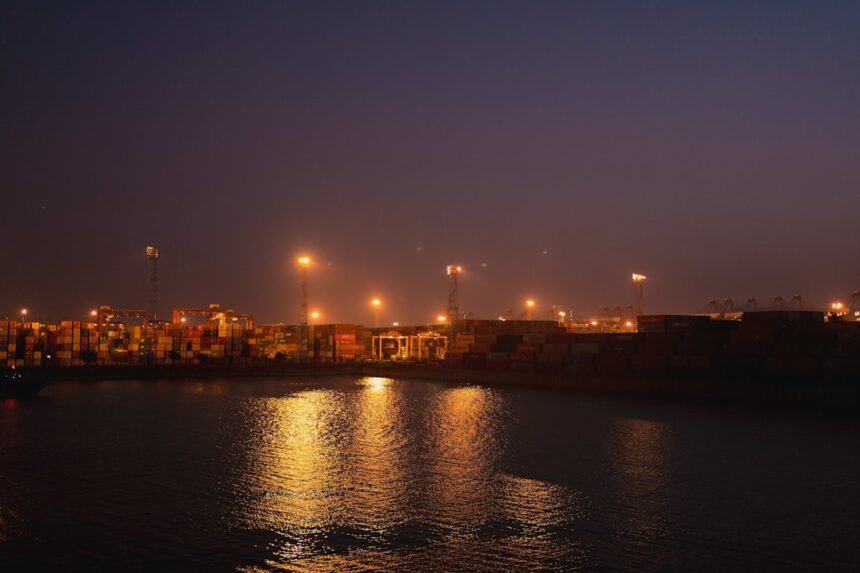
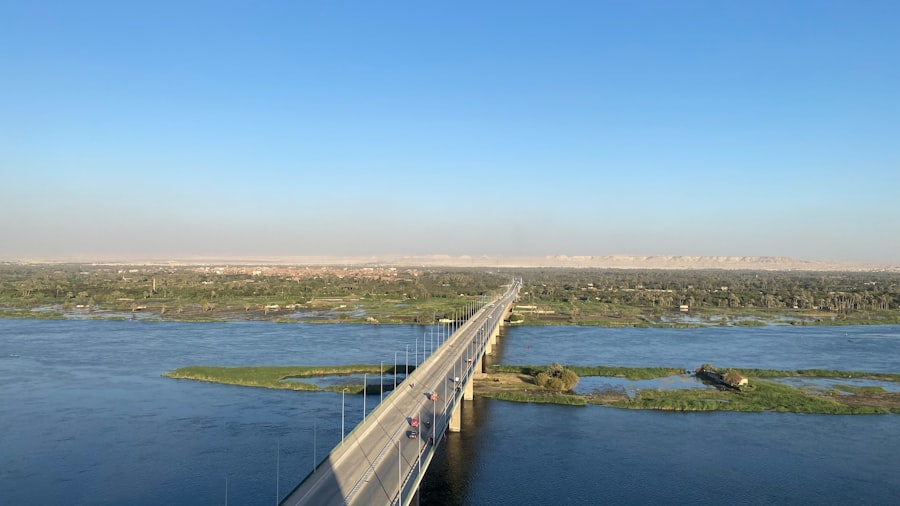
The Suez Canal, a man-made waterway connecting the Mediterranean Sea to the Red Sea, stands as one of the most significant maritime routes in the world. Completed in 1869, this engineering marvel has drastically reduced the travel distance for ships between Europe and Asia, eliminating the need for the lengthy journey around the southern tip of Africa. The canal spans approximately 120 miles and serves as a crucial artery for global trade, facilitating the passage of over 50 ships daily.
Its strategic location not only enhances international commerce but also plays a pivotal role in the geopolitical landscape, making it a focal point for maritime navigation. The importance of the Suez Canal extends beyond mere distance reduction; it is a lifeline for economies worldwide. Approximately 12% of global trade passes through this narrow waterway, including vital commodities such as oil, natural gas, and consumer goods.
The canal’s ability to accommodate large vessels, including ultra-large container ships, has further solidified its status as an indispensable route for shipping companies. As global trade continues to expand, the Suez Canal remains a critical component in ensuring the efficient movement of goods across continents.
Key Takeaways
- The Suez Canal is a vital waterway for global trade, connecting the Mediterranean Sea to the Red Sea and providing a crucial shortcut for shipping.
- The scuttled ships blockage in the Suez Canal was caused by a combination of human error, technical issues, and adverse weather conditions, leading to significant consequences for global trade and supply chains.
- The economic impact of the Suez Canal blockage resulted in billions of dollars in losses, delays in shipments, and disruptions to global supply chains, highlighting the canal’s importance to the world economy.
- Efforts to refloat the grounded ships involved a complex operation with international cooperation and the use of specialized equipment to free the vessels and reopen the canal for navigation.
- Environmental concerns arising from the Suez Canal blockage included the impact on marine life, potential pollution from stranded ships, and the need for environmental assessments and cleanup efforts.
The Scuttled Ships Blockage: Causes and Consequences
In March 2021, the Suez Canal faced an unprecedented crisis when the Ever Given, a massive container ship, became lodged in its banks, effectively blocking one of the world’s busiest maritime routes. The incident was attributed to a combination of adverse weather conditions, including high winds and poor visibility, alongside human error during navigation. The ship’s grounding highlighted vulnerabilities in maritime operations and raised questions about the preparedness of shipping companies and canal authorities to handle such emergencies.
The consequences of this blockage were immediate and far-reaching. With the canal impassable, hundreds of vessels were left stranded, unable to proceed to their destinations. This disruption not only delayed shipments but also created a ripple effect throughout global supply chains.
The incident underscored the fragility of interconnected trade networks and the potential for significant economic repercussions when a single point of failure occurs in such a critical infrastructure.
The Economic Impact of the Suez Canal Blockage
The economic ramifications of the Suez Canal blockage were profound and multifaceted. Estimates suggested that the blockage cost global trade billions of dollars each day, with shipping rates skyrocketing as companies scrambled to reroute their vessels around Africa.
Industries reliant on just-in-time inventory systems faced particular challenges, as delays in shipments threatened their operational efficiency. Moreover, the blockage highlighted the vulnerabilities inherent in global supply chains. Many businesses found themselves unprepared for such an event, revealing a lack of contingency planning for disruptions of this magnitude.
As companies reevaluated their logistics strategies, there was a growing recognition of the need for greater resilience in supply chains to mitigate future risks. The incident served as a wake-up call for industries worldwide, prompting discussions about diversifying shipping routes and increasing stockpiles to buffer against unforeseen disruptions.
Efforts to Refloat the Grounded Ships
| Ship Name | Grounding Date | Refloating Efforts | Status |
|---|---|---|---|
| Ever Given | March 23, 2021 | Dredging, Tugboats | Successfully Refloated |
| Rena | October 5, 2011 | Salvage Operation | Refloated after 3 months |
| Costa Concordia | January 13, 2012 | Parbuckling, Refloating | Refloated after 2 years |
In response to the crisis, a massive international effort was launched to refloat the Ever Given and restore normalcy to the Suez Canal. Salvage teams from various countries collaborated with local authorities to devise a plan that involved dredging operations and tugboat assistance. The operation was complex and fraught with challenges, as the ship’s size and weight posed significant obstacles to successful refloating.
After days of intense work, including the removal of sand and mud from around the vessel’s bow and stern, the Ever Given was finally freed on March 29, 2021. The successful refloating operation was celebrated as a triumph of engineering and teamwork, showcasing the capabilities of maritime salvage experts. However, it also served as a reminder of the vulnerabilities inherent in global shipping operations and the need for ongoing investment in infrastructure and emergency preparedness.
Environmental Concerns Arising from the Suez Canal Blockage
The blockage of the Suez Canal raised significant environmental concerns that extended beyond immediate economic impacts. The grounding of the Ever Given posed risks to marine ecosystems in the canal and surrounding waters. As vessels were stranded or rerouted, there were fears of potential oil spills or other hazardous material leaks that could have devastating effects on local wildlife and habitats.
Additionally, the prolonged blockage led to increased emissions from ships idling near the canal or taking longer routes around Africa. This situation highlighted the environmental implications of global shipping practices and raised questions about sustainability in maritime operations. As discussions about climate change and environmental responsibility gain momentum, stakeholders in the shipping industry are increasingly called upon to consider their ecological footprint and explore more sustainable practices.
The Role of International Maritime Organizations in the Suez Canal Crisis
International maritime organizations played a crucial role during the Suez Canal crisis by providing guidance and support to affected stakeholders. Organizations such as the International Maritime Organization (IMO) and various shipping associations worked collaboratively to assess the situation and facilitate communication among governments, shipping companies, and salvage teams.
Furthermore, these organizations emphasized the need for improved safety protocols and contingency planning within the shipping industry. As lessons were learned from the blockage, there was a growing recognition that enhanced training for crews and better navigational technologies could help prevent similar incidents in the future. The crisis served as a catalyst for discussions about regulatory reforms aimed at bolstering safety standards across global shipping operations.
Lessons Learned from the Suez Canal Blockage
The Suez Canal blockage provided valuable lessons for stakeholders across various sectors of global trade. One key takeaway was the importance of contingency planning and risk management in supply chain operations. Companies recognized that relying solely on established routes without considering potential disruptions could lead to significant financial losses.
As a result, many began reevaluating their logistics strategies to incorporate greater flexibility and resilience. Additionally, the incident highlighted the need for enhanced training and technology in maritime navigation. Improved navigational tools and better crew training programs could help mitigate human error and reduce the likelihood of similar incidents occurring in the future.
The crisis served as a reminder that even minor oversights can have catastrophic consequences in an interconnected world where every link in the supply chain is critical.
The Future of Global Shipping and the Suez Canal
Looking ahead, the future of global shipping will likely be shaped by both challenges and opportunities stemming from incidents like the Suez Canal blockage. As trade continues to grow, there will be an increasing demand for efficient maritime routes that can accommodate larger vessels while ensuring safety and reliability. Investments in infrastructure upgrades will be essential to meet these demands and enhance resilience against potential disruptions.
Moreover, advancements in technology will play a pivotal role in shaping maritime operations. Innovations such as autonomous vessels, improved navigational systems, and real-time data analytics could revolutionize how ships navigate through critical waterways like the Suez Canal. As stakeholders adapt to changing dynamics in global trade, there will be an ongoing emphasis on sustainability and environmental responsibility within shipping practices.
Legal Ramifications of the Suez Canal Blockage
The legal ramifications of the Suez Canal blockage were complex and multifaceted, involving various stakeholders with competing interests. Following the incident, discussions arose regarding liability for damages incurred during the blockage, including costs associated with salvage operations and losses suffered by affected shipping companies. Legal experts anticipated protracted negotiations as parties sought to determine accountability for what was deemed an unprecedented event.
Additionally, questions surrounding insurance claims emerged as companies grappled with how to navigate coverage for losses incurred during such disruptions. The incident prompted discussions about potential reforms in maritime law to address gaps in liability frameworks that could better protect stakeholders in future crises. As legal precedents are established from this incident, it may pave the way for more robust regulations governing maritime operations.
The Human Element: Challenges Faced by Crews and Workers
The human element played a significant role during the Suez Canal blockage, with crews aboard stranded vessels facing unique challenges throughout the crisis. Many crew members experienced heightened stress levels due to uncertainty about their situation and concerns over provisions aboard their ships. The prolonged wait times created anxiety among crews who were eager to return home or continue their journeys.
Moreover, workers involved in salvage operations faced their own set of challenges as they navigated complex logistics under pressure to resolve the situation swiftly. The collaboration between international teams underscored not only technical expertise but also human resilience in overcoming adversity. As stakeholders reflect on this incident, there is an increasing recognition of the importance of supporting crews’ mental health and well-being during crises.
The Suez Canal Blockage: Implications for Global Trade and Supply Chains
The implications of the Suez Canal blockage reverberated throughout global trade networks, highlighting vulnerabilities within supply chains that had previously gone unnoticed. As companies faced delays and increased costs due to rerouting or idling vessels, many began reassessing their reliance on singular trade routes. This incident prompted discussions about diversifying supply chains to mitigate risks associated with potential disruptions.
Furthermore, businesses recognized that agility would be paramount in navigating future challenges within global trade dynamics. Companies began exploring alternative sourcing strategies and building stronger relationships with suppliers to enhance flexibility in their operations. Ultimately, while the Suez Canal blockage presented significant challenges, it also served as an opportunity for industries worldwide to innovate and adapt in an ever-evolving landscape of global commerce.
The recent blockage of the Suez Canal due to scuttled ships has raised significant concerns about global trade and maritime safety. For a deeper understanding of the implications of such disruptions, you can read a related article on this topic at In The War Room. This article explores the historical context of maritime blockages and their impact on international shipping routes.
WATCH THIS! The Suez Canal Crisis: The 7-Day War That Broke The British Empire’s Bank
FAQs
What is the Suez Canal?
The Suez Canal is an artificial waterway in Egypt that connects the Mediterranean Sea to the Red Sea. It is a crucial trade route, allowing ships to travel between Europe and Asia without having to navigate around the southern tip of Africa.
What happened with the scuttled ships blockage in the Suez Canal?
In March 2021, a large container ship called the Ever Given ran aground and became lodged sideways in the Suez Canal, blocking all traffic through the waterway. Efforts to dislodge the ship were unsuccessful, leading to a significant disruption in global trade.
How long did the blockage last?
The blockage in the Suez Canal lasted for six days, from March 23 to March 29, 2021. During this time, hundreds of ships were unable to pass through the canal, causing a backlog and delays in global shipping.
What were the impacts of the blockage?
The blockage of the Suez Canal had significant impacts on global trade, leading to delays in the delivery of goods and increased shipping costs. It also highlighted the vulnerability of the world’s shipping routes and the potential for disruptions to have far-reaching consequences.
How was the blockage resolved?
The blockage was resolved after a massive effort involving tugboats, dredgers, and excavators to free the Ever Given from the canal’s banks. The ship was eventually refloated and towed to a nearby lake for inspection, allowing traffic to resume through the Suez Canal.