Navigating the Strategic Window for China-Taiwan Relations
The delicate and perpetually charged relationship between the People’s Republic of China (PRC) and the Republic of China (ROC), commonly known as Taiwan, exists within a complex and ever-shifting strategic landscape. This dynamic is characterized by deeply ingrained historical grievances, competing political ideologies, and immense geopolitical stakes. Understanding the current “strategic window” – the confluence of factors that create a period of heightened opportunity or risk for significant shifts – requires a nuanced examination of both Beijing’s intentions and Taipei’s strategies, as well as the broader international context. This window is not a static period but a fluid phase, influenced by internal politics in both China and Taiwan, economic imperatives, technological advancements, and the strategic calculus of global powers.
At its heart, the cross-Strait relationship is a dispute over sovereignty and political legitimacy. The PRC views Taiwan as an inalienable part of China, a breakaway province that must eventually be unified, by force if necessary. This stance is enshrined in Beijing’s “One China Principle,” a diplomatic cornerstone that dictates that there is only one sovereign state under the name China, and that Taiwan is part of it. The ROC, on the other hand, views itself as a sovereign and democratic entity, distinct from the PRC. While the degree of emphasis on formal independence versus maintaining the status quo varies within Taiwan, the fundamental principle of self-determination is a core tenet of its political identity.
The Historical Roots of the Divide
The current impasse can be traced back to the Chinese Civil War, which concluded in 1949 with the victory of the Communist Party of China (CPC) and the retreat of the Kuomintang (KMT) government to Taiwan. For decades, both sides claimed to be the legitimate government of all of China. While the political rhetoric has evolved, the unresolved nature of the civil war continues to cast a long shadow over present-day relations.
Ideological Divergence: Communism vs. Democracy
The ideological chasm between the PRC’s one-party communist system and Taiwan’s multi-party democracy is a significant contributing factor to the persistent tension. This divergence shapes not only the internal political systems of each entity but also their approaches to governance, human rights, and international engagement, further solidifying their distinct identities and fueling mutual suspicion.
The “One China Principle” and its Interpretations
The “One China Principle” is a highly sensitive and contested issue. Beijing insists that any nation wishing to establish diplomatic relations with the PRC must sever official ties with Taiwan. This has led to Taiwan’s diplomatic isolation on the global stage, with only a handful of countries maintaining formal diplomatic recognition of the ROC. Taiwan, while not formally seeking widespread diplomatic recognition to avoid provoking Beijing, engages in robust unofficial relations with many countries, particularly the United States, Japan, and European nations.
In exploring the strategic window for China and Taiwan, it is essential to consider various geopolitical analyses that shed light on the evolving dynamics in the region. A related article that delves into the implications of military strategies and diplomatic relations in this context can be found at In The War Room. This resource provides valuable insights into the potential scenarios and outcomes that could arise from the ongoing tensions between China and Taiwan, making it a crucial read for anyone interested in understanding the complexities of this situation.
Beijing’s Evolving Strategy: The Pursuit of Unification
The PRC’s ultimate goal remains the unification with Taiwan, and its strategy for achieving this has become increasingly sophisticated and assertive under President Xi Jinping. While peaceful reunification has always been the preferred option, Beijing has made it unequivocally clear that it will not rule out the use of force. This shift in emphasis reflects a growing impatience and a perceived window of opportunity to resolve the Taiwan issue definitively.
The “Peaceful Reunification” Framework
For decades, Beijing has offered a framework for “peaceful reunification” based on the “One Country, Two Systems” model, famously applied to Hong Kong and Macau. This model proposes that Taiwan could retain its existing political, economic, and social systems after unification. However, the erosion of autonomy in Hong Kong following the 2020 National Security Law has severely undermined the credibility and attractiveness of this model for the people of Taiwan.
The Growing Military Posture and Capabilities
A crucial element of Beijing’s strategy has been the rapid modernization and expansion of the People’s Liberation Army (PLA). This includes developing advanced naval, air, and missile capabilities, as well as conducting increasingly frequent and sophisticated military exercises around Taiwan. These actions are intended to deter any moves towards formal independence, intimidate Taipei, and demonstrate Beijing’s resolve to use force if necessary. The PLA’s capabilities are no longer solely defensive; they are increasingly geared towards offensive operations, including amphibious assault and blockade scenarios.
Economic Coercion and Influence
Beyond military might, Beijing has also employed economic leverage as a tool to influence Taiwan. This has included trade restrictions, boycotts of Taiwanese products, and attempts to steer Taiwanese businesses away from engaging with China’s political adversaries. The economic interdependence between China and Taiwan, while offering opportunities for growth, also creates vulnerabilities that Beijing has sought to exploit to achieve its political objectives.
Information Warfare and Political Subversion
Beijing has also engaged in extensive information warfare and political subversion campaigns aimed at shaping public opinion in Taiwan and undermining its democratic institutions. This includes the spread of disinformation, the cultivation of sympathetic political factions, and attempts to sow discord within Taiwanese society. The goal is to create an environment conducive to unification, whether through overt coercion or internal political pressure.
Taipei’s Strategic Responses: Deterrence, Resilience, and International Engagement
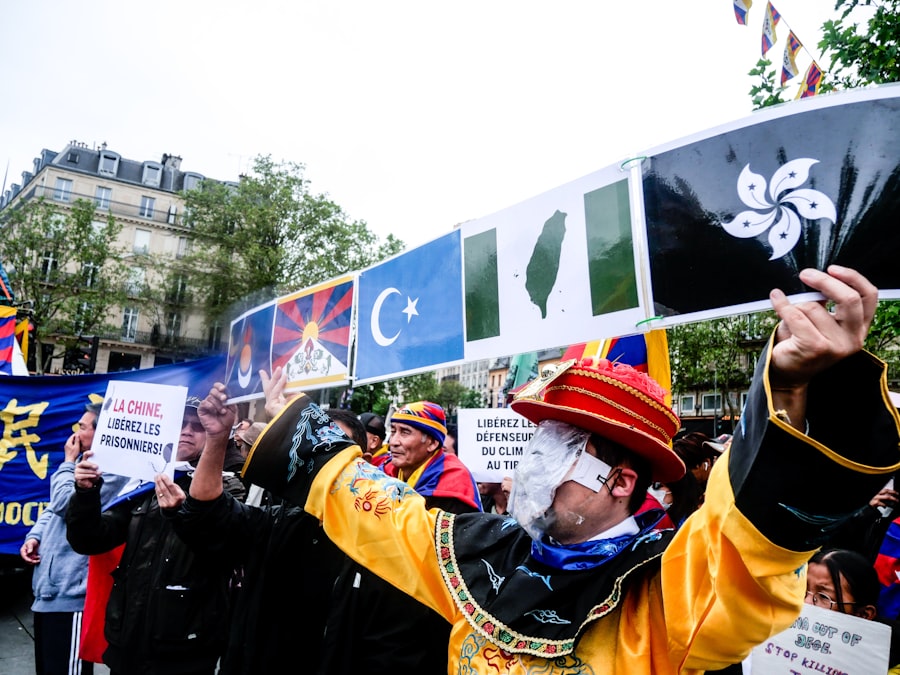
In response to Beijing’s mounting pressure, Taiwan has adopted a multi-pronged strategy focused on deterrence, resilience, and robust international engagement. The overarching aim is to make the cost of any military action prohibitively high for Beijing and to secure the support of international partners.
Enhancing Defense Capabilities and Asymmetric Warfare
Taiwan has been actively investing in its defense capabilities, focusing on acquiring advanced weaponry from countries like the United States and developing its own indigenous defense industry. A key emphasis is on asymmetric warfare, employing strategies and technologies that can counter the PRC’s quantitative superiority. This includes developing anti-ship missiles, sea mines, drones, and investing in cyber warfare capabilities. The goal is to make any invasion a costly and potentially unwinnable endeavor for the PLA.
Strengthening Societal Resilience and National Identity
Beyond military preparedness, Taipei is also focused on strengthening societal resilience. This involves promoting a strong sense of national identity, fostering civic education, and preparing the civilian population for potential contingencies. Efforts are also underway to enhance infrastructure resilience, ensuring critical services can withstand an attack. The aim is to build a unified and determined populace that will resist any attempts at forced unification.
Cultivating International Support and Strategic Partnerships
Taiwan actively seeks to cultivate international support, leveraging its democratic values and strategic importance. This involves strengthening unofficial ties with like-minded democracies, particularly the United States, Japan, and European nations. Taiwan participates in international forums where possible, advocates for its inclusion in international organizations, and engages in robust public diplomacy to highlight its democratic achievements and the threat posed by Beijing.
Maintaining the Status Quo and Avoiding Provocation
While determined to defend itself, Taiwan’s government also prioritizes maintaining the status quo and avoiding overt provocations that could provide Beijing with a pretext for military action. This delicate balancing act requires careful diplomacy and strategic communication to reassure both its citizens and its international partners while simultaneously signaling its resolve.
The Role of the United States and the Shifting Global Landscape
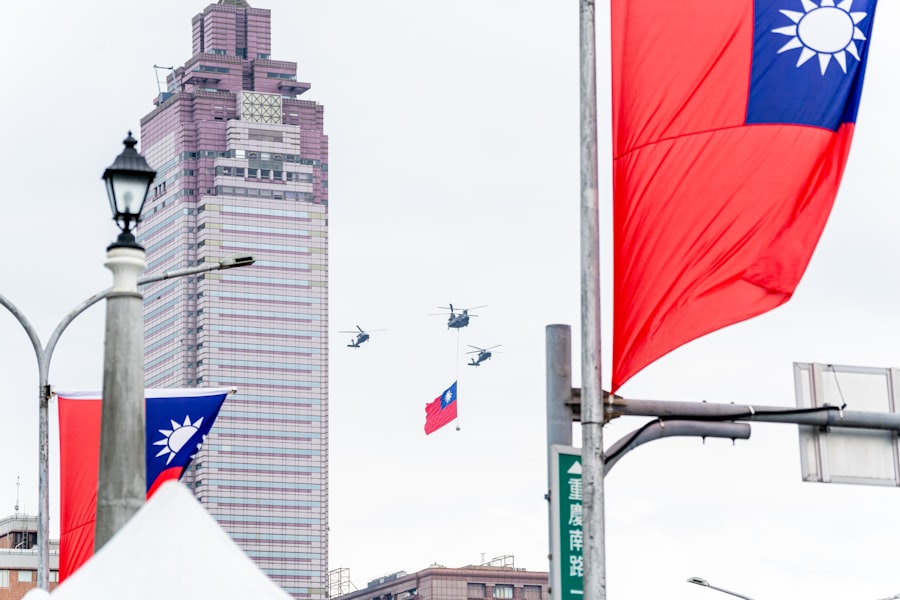
The United States plays a pivotal and complex role in the cross-Strait relationship. Its commitment to Taiwan’s security, albeit strategically ambiguous, has been a cornerstone of regional stability for decades. However, the evolving geopolitical landscape, marked by the rise of China and increasing global multipolarity, is reshaping this dynamic.
The Taiwan Relations Act and Strategic Ambiguity
The Taiwan Relations Act (TRA) of 1979 governs U.S.-Taiwan relations in the absence of formal diplomatic ties. It obligates the U.S. to provide Taiwan with defensive arms and states that the U.S. considers any effort to determine Taiwan’s future by other than peaceful means a threat to the peace and security of the Western Pacific and of grave concern to the United States. The doctrine of “strategic ambiguity” has historically defined the U.S. stance, meaning it neither explicitly commits to defending Taiwan militarily nor rules it out, aiming to deter both Chinese aggression and Taiwanese declarations of independence.
The “One China Policy” and its U.S. Interpretation
The U.S. acknowledges Beijing’s “One China Principle” but interprets it through its own “One China Policy.” This policy recognizes the PRC as the sole legal government of China, but it does not endorse the PRC’s claim of sovereignty over Taiwan. The U.S. maintains that the Taiwan issue must be resolved peacefully by the people on both sides of the strait. This nuanced interpretation allows for robust unofficial relations with Taiwan while maintaining formal diplomatic relations with the PRC.
The Growing Geopolitical Competition with China
The intensifying geopolitical competition between the U.S. and China extends beyond economic and technological domains to encompass security concerns in the Indo-Pacific. Taiwan is situated at a critical nexus of this competition, and its security is viewed by Washington as vital to maintaining a free and open Indo-Pacific and deterring further Chinese expansionism.
The Impact of Global Events and Alliances
The global landscape is not static. Events such as the war in Ukraine, shifts in European security perceptions, and the strengthening of alliances like the Quad (U.S., Japan, India, Australia) can influence the calculus of all parties involved in the cross-Strait issue. The perceived effectiveness of international responses to aggression elsewhere can impact Beijing’s assessment of the risks associated with military action against Taiwan.
The concept of a strategic window in the context of China-Taiwan relations is crucial for understanding the geopolitical dynamics in the region. As tensions continue to rise, it becomes essential to analyze the implications of this strategic window for both nations. For a deeper insight into the evolving situation, you can read a related article that discusses these themes in detail. This article provides a comprehensive overview of the factors influencing the strategic decisions made by both China and Taiwan. To explore this further, visit this insightful piece that sheds light on the complexities of the current geopolitical landscape.
Identifying and Navigating the Strategic Window
| Metrics | Data |
|---|---|
| Political Relations | Complex and sensitive due to the One-China policy |
| Economic Integration | Increasing trade and investment ties |
| Military Tensions | Heightened in recent years |
| Strategic Importance | Key geopolitical location in the Asia-Pacific region |
The concept of a “strategic window” in the context of China-Taiwan relations is not a fixed timeline but a period of heightened opportunity or risk driven by a confluence of factors. Identifying these windows, and understanding how to navigate them, is crucial for maintaining peace and stability.
Factors Defining the Window
Several factors contribute to defining such a window:
- Internal Political Cycles: National elections in Taiwan, leadership transitions in the PRC, and significant domestic political developments in either entity can create periods of opportunity or heightened tension. For instance, a leadership change in Beijing might present a new assessment of the timeline for unification, while an election in Taiwan could lead to policy shifts.
- Economic Conditions: Significant economic downturns or booms in China or Taiwan, or global economic crises, can influence political decisions and priorities, potentially leading to more assertive or restrained cross-Strait policies.
- Military Parity and Imbalance: Perceived shifts in military balance, either in favor of Beijing or with Taiwan’s enhanced defensive capabilities creating greater deterrence, can open or close windows for action.
- International Geopolitical Climate: The level of international attention and consensus on the Taiwan issue, as well as the perceived strength and unity of regional alliances, can influence Beijing’s willingness to take risks.
- Technological Advancements: Developments in military technology, such as advanced missile systems or cyber warfare capabilities, can alter the strategic calculus and create new windows of vulnerability or opportunity.
The Risks of Miscalculation and Escalation
The greatest risk associated with a strategic window is miscalculation. In a highly charged environment, a seemingly minor incident, a misinterpretation of intent, or an overestimation of capabilities can lead to rapid escalation. The inherent ambiguity surrounding U.S. policy, while intended to deter, can also, in certain circumstances, create uncertainty that could be misinterpreted.
The Importance of Communication and De-escalation Mechanisms
During periods of heightened tension, clear communication channels and effective de-escalation mechanisms are paramount. This includes maintaining open lines of communication between Beijing and Taipei, as well as between Washington and Beijing, to avoid misunderstandings and manage crises.
The Long-Term Perspective: Towards a Sustainable Peace
While navigating immediate strategic windows is essential, a long-term perspective is crucial for achieving a sustainable peace. This involves not only managing tensions but also fostering conditions that reduce the likelihood of conflict. This includes promoting economic cooperation where appropriate, encouraging people-to-people exchanges to build understanding, and working towards a regional security architecture that benefits all stakeholders. The ultimate goal is to move beyond the immediate strategic calculus towards a future where the cross-Strait issue is resolved peacefully and democratically, respecting the will of the people on both sides of the strait. The current strategic window presents both significant challenges and potential opportunities, demanding careful diplomacy, strong deterrence, and a commitment to international law and norms.
What Happens If China Moves Before America Rearms?
FAQs
What is a strategic window for China Taiwan?
A strategic window refers to a specific period of time during which certain conditions or opportunities exist that can be leveraged for strategic advantage. In the context of China and Taiwan, a strategic window may refer to a period of time during which there are favorable conditions for advancing or resolving issues related to their relationship.
What are some factors that may create a strategic window for China Taiwan?
Factors that may create a strategic window for China and Taiwan include changes in leadership, shifts in public opinion, economic developments, geopolitical dynamics, and international relations. These factors can create opportunities for both sides to make progress in their relationship or to address longstanding issues.
How does a strategic window impact the relationship between China and Taiwan?
A strategic window can impact the relationship between China and Taiwan by influencing the dynamics of their interactions, the potential for dialogue and negotiation, and the prospects for resolving or managing conflicts. It can also affect the strategies and tactics employed by both sides to pursue their respective interests.
Can a strategic window lead to significant changes in the status quo between China and Taiwan?
Yes, a strategic window can lead to significant changes in the status quo between China and Taiwan. It can create opportunities for breakthroughs in diplomatic relations, economic cooperation, security arrangements, and other aspects of their relationship. However, the extent and nature of these changes will depend on the specific conditions and opportunities present during the strategic window.
How do policymakers and leaders navigate a strategic window for China Taiwan?
Policymakers and leaders navigate a strategic window for China and Taiwan by assessing the opportunities and risks it presents, formulating strategic objectives and priorities, engaging in dialogue and negotiation, and making decisions that are informed by their respective interests and concerns. They may also seek to leverage the strategic window to advance their long-term goals and aspirations.