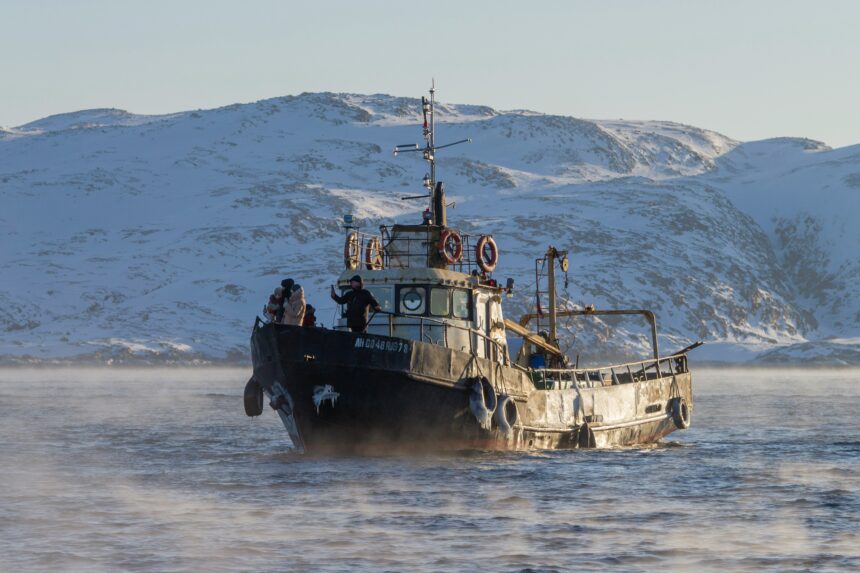
The Arctic, a realm of immense natural beauty and untapped resources, presents a unique and formidable logistical landscape for Russia. For decades, the Russian Federation has been actively engaged in developing its Arctic territories, driven by strategic interests, economic opportunities, and a desire to project influence. However, the sheer scale and inherent harshness of this region – characterized by extreme temperatures, vast distances, volatile weather, and fragile ecosystems – create a constant barrage of challenges for any logistical undertaking. Navigating these difficulties requires a sophisticated understanding of the environment, innovative technological solutions, robust infrastructure development, and a meticulous approach to planning and execution. Russia’s commitment to the Arctic is unwavering, but its success hinges on its ability to overcome these inherent logistical hurdles, ensuring the viability of its economic, social, and strategic ambitions in this vital frontier.
The Arctic environment is not merely a backdrop; it is an active participant that dictates the pace and feasibility of all operations. Russia’s Arctic logistics are perpetually at the mercy of forces that can swiftly disrupt even the most carefully laid plans. Understanding and adapting to these environmental pressures is paramount to achieving any semblance of reliable transport and supply chain management.
The Gauntlet of Extreme Temperatures
The most obvious and pervasive challenge is the brutal cold. Winter temperatures in many Russian Arctic regions regularly plunge to -40°C (-40°F) and can reach even lower extremes. This extreme cold has a profound impact on every aspect of logistics.
Impact on Transportation Infrastructure
- Roads and Railways: Conventional road and rail infrastructure is often impossible to construct or maintain in permafrost regions. Even where built, roads can buckle and break under the immense pressure of freezing and thawing cycles, leading to frequent closures and costly repairs. Railways require specialized engineering to withstand these thermal stresses.
- Aircraft and Airports: Aircraft engines and fuel are susceptible to icing and performance degradation at extreme temperatures. Airports, often situated on frozen ground or ice, face challenges with runway integrity and de-icing operations. Landing and take-off windows can be severely restricted by visibility and wind chill.
- Maritime Vessels: Seawater freezing creates significant obstacles for shipping. Ice formation can trap vessels, damage hulls, and render traditional shipping lanes impassable for large portions of the year. Even in open water, the cold affects engine performance, navigation equipment, and the safety of crews.
Challenges for Personnel and Equipment
- Human Endurance: Extreme cold poses direct risks to human health, requiring specialized protective gear, strict scheduling of outdoor work, and constant monitoring for frostbite and hypothermia. Fatigue among personnel working in such conditions is also a significant concern.
- Equipment Reliability: Metal becomes brittle at low temperatures, increasing the risk of material failure. Lubricants can freeze, hydraulics can seize, and batteries lose their efficiency. Specialized, Arctic-grade equipment is essential, but it is often more expensive and requires specialized maintenance.
- Fuel Efficiency: Engines consume significantly more fuel in extremely cold conditions to maintain operational temperatures, increasing operational costs and the logistical burden of fuel resupply.
The Perils of Vast Distances and Sparsely Populated Regions
Russia’s Arctic coastline stretches for over 24,000 kilometers, encompassing a territory larger than many continents. This sheer immensity, coupled with a sparse population density and limited established settlements, creates significant logistical hurdles.
The “Last Mile” Problem Amplified
- Extended Supply Chains: Getting goods from major industrial centers in western Russia to remote Arctic outposts can involve multiple legs of transport, each with its own vulnerabilities. This increases transit times, costs, and the potential for disruptions.
- Limited Local Capacity: Many Arctic communities lack the infrastructure, equipment, or skilled personnel to handle large-scale logistics independently. This places a heavy reliance on centralized planning and support.
- Intermittent Demand: The demand for goods and services in these remote locations can be highly seasonal and unpredictable, making it challenging to optimize inventory and delivery schedules.
The “Hub and Spoke” Model Under Strain
- Concentration of Risk: Reliance on a few key Arctic ports or airfields as hubs means that any disruption at these points can have a cascading effect on the entire network.
- High Transport Costs: The cost per ton-mile for transporting goods into the Arctic is significantly higher than in more temperate regions due to the factors mentioned above. This impacts the economic viability of many projects.
The Unpredictability of Arctic Weather and Ice Conditions
Beyond the consistent cold, the Arctic is characterized by highly unpredictable and often severe weather phenomena. This volatility demands constant vigilance and flexibility.
The Fog and Storm Factor
- Reduced Visibility: Dense fog, common in coastal Arctic areas, can halt air and sea operations for extended periods. Whiteouts, where snow and wind create a uniform white landscape, can make navigation treacherous for both air and ground transport.
- Sudden Storms: Arctic storms can develop rapidly, bringing gale-force winds, heavy snowfall, and hazardous sea conditions that can incapacitate even large vessels and aircraft.
- Ice Dynamics: The formation, drift, and breakup of sea ice are complex and dynamic processes. Ice floes can shift unexpectedly, blocking shipping lanes or creating navigation hazards. The unpredictable nature of ice makes long-term route planning for maritime traffic incredibly challenging.
The Permafrost Paradox
- Thawing Permafrost: While historically a stable foundation, rising global temperatures are causing widespread thawing of permafrost. This destabilizes land, damaging existing infrastructure like roads, pipelines, and buildings, and making new construction incredibly difficult and expensive.
- Seasonal Accessibility: Traditional winter roads, built on frozen rivers and lakes, are only accessible for a limited period. The timing of their establishment and disappearance is highly dependent on weather patterns, adding another layer of unpredictability.
For a deeper understanding of the complexities surrounding Russia’s Arctic logistics, you can explore the article titled “Navigating the Northern Route: Russia’s Strategic Interests in the Arctic” available at In the War Room. This article delves into the geopolitical implications of Russia’s activities in the Arctic region, highlighting the challenges and opportunities presented by the melting ice and the opening of new shipping routes.
Infrastructure Development: Building the Arteries of the Arctic
The sparse and often underdeveloped nature of Russia’s Arctic infrastructure is a fundamental impediment to efficient logistics. Developing this infrastructure is a monumental undertaking, requiring substantial investment, advanced engineering, and a long-term strategic vision.
The Backbone: Ports and Waterways
Sea transport is crucial for the Russian Arctic, particularly for moving bulk commodities and heavy equipment. However, the ice-bound nature of many Arctic waterways necessitates specialized port facilities and icebreaker support.
Enhancing Northern Sea Route (NSR) Capabilities
- Deepening and Modernization: Expanding and modernizing key Arctic ports along the NSR, such as Murmansk, Sabetta, and Tiksi, is critical for handling larger vessels and increasing cargo throughput. This includes dredging channels, improving cargo handling equipment, and building new terminals.
- Icebreaker Fleets: The Russian state possesses one of the world’s largest icebreaker fleets, essential for keeping key shipping lanes open, particularly the NSR. Continuous investment in maintaining and expanding this fleet, including the development of nuclear-powered icebreakers, is vital.
- Navigational Aids and Communication: Enhancing navigational aids, including buoys, beacons, and radar systems, is crucial for safe passage in challenging ice conditions and periods of low visibility. Robust satellite communication systems are also essential for real-time information exchange.
The Challenge of Seasonal Limitations
- Limited Operating Windows: Many Arctic ports and waterways have a limited ice-free operating season, meaning that significant portions of the year are inaccessible for traditional shipping. This creates pressure to maximize throughput during the open water periods.
- Dependence on Icebreakers: Even during the “open” season, many areas require icebreaker assistance, adding to operational costs and complexity.
The Arteries: Roads, Railways, and Airfields
While sea transport dominates, land-based and air transport play vital roles in connecting communities and supporting resource extraction projects.
Addressing Permafrost and Remote Access
- Specialized Road Construction: Building roads in permafrost regions requires specialized techniques, such as elevated construction on pilings or the use of thick insulating layers to prevent heat transfer to the ground. These methods are costly and labor-intensive.
- Winter Roads and Ice Bridges: The seasonal construction of winter roads and ice bridges across frozen rivers and lakes provides crucial temporary access to remote areas during the coldest months. However, their reliability is heavily dependent on weather conditions.
- Airfield Development and Maintenance: Upgrading and maintaining existing airfields, and in some cases constructing new ones, is essential for rapid deployment of personnel and supplies to remote locations. This includes ensuring all-weather runway capabilities where possible.
The High Cost of Connectivity
- Limited Network Coverage: The existing road and rail network in the Russian Arctic is extremely sparse, often consisting of isolated routes connecting resource extraction sites to ports. This limits inter-community connectivity and the development of a truly integrated transport system.
- High Maintenance Costs: Maintaining infrastructure in the Arctic, particularly in permafrost regions, is significantly more expensive than in temperate climates due to the constant battle against the environment.
The Digital Backbone: Communication and Navigation Technologies
Reliable communication and advanced navigation are no longer optional; they are essential for the safety, efficiency, and security of Arctic logistics.
Ensuring Seamless Information Flow
- Satellite Communication: Satellite communication systems are critical for providing reliable connectivity to remote areas where terrestrial infrastructure is absent. This enables real-time data exchange, vessel tracking, and emergency communication.
- Integrated Navigation Systems: The adoption of advanced GPS and GLONASS (Russia’s satellite navigation system) integrated with electronic charting systems (ECS) and radar is crucial for safe navigation in low visibility and complex ice conditions.
- Data Management and Analytics: The ability to collect, analyze, and disseminate vast amounts of data on weather, ice conditions, vessel movements, and cargo status is essential for optimizing logistics and making informed decisions.
The Challenge of Reach and Reliability
- Limited Terrestrial Networks: The vastness of the Arctic means that traditional terrestrial communication networks (fiber optics, cellular) are often non-existent or unreliable.
- Satellite Dependency and Cost: While satellite communication is essential, it can be expensive and prone to disruptions from solar flares or adverse weather. Ensuring redundant communication channels is vital.
Resource Extraction and Economic Development: The Driving Force and its Logistical Demands
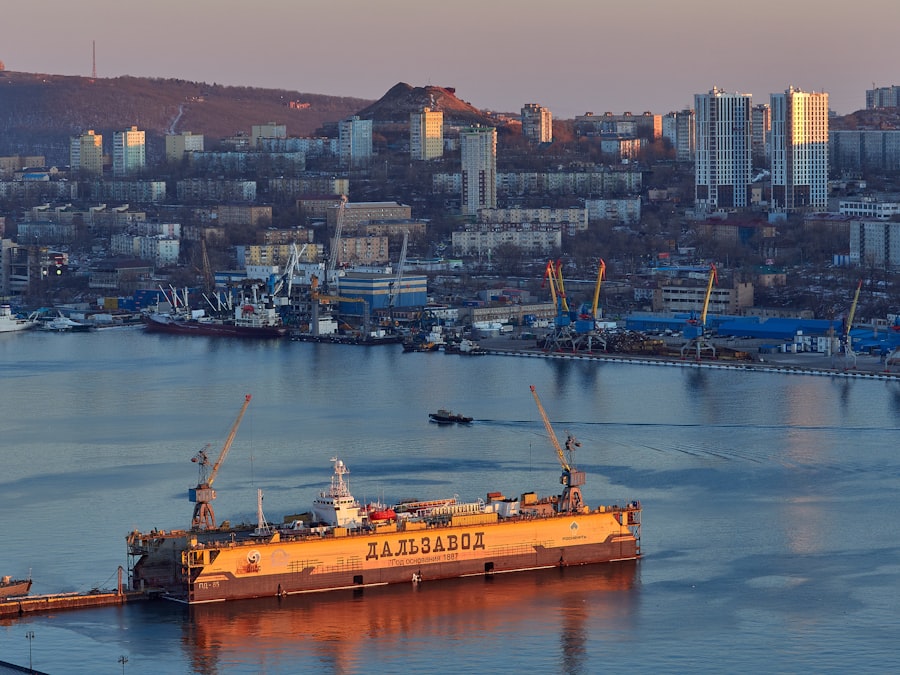
Russia’s strategic and economic interests in the Arctic are heavily tied to its vast natural resources, including oil, gas, minerals, and fisheries. The extraction and transportation of these resources present some of the most complex logistical challenges.
The Oil and Gas Frontier: Giants in the Ice
The development of massive offshore and onshore oil and gas fields in the Arctic, such as those in the Yamal Peninsula and the East Siberian Sea, requires a constant and massive flow of equipment, personnel, and fuel.
Supporting Large-Scale Projects
- Specialized Infrastructure: The construction of dedicated ports, pipelines, and processing facilities for hydrocarbon extraction necessitates significant upfront investment in logistics infrastructure. This often involves building entirely new settlements and supply bases.
- Heavy Lift and Oversized Cargo: Transporting massive drilling rigs, processing modules, and other oversized equipment requires specialized heavy-lift vessels, ice-strengthened barges, and intricate planning to navigate narrow channels and ice formations.
- Fuel and Consumables: The continuous supply of fuel for drilling operations, power generation, and transportation is a constant logistical challenge in these remote and resource-intensive projects.
The Northern Sea Route as a Conduit
- Export of Hydrocarbons: The NSR is increasingly envisioned as a key route for exporting Arctic oil and gas to global markets, particularly Asia. This requires reliable and year-round or near-year-round navigation.
- Import of Specialized Equipment: Many components and specialized equipment required for Arctic exploration and production are not manufactured locally and must be imported, further increasing the logistical demand on the NSR and associated ports.
Mining and Mineral Resources: Extracting Value from the Frozen Ground
The Arctic also holds significant deposits of minerals like nickel, copper, diamonds, and precious metals. The logistical demands of mining operations are substantial, albeit often less globally significant than oil and gas exports.
Accessing Remote Deposits
- Road and Rail Connections: Establishing reliable road and sometimes rail connections from remote mine sites to processing facilities or transportation hubs is essential. This often involves overcoming difficult terrain and permafrost conditions.
- Explosives and Chemicals: The safe and secure transport of explosives, chemicals, and other hazardous materials required for mining operations is a critical logistical consideration.
- Ore Transport: Moving large volumes of mined ore from extraction points to processing plants, and then to export terminals, requires robust and efficient transportation systems.
Fisheries and Other Marine Resources: Sustaining Arctic Communities and Economies
The Arctic Ocean is rich in fisheries, supporting both large-scale commercial operations and the livelihoods of indigenous communities.
Maintaining Supply Chains for Food Security
- Refrigerated Transport: The timely transport of fresh and frozen fish from fishing grounds to processing facilities and markets requires a highly efficient cold chain logistics system.
- Support Vessels: Fishing fleets rely on a network of support vessels for resupply of fuel, provisions, and crew changes, adding another layer to Arctic maritime logistics.
- Indigenous Livelihoods: For indigenous communities, the ability to access traditional hunting and fishing grounds, and to transport their catch back to settlements, is crucial for their subsistence and cultural survival. This often involves smaller, localized logistics operations.
Technological Innovation and Adaptation: Pioneering Solutions for a Harsh Frontier
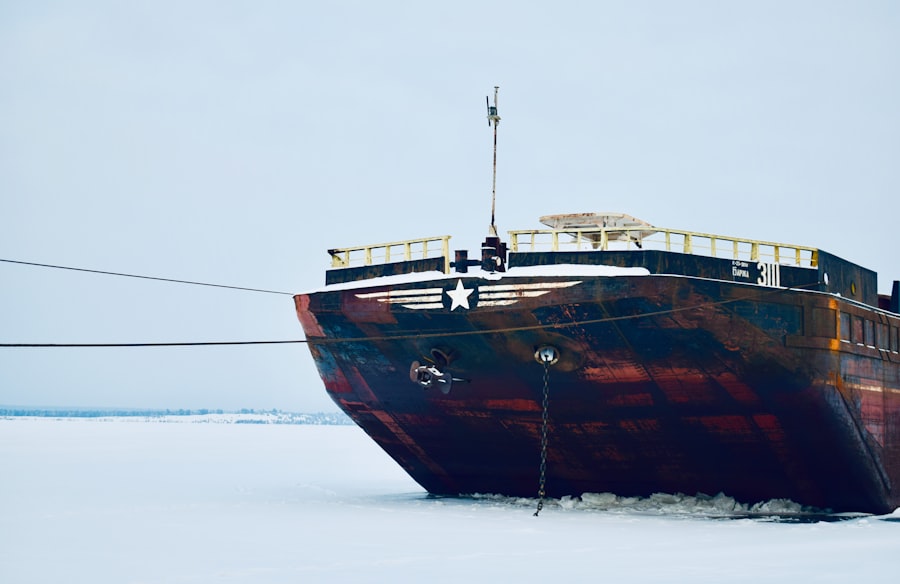
The unique challenges of Arctic logistics necessitate a constant drive for technological innovation and the adaptation of existing technologies to suit the extreme conditions. Russia has a history of Arctic technological development, and this continues to be a crucial area of focus.
Advanced Materials and Equipment
The development and deployment of materials and equipment specifically designed to withstand extreme cold, ice abrasion, and harsh weather are essential.
Winterization and Cold-Weather Engineering
- Arctic-Grade Materials: Research and development into alloys, composites, and polymers that maintain their structural integrity and flexibility at extremely low temperatures are critical for vehicle components, pipelines, and building materials.
- Specialized Lubricants and Fuels: The development of high-performance lubricants and fuels that do not freeze or degrade in sub-zero temperatures is vital for engine efficiency and reliability.
- Insulation Technologies: Advanced insulation materials and techniques are crucial for maintaining operational temperatures of equipment, buildings, and cargo, reducing energy consumption and preventing freezing.
Robotics and Automation in Extreme Environments
- Remote Monitoring and Maintenance: The use of drones and robotic systems for infrastructure inspection, environmental monitoring, and even minor repair tasks can significantly reduce the need for human exposure to hazardous conditions.
- Automated Cargo Handling: In ports and terminals, automated systems for loading and unloading cargo can improve efficiency and reduce the time personnel spend in the cold.
Navigation and Communication Technologies for the Ice
Cutting-edge navigation and communication tools are indispensable for operating safely and efficiently in the dynamic Arctic environment.
Enhanced Situational Awareness
- Ice Forecasting and Monitoring: Advanced satellite imagery, radar systems, and sophisticated ice modeling software provide crucial real-time information on ice conditions, enabling safer route planning for ships and aircraft.
- Integrated Navigation Systems: The combination of GPS/GLONASS with Inertial Navigation Systems (INS) and advanced radar visualization provides a more robust and reliable navigation solution in areas where satellite signals may be weak or obstructed.
- Digital Twins and Simulation: The creation of digital replicas of Arctic assets and environments allows for simulations of various operational scenarios, helping to identify potential risks and optimize logistical plans without real-world exposure.
Communication Networks and Data Management
- High-Bandwidth Satellite Communication: The expansion of satellite constellations and the development of more efficient ground terminals are crucial for providing the necessary bandwidth for data transfer, telemedicine, and remote operations.
- Secure Data Networks: Ensuring the security and integrity of data transmitted across vast distances is paramount, especially for critical infrastructure and resource management.
Innovative Transportation Solutions
The traditional modes of transport are being augmented and adapted with novel approaches to tackle Arctic logistics.
Ice-Strengthened and Specialized Vessels
- Amphibious Vehicles: For areas with limited port access, amphibious vehicles can offer a unique solution for transporting goods and personnel between sea and shore.
- Hovercraft and Air-Cushion Vehicles: These vehicles are effective in traversing both ice and open water, providing access to areas that are inaccessible to conventional ships or land vehicles.
- Arcticized Aircraft: Modifications to aircraft, including specialized landing gear and de-icing systems, are essential for reliable air transport in the region.
The Role of Nuclear Power
- Icebreaker Fleets: As mentioned, Russia’s extensive fleet of nuclear-powered icebreakers is indispensable for maintaining navigation on the Northern Sea Route.
- Floating Nuclear Power Plants: The concept of deploying floating nuclear power plants to remote Arctic locations offers the potential for reliable and sustainable energy supply, which can in turn support local logistical operations and reduce reliance on fuel shipments.
In the context of Russia’s expanding presence in the Arctic, understanding the intricacies of Arctic logistics is crucial for comprehending the geopolitical landscape. For a deeper dive into this topic, you can explore a related article that sheds light on the various challenges and strategies involved in Arctic operations. This insightful piece provides valuable information on how logistics play a pivotal role in Russia’s ambitions in the region. To read more, visit this article for a comprehensive overview.
Policy, Governance, and International Cooperation: Shaping the Future of Arctic Logistics
| Logistics Aspect | Details |
|---|---|
| Ports | Murmansk, Arkhangelsk, and Dudinka |
| Icebreakers | Russia has the largest fleet of icebreakers |
| Shipping Routes | Northern Sea Route and Northeast Passage |
| Challenges | Harsh weather, ice conditions, and remote locations |
The successful navigation of Russia’s Arctic logistics is not solely a technical or environmental challenge; it is also heavily influenced by policy decisions, effective governance, and the complex landscape of international relations in the Arctic.
National Strategy and Investment
Russia’s commitment to the development of its Arctic territories is codified in national strategies and supported by significant government investment.
The “Arctic Zone of the Russian Federation”
- Strategic Importance: The Russian government views the Arctic as a region of paramount strategic, economic, and scientific importance. This recognition drives policy and resource allocation towards developing its Arctic capabilities.
- Investment in Infrastructure and Resources: Significant state investment is directed towards improving port infrastructure, developing icebreaker fleets, supporting resource extraction projects, and fostering scientific research.
- Social Development Initiatives: Alongside economic and military development, there is also a focus on improving the living conditions and social services for the growing population in Arctic regions, which in turn impacts logistical needs.
Special Economic Zones and Incentives
- Attracting Investment: Russia has established special economic zones and offers tax incentives to attract domestic and foreign investment in Arctic projects, including those related to logistics and resource development.
- Facilitating Business Operations: These initiatives aim to streamline bureaucratic processes and create a more favorable business environment for companies operating in the challenging Arctic context.
Security and Defense Considerations
The Arctic is increasingly recognized as a region of strategic geopolitical importance, leading to increased military presence and a focus on ensuring security.
Military Presence and Infrastructure
- Modernization of Northern Fleet: Russia has been actively modernizing its Northern Fleet, including its icebreaker capabilities and naval bases, to assert its presence and protect its interests in the Arctic.
- Arctic Command Structure: The establishment of dedicated Arctic command structures and the deployment of advanced military hardware are indicative of the region’s growing strategic significance.
- Logistical Support for Military Operations: The military’s own logistical needs in the Arctic, including the resupply of bases and the deployment of forces, add another layer of complexity to the region’s transportation network.
Border Security and Sovereignty
- Enforcement of Maritime Law: Russia asserts its sovereignty over the Northern Sea Route and its adjacent waters, requiring robust maritime surveillance and enforcement capabilities.
- Control of Resource Zones: Ensuring control and protection of its vast offshore resource reserves is a key security objective that necessitates effective logistical support for monitoring and operational activities.
International Cooperation and Competition
The Arctic is a shared space, and Russia’s logistical endeavors are inevitably intertwined with the activities and interests of other Arctic nations and global powers.
Navigating the Northern Sea Route
- International Shipping: While Russia asserts its jurisdiction over the NSR, there is also a growing international interest in using it as a trans-Arctic shipping route. This necessitates engagement with international maritime organizations and potential cooperation on safety and environmental standards.
- Joint Resource Development: In some instances, there may be opportunities for international cooperation in resource extraction projects, which would require coordinated logistical planning and execution.
Environmental Stewardship and Scientific Research
- Shared Environmental Concerns: The fragile Arctic ecosystem is a shared concern. International cooperation on environmental monitoring, pollution control, and the development of sustainable logistical practices is essential.
- Arctic Science Collaboration: Collaborative scientific research in the Arctic, including climate change studies and oceanographic research, often requires shared logistical resources and coordinated expeditions.
The delicate balance between cooperation and competition in the Arctic continues to shape the development and operation of Russia’s logistical networks, influencing everything from route development to international regulatory frameworks. The future of Arctic logistics will likely be a product of both ambitious national development and the evolving dynamics of international engagement.

Russia’s Nuclear Submarines Depend on This Arctic Lifeline
FAQs
What is the significance of the Arctic region for Russia?
The Arctic region is of great strategic importance for Russia due to its vast natural resources, including oil and gas reserves. It also provides access to new shipping routes and opportunities for economic development.
How does Russia maintain logistics in the Arctic region?
Russia maintains logistics in the Arctic region through a network of ports, icebreakers, and infrastructure. This includes the Northern Sea Route, which is a key shipping lane that connects the Atlantic and Pacific Oceans.
What challenges does Russia face in Arctic logistics?
Russia faces challenges in Arctic logistics due to harsh weather conditions, limited infrastructure, and the need for specialized icebreaking vessels. Additionally, the remote and isolated nature of the region presents logistical and operational challenges.
What are Russia’s plans for developing Arctic logistics in the future?
Russia has plans to further develop its Arctic logistics infrastructure, including the construction of new ports, icebreakers, and other facilities. The government also aims to increase shipping traffic along the Northern Sea Route.
How does Russia’s Arctic logistics impact global trade and geopolitics?
Russia’s Arctic logistics have the potential to impact global trade by providing a shorter shipping route between Europe and Asia. Additionally, the region’s strategic importance has implications for geopolitics and international relations.