The delicate geopolitical dance between mainland China and Taiwan has long cast a shadow over the vital trade routes of the Pacific. In recent years, heightened tensions and increased military posturing have transformed this once-predictable maritime environment into a complex and volatile arena for global logistics. Companies reliant on the smooth flow of goods across the Pacific face an increasingly challenging landscape, demanding strategic foresight, adaptability, and a profound understanding of the escalating risks. Navigating this treacherous terrain requires a multifaceted approach, from meticulously assessing potential disruptions to developing robust contingency plans and fostering strong relationships across the supply chain.
The specter of a China-Taiwan conflict is not a new one, but the tangible increase in military exercises, assertive rhetoric, and the weaponization of trade policies has brought the possibility into sharper focus. For the shipping industry, this translates into a heightened awareness of potential choke points, airspace restrictions, and the chilling prospect of direct confrontation. The economic implications of such a conflict are colossal, impacting not only the immediate region but also the intricate web of global commerce that depends on the Pacific’s arteries.
The Strategic Importance of the Taiwan Strait
The Taiwan Strait is not merely a body of water; it is one of the world’s busiest and most critical maritime thoroughfares. A significant percentage of global trade, including a substantial portion of East Asia’s exports and imports, transits through this narrow passage. Its strategic significance is amplified by the presence of major manufacturing hubs and consumer markets on either side. Any disruption, whether through direct conflict, naval blockades, or the imposition of exclusion zones, would have immediate and cascading effects on global supply chains.
Potential Military Scenarios and Their Logistical Impact
Several military scenarios could unfold, each with distinct logistical consequences. A limited blockade of Taiwan by China could severely restrict shipping and air traffic in the Taiwan Strait, forcing vessels to reroute. A more aggressive intervention, such as an amphibious landing, would inevitably lead to widespread naval activity and the declaration of exclusion zones, rendering vast swathes of the Pacific unsafe for commercial operations. The use of missile systems and cyber warfare could also disrupt port operations, communication networks, and navigation systems, adding layers of complexity and uncertainty.
The Ripple Effect on Global Trade
The disruption to Pacific logistics would not be confined to the immediate vicinity of the conflict. The rerouting of vessels would lead to increased transit times, higher fuel costs, and port congestion at alternative locations. This would inevitably translate into increased prices for consumers worldwide and potential shortages of critical goods, from electronics to automobiles. The intricate just-in-time manufacturing processes that underpin many global industries would be particularly vulnerable to such shocks.
In the context of the ongoing tensions between China and Taiwan, the implications for Pacific logistics are becoming increasingly significant. A related article that delves into the strategic challenges and opportunities in this region can be found at In the War Room. This piece explores how the logistics landscape is evolving in response to geopolitical shifts and the potential impact on global supply chains.
Rethinking Supply Chain Resilience
The traditional models of supply chain management, often optimized for efficiency and cost reduction, are proving increasingly inadequate in the face of escalating geopolitical instability. Companies must now prioritize resilience, building in redundancies and flexibility to absorb shocks and maintain operations even under duress. This necessitates a fundamental shift in strategic thinking, moving beyond linear supply chains to embrace more dynamic and adaptable networks.
Diversification of Sourcing and Manufacturing Locations
Over-reliance on a single geographic region for sourcing or manufacturing is a significant vulnerability. Companies operating in the Pacific logistics space must proactively diversify their supplier base and explore manufacturing opportunities in alternative regions. This could involve establishing production facilities in Southeast Asia, North America, or even further afield, creating a buffer against disruptions in any single location. While this may involve initial investment and potentially higher operational costs, it is a crucial step towards mitigating the risks associated with a China-Taiwan conflict.
Exploring Alternative Shipping Routes and Modes of Transport
The Taiwan Strait is not the only conduit for Pacific trade. However, alternative routes may be longer, more expensive, or face their own geopolitical considerations. Companies need to meticulously map out these alternatives, assess their viability, and build relationships with shipping lines that operate on these less conventional routes. Furthermore, a re-evaluation of the reliance on sea freight might be necessary. While air cargo is significantly more expensive, it could become a viable option for critical, high-value goods during periods of acute maritime disruption.
Building Redundant Inventory and Warehousing Strategies
The principle of just-in-time inventory, while efficient in stable times, becomes a liability during periods of uncertainty. Companies need to consider strategically increasing inventory levels of critical components and finished goods. This requires careful analysis of demand patterns, lead times, and the potential impact of different conflict scenarios. Establishing regional warehousing hubs in strategically diverse locations can also provide a buffer, allowing for faster distribution even if primary shipping routes are compromised.
Enhancing Maritime Security and Risk Management

The increased military activity in the Pacific necessitates a heightened focus on maritime security. This involves not only understanding the evolving threat landscape but also implementing robust risk management protocols to protect assets and personnel. Collaboration and information sharing are paramount in this endeavor.
Intelligence Gathering and Threat Assessment
Staying abreast of the latest geopolitical developments and intelligence assessments is crucial. Companies should invest in specialized intelligence services or develop internal capabilities to monitor the political and military situation in the region. This includes understanding the deployment of naval assets, the frequency of military exercises, and any pronouncements or actions by regional powers that could signal an escalation.
Developing Comprehensive Contingency Plans
For every potential disruption, there must be a corresponding contingency plan. These plans should be detailed, actionable, and regularly tested. This includes protocols for rerouting vessels, communicating with stakeholders, managing insurance claims, and ensuring the safety of crew and cargo. The plans should be dynamic, allowing for adjustments based on the evolving nature of the threat.
Collaborating with Shipping Companies and Insurers
Strong partnerships with shipping companies are essential. Open communication and a shared understanding of risks can lead to more effective navigation strategies. Similarly, engaging with maritime insurers is critical. Understanding the scope of coverage, policy exclusions, and the claims process in the event of conflict-related disruptions is paramount for financial preparedness. Insurers themselves are also developing new products and risk assessment models to address these evolving challenges.
Navigating Regulatory and Political Landscapes
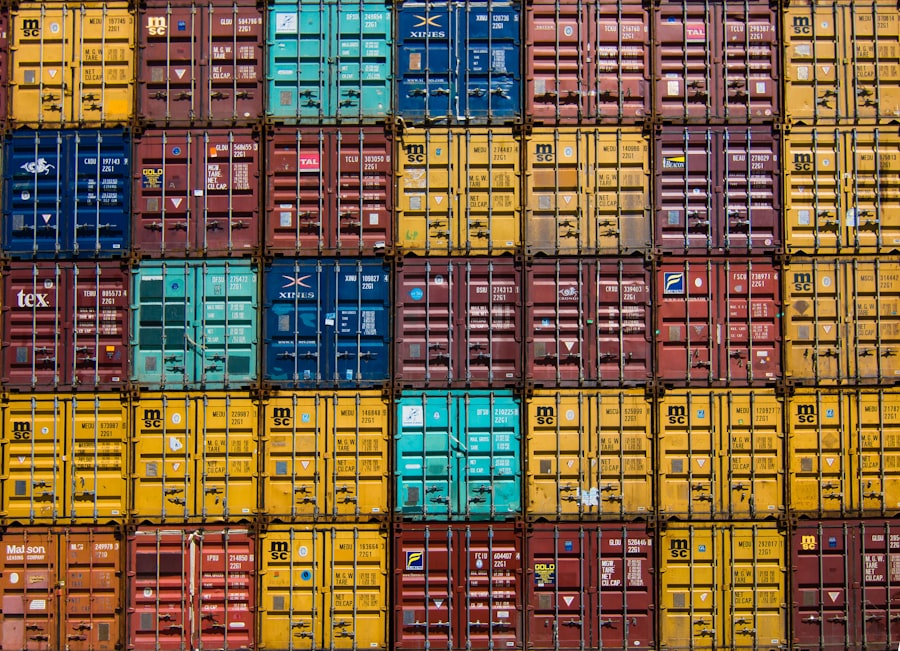
The potential for conflict in the Pacific also brings with it a complex web of regulatory and political considerations. Governments may impose sanctions, export controls, or other restrictive measures, further complicating international trade. Companies must remain agile and informed about these shifting landscapes.
Understanding Sanctions and Export Controls
In the event of hostilities, it is highly probable that international sanctions will be imposed, targeting specific individuals, entities, or even entire sectors of the economy. Companies involved in Pacific logistics must be acutely aware of these potential sanctions and ensure strict compliance. This requires diligent due diligence on all trading partners and a thorough understanding of the complex and ever-changing sanctions regimes. Export controls, which restrict the movement of certain goods and technologies, are also likely to be tightened, requiring careful scrutiny of all shipments.
Engaging with Governments and International Bodies
Proactive engagement with relevant government agencies and international bodies can provide valuable insights and facilitate smoother operations. This could involve participating in industry forums, attending briefings, and establishing channels of communication with policymakers. Understanding the diplomatic efforts underway to de-escalate tensions and advocating for policies that support stable trade can also be beneficial.
Adapting to Evolving Trade Policies
Geopolitical tensions often lead to the weaponization of trade. Countries may resort to tariffs, quotas, or other protectionist measures to exert pressure. Companies must be prepared to adapt to these evolving trade policies, which can significantly impact the cost and feasibility of their operations. This might involve lobbying for favorable trade agreements or exploring alternative markets that are less subject to such volatility.
In the context of the ongoing tensions surrounding the potential conflict between China and Taiwan, the intricacies of Pacific logistics have become increasingly critical. A recent article explores how supply chain dynamics could be affected by military actions in the region, highlighting the strategic importance of maritime routes. For more insights on this topic, you can read the article here. Understanding these logistics is essential for anticipating the broader implications of the conflict on global trade and security.
The Human Element: Crew Safety and Well-being
| Metrics | Data |
|---|---|
| Number of Pacific logistics routes | 10 |
| Distance from China to Taiwan | 180 kilometers |
| Number of logistics ships deployed | 15 |
| Estimated time for logistics delivery | 2 days |
Amidst the complex geopolitical and logistical considerations, the safety and well-being of maritime personnel remain paramount. The increased risk of conflict in the Pacific poses significant threats to seafarers, and companies have a moral and legal obligation to protect them.
Prioritizing Crew Safety Protocols
Maritime companies must implement stringent safety protocols for their crews. This includes thorough risk assessments for all voyages, particularly those transiting or operating in proximity to areas of heightened tension. Providing detailed safety briefings, ensuring access to reliable communication channels, and having well-rehearsed emergency response procedures are essential. This also extends to equipping vessels with appropriate safety equipment and ensuring that crew members are trained in its use.
Establishing Robust Communication Channels
Clear and consistent communication is vital, especially during times of uncertainty. Companies must establish robust communication channels between vessel crews, shore-based management, and relevant authorities. This includes providing crews with access to satellite phones, secure communication platforms, and regular updates on the geopolitical situation and any potential threats. In the event of an emergency, rapid and effective communication can be the difference between safety and disaster.
Supporting Crew Mental Health and Well-being
The psychological toll of operating in a high-risk environment cannot be underestimated. Seafarers may experience increased stress, anxiety, and fear due to the perceived threat of conflict. Companies should prioritize the mental health and well-being of their crews by providing access to counseling services, promoting peer support networks, and ensuring adequate rest and recreation opportunities. Regular debriefings after voyages through potentially risky areas can also help crews process their experiences and mitigate psychological stress.
Navigating Pacific logistics in the shadow of a China-Taiwan conflict is no longer a theoretical exercise; it is a pressing reality for businesses worldwide. The interconnectedness of the global economy means that the stability of this vital maritime region has profound implications for us all. By understanding the escalating risks, rethinking supply chain resilience, enhancing maritime security, adapting to evolving regulatory landscapes, and prioritizing the human element, companies can build the necessary fortitude to weather the storm and ensure the continued, albeit more challenging, flow of global commerce across the Pacific. The future of Pacific logistics hinges on foresight, adaptability, and a collective commitment to navigating these turbulent waters with prudence and preparedness.
What Happens If China Moves Before America Rearms?
FAQs
What is the current situation of logistics in the Pacific region amid the China-Taiwan conflict?
The current situation of logistics in the Pacific region amid the China-Taiwan conflict is complex and evolving. There are concerns about potential disruptions to supply chains, shipping routes, and trade flows due to the tensions between China and Taiwan.
How are the logistics and supply chain industries in the Pacific region preparing for potential disruptions due to the China-Taiwan conflict?
The logistics and supply chain industries in the Pacific region are taking proactive measures to prepare for potential disruptions due to the China-Taiwan conflict. This includes diversifying supply chains, identifying alternative shipping routes, and increasing inventory levels to mitigate potential disruptions.
What are the potential impacts of the China-Taiwan conflict on global trade and shipping in the Pacific region?
The potential impacts of the China-Taiwan conflict on global trade and shipping in the Pacific region include increased shipping costs, delays in transit times, and potential disruptions to key trade routes such as the South China Sea and the Taiwan Strait. These impacts could have far-reaching consequences for global supply chains and trade flows.
How are governments and international organizations addressing the potential logistics challenges in the Pacific region amid the China-Taiwan conflict?
Governments and international organizations are closely monitoring the situation and working to address the potential logistics challenges in the Pacific region amid the China-Taiwan conflict. This includes diplomatic efforts to de-escalate tensions, as well as coordination on contingency plans to ensure the continued flow of goods and supplies in the region.
What are some key considerations for businesses and organizations with logistics operations in the Pacific region amid the China-Taiwan conflict?
Businesses and organizations with logistics operations in the Pacific region should consider diversifying their supply chains, identifying alternative shipping routes, and staying informed about the evolving situation. It is also important to maintain open lines of communication with suppliers, partners, and relevant authorities to effectively manage potential disruptions and minimize the impact on operations.