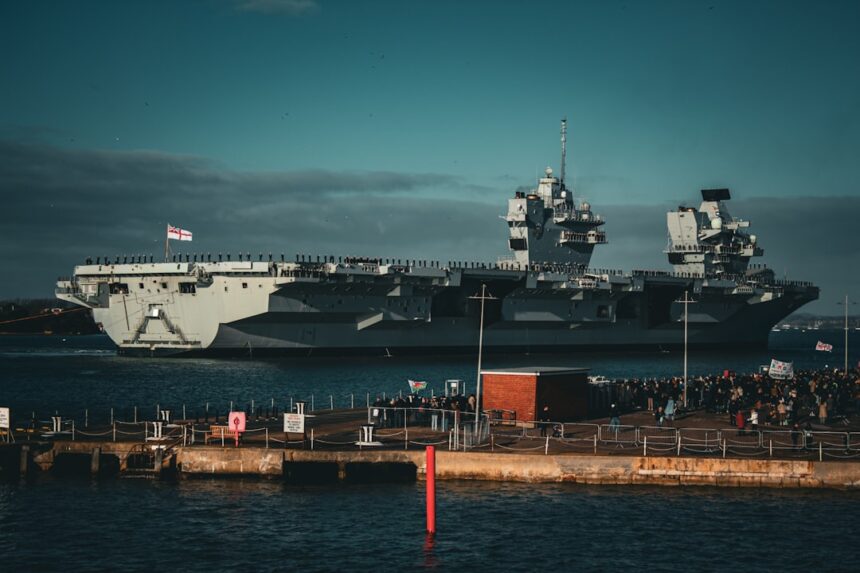
You are a shadow tanker. Your vessel moves through the vastness of the oceans, a vital artery in the global supply chain, transporting the lifeblood of modern economies. Your cargo, though essential, demands a heightened awareness of the increasingly complex maritime security landscape. You operate in a world where traditional threats persist, and new, asymmetric ones emerge with unsettling frequency. This document outlines the Naval Rules of Engagement (ROE) specifically tailored for your critical role, emphasizing the need for clear understanding, decisive action, and unwavering adherence to international maritime law. Your responsibility extends beyond the safe navigation and delivery of your cargo; it encompasses contributing to the security and stability of the maritime domains in which you operate.
The Evolving Threat Environment
The seas are not as benign as they once appeared. Piracy, state-sponsored interdiction, illegal fishing, and the transit of contraband all pose risks to your operation. Understanding these threats is the first step in mitigating them.
Piracy and Maritime Armed Robbery
- Understanding the Tactics: Pirates, often originating from coastal areas with limited economic opportunities, employ swift, small craft to close distances rapidly. They target vessels arbitrarily, seeking valuable cargo, ship’s stores, or hostages for ransom. Their methods can range from opportunistic boarding to coordinated attacks involving multiple vessels.
- Geographic Hotspots: You must be aware of known piracy hotspots, such as the waters off the Horn of Africa, the Gulf of Guinea, and certain areas of Southeast Asia. Intelligence disseminated by maritime security organizations and naval forces is crucial for anticipating and avoiding these high-risk zones.
- The Role of the Shadow Tanker: While you may not be a warship, your passive posture and the high value of your cargo can make you a target. Implementing robust, pre-planned defensive measures is paramount.
State-Sponsored Interdiction and Unlawful Interference
- Naval Blockades and Inspections: States, for various geopolitical reasons, may designate certain maritime areas as off-limits or subject to inspection. You must be acutely aware of international sanctions, UN Security Council resolutions, and unilateral declarations of maritime control.
- Escalation Potential: Unlawful interdiction by state navies can escalate rapidly. Misinterpretation of intent or a lack of clear communication can lead to dangerous confrontations. Your actions must be measured and aimed at de-escalation while asserting your right to innocent passage.
- Freedom of Navigation: Your fundamental right to operate freely within established international maritime law is a cornerstone of global commerce. However, this right is not absolute and must be exercised with consideration for the legitimate security interests of coastal states.
Illicit Trafficking and Transnational Crime
- Smuggling and Contraband: The vastness of the oceans offers opportunities for smugglers to move narcotics, weapons, and other illegal goods. While your vessel is not designed for interception, your presence in certain areas might be exploited or misinterpreted.
- Intelligence Gathering: Your crew’s vigilance can be a valuable asset. Reporting suspicious activity, such as unusual vessel behavior or the transfer of goods at sea, contributes to broader maritime security efforts.
- The Impact on Your Operations: Being caught in the vicinity of illicit activities can lead to your vessel being detained, investigated, or even implicated in criminal enterprise. Proactive avoidance and clear reporting protocols are essential.
The naval rules of engagement for shadow tankers are critical in ensuring the safety and effectiveness of maritime operations. For a deeper understanding of these regulations and their implications, you can refer to a related article that discusses the complexities of naval engagements and the strategic considerations involved. To read more, visit this article.
Naval Rules of Engagement: Your Framework for Action
The Naval ROE for shadow tankers are designed to provide you with a predictable and lawful framework for action in a range of maritime security scenarios. These rules balance the need for self-defense with the imperative to avoid unnecessary escalation and uphold international law.
Understanding the Spectrum of Engagement
- De-escalation First: The primary objective in any encounter is de-escalation. This involves clear, non-threatening communication and a genuine attempt to understand the other party’s intentions.
- Graduated Response: ROE are structured to allow for a graduated response, starting with passive measures and progressing to more assertive actions only when absolutely necessary.
- Proportionality: Any force used must be proportional to the threat faced. This means employing the minimum level of force required to achieve the objective.
Principles Guiding Your Actions
- Lawful Necessity: All actions must be grounded in lawful necessity. This implies that your actions are legally justifiable and intended to prevent immediate harm or unlawful interference.
- Command Authority: You operate under the ultimate authority of your ship’s command. All ROE must be understood and implemented with the explicit direction of your Captain.
- Reporting and Documentation: Meticulous reporting of all encounters and actions taken is non-negotiable. This documentation serves as a record, aids in future investigations, and contributes to intelligence gathering.
Defensive Measures and Proactive Security
Prevention is the most effective form of security. Implementing robust defensive measures not only protects your vessel and crew but also discourages potential aggressors.
Vessel Hardening and Crew Training
- Physical Defenses: Enhance your vessel’s physical security. This includes reinforced citadels, secure bridge access, and measures to deter boarding, such as barbed wire or water cannons, where appropriate and legally permissible.
- Vigilance and Watchkeeping: Maintain a heightened state of vigilance. Well-trained watchstanders are your first line of defense, capable of identifying and reporting potential threats early.
- Emergency Drills: Conduct regular, realistic emergency drills. This ensures your crew is proficient in responding to various security threats, including piracy, fire, and medical emergencies.
Communication and Information Sharing
- Ship-to-Ship and Ship-to-Shore Communication: Maintain open and clear communication channels with other vessels, port authorities, and maritime security agencies.
- Information Sharing Platforms: Utilize designated platforms for reporting suspicious activity, receiving security updates, and communicating distress signals.
- Intelligence Briefings: Stay informed about the current threat environment. Regular intelligence briefings should be incorporated into your operational planning.
Best Management Practices (BMPs)
- Adherence to BMPs: Strictly adhere to the latest editions of Best Management Practices for deterring piracy and protecting maritime trade. These guidelines are developed by industry experts and naval forces to provide practical security recommendations.
- Risk Assessment: Conduct thorough risk assessments for all voyages, identifying potential threats along the planned routes and implementing appropriate mitigation strategies.
- Crew Awareness: Ensure all crew members understand their roles and responsibilities in implementing BMPs and in reporting security-related incidents.
Interaction with Naval Forces and Law Enforcement
Your interactions with naval forces and law enforcement agencies are critical to ensuring your safety and contributing to broader maritime security. These encounters can range from routine checks to life-saving assistance.
Identification and Initial Contact
- Clear Identification: Ensure your vessel is clearly identifiable with proper registration and markings. This facilitates positive identification by naval and law enforcement vessels.
- Standard Communication Protocols: Be prepared to respond to hails using standard maritime communication protocols. This includes providing your vessel’s name, call sign, and destination.
- Respect for Authority: Treat naval and law enforcement personnel with respect. Understand that they are operating under similar, but often more complex, ROE.
Boarding and Inspection Procedures
- Cooperation with Inspections: When lawfully boarded by authorized personnel, your crew must cooperate fully. Provide access to all requested areas of the vessel and relevant documentation.
- Maintaining Crew Safety: While cooperating, the safety and security of your crew remain paramount. Any concerns or perceived threats during a boarding should be immediately reported to your Captain.
- Understanding Authority: Be aware of the authority of different naval and law enforcement agencies. Understand their mandate and the legal basis for their actions.
Requesting Assistance
- Distress Signals: Be prepared to use distress signals, including the Global Maritime Distress and Safety System (GMDSS), if you are in imminent danger.
- Contacting Naval Forces: Understand the established procedures for contacting naval forces for assistance in distress situations. This often involves direct communication via radio or satellite phone.
- Providing Accurate Information: When requesting assistance, provide clear and concise information about your situation, including your vessel’s position, the nature of the distress, and the number of personnel on board.
The complexities surrounding the naval rules of engagement for shadow tankers have been a topic of significant discussion in recent military analyses. A related article that delves deeper into this subject can be found on In The War Room, which explores the implications of these rules on maritime security and operational effectiveness. For those interested in understanding the nuances of this issue, you can read more about it in the insightful piece available here.
Legal Framework and International Law
Operating within the established legal framework is not just a matter of compliance; it is fundamental to maintaining the legitimacy and unimpeded operation of global maritime trade.
The Law of the Sea
- UNCLOS: The United Nations Convention on the Law of the Sea (UNCLOS) provides the overarching legal framework for maritime activities. Understanding its provisions on innocent passage, transit passage, and jurisdiction is vital.
- Territorial Seas and Exclusive Economic Zones (EEZs): Be aware of the different maritime zones of coastal states and the rights and restrictions associated with transiting them.
- Flag State Responsibilities: Your vessel operates under the flag of a particular state, which has primary responsibility for its regulation and oversight.
Use of Force and Self-Defense
- Right to Self-Defense: International law recognizes the inherent right of individual or collective self-defense against armed attack. However, this right is not a license for aggressive action.
- Proportionality and Necessity: As mentioned, any use of force must be both proportional to the threat and absolutely necessary to repel an attack or prevent unlawful interference.
- Naval ROE as a Guide: The Naval ROE for shadow tankers are designed to be consistent with international law, providing specific guidance on how to exercise the right to self-defense in complex maritime scenarios.
Reporting and Investigation Procedures
- Incident Reporting: All incidents, particularly those involving potential threats or the use of force, must be reported to the relevant authorities immediately. This includes your flag state, the ship’s operator, and any contracted maritime security providers.
- Evidence Preservation: Meticulously preserve all evidence related to an incident, including logbooks, CCTV footage, and any physical evidence. This is crucial for any subsequent investigations.
- Legal Counsel: In situations involving significant legal ramifications, such as detentions or accusations of wrongdoing, ensure access to qualified legal counsel.
Your role as a shadow tanker is indispensable. By understanding and diligently applying these Naval Rules of Engagement, you contribute not only to the security of your own vessel and crew but also to the broader stability and safety of the maritime environment. Your vigilance, professionalism, and adherence to lawful conduct are paramount to ensuring the continued free flow of global commerce.
FAQs
What are shadow tankers in naval operations?
Shadow tankers are vessels that provide fuel and supplies to naval ships at sea, allowing them to extend their operational range and stay on station for longer periods of time.
What are the rules of engagement for shadow tankers in naval operations?
The rules of engagement for shadow tankers in naval operations are governed by international maritime laws and regulations, as well as specific guidelines set forth by each country’s naval forces. These rules dictate how and when shadow tankers can provide support to naval ships, including considerations for safety, security, and operational necessity.
What are some common considerations for naval forces when using shadow tankers?
Common considerations for naval forces when using shadow tankers include maintaining operational security, minimizing the risk of detection by potential adversaries, ensuring the safety of personnel and equipment during refueling operations, and coordinating logistics and communication between the tanker and the receiving naval ships.
How do naval forces ensure compliance with rules of engagement for shadow tankers?
Naval forces ensure compliance with rules of engagement for shadow tankers through rigorous training, adherence to standard operating procedures, regular communication and coordination between tanker and naval ships, and ongoing evaluation and refinement of operational protocols.
What are the potential benefits of using shadow tankers in naval operations?
The potential benefits of using shadow tankers in naval operations include increased operational flexibility and endurance for naval ships, reduced reliance on shore-based refueling facilities, and the ability to maintain a continuous naval presence in strategic areas of interest.