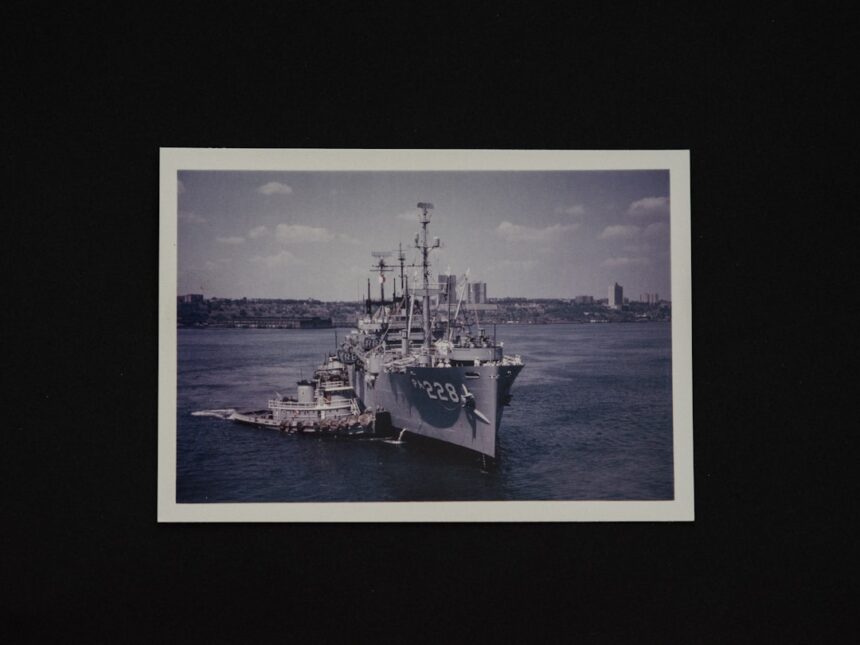
Naval officer testimony provides essential firsthand accounts of naval history. These narratives offer valuable insights into the experiences, challenges, and relationships formed during maritime service. They document significant historical events while also capturing the personal dimensions of naval life, including camaraderie and sacrifice.
As time passes, preserving these testimonies becomes increasingly important to maintain an accurate historical record of naval service. These accounts serve a crucial role in connecting different generations. Naval officers’ stories bridge past and present, helping future generations comprehend both the technical aspects of naval operations and the human experiences underlying them.
By studying these testimonies, people develop a more nuanced understanding of service members’ contributions and the historical contexts in which they served. This knowledge promotes respect for naval traditions and ensures the preservation of naval heritage.
Key Takeaways
- Naval officer testimony is crucial for preserving firsthand accounts and enriching naval history.
- Oral history helps maintain naval traditions, culture, and provides unique insights into naval operations.
- Naval officers play a key role in documenting and sharing their experiences to support historical education.
- Challenges in preserving oral history include ensuring accuracy, overcoming memory limitations, and proper archiving.
- Incorporating oral testimonies into training enhances naval education and honors the contributions of past officers.
The Importance of Oral History in the Navy
Oral history plays a crucial role in preserving the narratives of those who have served in the Navy. Unlike traditional historical records, which may be limited to official documents and reports, oral histories capture the nuances of personal experiences and emotions that are often absent from written accounts. These testimonies provide a more comprehensive understanding of naval history, encompassing not only strategic decisions and battles but also the everyday lives of sailors and officers.
The richness of these stories adds depth to historical understanding, allowing for a more holistic view of naval operations. Moreover, oral history serves as a powerful tool for education and reflection within the Navy. By engaging with these narratives, current and future naval personnel can learn from the experiences of their predecessors.
This learning process fosters a culture of reflection, encouraging individuals to consider the lessons learned from past conflicts and peacetime operations. The ability to draw connections between historical events and contemporary challenges enhances critical thinking skills and prepares naval officers for the complexities they may face in their careers.
The Role of Naval Officers in Preserving History
Naval officers play an essential role in preserving history through their testimonies. As individuals who have experienced significant events firsthand, they possess unique perspectives that are invaluable for historical documentation. Their accounts contribute to a broader understanding of naval operations, strategies, and the human elements involved in military service.
By sharing their stories, naval officers ensure that their experiences are not lost to time but instead become part of a collective memory that informs future generations. In addition to sharing their personal narratives, naval officers often take on the responsibility of mentoring younger sailors and officers. Through storytelling, they impart lessons learned from their own experiences, fostering a sense of continuity within the Navy.
This mentorship not only preserves history but also instills values such as leadership, resilience, and teamwork in those who follow in their footsteps. By actively engaging in this process, naval officers contribute to a culture that values history and recognizes its importance in shaping future leaders.
Insights from Oral Testimony of Naval Officers
The insights gleaned from oral testimony of naval officers are profound and multifaceted. These narratives often reveal the emotional toll of service, including the challenges of separation from family, the weight of responsibility during critical missions, and the camaraderie forged in times of adversity. Such insights humanize the experience of military service, allowing civilians and fellow service members alike to empathize with the struggles faced by those in uniform.
The stories shared by naval officers serve as poignant reminders of the sacrifices made by individuals who serve their country. Furthermore, oral testimonies often highlight pivotal moments in naval history that may not be well-documented elsewhere. Officers recounting their experiences during significant battles or humanitarian missions provide context that enriches historical understanding.
These accounts can illuminate strategic decisions made during crises or showcase innovative tactics developed in response to evolving threats. By capturing these moments through personal narratives, naval officers contribute to a more nuanced understanding of military history that goes beyond mere dates and events.
Challenges in Preserving Oral History in the Navy
| Metric | Description | Example Data |
|---|---|---|
| Number of Interviews | Total oral history interviews conducted with naval officers | 150 |
| Average Interview Length | Average duration of each oral history interview | 1 hour 20 minutes |
| Time Period Covered | Range of years covered by the testimonies | 1940 – 2020 |
| Rank Distribution | Breakdown of interviewees by naval rank | Ensign: 20%, Lieutenant: 35%, Commander: 25%, Captain: 15%, Admiral: 5% |
| Topics Discussed | Common themes and subjects in the testimonies | Combat experiences, leadership challenges, technological changes, daily life aboard ship |
| Geographic Focus | Regions or theaters of naval operations discussed | Pacific Ocean, Atlantic Ocean, Mediterranean Sea, Arctic Circle |
| Preservation Format | Formats used to archive the oral histories | Audio recordings, video recordings, transcribed text |
Despite its importance, preserving oral history within the Navy presents several challenges. One significant hurdle is the passage of time; as veterans age or pass away, their unique perspectives may be lost forever if not documented promptly. The urgency to capture these testimonies before they fade away underscores the need for organized efforts to collect and archive oral histories systematically.
Additionally, there may be reluctance among some naval officers to share their experiences due to concerns about privacy or potential repercussions related to sensitive information. This hesitance can hinder efforts to gather comprehensive oral histories that reflect diverse perspectives within the Navy.
To address these challenges, it is essential for institutions within the Navy to create supportive environments that encourage open dialogue and storytelling while respecting confidentiality when necessary. By fostering a culture that values oral history, the Navy can ensure that these vital narratives are preserved for future generations.
The Impact of Oral History on Naval Traditions and Culture
Oral history significantly impacts naval traditions and culture by reinforcing shared values and collective memory among service members. The stories passed down through generations serve as touchstones for identity within the Navy, helping to cultivate a sense of belonging among sailors and officers. These narratives often encapsulate core principles such as honor, courage, and commitment—values that are central to naval service.
By engaging with oral histories, current personnel can connect with their predecessors’ experiences, fostering a deeper appreciation for the traditions that define naval culture. Moreover, oral histories can influence how traditions evolve over time. As new generations of sailors encounter contemporary challenges, they may reinterpret or adapt traditional practices based on insights gained from past experiences.
By integrating lessons learned from oral testimonies into current practices, the Navy can continue to build a resilient and adaptive force capable of meeting future challenges.
Lessons Learned from Naval Officer Testimony
The lessons learned from naval officer testimony are invaluable for both current and future service members. These narratives often emphasize themes such as leadership under pressure, ethical decision-making in complex situations, and the importance of teamwork in achieving mission success. By reflecting on these lessons, naval officers can develop critical skills that enhance their effectiveness in various roles within the Navy.
The wisdom shared through oral histories serves as a guide for navigating challenges both at sea and on land. Additionally, personal testimonies often highlight the significance of resilience in overcoming adversity. Many officers recount experiences where they faced seemingly insurmountable obstacles yet emerged stronger through perseverance and adaptability.
These stories inspire current sailors to cultivate resilience in their own lives, reinforcing the idea that challenges can be opportunities for growth rather than setbacks. By learning from the experiences of those who came before them, naval personnel can better prepare themselves for the uncertainties they may encounter throughout their careers.
The Significance of Oral History in Naval Education and Training
Oral history holds significant value in naval education and training programs. Incorporating firsthand accounts into curricula allows instructors to provide context for theoretical concepts and technical skills taught in classrooms or training environments. By integrating oral histories into educational materials, instructors can create more engaging learning experiences that resonate with students on a personal level.
This approach fosters a deeper understanding of naval operations while instilling a sense of pride in service members’ heritage. Furthermore, oral histories can serve as case studies for leadership development programs within the Navy. By analyzing real-life scenarios recounted by experienced officers, trainees can gain insights into effective decision-making processes during high-stakes situations.
This experiential learning approach encourages critical thinking and problem-solving skills essential for success in military leadership roles. Ultimately, leveraging oral history in education enhances both individual growth and organizational effectiveness within the Navy.
The Future of Oral History in the Navy
The future of oral history in the Navy appears promising as advancements in technology facilitate new methods for capturing and preserving these vital narratives. Digital platforms enable easier access to recorded testimonies while also allowing for innovative storytelling techniques that engage younger audiences. As younger generations increasingly turn to digital media for information consumption, adapting oral history initiatives to align with these trends will be crucial for ensuring continued interest in naval heritage.
Moreover, collaborative efforts between military institutions and academic organizations can further enhance oral history initiatives within the Navy. By partnering with historians, researchers, and educators specializing in military studies, the Navy can develop comprehensive programs that prioritize documentation efforts while also promoting public awareness about its rich history. Such collaborations will not only preserve valuable narratives but also contribute to broader discussions about military service’s role in society.
Honoring the Contributions of Naval Officers through Oral Testimony
Honoring the contributions of naval officers through oral testimony is essential for recognizing their sacrifices and achievements throughout history. By actively documenting these narratives, society acknowledges the dedication and bravery exhibited by those who have served at sea. This recognition fosters a culture of appreciation that extends beyond military circles into civilian life, encouraging communities to engage with veterans’ stories meaningfully.
Additionally, commemorative events centered around oral histories can serve as powerful platforms for honoring naval officers’ contributions. Public forums where veterans share their experiences allow communities to connect with service members on a personal level while fostering dialogue about military service’s impact on society as a whole. Such initiatives not only celebrate individual achievements but also reinforce collective memory within communities—ensuring that future generations understand and appreciate the sacrifices made by those who served.
The Value of Naval Officer Testimony in Preserving History
In conclusion, naval officer testimony represents an invaluable resource for preserving history and understanding the complexities of military service. These firsthand accounts provide unique insights into both significant events and everyday life within the Navy, enriching historical narratives while fostering connections between generations. The importance of oral history cannot be overstated; it serves as a bridge linking past experiences with present realities while informing future practices.
As efforts continue to document these vital narratives through innovative approaches and collaborative initiatives, society must recognize and honor the contributions made by naval officers throughout history. By valuing their testimonies as essential components of collective memory, individuals can ensure that the legacy of those who served at sea endures for generations to come—reminding all of us about the sacrifices made in defense of freedom and security.
In exploring the rich narratives of military service, the oral histories of naval officers provide invaluable insights into their experiences and perspectives. A related article that delves into the significance of these testimonies can be found at this link. This resource offers a deeper understanding of the personal stories that shape our comprehension of naval history and the broader implications of service in the armed forces.
FAQs
What is a naval officer testimony in oral history?
A naval officer testimony in oral history is a recorded or transcribed personal account given by a naval officer, detailing their experiences, observations, and reflections related to their service. These testimonies provide firsthand insights into naval operations, life aboard ships, military engagements, and historical events.
Why are naval officer testimonies important in oral history?
Naval officer testimonies are important because they offer unique, personal perspectives that enrich the understanding of naval history. They help preserve the experiences of individuals who participated in significant events, contributing to a more comprehensive and humanized historical record.
How are naval officer oral histories typically collected?
Naval officer oral histories are usually collected through structured interviews conducted by historians, researchers, or archivists. These interviews are often recorded in audio or video format and later transcribed to create a permanent record. The process may involve multiple sessions to cover different aspects of the officer’s career.
Where can one access naval officer oral history testimonies?
Naval officer oral history testimonies can be accessed through military archives, naval museums, university libraries, and specialized oral history projects. Many institutions also provide digital collections online, making these resources available to the public for research and educational purposes.
What topics are commonly covered in naval officer oral histories?
Common topics include naval training, shipboard life, combat experiences, leadership challenges, technological changes, interactions with other military branches, and reflections on historical naval battles or missions. Officers may also discuss the impact of their service on their personal lives.
Can naval officer oral histories be used for academic research?
Yes, naval officer oral histories are valuable primary sources for academic research in fields such as military history, maritime studies, sociology, and psychology. They provide authentic narratives that help scholars analyze historical events and understand the human dimension of naval service.
Are there ethical considerations in recording naval officer oral histories?
Yes, ethical considerations include obtaining informed consent, respecting privacy, accurately representing the interviewee’s words, and handling sensitive information with care. Interviewers must ensure that testimonies are recorded and used responsibly to honor the integrity of the participants.
How do oral histories differ from written naval records?
Oral histories capture personal memories and subjective experiences, often including emotions and reflections, whereas written naval records typically consist of official documents, reports, and logs that provide factual and procedural information. Both sources complement each other in understanding naval history.