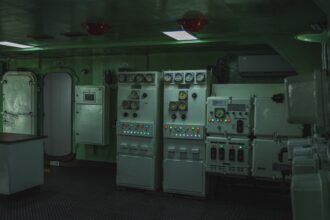
Naval Deterrent Recapitalization: Managing Costs
The strategic imperative of maintaining a credible naval deterrent is a cornerstone of national security for many maritime powers. This deterrent, often embodied by a fleet of advanced warships and submarines, serves as a powerful symbol of a nation’s commitment to protecting its interests, deterring aggression, and projecting influence. However, the very nature of naval technology—its complexity, sophistication, and the unforgiving environment in which it operates—dictates that these assets require continuous and substantial investment. This investment is not merely about acquiring new platforms; it is intrinsically linked to the ongoing process of recapitalization, a complex undertaking that involves overhauling, modernizing, and, when necessary, replacing aging vessels to ensure their continued relevance and effectiveness. Effectively managing the costs associated with naval deterrent recapitalization is therefore not an optional consideration but a critical prerequisite for sustaining a robust and credible maritime defense posture. Failure to control these expenditures can lead to budget overruns, project delays, and, ultimately, a compromised deterrent capability. This article will delve into the multifaceted challenges of managing costs during naval deterrent recapitalization, exploring the key factors that influence these expenses and outlining strategies for ensuring fiscal responsibility.
The lifespan of a modern naval vessel is measured in decades, often 30 to 50 years or more. This extended operational life is a testament to the engineering marvels they represent, but it also signifies a prolonged and complex financial commitment. Unlike consumer goods that are often replaced after a few years, a warship is designed for endurance and adaptability. This longevity, however, is a double-edged sword when it comes to cost management.
Research and Development (R&D) as the Seed of Expense
The genesis of any naval recapitalization program lies in the research and development phase. This is where the seeds of future expenses are sown.
Defining Future Threats and Requirements
Naval planners must anticipate the evolving landscape of global security, identifying potential adversaries, their burgeoning capabilities, and emerging conflict scenarios. This foresight translates into specific technical requirements for new or modernized platforms, influencing everything from weapon systems and sensors to survivability features and propulsion. The more complex and advanced the anticipated threats, the more intricate and expensive the R&D process becomes.
Technological Advancements and Innovation
The relentless march of technological innovation presents both opportunities and challenges. While new technologies can offer significant performance enhancements, they also introduce a higher degree of uncertainty and risk into the development process. Integrating cutting-edge systems, such as artificial intelligence-driven targeting or advanced stealth technologies, can be a costly endeavor, requiring extensive testing and validation. The pursuit of a technological edge is a constant battle, and one where the investment can be substantial, akin to a farmer investing in ever more specialized and expensive agricultural machinery to maximize yield.
Prototype Development and Testing
Before full-scale production can commence, prototypes are often built and subjected to rigorous testing. This phase is crucial for identifying design flaws and validating performance parameters. However, the construction and testing of even a single prototype can represent a significant financial outlay, as these are not typical off-the-shelf components but highly specialized, often bespoke, pieces of engineering.
Acquisition and Construction: The Bulk of the Initial Outlay
Once R&D yields a viable design, the focus shifts to acquisition and construction. This is typically the most visible and substantial phase of capital expenditure.
Platform Design and Engineering
The detailed design and engineering of a naval platform are intricate processes. Thousands of engineers and technicians are involved in translating conceptual designs into detailed blueprints and manufacturing specifications. This requires specialized software, extensive computational power, and a deep understanding of naval architecture, materials science, and systems integration.
Material Costs: The Weight of Steel and Sophistication
The raw materials used in naval construction are a significant cost driver. High-strength steels, advanced composites, specialized alloys for reduced radar signature, and exotic materials for stealth applications all contribute to the overall expense. The sheer volume of these materials required for a capital ship is immense.
Component Procurement and Integration
Modern warships are not monolithic entities but rather complex assemblies of thousands of individual components, many of which are highly sophisticated and sourced from a global supply chain. This includes everything from advanced sonar systems and targeting computers to propulsion machinery and life support systems. The procurement of these specialized components, often from a limited number of suppliers, can be a substantial cost. Furthermore, the integration of these disparate systems to work in harmony is a complex engineering challenge that adds further expense.
Labor Costs and Workforce Skills
The construction of naval vessels is a labor-intensive undertaking that requires a highly skilled workforce. This includes naval architects, structural engineers, welders, electricians, pipefitters, and technicians specializing in advanced electronics and systems. The cost of this specialized labor, particularly in developed economies with competitive wage structures, is a significant factor in overall program costs.
Maintenance, Modernization, and Sustainment: The Long Haul
The initial acquisition cost, while substantial, is only the beginning. The true financial commitment of a naval deterrent unfolds over its decades-long operational life.
Routine Maintenance and Repair
Ships operate in a harsh environment, constantly exposed to corrosive saltwater, extreme weather, and physical stresses. Regular maintenance, hull cleaning, painting, and minor repairs are essential to prevent costly failures and extend the vessel’s lifespan. These ongoing activities, while seemingly mundane, represent a continuous drain on budgets.
Major Overhauls and Refits
Periodically, naval vessels undergo major overhauls or refits. These are more extensive than routine maintenance and involve dry-docking the vessel, undertaking significant structural repairs, and replacing worn-out components. These interventions are crucial for maintaining operational readiness and preventing obsolescence.
Mid-Life Modernization Programs
As technology advances and operational requirements evolve, mid-life modernization programs become necessary. These programs aim to upgrade or replace aging systems with newer, more capable technologies. This could involve installing new weapons systems, upgrading sensors, enhancing communication suites, or improving propulsion systems. These modernization efforts are critical for keeping the fleet competitive but can be as expensive as building a new vessel in some instances. For example, retrofitting a submarine with new sonar technology or upgrading a frigate’s missile launch systems can be a massive undertaking.
Training and Personnel Costs
Maintaining a skilled and proficient crew is paramount to operating any naval asset effectively. This includes the cost of initial training, ongoing refresher courses, simulator time, and the salaries and benefits of highly trained naval personnel. The human element is often the most critical component of a deterrent, and its upkeep is a continuous financial obligation.
In discussing the challenges faced by the Navy regarding deterrent recapitalization costs, it is essential to consider the broader implications of military funding and strategic planning. A related article that delves into these issues can be found at In the War Room, where experts analyze the financial and operational aspects of maintaining a credible deterrent force in an evolving geopolitical landscape. This resource provides valuable insights into the complexities of balancing budgetary constraints with the need for modernization and readiness in naval capabilities.
Strategies for Effective Cost Management
Given the formidable financial challenges, implementing robust cost management strategies is paramount for any nation undertaking naval deterrent recapitalization. These strategies are not a single silver bullet but a layered approach that addresses different aspects of the acquisition and sustainment lifecycle.
Strategic Planning and Realistic Budgeting
The foundation of successful cost management lies in meticulous planning and the establishment of realistic budgets from the outset. This involves a clear understanding of the long-term financial commitment required.
Setting Clear and Achievable Program Objectives
Ambiguous or overly ambitious objectives can lead to scope creep and escalating costs. Defining precise mission requirements and performance specifications for new or modernized platforms is crucial. This ensures that the program stays focused and avoids unnecessary additions or deviations.
Accurate Cost Estimation and Contingency Planning
Developing accurate cost estimates requires input from a wide range of experts, including engineers, contractors, financial analysts, and experienced naval personnel. Overly optimistic projections can create future budget crises. Incorporating realistic contingencies for unforeseen problems, technological challenges, or economic fluctuations is essential. A prudent approach often involves adding a buffer to account for the inherent uncertainties in large-scale defense projects.
Long-Term Financial Forecasting and Commitment
Naval recapitalization is a multi-decade endeavor. Governments must commit to long-term funding streams, rather than relying on short-term annual appropriations. This provides stability for contractors and suppliers, allowing for more efficient planning and potentially better pricing. A fluctuating budget is like a farmer trying to plant crops without knowing if they will have enough water for the entire growing season – it introduces immense inefficiency and risk.
Procurement and Contracting Innovations
The way in which naval assets are purchased and contracted has a profound impact on their ultimate cost. Adopting innovative procurement models can help mitigate risks and control expenditures.
Competitive Tendering and Market Analysis
Encouraging robust competition among shipbuilders and equipment suppliers is a primary mechanism for controlling costs. Rigorous market analysis ensures that the government is receiving fair value for its investment. Avoiding sole-source contracts wherever possible is a key principle.
Performance-Based Contracting
Shifting from traditional cost-plus contracts to performance-based contracts can incentivize contractors to deliver on time and within budget. In this model, payments are tied to the achievement of specific milestones and performance metrics, rather than simply reimbursing costs incurred. This aligns the contractor’s financial interests with those of the government.
Early Industry Engagement and Collaboration
Engaging potential contractors early in the design and planning phases can lead to more innovative and cost-effective solutions. Collaborative efforts can identify potential challenges and opportunities for cost savings before they become embedded in the design. This proactive approach can prevent expensive redesigns later in the process.
International Collaboration and Burden Sharing
For nations with similar defense needs, international collaboration on procurement can offer significant cost efficiencies. This might involve joint development programs, pooled R&D efforts, or cooperative purchasing agreements, allowing for economies of scale and shared development costs. Sharing the burden can lighten the load for individual nations, much like multiple farms pooling resources to purchase a specialized piece of equipment that would be too expensive for one alone.
Lifecycle Cost Management and Sustainment Optimization
Focusing solely on the initial acquisition cost is a common pitfall. A comprehensive approach must consider the entire lifecycle cost of a naval asset.
Total Ownership Cost (TOC) Analysis
TOC analysis considers all expenses associated with an asset over its entire lifespan, including design, R&D, acquisition, operation, maintenance, modernization, and eventual disposal. This holistic view helps identify areas where long-term savings can be realized.
Robust Maintenance and Repair Strategies
Implementing efficient and preventative maintenance programs can significantly reduce the likelihood of costly major repairs. Investing in skilled maintenance personnel and advanced diagnostic tools can also lead to long-term cost savings.
Obsolescence Management and Technology Refresh Cycles
Proactive management of technological obsolescence is crucial. Identifying components or systems that are nearing the end of their support life and planning for their replacement or modernization in a timely manner can prevent expensive emergency upgrades or the need to retire otherwise capable platforms prematurely.
Skills Development and Retention for Sustainment Workforce
Ensuring a well-trained and stable workforce for maintenance and sustainment is critical. High turnover rates or a lack of specialized skills can lead to delays, increased costs, and reduced readiness. Investing in training and retention programs for this vital segment of the naval support infrastructure is essential.
Challenges in Cost Containment
Despite the best intentions and strategic planning, several inherent challenges make cost containment in naval recapitalization a precarious balancing act.
The ‘Iron Law’ of Military Procurement: Escalation and Delays
Large defense procurement programs are notoriously prone to cost escalation and schedule slippage. This is often referred to as the “iron law” of military procurement.
Unforeseen Technical Hurdles
The cutting-edge nature of naval technology means that unforeseen technical challenges are almost inevitable. These can range from integration issues between complex systems to fundamental problems with newly developed materials or software. Overcoming these hurdles often requires additional R&D, testing, and redesign, all of which add to the cost and timeline.
The “Gold Plating” Phenomenon
There can be a natural tendency, sometimes referred to as “gold plating,” to continually add “nice-to-have” features or improvements to a program as it progresses. While these additions may enhance capability, they often come at a significant cost and can derail original budget targets. The allure of marginal improvements can be a siren song leading to fiscal distress.
Contractor Incentives and Profit Motives
While contractors are essential partners, their financial incentives can sometimes diverge from the public interest. In certain contracting models, exceeding budget can even be profitable. Understanding these dynamics and structuring contracts to align interests is crucial for cost control.
The Dynamic Nature of Geopolitical Threats
The strategic environment in which naval deterrents operate is not static. Geopolitical shifts can necessitate changes to program requirements mid-stream, leading to costly adjustments.
Evolving Threat Landscapes
As discussed earlier, the evolution of potential threats requires constant vigilance. A defensive posture planned a decade ago may be insufficient against a new adversary’s emerging capabilities. This can lead to demands for design changes, the incorporation of new weapon systems, or accelerated modernization schedules, all of which are costly.
Strategic Realignments and Policy Shifts
National security strategies can pivot based on changing global circumstances. A shift in strategic priorities might require a different mix of naval assets or a re-emphasis on specific capabilities. Adapting existing programs or initiating new ones to meet these policy shifts can strain budgets.
The Influence of Political and Public Scrutiny
Naval recapitalization programs are highly visible and often subject to intense political and public scrutiny. This can create its own set of challenges for cost management.
Political Pressures for Rapid Development or Deployment
In response to perceived security threats or public expectations, political leaders may pressure for accelerated timelines. This can lead to cutting corners, reducing testing, or foregoing more cost-effective, but slower, development paths, ultimately increasing long-term costs and risks.
Oversight and Auditing Processes
While essential for accountability, the extensive oversight and auditing processes associated with large government programs can also add administrative costs and lead to bureaucratic delays. Balancing the need for scrutiny with the need for efficient program execution is a delicate act.
Public Perception and Media Scrutiny
Negative press or public outcry over cost overruns can lead to political interference, project cancellations, or forced, often inefficient, restructurings, all of which can escalate costs. Maintaining public trust and transparency regarding the financial aspects of these vital programs is therefore crucial.
The Role of Technology in Cost Management
Technology is not only a driver of costs in naval recapitalization but can also be a powerful tool for managing them effectively.
Advancements in Design and Simulation
Modern digital tools offer unprecedented capabilities for optimizing designs and reducing the need for expensive physical prototypes.
Computer-Aided Design (CAD) and Engineering (CAE)
Advanced CAD and CAE software allow for highly detailed 3D modeling and complex simulations of a vessel’s performance, structural integrity, and hydrodynamic characteristics. This enables engineers to identify and resolve design issues early in the process, minimizing costly redesigns.
Digital Twins and Predictive Maintenance
The concept of a “digital twin” – a virtual replica of a physical asset – is revolutionizing maintenance. By constantly feeding real-world performance data into the digital twin, operators can predict potential failures before they occur, allowing for planned, less expensive maintenance interventions. This proactive approach can prevent catastrophic breakdowns and significantly reduce downtime and repair costs.
Virtual Reality (VR) and Augmented Reality (AR) for Training and Maintenance
VR and AR technologies offer immersive training environments for crews and maintenance personnel. This can reduce the reliance on expensive physical simulators and real-world training exercises. AR applications can also provide technicians with real-time, overlaid information during maintenance tasks, improving efficiency and reducing errors.
Innovations in Manufacturing and Construction
New manufacturing techniques can streamline processes, improve quality, and reduce labor costs.
Modular Construction and Prefabrication
Breaking down the construction of a vessel into smaller, standardized modules that can be built in parallel and then assembled on the slipway can significantly accelerate construction timelines and improve efficiency. This approach can also lead to better quality control.
Advanced Robotics and Automation
The increasing use of robotics and automation in shipbuilding can improve precision, speed up repetitive tasks, and reduce the need for manual labor in hazardous environments. This can lead to both cost savings and improved safety.
Additive Manufacturing (3D Printing)
While still evolving for large-scale naval applications, additive manufacturing holds promise for producing complex, customized parts on demand, potentially reducing lead times and inventory costs for specialized components.
Data Analytics and Artificial Intelligence (AI) for Decision Support
Harnessing the power of data can provide valuable insights for cost optimization.
Predictive Analytics for Procurement and Supply Chain Management
AI-powered analytics can optimize procurement processes by forecasting demand, identifying potential supply chain disruptions, and recommending the most cost-effective sourcing strategies.
AI-Driven Cost Analysis and Risk Assessment
AI algorithms can analyze vast datasets of historical project data to identify patterns, predict cost overruns, and highlight areas of potential risk, enabling more informed decision-making.
Optimization of Operational Efficiency
AI can be used to optimize the operational efficiency of naval fleets, such as by managing fuel consumption, planning optimal transit routes, and scheduling maintenance to minimize disruption.
In recent discussions about the Navy’s strategic capabilities, the topic of deterrent recapitalization costs has gained significant attention. A related article on this subject can be found at In the War Room, where experts analyze the financial implications and operational necessities of modernizing naval deterrents. This analysis highlights the importance of balancing budget constraints with the need for a robust defense posture in an increasingly complex global landscape.
Conclusion: A Perpetual Balancing Act
| Metric | Description | Value | Unit | Notes |
|---|---|---|---|---|
| Annual Recapitalization Budget | Funds allocated yearly for deterrent system upgrades | 3.5 | Billion | Includes maintenance and modernization |
| Average Cost per Submarine Overhaul | Cost to refit and upgrade each ballistic missile submarine | 1.2 | Billion | Typically every 5-7 years |
| Missile System Upgrade Cost | Expense for updating missile guidance and warhead systems | 0.8 | Billion | Per upgrade cycle |
| Research & Development | Investment in new deterrent technologies and systems | 1.0 | Billion | Annual average |
| Lifecycle Cost per Deterrent System | Total cost over expected operational life | 15.0 | Billion | Includes construction, maintenance, and upgrades |
Naval deterrent recapitalization is an indispensable undertaking for any nation seeking to secure its maritime interests and project stability. However, it is a process that is inherently expensive and fraught with complexities. Managing these costs effectively is not a one-time achievement but a perpetual balancing act, requiring constant vigilance, strategic foresight, and a willingness to adapt.
The path to fiscal responsibility in this domain is paved with realistic planning, innovative procurement strategies, and a comprehensive lifecycle cost perspective. Embracing technological advancements, from sophisticated design tools to data analytics, offers potent weapons in the fight against escalating expenses. Yet, the fundamental challenges of technical complexity, evolving threats, and political realities mean that cost containment will always demand rigorous attention.
Ultimately, the success of naval deterrent recapitalization hinges on the ability of decision-makers to navigate these challenges with a clear understanding of the long-term financial implications, ensuring that the investments made today provide a credible and sustainable deterrent for the nation tomorrow. It is a commitment that requires not just financial resources, but also intellectual capital, strategic discipline, and an unwavering focus on achieving the best possible value for every dollar expended. The price of naval security, while substantial, must always be weighed against the incalculable cost of its absence.
FAQs
What is deterrent recapitalization in the Navy?
Deterrent recapitalization in the Navy refers to the process of updating, replacing, or modernizing the Navy’s strategic deterrent forces, such as ballistic missile submarines and their associated weapons systems, to maintain a credible and effective nuclear deterrent.
Why are recapitalization costs significant for the Navy?
Recapitalization costs are significant because they involve the development and construction of advanced and highly specialized platforms and technologies, which require substantial investment to ensure the Navy’s deterrent capabilities remain reliable, secure, and technologically superior.
What factors contribute to the high costs of deterrent recapitalization?
Factors contributing to high costs include research and development expenses, the complexity of nuclear propulsion and weapons systems, stringent safety and security requirements, long production timelines, and the need to integrate cutting-edge technology to maintain strategic advantage.
How does deterrent recapitalization impact national security?
Deterrent recapitalization is critical to national security as it ensures the Navy’s strategic forces remain capable of deterring adversaries from nuclear aggression, thereby maintaining strategic stability and protecting the United States and its allies.
What are some examples of deterrent recapitalization programs in the Navy?
Examples include the Columbia-class submarine program, which is set to replace the aging Ohio-class ballistic missile submarines, and the modernization of submarine-launched ballistic missiles (SLBMs) such as the Trident II D5 missile system.