NATO’s Cold War intelligence operations were a multifaceted and often clandestine endeavor, crucial to the alliance’s survival and the deterrence of Soviet aggression. From the nascent years of the Cold War, intelligence gathering, analysis, and dissemination formed a vital bulwark against the perceived existential threat posed by the Soviet Union. This involved a complex web of human intelligence, signals intelligence, and counterintelligence efforts, all working in concert to provide policymakers with the information needed to make informed decisions and maintain the strategic balance. The sheer scale and sophistication of these operations, often conducted under immense secrecy, underscored the gravity of the geopolitical confrontation and NATO’s commitment to safeguarding its member states.
The formation of the North Atlantic Treaty Organization in 1949 was born out of a deep-seated fear of Soviet expansionism in post-World War II Europe. The ensuing Cold War environment necessitated a coordinated intelligence effort to understand the intentions, capabilities, and vulnerabilities of the Warsaw Pact. This was not merely about military parity; it was about deciphering the political will and ideological motivations driving Soviet actions.
Early Challenges and the Need for Interoperability
In its early years, NATO faced significant challenges in establishing a cohesive intelligence apparatus. Member nations, with their own distinct intelligence traditions and national interests, often operated in silos. The immediate post-war period was characterized by a fragmented intelligence landscape, where sharing information was not always a priority or even feasible.
Bridging National Divides: The Birth of Joint Intelligence Committees
Recognizing the imperative of a unified front, NATO began to establish joint intelligence committees and working groups. These bodies were designed to facilitate the exchange of information and foster a common understanding of the Soviet threat. The initial focus was on establishing common reporting standards and identifying critical intelligence requirements that transcended national boundaries.
The Shadow of the Iron Curtain: Understanding Soviet Intentions
The primary objective of early NATO intelligence was to penetrate the Iron Curtain and gain insight into Soviet military build-up, technological advancements, and political machinations. This involved a deep dive into the Soviet Union’s strategic doctrine, its nuclear capabilities, and its broader geopolitical ambitions. Understanding the Soviet Union’s intentions was paramount to preventing surprise attacks and making informed decisions about defense spending and troop deployments.
The Foundation of Trust: Building a Network of Information Sharing
The success of NATO intelligence hinged on building trust among member states. This was a delicate process, given the historical suspicions and varying levels of national security classifications. The establishment of secure communication channels and formal agreements for information exchange were crucial steps in this endeavor.
The Role of National Intelligence Agencies: Contributions and Limitations
Each member nation contributed its unique intelligence capabilities. The United States, with its vast resources, played a leading role, but British, French, and German intelligence also provided invaluable insights. However, national agencies often had their own priorities, and sometimes their intelligence was filtered through a national lens, requiring careful reconciliation within the NATO framework.
Intelligence Fusion Centers: Towards a Collective Picture
The development of intelligence fusion centers, where information from various national sources could be collated and analyzed, became a critical step in creating a comprehensive picture of the Soviet threat. These centers aimed to overcome the limitations of individual national assessments by bringing together diverse perspectives and data points.
During the Cold War, NATO intelligence operations played a crucial role in countering the Soviet threat and maintaining stability in Europe. For a deeper understanding of these operations and their impact on international relations during that era, you can read the article “NATO Intelligence Operations During the Cold War” on In The War Room. This article provides valuable insights into the strategies employed by NATO and the challenges they faced. For more information, visit In The War Room.
Signals Intelligence (SIGINT): Eavesdropping on the Enemy
Signals Intelligence (SIGINT) emerged as one of NATO’s most potent intelligence disciplines during the Cold War. The sheer volume of electronic communications emanating from the Soviet Union and its allies presented an unparalleled opportunity for eavesdropping. Intercepting, decrypting, and analyzing these signals provided critical insights into military plans, political directives, and technological developments.
The Technological Arms Race in SIGINT
The Cold War was also a technological arms race, and SIGINT was at the forefront of this competition. NATO invested heavily in advanced listening posts, sophisticated decryption techniques, and powerful computers to process the deluge of intercepted data. The Soviets, in turn, developed countermeasures and encrypted their communications with increasing complexity.
The Dawn of Electronic Warfare: Targeting Soviet Communications
The development of electronic warfare capabilities was intrinsically linked to SIGINT. NATO forces sought to disrupt Soviet communications while simultaneously enhancing their own ability to intercept and exploit enemy signals. This involved jamming enemy radar, disrupting command and control networks, and sophisticated methods of signal detection and analysis.
The Importance of Cryptanalysis: Breaking the Code
The art and science of cryptanalysis were central to SIGINT’s success. Dedicated teams of cryptologists worked tirelessly to break Soviet encryption algorithms, a constant game of cat and mouse as the Soviets developed new ciphers and NATO sought to find their weaknesses. The ability to read encrypted messages often provided decisive intelligence, revealing intentions that would otherwise have remained hidden.
Strategic SIGINT Platforms: From Ground Stations to Space Assets
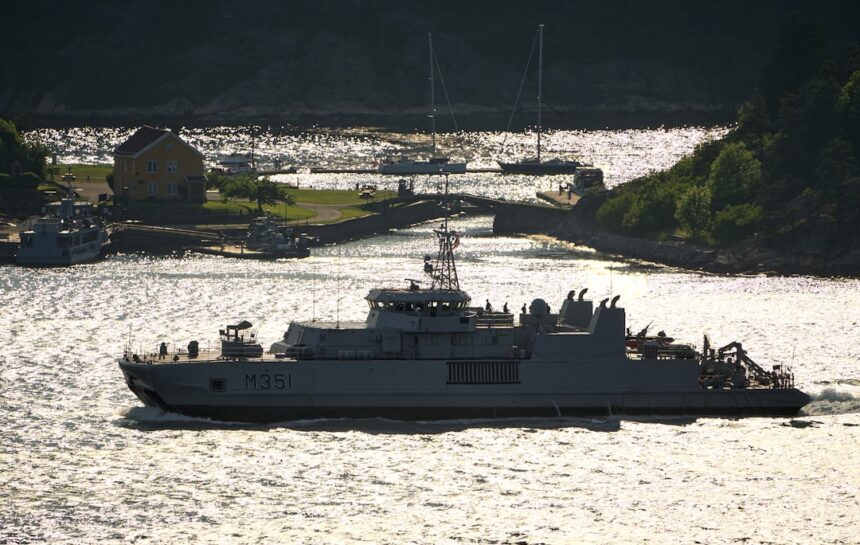
NATO employed a variety of platforms for SIGINT collection. Ground-based listening stations, often located in sensitive border regions, played a crucial role in intercepting terrestrial communications. Naval vessels equipped with sophisticated receivers patrolled international waters, monitoring Soviet fleet movements and communications.
The Role of Airborne and Naval Intelligence Gathering
Aircraft equipped with specialized SIGINT gear flew near Soviet airspace and maritime routes, collecting valuable intelligence. Submarines, with their stealth capabilities, were also used for clandestine intercepts. The constant presence of these assets provided a continuous stream of intelligence on Soviet military activities.
The Emergence of Space-Based SIGINT: A New Frontier
As space technology advanced, NATO began to leverage satellites for SIGINT purposes. These orbital platforms offered a broader perspective and the ability to monitor Soviet activities from a safe distance. Satellite reconnaissance, particularly in the form of electronic intelligence gathering, became an increasingly vital component of NATO’s overall intelligence picture.
Human Intelligence (HUMINT): The Eyes and Ears on the Ground
While SIGINT offered a vast quantitative advantage, Human Intelligence (HUMINT) remained indispensable for understanding the qualitative aspects of the Soviet threat. Agents operating within the Soviet bloc provided nuanced insights into political dynamics, economic conditions, military morale, and the motivations of key individuals.
The Art of Espionage: Recruiting and Managing Agents
Recruiting and managing agents within hostile territory was a dangerous and complex undertaking. It required extensive training in clandestine tradecraft, psychological profiling, and risk assessment. The ability to identify potential recruits, assess their trustworthiness, and maintain operational security was paramount.
The Dangers of the Double Agent and Defection
The constant threat of double agents and defections loomed large. Maintaining the loyalty of agents and verifying the information they provided was a perpetual challenge. The psychological toll on agents, operating under constant fear of exposure, was also a significant consideration.
The Value of Dissidents and Defectors
Dissidents and defectors from the Soviet bloc often provided invaluable, albeit sometimes biased, intelligence. Their motivations could range from ideological disillusionment to personal grievances. Carefully vetting and debriefing these individuals was crucial to extracting reliable information.
Counterintelligence: Protecting NATO’s Secrets
The other side of HUMINT was counterintelligence. NATO invested heavily in protecting its own secrets from Soviet infiltration and espionage. This involved rigorous vetting of personnel, security awareness training, and the proactive investigation of suspected Soviet intelligence operations within NATO nations.
Identifying and Neutralizing Soviet Infiltration
Identifying and neutralizing Soviet agents attempting to infiltrate NATO military installations, government agencies, and research facilities was a critical task. This required a sophisticated understanding of Soviet intelligence tactics and the ability to detect subtle signs of deception.
The Psychological Warfare Dimension
Counterintelligence operations also extended to countering Soviet psychological warfare and disinformation campaigns. Understanding how the Soviets sought to influence public opinion and sow discord within NATO countries was essential for developing effective countermeasures.
Strategic Analysis and Fusion: Making Sense of the Data
The sheer volume of intelligence collected from SIGINT, HUMINT, and other sources would have been overwhelming without robust analytical capabilities. Strategic analysis and intelligence fusion were the processes by which raw data was transformed into actionable intelligence for NATO leaders.
The Role of NATO’s Intelligence Structures
NATO established various intelligence structures to facilitate analysis. The International Military Staff (IMS) and its intelligence directorate played a key role in coordinating intelligence efforts and producing strategic assessments. National intelligence agencies also contributed their analytical expertise to NATO assessments.
The Intelligence Cycle: From Collection to Dissemination
The intelligence cycle – collection, processing, analysis, and dissemination – was the fundamental framework for NATO’s intelligence operations. Each stage was critical, but analysis was where the raw data was given meaning and context.
Developing Common Threat Assessments
A key objective was to develop common threat assessments that all member states could agree upon. This was a challenging task, given the varying national perspectives and interests. However, achieving a shared understanding of the Soviet threat was essential for a unified NATO response.
Forecasting and Warning: Anticipating Soviet Moves
A primary goal of strategic analysis was to forecast potential Soviet actions and provide timely warnings to NATO leadership. This involved assessing Soviet military exercises, economic trends, and political rhetoric to anticipate shifts in strategy or intent.
The Art of Scenario Planning
Scenario planning was a crucial analytical tool. Analysts would develop plausible future scenarios based on current intelligence, allowing policymakers to consider a range of potential Soviet responses and prepare accordingly.
The Limitations of Prediction
Despite the best efforts, predicting the future with certainty was impossible. The opaque nature of the Soviet system and the element of surprise often made accurate forecasting a formidable challenge. Nevertheless, the ability to anticipate potential threats was a vital component of deterrence.
During the Cold War, NATO intelligence operations played a crucial role in shaping the geopolitical landscape of Europe and beyond. These operations were not only focused on gathering information but also on countering the influence of the Soviet Union. For a deeper understanding of the intricacies involved in these intelligence efforts, you can explore a related article that delves into the strategies and challenges faced by NATO during this tense period. To read more about these fascinating developments, visit this article.
Countering Soviet Disinformation and Subversion: The Invisible Front
| Operation Name | Duration | Objective |
|---|---|---|
| Operation Gold | 1952-1956 | Gather intelligence on Soviet Union |
| Operation Gladio | 1956-1991 | Covert operations in Europe |
| Operation RYaN | 1981-1991 | Monitoring potential NATO actions |
Beyond military and technical intelligence, NATO was deeply engaged in countering Soviet disinformation and subversion. The Soviet Union actively sought to undermine NATO unity, sow discord within member states, and influence public opinion through propaganda and covert operations.
The Ideological Battleground
The Cold War was, at its heart, an ideological struggle. Soviet propaganda aimed to portray NATO as an aggressive, imperialistic alliance, while simultaneously promoting the supposed superiority of the communist system. NATO intelligence sought to identify and expose these disinformation campaigns.
Identifying and Exposing Propaganda Tactics
NATO intelligence teams worked to identify the sources and methods of Soviet propaganda. This involved analyzing Soviet media, monitoring public discourse, and uncovering covert influence operations. The goal was to equip Western governments and publics with the truth to counter falsehoods.
The Role of Public Diplomacy and Information Warfare
While distinct from clandestine intelligence operations, NATO also engaged in public diplomacy and information warfare to counter Soviet narratives. This often involved strategically disseminating accurate information to the public and supporting independent media in Soviet-aligned countries.
Undermining NATO Unity: A Constant Soviet Objective
A persistent Soviet objective was to exploit any divisions within NATO. They sought to foster nationalist sentiments, exacerbate economic tensions, and promote anti-Americanism within member states. NATO intelligence monitored these efforts and advised governments on how to mitigate their impact.
The Use of Front Organizations and Proxies
The Soviet Union often used front organizations, sympathetic political groups, and even academics to spread its message and influence public opinion. Identifying these proxies and understanding their connections to Moscow was a key counterintelligence task.
Supporting Democratic Institutions and Civil Society
While not strictly an intelligence operation, NATO’s broader strategy involved supporting democratic institutions and civil society within member states. This helped to build resilience against Soviet subversion and foster a stronger sense of shared values.
The Long Shadow of the Cold War: Legacy and Evolution
NATO’s Cold War intelligence operations were instrumental in the alliance’s enduring success. They provided the critical information needed to deter Soviet aggression, maintain strategic stability, and ultimately contribute to the peaceful conclusion of the Cold War. The lessons learned and the infrastructure developed during this period have profoundly shaped modern intelligence practices within NATO and beyond. The evolving geopolitical landscape continues to present new challenges, but the foundational principles of intelligence gathering, analysis, and cooperation forged during the Cold War remain as relevant as ever. The commitment to understanding threats, protecting secrets, and informing decision-making continues to be the bedrock of NATO’s collective security.

The Secret Armies NATO Prepared for a Soviet Invasion
FAQs
What was the purpose of NATO intelligence operations during the Cold War?
NATO intelligence operations during the Cold War were aimed at gathering information on the military capabilities and intentions of the Soviet Union and its allies, as well as monitoring potential threats to NATO member countries.
What were some of the key methods used in NATO intelligence operations during the Cold War?
NATO intelligence operations during the Cold War involved a range of methods, including signals intelligence (SIGINT), human intelligence (HUMINT), imagery intelligence (IMINT), and open-source intelligence (OSINT). These methods were used to gather information through electronic surveillance, espionage, reconnaissance, and analysis of publicly available information.
How did NATO intelligence operations contribute to the overall Cold War strategy?
NATO intelligence operations played a crucial role in providing decision-makers with the necessary information to assess the military capabilities and intentions of the Soviet Union and its allies. This information helped NATO to develop its defense strategy, deter potential aggression, and respond effectively to any threats.
What were some of the challenges faced by NATO intelligence operations during the Cold War?
Some of the challenges faced by NATO intelligence operations during the Cold War included the difficulty of penetrating the closed societies of the Soviet bloc, the risk of detection and counterintelligence measures by the Soviet Union, and the need to coordinate intelligence efforts among NATO member countries with different capabilities and priorities.
How did NATO intelligence operations evolve after the end of the Cold War?
After the end of the Cold War, NATO intelligence operations shifted focus to new security challenges, such as terrorism, proliferation of weapons of mass destruction, and regional conflicts. The methods and technologies used in intelligence operations also evolved to adapt to these new threats and the changing geopolitical landscape.