NATO’s Cold War Intelligence: A History of Strategic Surveillance
The geopolitical landscape of the 20th century was defined by an ideological chasm that pitted the democratic West against the communist East. This prolonged period of tension, known as the Cold War, was characterized by proxy conflicts, an arms race, and an unprecedented scale of intelligence gathering and analysis. Within this high-stakes environment, the North Atlantic Treaty Organization (NATO), formed in 1949, emerged not only as a military alliance but also as a formidable intelligence apparatus. NATO’s Cold War intelligence operations were crucial in understanding the intentions, capabilities, and strategies of the Soviet Union and its Warsaw Pact allies, thereby providing the foundational information that guided Western defense policies and diplomatic maneuvers. This article delves into the history of NATO’s strategic surveillance during the Cold War, examining its origins, key functions, methods, challenges, and lasting impact.
The formation of NATO was a direct response to the perceived threat posed by Soviet expansionism in post-World War II Europe. The nascent alliance recognized that military preparedness alone was insufficient. A deep and accurate understanding of the adversary’s intentions and capabilities was paramount to deterring aggression and formulating effective collective defense strategies. The intelligence void represented a critical vulnerability that needed to be addressed from the outset.
The Post-War Security Vacuum
Following the devastation of World War II, Europe was divided. The Soviet Union, having emerged as a superpower, exerted considerable influence over Eastern Europe, establishing a network of satellite states. Western European nations, weakened by war and facing the specter of Soviet military might, sought a collective security framework. The United States, as the dominant economic and military power of the West, was central to this endeavor. The intelligence gathered by individual member states, while valuable, often lacked the coherence and scope necessary to confront a unified and ideologically driven adversary. This led to the realization that a coordinated intelligence effort was indispensable for the alliance’s survival and effectiveness.
The Need for a Unified Threat Assessment
The Soviet Union’s actions, from the Berlin Blockade to the Korean War, fueled anxieties within the Western bloc. The absence of a centralized mechanism for sharing and analyzing intelligence meant that critical information might be compartmentalized, leading to incomplete or even contradictory threat assessments. NATO’s intelligence function was thus conceived to bridge these gaps, creating a unified picture of the Soviet military buildup, their political objectives, and their technological advancements. This shared understanding was vital for developing consistent defense postures and diplomatic approaches across the alliance.
Early Structures and Informal Cooperation
In its early years, NATO’s intelligence apparatus was more of an informal arrangement built upon the existing intelligence capabilities of its member nations. Liaison officers exchanged information, and ad hoc committees were formed to address specific intelligence requirements. However, the inherent limitations of such a decentralized approach quickly became apparent. The need for a more formalized and integrated structure to manage intelligence flowed, dissemination, and analysis grew. This paved the way for the establishment of dedicated intelligence committees and offices within the NATO command structure.
For those interested in the intricate history of NATO’s Cold War intelligence operations, a fascinating article can be found at this link: NATO Cold War Intelligence History. This piece delves into the strategies and tactics employed by NATO during the Cold War, highlighting the critical role of intelligence in shaping military and diplomatic decisions. It provides valuable insights into the clandestine activities that defined this tense period in global politics.
The Evolving Landscape of NATO Intelligence Functions
As the Cold War progressed, NATO’s intelligence functions evolved significantly, adapting to new challenges and technological advancements. The alliance moved beyond basic threat assessment to encompass a wide range of activities aimed at providing comprehensive situational awareness and strategic foresight.
Political Intelligence and Intentions Analysis
Understanding the political motivations and strategic intentions of the Soviet Union and its allies was a cornerstone of NATO intelligence. This involved analyzing pronouncements from Soviet leaders, observing diplomatic maneuvers, and assessing the internal political dynamics within the Warsaw Pact. The goal was to anticipate potential escalations, identify opportunities for de-escalation, and inform diplomatic negotiations.
Monitoring Soviet Political Discourse
Intelligence agencies meticulously scrutinized Soviet media, official statements, and Communist Party congresses. These sources, though often propagandistic, provided clues about leadership intentions, policy shifts, and ideological directives. Analyzing subtle changes in rhetoric or emphasis could signal emerging strategies or internal power struggles within the Kremlin.
Assessing Warsaw Pact Cohesion
A key aspect of political intelligence was understanding the level of cohesion within the Warsaw Pact. NATO sought to identify any fissures or disagreements among member states that might create vulnerabilities for the Soviet bloc or present opportunities for Western diplomacy. This involved monitoring relations between Moscow and its allies, as well as internal dissent within those countries.
Military Intelligence and Capability Assessment
The military dimension of the Cold War was central to NATO’s mandate, and military intelligence formed a significant part of its operations. This focused on understanding the size, disposition, training, and technological capabilities of Warsaw Pact armed forces.
Order of Battle (ORBAT) Analysis
A primary objective was to establish and maintain accurate “orders of battle” for Soviet and Warsaw Pact forces. This involved identifying unit designations, locations, strengths, and equipment. Intelligence on troop movements, exercises, and deployments was crucial for assessing potential invasion routes and the overall military balance.
Weapon Systems and Technological Developments
NATO intelligence was deeply concerned with monitoring the development and deployment of Soviet military technology, particularly in the areas of nuclear weapons, ballistic missiles, aircraft, and naval capabilities. Understanding the pace and direction of Soviet technological advancement was vital for maintaining a credible deterrent.
Operational Planning and Doctrine
Beyond hardware, NATO sought to understand Soviet and Warsaw Pact military doctrine and operational planning. This involved analyzing published military texts, observing training exercises, and piecing together their strategic thinking to anticipate how they might conduct offensive operations.
Economic and Scientific Intelligence
The Cold War was also an economic and technological competition. NATO intelligence monitored the economic strength and technological progress of the Eastern Bloc to assess their ability to sustain their military efforts and to identify potential economic vulnerabilities.
Assessing Economic Sustained Capacity
Understanding the Soviet economy’s capacity to support its military machine was crucial. This involved analyzing production figures, resource allocation, and trade patterns to gauge their ability to sustain a protracted conflict or to invest in new military technologies.
Tracking Scientific and Technological Advancement
The technological race was a defining feature of the Cold War. NATO intelligence monitored Soviet scientific research and development efforts, particularly in areas with military applications, such as nuclear physics, rocketry, and cybernetics. This helped the West to anticipate technological breakthroughs and to maintain its own lead or adapt its defenses accordingly.
The Arsenal of Espionage: Methods and Technologies
To achieve its intelligence objectives, NATO employed a diverse array of methods and technologies, ranging from traditional human intelligence to sophisticated technical means. The continuous evolution of these tools was a constant race against the intelligence capabilities of the adversary.
Human Intelligence (HUMINT)
Despite the rise of technical intelligence, Human Intelligence remained a critical component of NATO’s Cold War operations. Spies, defectors, and clandestine sources provided invaluable insights into sensitive information that could not be obtained through other means.
Covert Operations and Agents
NATO member nations operated networks of agents within the Eastern Bloc to gather information on military plans, political intentions, and technological developments. These operations were inherently risky and often involved agents with access to critical decision-making circles.
Defector Operations and Interrogations
The defection of high-ranking Soviet and Warsaw Pact officials provided a rich source of intelligence. These individuals often brought with them crucial documents and detailed knowledge of internal workings. Interrogations of defectors were a key method for corroborating information and uncovering new leads.
Sources within Soviet Military and Political Establishments
Establishing and maintaining sources within the Soviet military, intelligence agencies, and political leadership was a continuous and high-priority effort. The success of these operations often depended on meticulous vetting, careful handling, and a deep understanding of the targets’ motivations and vulnerabilities.
Signals Intelligence (SIGINT)
Signals intelligence, the interception and analysis of electronic communications, became increasingly vital throughout the Cold War. The proliferation of radio, radar, and later digital communications offered a vast spectrum of potential targets for interception.
COMINT (Communications Intelligence)
The interception of radio transmissions, telephone conversations, and other forms of communication provided direct insights into operational plans, troop movements, and political discussions. This required sophisticated interception equipment and highly skilled cryptanalysts.
ELINT (Electronic Intelligence)
Electronic intelligence focused on the interception and analysis of non-communication electronic signals, such as radar emissions from aircraft and ships, missile guidance systems, and electronic warfare equipment. This helped NATO to understand enemy electronic capabilities and vulnerabilities.
Cryptanalysis and Code-breaking
A critical aspect of SIGINT was the ability to break enemy codes and ciphers. This was a continuous arms race, with code-makers and code-breakers constantly striving to outwit each other. Successful code-breaking could unlock vast amounts of valuable intelligence.
Imagery Intelligence (IMINT)
Imagery intelligence, primarily derived from aerial and satellite reconnaissance, provided visual confirmation of military installations, troop deployments, and weapon systems. This allowed for the verification of information gathered through other means and provided a tangible understanding of the adversary’s physical capabilities.
Reconnaissance Aircraft Missions
Early in the Cold War, reconnaissance aircraft like the U-2 played a crucial role in gathering imagery of Soviet military facilities. The daring flights over heavily defended territories provided vital intelligence but also carried significant risks, as exemplified by the U-2 incident in 1960.
Satellite Reconnaissance Programs
The advent of spy satellites revolutionized intelligence gathering. These orbiting platforms could provide continuous surveillance, covering vast areas and capturing high-resolution imagery of military bases, missile silos, and naval fleets, often without the direct risk to human life.
Technical Intelligence and Analysis of Captured Equipment
Whenever possible, NATO sought to acquire and analyze captured Soviet military equipment. This provided direct, tangible data on their technological advancements, manufacturing capabilities, and design philosophies, offering invaluable insights that could not be obtained otherwise.
Challenges and Risks in Cold War Intelligence
The pursuit of intelligence during the Cold War was fraught with immense challenges and significant risks, both for the intelligence operatives and for the alliance itself. The adversarial nature of the conflict created an environment of constant suspicion and deception.
The Challenge of Deception and Disinformation
The Soviet Union and its allies were masters of deception and disinformation. They employed elaborate schemes to mislead NATO, planting false information and manipulating public opinion to their advantage. Distinguishing genuine intelligence from orchestrated falsehoods was a constant and arduous task.
Soviet Active Measures and Psyops
“Active measures” were a hallmark of Soviet intelligence operations, involving propaganda, agent provocateurs, and the dissemination of fabricated news stories. NATO analysts had to be acutely aware of these efforts and develop methods to identify and counter them.
Maintaining Operational Security (OPSEC)
Protecting NATO’s own intelligence operations and sources was paramount. Breaches in security could compromise ongoing missions, endanger agents, and reveal sensitive capabilities to the adversary. Maintaining strict operational security was a constant priority.
The Danger of Escalation and Accidental War
Intelligence gathering operations, particularly those involving reconnaissance flights or clandestine agents, carried the inherent risk of provoking a military response from the adversary. The fear of accidental escalation or miscalculation that could lead to nuclear war loomed large over all intelligence activities.
The U-2 Incident and its Aftermath
The downing of a U-2 reconnaissance plane over Soviet territory in 1960 was a stark reminder of the dangers involved in intelligence operations. The incident led to a diplomatic crisis and highlighted the delicate balance between intelligence gathering and maintaining peace.
Probing Soviet Defenses and Reaction Times
Certain intelligence operations were designed to probe Soviet defenses and assess their reaction times. While providing valuable insights, these actions could be misinterpreted by the Soviets, potentially leading to unintended confrontations.
The Ethical and Legal Dilemmas
The pursuit of intelligence often raised complex ethical and legal questions. The use of agents provocateurs, the interrogation of prisoners, and the potential for civilian casualties in covert operations presented moral quandaries that NATO intelligence agencies had to navigate.
Balancing National Security with Civil Liberties
In some instances, the demands of national security could clash with civil liberties. The surveillance of suspected individuals or groups, even within democratic societies, required careful consideration of legal frameworks and oversight mechanisms.
The Morality of Espionage
The very act of espionage, involving deception and clandestine activities, raises fundamental moral questions. However, within the context of the Cold War, many argued that the existential threat posed by the Soviet Union justified these measures for the preservation of freedom and democracy.
The intricate history of NATO’s Cold War intelligence operations is a fascinating topic that sheds light on the geopolitical tensions of the era. For those interested in exploring this subject further, a related article can be found at In the War Room, which delves into the strategies and challenges faced by NATO in gathering and analyzing intelligence during a time of heightened conflict. This resource provides valuable insights into how intelligence shaped military decisions and international relations throughout the Cold War.
The Legacy of NATO’s Cold War Intelligence
| Year | Event | Significance |
|---|---|---|
| 1949 | Formation of NATO | Creation of a collective defense against Soviet Union |
| 1952 | Establishment of SHAPE | Centralized command structure for NATO forces |
| 1955 | Warsaw Pact formed | Response to NATO’s collective defense |
| 1961 | Construction of Berlin Wall | Heightened tensions and increased intelligence operations |
| 1979 | Deployment of Pershing II missiles | Escalation of Cold War and intelligence gathering |
The intelligence gathered and analyzed by NATO during the Cold War was instrumental in shaping the West’s response to Soviet policy and military actions. The knowledge gained provided the foundation for deterrence, arms control negotiations, and ultimately, the peaceful conclusion of the ideological struggle.
The Pillars of Deterrence and Defense
NATO’s intelligence efforts were crucial in establishing and maintaining a credible deterrent. By accurately assessing Soviet military capabilities and intentions, NATO could develop appropriate defense strategies, allocate resources effectively, and make informed decisions about its own military posture. This understanding was fundamental to the concept of “flexible response” and the balance of power that characterized the Cold War.
Informing Strategic Nuclear Policy
Intelligence on Soviet nuclear weapons programs, delivery systems, and doctrine directly informed NATO’s strategic nuclear policy. This included decisions on the development of its own nuclear arsenal, missile defense systems, and deployment strategies, all aimed at ensuring a retaliatory capability that would deter a first strike.
Shaping Conventional Force Deployments
Intelligence on Warsaw Pact conventional forces, their disposition, and their operational plans allowed NATO to position its own conventional forces effectively along the Iron Curtain. This ensured a robust defense against potential land incursions and provided the necessary leverage in military exercises and deployments.
Contributing to Arms Control and Diplomacy
While the Cold War was a period of intense rivalry, it also saw significant efforts towards arms control and diplomatic engagement. NATO intelligence played a vital role in these processes by providing the factual basis for negotiations.
Verifying Arms Control Treaties
Intelligence capabilities were essential for verifying compliance with arms control agreements. Technical means, such as satellite imagery and electronic monitoring, were used to ensure that both sides were adhering to the terms of treaties, fostering trust and reducing the risk of violations.
Understanding Soviet Negotiating Positions
Intelligence analysts worked to understand the underlying motivations and true negotiating positions of the Soviet Union in arms control talks. This insight allowed Western diplomats to engage in more effective and productive negotiations, leading to agreements that reduced the risk of conflict.
The Enduring Impact on Modern Intelligence
The experiences and lessons learned by NATO during the Cold War have had a profound and lasting impact on the evolution of intelligence practices and structures in the post-Cold War era. The emphasis on technical intelligence, the importance of inter-agency cooperation, and the need for sophisticated analytical capabilities remain central to modern intelligence operations.
The Institutionalization of Intelligence Sharing
The Cold War saw the institutionalization of intelligence sharing mechanisms within NATO, laying the groundwork for the collaborative intelligence frameworks that exist today. The realization that shared intelligence is a force multiplier continues to drive cooperation among allied nations.
The Evolution of Analytical Methodologies
The complexities and nuances of Cold War intelligence necessitated the development of advanced analytical methodologies. Techniques for dealing with deception, analyzing incomplete data, and forecasting future trends continue to inform intelligence analysis today, albeit adapted to new threats and contexts.
The Foundation for Future Security Challenges
The intelligence infrastructure and expertise built during the Cold War provided a crucial foundation for addressing the new and evolving security challenges of the post-Cold War world, including terrorism, cyber warfare, and the proliferation of weapons of mass destruction. The principles of strategic surveillance and threat assessment honed during that era remain indispensable.
In conclusion, NATO’s Cold War intelligence operations were a critical element of the alliance’s success in navigating the perilous waters of the ideological struggle. Through a combination of human ingenuity and technological advancement, NATO intelligence agencies worked tirelessly to understand the adversary, inform policy, and maintain peace. The legacy of this strategic surveillance continues to shape the intelligence landscape today, a testament to the enduring importance of accurate and comprehensive intelligence in safeguarding national and international security.
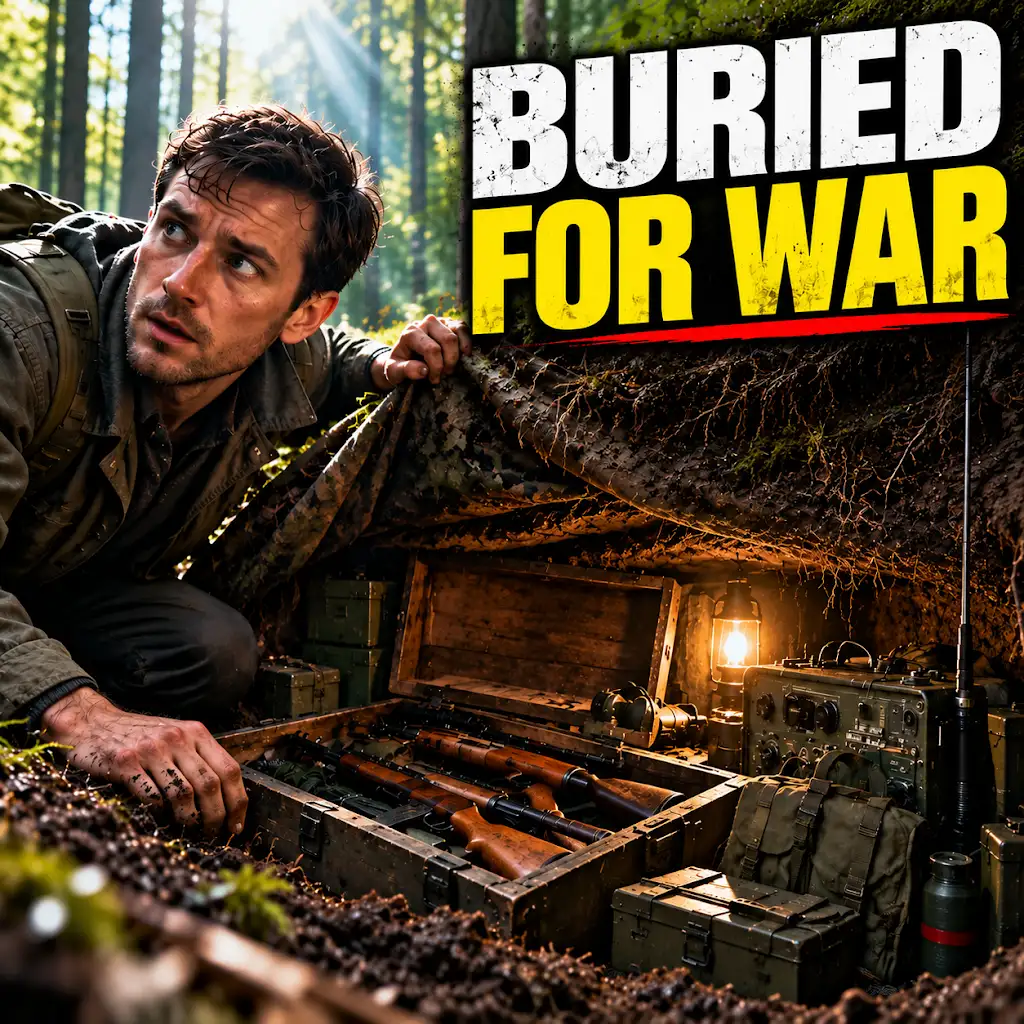
The Secret Armies NATO Prepared for a Soviet Invasion
FAQs
What is NATO’s role in the Cold War intelligence history?
NATO played a significant role in the Cold War intelligence history by gathering and sharing intelligence on the activities of the Soviet Union and its allies. This intelligence was crucial for understanding the military capabilities and intentions of the Soviet bloc.
How did NATO gather intelligence during the Cold War?
NATO gathered intelligence through a variety of means, including human intelligence (HUMINT), signals intelligence (SIGINT), and imagery intelligence (IMINT). This involved espionage, surveillance, and reconnaissance activities to monitor the activities of the Soviet Union and its allies.
Did NATO collaborate with other intelligence agencies during the Cold War?
Yes, NATO collaborated closely with intelligence agencies of its member countries, such as the CIA, MI6, and BND, to gather and analyze intelligence on the Soviet Union and its allies. This collaboration was essential for pooling resources and expertise in intelligence gathering.
What impact did NATO’s intelligence efforts have on the outcome of the Cold War?
NATO’s intelligence efforts provided crucial insights into the military capabilities and intentions of the Soviet Union, which helped shape NATO’s defense strategies and policies. This intelligence also contributed to the overall understanding of the Cold War dynamics and may have influenced diplomatic and military decisions.
How has NATO’s intelligence gathering evolved since the end of the Cold War?
Since the end of the Cold War, NATO’s intelligence gathering has adapted to new security challenges, including terrorism, cyber threats, and regional conflicts. NATO continues to collaborate with member countries’ intelligence agencies and has expanded its focus to address contemporary security threats.