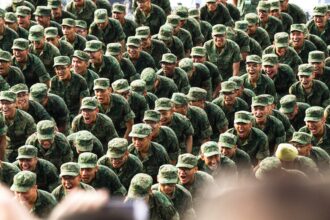
Modern warfare is a complex and ever-evolving theater of operations, characterized by a dynamic interplay between innovative technology and adaptive tactics. The traditional battlefields of past conflicts, defined by large-scale frontal assaults and static trench lines, have given way to a fluid and multi-dimensional environment. This evolution is driven by a relentless pursuit of tactical advantage, where technological superiority often dictates the rhythm and outcome of engagements. Understanding this synthesis of tactics and technology is crucial for comprehending the nature of contemporary conflict.
The landscape of warfare has undergone a profound transformation, moving away from the attritional attrition of World War I and II towards highly precise and information-driven operations. This shift is not merely a cosmetic change but a fundamental redefinition of how military forces achieve objectives and maintain dominance. The advent of advanced weaponry, sophisticated communication networks, and intelligent surveillance systems has created a battlefield where information superiority is as critical as physical firepower.
The Industrial Age of Warfare: Mass Mobilization and Attrition
The early 20th century was an era defined by the industrial revolution’s impact on warfare. Nations harnessed their industrial capacity to produce vast quantities of weaponry and mobilize immense armies. World War I exemplified this, with battles characterized by trench warfare, artillery barrages, and overwhelming numbers of soldiers engaged in suicidal charges. The emphasis was on expending resources and manpower to achieve gains, with little regard for individual soldier survivability or the precise targeting of enemy formations.
The Rise of Mechanization: Tanks and Airpower
The interwar period and World War II saw the introduction of transformative technologies like tanks and aircraft. Tanks, initially conceived as mobile artillery platforms, evolved into powerful armored vehicles capable of breaking through enemy lines. Airpower, from reconnaissance to bombing, introduced a third dimension to the battlefield, allowing for attacks on previously inaccessible targets and disrupting enemy logistics.
The Information Age and the Dawn of Precision Warfare
The latter half of the 20th century and the beginning of the 21st have been dominated by the information revolution. The ability to collect, process, and disseminate information rapidly has become a defining characteristic of modern warfare. This has directly translated into a move towards precision warfare, where the goal is to neutralize specific targets with minimal collateral damage.
The Role of Surveillance, Reconnaissance, and Intelligence (SRI)
SRI has become the bedrock of modern military operations. Unmanned Aerial Vehicles (UAVs), satellite imagery, electronic intelligence (ELINT), and human intelligence (HUMINT) provide a comprehensive and often real-time picture of the battlespace. This detailed understanding of the enemy’s disposition, capabilities, and intentions allows for highly targeted strikes.
Precision-Guided Munitions (PGMs)
The development of PGMs, such as laser-guided bombs, GPS-guided missiles, and smart artillery shells, has revolutionized the accuracy of weapon systems. These munitions can home in on their targets with incredible precision, significantly reducing the amount of ordnance required to achieve a desired effect and minimizing unintended harm to civilians and infrastructure.
Modern armies are increasingly adapting to the complexities of contemporary warfare, utilizing advanced technologies and strategies to enhance their effectiveness on the battlefield. A related article that delves deeper into these evolving tactics can be found at In The War Room, where experts analyze the integration of cyber warfare, unmanned systems, and artificial intelligence in military operations. This resource provides valuable insights into how these innovations are reshaping the landscape of modern combat and the implications for future conflicts.
Technological Enablers of Modern Combat
The tactical innovations seen in modern warfare are inextricably linked to the technological advancements that have made them possible. These technologies are not static; they are constantly being refined and iterated upon, pushing the boundaries of what is achievable on the battlefield. From advanced communication systems to autonomous platforms, technology plays a pivotal role in shaping every aspect of conflict.
Network-Centric Warfare: The Interconnected Battlefield
Network-centric warfare (NCW) is a philosophy of military operations that emphasizes the ability to share information and collaborate across the entire force, from the strategic level down to individual soldiers. This interconnectedness allows for greater situational awareness, faster decision-making, and more coordinated actions.
Digital Communication and Data Fusion
The backbone of NCW is a robust and secure digital communication infrastructure. This enables real-time data sharing between command centers, sensors, and weapon platforms. Data fusion, the process of integrating information from multiple sources, creates a comprehensive and coherent picture of the battlespace, allowing commanders to make more informed decisions.
Command and Control (C2) Systems
Modern C2 systems are sophisticated platforms that integrate all aspects of military operations, from logistics and personnel management to battlefield intelligence and weapon deployment. These systems provide commanders with the tools to effectively manage and direct forces, even in highly complex and dispersed environments.
Unmanned Systems: The Rise of the Machines
Unmanned systems, in various forms, have become indispensable assets in modern warfare. Their ability to operate in dangerous environments without risking human lives, coupled with their increasing autonomy and versatility, has made them a force multiplier.
Unmanned Aerial Vehicles (UAVs) – Drones
UAVs, commonly known as drones, have transformed reconnaissance, surveillance, and strike capabilities. From small, hand-launched reconnaissance drones for tactical units to large, long-endurance stealth drones capable of carrying significant payloads, their presence is pervasive. They provide persistent ISR, enabling forces to monitor enemy movements, identify targets, and even execute precision strikes in real-time.
Unmanned Ground Vehicles (UGVs) and Unmanned Surface/Underwater Vehicles (USVs/UUVs)
Beyond the skies, unmanned ground vehicles (UGVs) are being deployed for tasks such as mine clearance, reconnaissance, and logistical support. On the water, unmanned surface vehicles (USVs) and unmanned underwater vehicles (UUVs) are increasingly used for mine hunting, anti-submarine warfare, and intelligence gathering in littoral and oceanic environments.
Electronic Warfare (EW) and Cyber Warfare
The invisible battlespace of the electromagnetic spectrum and cyberspace have become as critical as the physical domain. Electronic warfare and cyber warfare are integral components of modern conflict, aimed at disrupting, deceiving, or destroying enemy systems.
Jamming, Spoofing, and Electronic Countermeasures (ECM)
EW encompasses a range of activities, including jamming enemy radar and communication systems, spoofing GPS signals to mislead navigation, and deploying electronic countermeasures to protect friendly assets. This capability can blind enemy sensors, disrupt their command and control, and create confusion on the battlefield.
Offensive and Defensive Cyber Operations
Cyber warfare involves the use of digital attacks to disrupt, damage, or gain unauthorized access to an adversary’s computer systems or networks. This can range from denial-of-service attacks that cripple communication to more sophisticated methods aimed at compromising critical infrastructure or stealing sensitive information. Defensive cyber operations are equally vital to protect friendly networks from such attacks.
Evolving Tactics for a Dynamic Battlefield

The technological advancements discussed above have not only enabled new capabilities but have also necessitated a fundamental rethinking of military tactics. Modern tactics are characterized by their adaptability, emphasis on deception, and integration of multiple domains of warfare.
Asymmetric Warfare and the Non-State Actor
A significant challenge in modern warfare is the rise of asymmetric warfare, where conventional forces confront adversaries who do not adhere to traditional military structures or rules of engagement. These non-state actors, often employing guerrilla tactics and exploiting civilian populations, pose unique challenges to uniformed military forces.
Counterinsurgency (COIN) Operations
COIN operations are designed to combat insurgencies by addressing both the military and political dimensions of the conflict. This involves not only military action but also winning the hearts and minds of the local population, restoring order, and rebuilding infrastructure. Tactics focus on intelligence gathering, precision strikes against insurgent leadership, and fostering stability.
The Use of Improvised Explosive Devices (IEDs) and Non-Traditional Warfare
IEDs have become a signature weapon of asymmetric warfare, posing a significant threat to conventional forces. Countering this threat requires specialized tactics, including advanced detection, route clearance, and intelligence-driven operations to disrupt IED networks. Non-traditional tactics, such as the use of propaganda and psychological operations, are also employed by these adversaries.
Hybrid Warfare: The Blurring of Lines
Hybrid warfare represents a further evolution, characterized by the blending of conventional military action, irregular tactics, and non-military instruments of power, such as disinformation campaigns and economic coercion. The goal is to destabilize an adversary and achieve objectives without necessarily engaging in full-scale conventional conflict.
Information Operations and Disinformation
The manipulation of information and the spread of disinformation are potent tools in hybrid warfare. Adversaries seek to shape public opinion, sow discord, and erode trust in institutions, both domestically and internationally. Combating this requires sophisticated information operations and robust counter-disinformation strategies.
The Role of Special Operations Forces (SOF)
Special Operations Forces (SOF) are often at the forefront of tackling asymmetric and hybrid threats. Their specialized training, adaptability, and ability to operate in small, commando-style units make them effective in conducting reconnaissance, targeting high-value individuals, and conducting direct action missions in complex environments.
The Importance of Maneuver and Agility
In an era of precision warfare and sophisticated ISR, static defensive positions are increasingly vulnerable. Modern tactics emphasize maneuver and agility, allowing forces to rapidly reposition, exploit opportunities, and avoid becoming fixed targets.
Distributed Operations and Swarming Tactics
The concept of distributed operations, where forces are dispersed across a wider area but remain coordinated through robust communication networks, is gaining prominence. This makes it harder for an adversary to concentrate their attacks. Swarming tactics, often employed by unmanned systems, involve large numbers of units coordinating their actions to overwhelm defenses.
Multi-Domain Operations (MDO)
MDO seeks to integrate capabilities across all domains of warfare – land, sea, air, space, and cyberspace – to achieve synergistic effects. This means that actions in one domain can have significant impacts on operations in others, requiring a holistic approach to planning and execution.
Facing Future Challenges and Innovations

The trajectory of modern warfare indicates a continued embrace of technology and an ongoing evolution of tactics. The future battlefield will likely be even more complex, interconnected, and potentially more automated. Anticipating and adapting to these changes is essential for maintaining military effectiveness.
Artificial Intelligence (AI) and Machine Learning in Warfare
Artificial intelligence (AI) and machine learning (ML) are poised to have a profound impact on warfare. AI can enhance ISR capabilities by analyzing vast amounts of data, optimize logistics, and even assist in target identification and engagement. ML can enable autonomous systems to learn and adapt in real-time.
Autonomous Weapon Systems (AWS) and Ethical Considerations
The development of Autonomous Weapon Systems (AWS), capable of identifying and engaging targets without direct human intervention, raises significant ethical and philosophical questions. The debate surrounding the Lethal Autonomous Weapons Systems (LAWS) and the potential for unintended escalation requires careful consideration and international dialogue.
AI-Powered ISR and Predictive Analysis
AI-powered ISR will revolutionize situational awareness, allowing for the real-time analysis of sensor data to identify patterns, predict enemy movements, and preemptively identify threats. Predictive analysis, using historical data and current trends, could also inform strategic planning and troop deployment.
The Space Domain: A New Frontier of Conflict
The increasing reliance on space-based assets for communication, navigation, intelligence, and missile warning has made space a critical domain for military operations. Protecting these assets and developing capabilities to deny their use to adversaries will be paramount.
Space-Based ISR and Communication Networks
Satellites provide unparalleled ISR capabilities, offering a global perspective that is essential for modern military operations. Secure and robust space-based communication networks are vital for maintaining command and control in a decentralized battlespace.
Anti-Satellite (ASAT) Capabilities and Space Warfare
The development of anti-satellite (ASAT) weapons capable of destroying or disabling enemy satellites poses a significant threat to global stability. The potential for debris creation from ASAT tests further exacerbates the risks. The concern over space warfare necessitates the development of defensive and offensive capabilities in this domain.
Directed Energy Weapons (DEW) and Advanced Munitions
Directed energy weapons (DEW), such as lasers and high-powered microwaves, offer the potential for new forms of offense and defense. These weapons can disable enemy sensors, drones, and even missiles with speed-of-light engagement capabilities.
Laser Weapons and Counter-Drone Applications
Laser weapons are particularly effective against unmanned aerial vehicles (UAVs), offering a cost-effective and precise means of countering the growing threat of drone swarms. Their ability to engage targets at the speed of light makes them ideal for rapidly deployed defense systems.
Advanced Futuristic Munitions
The development of futuristic munitions, such as hypersonic missiles capable of evading current defenses and next-generation smart munitions with enhanced capabilities, will continue to shape the battlefield. The arms race in this area is a significant factor in how future conflicts might unfold.
Modern armies have evolved significantly in their approach to warfare, incorporating advanced technology and new strategies to adapt to the complexities of contemporary conflicts. One insightful article that delves into these changes is available at In the War Room, which explores how digital warfare, cyber capabilities, and unmanned systems are reshaping military operations. This shift not only enhances combat effectiveness but also requires a reevaluation of traditional tactics and training methods, highlighting the dynamic nature of modern military engagements.
Conclusion: The Perpetual Cycle of Adaptation
| Aspect | Description |
|---|---|
| Technology | Use of advanced weapons, drones, and communication systems |
| Training | Focus on specialized skills, teamwork, and adaptability |
| Tactics | Utilization of combined arms, maneuver warfare, and asymmetric strategies |
| Cyber Warfare | Engagement in digital combat and protection of critical infrastructure |
| Urban Warfare | Preparation for fighting in densely populated areas |
Modern warfare is a testament to the perpetual cycle of adaptation, where technological advancements continually reshape tactical approaches, and evolving tactics, in turn, drive further technological innovation. The battlefield of today is a dynamic and interconnected environment, where success hinges on information superiority, precision, and the ability to operate seamlessly across multiple domains. As technology continues its relentless march forward, the nature of conflict will undoubtedly continue to evolve, demanding constant vigilance, strategic foresight, and an unwavering commitment to understanding and mastering the interplay between tactics and technology. The challenges and opportunities presented by emerging technologies like AI, the weaponization of space, and directed energy weapons will define the future of warfare, requiring military forces to remain agile, adaptable, and perpetually at the cutting edge of both doctrine and development.

The Hidden Weakness Behind Modern Warfare
FAQs
What are some modern tactics used by armies in combat?
Modern armies use a variety of tactics in combat, including asymmetrical warfare, combined arms operations, and the use of advanced technology such as drones and cyber warfare.
How do modern armies utilize technology in combat?
Modern armies utilize technology in combat through the use of advanced weapons systems, surveillance and reconnaissance equipment, communication and information systems, and cyber warfare capabilities.
What role does training and preparation play in modern army combat operations?
Training and preparation are crucial in modern army combat operations, as they ensure that soldiers are well-equipped to handle the complexities of modern warfare, including urban combat, counterinsurgency operations, and unconventional warfare.
How do modern armies coordinate with other branches of the military in combat operations?
Modern armies coordinate with other branches of the military, such as the navy, air force, and special operations forces, through joint exercises, integrated command structures, and combined arms operations to achieve strategic and tactical objectives.
What are some key challenges faced by modern armies in combat?
Some key challenges faced by modern armies in combat include adapting to rapidly evolving technology, countering asymmetric threats, maintaining logistical support in remote and austere environments, and adhering to rules of engagement and international laws.