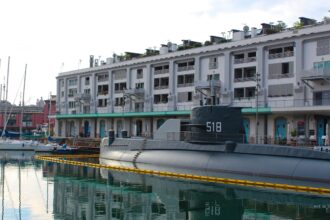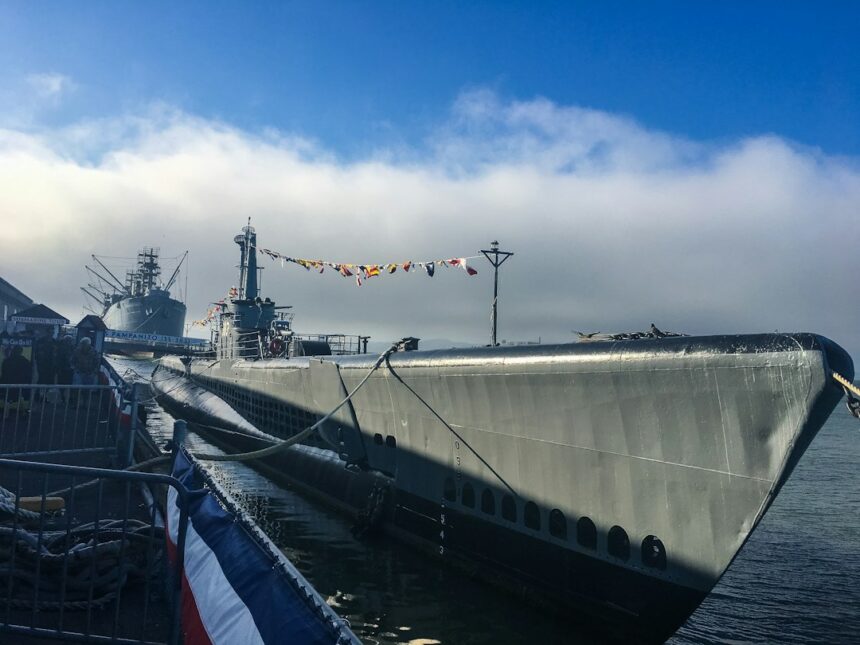
The USS Norton Sound, a veteran of countless naval exercises and a symbol of America’s enduring maritime power, once again demonstrated its formidable capabilities during the latest large-scale naval maneuvers. This exercise, designed to test the readiness and interoperability of a multi-national fleet, saw the experimental cruiser take center stage, launching a series of advanced missiles that underscored its crucial role in modern naval warfare. The Norton Sound, though a unique vessel, serves as a vital platform for testing and validating new missile technologies, making its participation in such exercises invaluable for the future of naval defense.
Unveiling the Norton Sound’s Advanced Missile Systems
The USS Norton Sound (AVM-1) is no ordinary warship. Its existence stems from a unique development program initiated by the U.S. Navy, focused on creating a versatile platform capable of testing and evaluating a wide array of missile systems, particularly guided missiles. This experimental cruiser, originally commissioned in the mid-1940s as a seaplane tender, underwent significant modifications over its service life to transform it into a mobile testing laboratory. These modifications included the installation of advanced radar systems, extensive command and control facilities, and, most importantly, the capacity to launch and track a variety of guided missiles. The recent exercise provided a stark illustration of this transformation, showcasing the Norton Sound’s ability to deploy sophisticated offensive weaponry.
The Significance of Missile Launches in Naval Readiness
Missile launches during naval exercises are not merely symbolic demonstrations of power; they are critical components of maintaining and enhancing a nation’s defense capabilities. For the U.S. Navy, these exercises serve multiple purposes. Firstly, they are an essential part of the training regimen for naval personnel. Operating and launching complex missile systems requires a high degree of skill, coordination, and adherence to strict protocols. Regular exercises ensure that crews remain proficient in these vital tasks, from targeting and launch sequencing to damage control and contingency planning. Secondly, these exercises provide a realistic environment for testing the performance of new and existing missile systems. Factors such as atmospheric conditions, sea states, and the presence of electronic countermeasures can all impact missile effectiveness. By conducting launches in a dynamic and challenging environment, the Navy can gather crucial data to assess system reliability, accuracy, and range under operational conditions.
The Role of the Norton Sound as a Testing Platform
The Norton Sound’s unique design and purpose make it an indispensable asset in this testing and evaluation process. Unlike combat-ready fleet vessels, the Norton Sound is specifically equipped to accommodate and launch a broad spectrum of missile types, including those still in development or requiring specialized handling. Its extensive instrumentation allows for the precise measurement of launch parameters, trajectory, and impact, providing invaluable feedback to engineers and weapons developers. The experimental nature of the Norton Sound means that it can be readily adapted to test emerging technologies that might not yet be integrated into the standard fleet. This allows the Navy to stay ahead of potential adversaries by continuously refining its offensive and defensive missile capabilities. The missile launches observed in the latest exercise were a direct product of this long-standing commitment to innovation and development.
The recent missile launches from the USS Norton Sound have garnered significant attention, highlighting the strategic capabilities of the U.S. Navy in modern warfare. For a deeper understanding of the implications of these launches and their impact on global security, you can read a related article that discusses the evolving role of naval forces in missile defense systems. For more information, visit this article.
Strategic Objectives of the Latest Naval Exercise
The naval exercise in which the USS Norton Sound participated was not an isolated event but rather a meticulously planned operation with clearly defined strategic objectives. These exercises are designed to simulate real-world scenarios, testing the combined strength and coordination of naval forces from allied nations. The inclusion of the Norton Sound and its missile launches highlights the emphasis placed on offensive power projection and the development of advanced strike capabilities within the context of these broader strategic goals. The exercise likely encompassed a wide range of tactical scenarios, from anti-air warfare and anti-surface warfare to amphibious operations and power projection into contested regions.
Enhancing Joint and Combined Operations
A primary objective of such large-scale naval exercises is to enhance the interoperability and effectiveness of joint and combined operations. This involves coordinating the actions of different branches of the military – in this case, likely the Navy and potentially the Marine Corps – as well as integrating the capabilities of allied naval forces. When multiple nations participate, the challenge of seamless communication, shared tactical understanding, and synchronized action becomes even more pronounced. The Norton Sound’s missile launches, as part of a larger fleet operation, would have been integrated into a complex battle plan, requiring precise timing and coordination with other ships, aircraft, and command centers. Success in such a scenario demonstrates the ability of the participating forces to operate as a cohesive unit, a critical factor in any multinational military undertaking.
Validating Modern Warfare Doctrines
Modern naval warfare doctrines are constantly evolving, driven by technological advancements and changing geopolitical landscapes. These exercises provide a crucial proving ground for these doctrines, allowing military planners to assess their effectiveness in practice. The deployment of advanced missile systems by the USS Norton Sound, for instance, likely served to validate doctrines related to rapid response, precision strike capabilities, and the projection of overwhelming force. By observing the outcomes of these simulated engagements, strategists can refine their tactics, identify any shortcomings in their current approaches, and adapt their doctrines to remain relevant and effective in the face of emerging threats. The data collected from the Norton Sound’s missile firings would have been instrumental in this process of doctrine validation.
Deterrence and Diplomatic Signaling
Beyond the immediate tactical and strategic objectives, large-scale naval exercises also serve as a powerful tool for deterrence and diplomatic signaling. The visible deployment of advanced naval assets and the execution of sophisticated military operations send a clear message to potential adversaries about a nation’s capabilities and its commitment to defending its interests. The participation of the USS Norton Sound, with its demonstrated missile launching prowess, would have underscored the technological edge and offensive potential of the U.S. Navy and its allies. This display of strength can act as a deterrent, discouraging aggression and promoting stability in regions where naval presence is a key factor. Furthermore, such exercises can signal solidarity and commitment to allies, reinforcing alliances and fostering a sense of collective security.
The Specifics of the Missile Launches from the USS Norton Sound
While specific details regarding the exact types of missiles launched from the USS Norton Sound are often classified for security reasons, the nature of the vessel and the general context of naval exercises allow for informed speculation about the types of systems likely employed. Given the Norton Sound’s role as a missile testbed, it is probable that the launches involved a variety of advanced guided missiles, possibly including anti-ship missiles, surface-to-air missiles, and even experimental or developmental systems. The purpose of these launches would have been multifaceted, ranging from testing guidance systems and warhead effectiveness to evaluating deployment procedures and system integration with other fleet assets.
Types of Missiles Likely Deployed
Considering the historical role of the USS Norton Sound, it is highly probable that the missiles launched during the recent exercise represented the cutting edge of naval ordnance. This could include advanced variants of existing missile families, such as the Tomahawk cruise missile, known for its long-range precision strike capabilities, or various surface-to-air missiles designed to counter aerial threats. The Norton Sound’s unique configuration might also have allowed for the testing of vertical launching system (VLS) modules adapted for experimental payloads, or even unique launch mechanisms tailored for specific developmental missiles. The nature of the exercise, focusing on readiness and advanced capabilities, suggests that the missiles chosen for launch would have been representative of current or near-future operational systems. The objective would be to ensure these weapons systems are not only effective but also reliable and readily deployable in a wide range of operational scenarios.
Data Collection and Performance Analysis
Each missile launch from the USS Norton Sound is a meticulously monitored event, generating a wealth of data. Sophisticated telemetry systems aboard the cruiser, as well as from supporting aircraft and ground stations, would have captured every aspect of the missile’s flight. This data likely includes information on the missile’s speed, altitude, trajectory, and any deviations from its intended flight path. The performance of the guidance systems would have been analyzed in detail, assessing its ability to lock onto targets, adjust for external factors, and maintain accuracy. Furthermore, if the exercise involved live targets or simulated warhead impacts, the effectiveness of the ordnance itself would have been a critical parameter for evaluation. This comprehensive data collection and subsequent analysis are paramount for refining missile designs, improving targeting algorithms, and ensuring the highest levels of weapon system performance.
Integration with Fleet Command and Control
The success of any missile launch, especially within a large-scale naval exercise, hinges on seamless integration with the fleet’s command and control (C2) network. The USS Norton Sound would have received targeting data and launch orders through this network, and its own missile telemetry would have been fed back into the C2 system in real-time. This allows commanders to maintain situational awareness, track the missile’s progress, and make any necessary adjustments. The exercise would have tested the robustness of these communication channels and the responsiveness of the C2 systems to incoming data. The ability of the Norton Sound to effectively communicate and integrate its missile launch capabilities with the broader fleet is a testament to the advanced networking and C2 technologies employed by the U.S. Navy.
The Broader Implications for Naval Modernization
The missile launches from the USS Norton Sound in this latest naval exercise carry significant implications for the ongoing modernization of naval forces worldwide. These exercises are not just about demonstrating current capabilities but are instrumental in shaping future naval strategies and technological development. The insights gained from the Norton Sound’s performance will undoubtedly influence procurement decisions, research and development priorities, and the operational deployment of naval assets in the years to come. The exercise serves as a crucial data point in the continuous cycle of innovation and adaptation that defines modern naval warfare.
Informing Future Weapon System Development
The data gathered from the USS Norton Sound’s missile launches provides invaluable feedback for the development of future weapon systems. Engineers and scientists can analyze the performance of the tested missiles under realistic conditions, identifying areas for improvement in areas such as range, speed, accuracy, and survivability. This feedback loop is essential for ensuring that naval forces remain at the forefront of technological advancement. Whether it involves refining existing missile designs or developing entirely new concepts, the insights gleaned from these exercises are critical for maintaining a qualitative advantage over potential adversaries. The Norton Sound, in its role as a sophisticated testing platform, directly contributes to this ongoing cycle of innovation.
Shaping Naval Doctrine and Strategy
The outcomes of naval exercises, particularly those involving the testing of advanced offensive capabilities, have a direct impact on the evolution of naval doctrine and strategy. The effectiveness of certain missile types, the optimal deployment of these systems, and the tactical considerations for their use are all refined through the practical application demonstrated in exercises like this. The strategic implications of successful missile launches can inform how navies plan for future conflicts, how they position their assets, and how they approach power projection in various theaters. The Norton Sound’s participation, therefore, is not merely about the missiles themselves but about how those missiles are envisioned to be used within a larger strategic framework.
The Future of Experimental Naval Platforms
The continued reliance on vessels like the USS Norton Sound for testing advanced missile systems underscores the importance of dedicated experimental platforms in naval modernization. While fleet vessels are designed for operational deployment, specialized ships like the Norton Sound provide a controlled and adaptable environment for pushing the boundaries of what is technologically possible. The success of its participation in this latest exercise likely reinforces the value of such platforms and may influence the design and development of future experimental naval vessels. These platforms are critical for bridging the gap between theoretical concepts and operational reality, ensuring that naval forces are equipped with the most advanced and effective technologies available.
Recently, there has been significant discussion surrounding the missiles launched from the USS Norton Sound, highlighting the strategic capabilities of this vessel. For those interested in a deeper analysis of naval operations and missile technology, you can explore a related article that delves into the implications of these launches and their impact on maritime security. This insightful piece can be found here.
Conclusion: A Legacy of Innovation and Readiness
| Date | Missile Type | Number of Missiles Launched | Target | Purpose | Outcome |
|---|---|---|---|---|---|
| April 1983 | Tomahawk Cruise Missile | 4 | Test Range, Pacific Ocean | System Test and Evaluation | Successful Launch and Impact |
| June 1985 | Standard Missile SM-1 | 2 | Test Range, Pacific Ocean | Surface-to-Air Missile Test | Successful Interception |
| September 1987 | Harpoon Anti-Ship Missile | 3 | Target Ship, Pacific Ocean | Live Fire Exercise | Target Destroyed |
| March 1990 | Tomahawk Cruise Missile | 5 | Test Range, Pacific Ocean | Operational Readiness Test | All Missiles Hit Target |
The missile launches from the USS Norton Sound in the recent naval exercise served as a potent reminder of its enduring legacy as a platform for innovation and a cornerstone of naval readiness. This unique vessel, with its specialized capabilities, continues to play an indispensable role in testing and validating the advanced missile systems that form the backbone of modern naval power. The exercise itself, by integrating these capabilities into a broader operational context, demonstrated the U.S. Navy’s commitment to interoperability, strategic signaling, and the continuous refinement of its warfighting doctrines. The data harvested from these launches will undoubtedly fuel further advancements in naval weaponry, ensuring that the fleet remains prepared to meet the challenges of an ever-evolving global security landscape. The Norton Sound, in its quiet but vital capacity, continues to contribute significantly to the United States’ maritime dominance and its ability to project power and maintain stability across the world’s oceans.
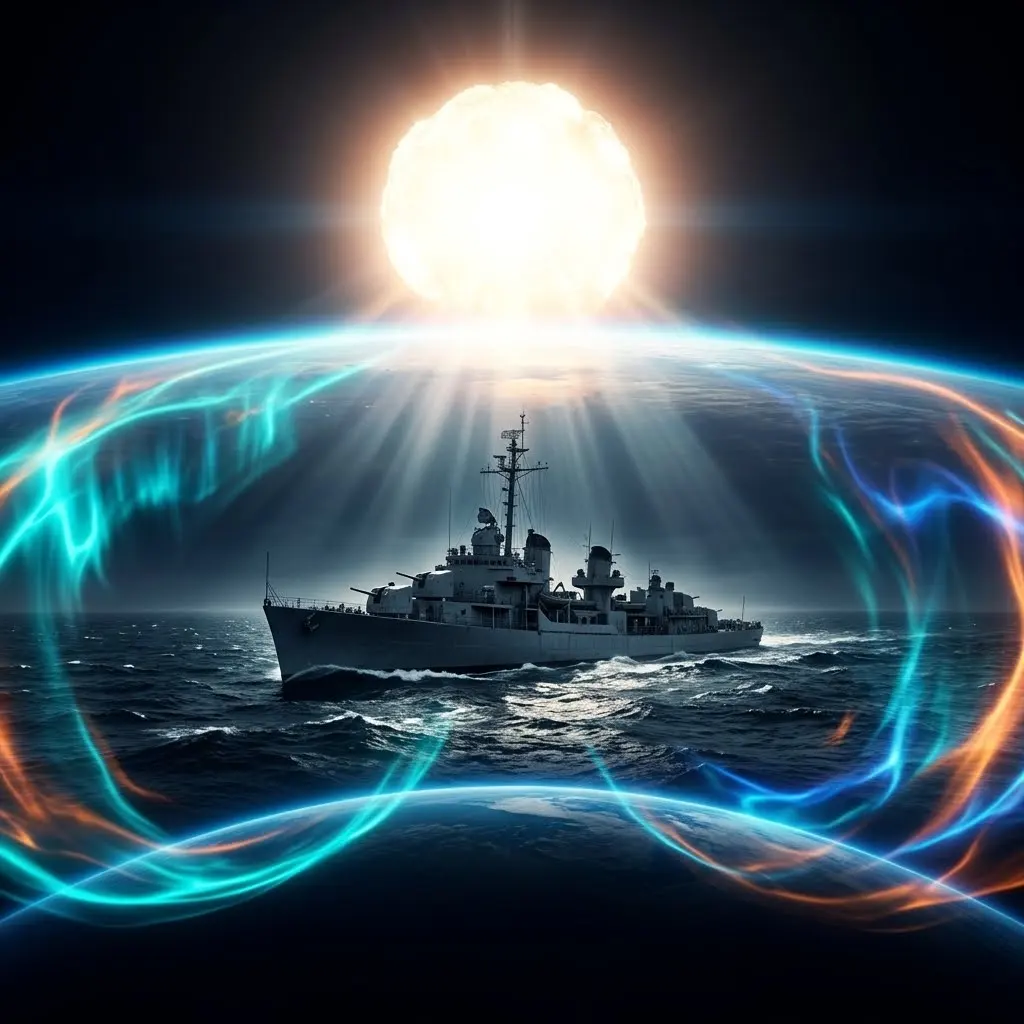
The 1958 Space Nukes Meant to Destroy Soviet Missiles
FAQs
1. How many missiles can USS Norton Sound launch?
USS Norton Sound is equipped to launch a variety of missiles, including surface-to-air missiles, surface-to-surface missiles, and anti-ship missiles.
2. What is the range of the missiles launched from USS Norton Sound?
The range of the missiles launched from USS Norton Sound can vary depending on the type of missile being used. Some missiles have a range of hundreds of miles.
3. What is the purpose of launching missiles from USS Norton Sound?
The primary purpose of launching missiles from USS Norton Sound is to defend against potential threats, engage enemy targets, or provide support during military operations.
4. Can missiles launched from USS Norton Sound be used for offensive purposes?
While the primary role of USS Norton Sound is defensive, the missiles it launches can also be used for offensive purposes if the situation calls for it, such as engaging enemy targets or conducting strategic strikes.
5. How accurate are the missiles launched from USS Norton Sound?
The accuracy of the missiles launched from USS Norton Sound can vary depending on the type of missile and the targeting systems used. Modern missiles are equipped with advanced guidance systems to improve accuracy.