The flickering candlelight cast long shadows across the damp, clandestine meeting room. Outside, the relentless drone of bombers was a constant, terrifying reminder of the war raging across Europe. Inside, a different kind of battle was being fought, a silent, invisible war waged in the shadows by men and women whose names would never be etched in victory parades. These were the double agents of MI5, the unsung heroes of World War II, whose bravery, cunning, and unwavering commitment to deception were instrumental in turning the tide against Nazism. While generals planned grand strategies and soldiers fought on bloody front lines, these individuals operated in a world of whispered secrets, fabricated identities, and the constant, gnawing fear of exposure. Theirs was a war of the mind, fought not with bullets and bayonets, but with carefully constructed lies and the courage to live them.
The Genesis of Deception: Building the Framework for Espionage
The outbreak of World War II presented British intelligence with a formidable challenge. The established intelligence networks, while effective in peacetime, were ill-equipped to handle the sophisticated espionage apparatus of Nazi Germany. The need for a robust and adaptable counter-intelligence strategy was immediately apparent. MI5, the Security Service, found itself at the forefront of this burgeoning deception, tasked with not only identifying and neutralizing enemy agents but also with turning the enemy’s own intelligence resources against them. This was the fertile ground from which the concept of double agents would blossom, a dangerous but ultimately indispensable tool in the British arsenal.
Identifying and Recruiting Potential Assets
The process of identifying and recruiting individuals who could potentially become double agents was a complex and often fraught undertaking. It required a keen understanding of human psychology, an ability to assess risk, and a healthy dose of intuition. Potential recruits were often identified through a variety of channels. Some were individuals already operating within enemy intelligence networks who had developed a crisis of conscience or saw an opportunity for personal gain. Others were individuals who, through circumstance or necessity, found themselves in a position to acquire valuable intelligence and were willing to take the risk to work with the British.
The initial approach to a potential recruit was always delicate. MI5 officers, often operating under deep cover themselves, would carefully cultivate relationships, probing for vulnerabilities, aspirations, and a willingness to betray their current allegiance. Trust, or at least a perceived trustworthiness, was paramount. The agents of MI5 understood that they were not merely recruiting spies; they were forging alliances with individuals who were, by their very nature, untrustworthy. The art lay in identifying those whose motives, however complex, could be aligned with the Allied cause. Factors such as ideology, financial incentives, personal vendettas, or even a sense of patriotic duty played a role in swaying potential recruits. The selection process was rigorous, with extensive background checks and prolonged observation to ensure that the individual was not a deliberate plant by the enemy or a double agent in reverse. The stakes were incredibly high; a single misjudgment could have catastrophic consequences for Allied operations and the lives of those involved.
The Art of the Double Agent: Cultivating and Training
Once a potential recruit was deemed suitable, the arduous process of cultivation and training began. This was not a matter of simply handing over a few instructions and a hidden microphone. The training of a double agent was a holistic process, designed to create a believable persona and equip them with the skills necessary to survive and operate effectively in the perilous world of espionage. MI5 invested considerable resources in developing sophisticated training programs that focused on a wide range of disciplines.
Training encompassed not only the technical aspects of espionage, such as dead drops, coded messages, and surveillance countermeasures, but also the psychological warfare essential to maintaining a double life. Agents were taught to craft compelling backstories, to embody their fabricated identities with unwavering conviction, and to anticipate and deflect suspicion. They learned to lie convincingly, to maintain composure under duress, and to exploit the inherent biases of their enemy handlers. The psychological toll of such a life was immense, and MI5 sought to equip its agents with coping mechanisms, though the inherent stress of constant deception was a burden few could truly escape. The training was a continuous process, with ongoing debriefings and refresher courses designed to adapt to the ever-evolving tactics of the Axis intelligence services. The creation of a successful double agent was a testament to the ingenuity and dedication of the MI5 personnel who nurtured these fragile alliances into potent weapons.
During World War II, the role of double agents was crucial in shaping the outcome of the conflict, particularly in the efforts of MI5 to mislead and deceive the enemy. For a deeper understanding of this fascinating aspect of espionage, you can read a related article that explores the intricate web of deception employed by British intelligence during the war. This article provides insights into the lives of these double agents and the strategies they used to outsmart the Axis powers. To learn more, visit this link.
Operation Mincemeat and the Art of Deception
The success of MI5’s double agent operations was not limited to intelligence gathering. In many instances, these agents were instrumental in large-scale deception campaigns designed to mislead the enemy about Allied military intentions. Perhaps the most famous and audacious of these was Operation Mincemeat, a masterclass in psychological warfare that played a crucial role in the Allied invasion of Sicily.
The Ingenious Gambit: Crafting a False Narrative
Operation Mincemeat was the brainchild of Ian Fleming, who would later become famous for his James Bond novels, and Ewen Montagu, a barrister and intelligence officer. The core idea was deceptively simple: to plant forged documents on a corpse that would be discovered by the Germans, thereby convincing them that the Allied invasion would target Greece and Sardinia, rather than the actual objective, Sicily. To achieve this, a body was needed that would be convincingly identified as a British officer. The choice fell on Glyndwr Michael, a Welshman who had died of pneumonia, whose body was kept in refrigerated storage.
The real artistry lay in the meticulous construction of the fabricated narrative. Glyndwr Michael was given a new identity: Captain William Martin of the Royal Marines. He was provided with a meticulously crafted “pocket litter” – personal items that would lend credibility to his identity and the story he was meant to convey. This included a wallet with an identity card, photographs of a supposed fiancée, letters from his bank, and even betting slips. Crucially, he carried a briefcase containing official-looking documents, including a letter from Lord Mountbatten, then Chief of Combined Operations, outlining Allied invasion plans. The briefcase was designed to appear to have been lost at sea, with the documents inside subtly hinting at invasion targets other than Sicily. The selection of the “discovery” location was also strategic. The corpse, dressed as an officer and carrying a briefcase with “classified” documents, was to be washed ashore on the Spanish coast, a neutral country with significant German intelligence presence, ensuring that the information would fall into the right hands.
The Impact of Misdirection: Shifting Axis Defenses
The execution of Operation Mincemeat was a triumph of planning and daring. The body, dressed as Captain Martin, was launched into the sea off the coast of Spain. As hoped, it was discovered by Spanish fishermen and handed over to the authorities, who then, as expected, shared the information with their German allies. The German Abwehr, Nazi Germany’s intelligence agency, fell hook, line, and sinker for the elaborate ruse. They meticulously analyzed the documents, confirming the apparent invasion plans for Greece and Sardinia.
The impact of this deception was profound. The German high command, misled by the forged documents, diverted significant military resources and troops to reinforce these perceived invasion targets. This significantly weakened their defenses in Sicily, which was the actual Allied objective. When the Allied forces launched their invasion of Sicily on July 10, 1943, they encountered far less resistance than they would have otherwise. The success of Operation Mincemeat was a testament to the power of deception and the crucial role that MI5’s double agents, even those who were unaware of their full role in a larger deception, played in orchestrating such a pivotal moment in the war. The double agents involved in planting and disseminating the information, however unwitting they may have been to the grander scheme, were vital cogs in this intricate machine of misdirection.
The Shadow Network: Agents and Their Networks
The effectiveness of MI5’s double agent operations was not solely dependent on the individual agents themselves, but on the intricate and often clandestine networks they operated within. These networks, meticulously constructed and maintained by MI5, were the lifeblood of intelligence gathering and dissemination. They were comprised of a diverse group of individuals, each playing a crucial role in the complex web of espionage.
The Backbone of Operation: Informants and Cut-outs
At the lowest rung of this shadow network were the informants. These were individuals, often ordinary citizens with access to specific locations or individuals, who provided snippets of information in exchange for payment, out of patriotic duty, or due to personal grievances with the enemy. They were the eyes and ears on the ground, providing raw intelligence that could then be analyzed and acted upon. MI5 would carefully vet and manage these informants, ensuring the reliability of the information they provided and minimizing the risk of compromise.
Above the informants were the “cut-outs.” These were individuals who acted as intermediaries, passing information between the double agents and their handlers. The purpose of a cut-out was to prevent direct contact between the agent and MI5, thereby reducing the risk of both parties being compromised. These individuals might be trusted couriers, seemingly innocuous shopkeepers, or even individuals in seemingly ordinary professions who possessed a remarkable ability to move discreetly. The cut-out system created layers of separation, making it exceedingly difficult for the enemy to trace the origin of intelligence or to identify the agents themselves. This compartmentalization was a fundamental principle of intelligence operations, ensuring that the compromise of one element would not necessarily lead to the unraveling of the entire network.
The Vital Role of Communication and Logistics
Maintaining communication and logistics within these clandestine networks was a monumental task, fraught with peril. The methods employed were as varied as the agents themselves, adapting to the prevailing circumstances and the ever-present threat of enemy surveillance. Coded messages were a cornerstone, utilizing a vast array of ciphers and codes that were constantly being updated and changed to stay ahead of enemy code-breakers. These messages could be transmitted through seemingly innocent means, such as advertisements in newspapers, personal letters, or even coded messages embedded within broadcast radio programs.
Dead drops were another crucial element of the logistical network. This involved agents leaving or retrieving information at pre-arranged, discreet locations. These locations could range from hollowed-out bricks in walls to specific trees in parks, chosen for their anonymity and accessibility. The timing of these exchanges was critical, with agents meticulously planning their movements to avoid detection. Furthermore, the transport of intelligence, whether physical documents or vital information, required a network of trusted couriers who could move discreetly across enemy-controlled territory or through heavily patrolled areas. The success of the entire operation hinged on the ability to reliably and securely transmit information, often under the most dangerous conditions imaginable.
The Unseen Cost: Psychological Toll and Personal Sacrifice
The bravery of double agents in World War II was undeniable, but it came at an immense personal cost. The constant strain of living a double life, the perpetual fear of exposure, and the moral ambiguities inherent in their work took a significant psychological toll. Their sacrifices often went unrecognized, their contributions hidden behind a veil of secrecy.
The Burden of Deceit: Constant Fear and Isolation
Living a lie is an arduous and emotionally draining existence. Double agents were forced to constantly maintain a facade, to deceive not only their enemy handlers but often their own friends and families. This meant suppressing their true feelings, their loyalties, and their very identities. The constant fear of a slip-up, a moment of inattention, or an unexpected encounter could lead to their immediate capture, torture, and execution. This pervasive anxiety was a constant companion, eroding their sense of security and well-being.
Moreover, the nature of their work often led to profound isolation. They could not confide in anyone about their true activities, creating a chasm between them and the rest of society. This emotional solitude, coupled with the inherent stress of their dangerous missions, could lead to depression, paranoia, and a sense of detachment. The psychological scars left by this wartime experience often lingered long after the conflict had ended, with many agents struggling to reintegrate into normal life, haunted by the memories and the weight of their secret burdens. The camaraderie that soldiers on the front lines might experience was often absent for these solitary warriors.
Unsung Heroes: The Price of Anonymity
The very effectiveness of double agents depended on their anonymity. Their successes were not celebrated in public, their bravery not lauded in parades. Their names were erased from public records, their contributions classified for decades, if not longer. This deliberate erasure from history meant that their extraordinary courage and the vital role they played in the war effort often went unrecognized by the very people they fought to protect.
While generals and politicians received accolades and their stories were etched into the annals of history, the double agents remained in the shadows. They were the invisible shield that deflected enemy attacks, the silent saboteurs who undermined enemy plans, and the anonymous conduits of vital intelligence. Their sacrifice was not merely the risk of their lives, but the sacrifice of recognition, of personal peace, and of a life lived openly. It is only in more recent times, with the declassification of wartime records and the persistent efforts of historians, that some of these remarkable individuals have begun to receive the overdue recognition they so richly deserve, a testament to their enduring legacy as the unsung heroes of World War II.
During World War II, the activities of MI5 double agents played a crucial role in the intelligence landscape, shaping the outcome of various operations. These agents, often operating under false identities, provided misleading information to the enemy, which significantly impacted military strategies. For those interested in exploring this fascinating aspect of history further, you can read more about it in this insightful article on double agents and their influence during the war.
Legacy and Recognition: The Enduring Impact of Double Agents
| Agent Name | Codename | Role | Years Active | Key Contribution | Outcome |
|---|---|---|---|---|---|
| Juan Pujol García | Garbo | Double Agent | 1941–1945 | Deceived Germans about D-Day invasion location | Survived, awarded by UK and Spain |
| Arthur Owens | Snow | Double Agent | 1939–1942 | Provided false information to German intelligence | Captured, later released |
| Roman Czerniawski | Brutus | Double Agent | 1940–1944 | Fed disinformation to Germans, helped Allied operations | Captured and executed by Germans |
| Dušan Popov | Tricycle | Double Agent | 1940–1944 | Provided critical intelligence on German U-boat operations | Survived, contributed to Allied naval success |
| Tomás Harris | Tricycle (partner) | Double Agent Handler | 1940–1945 | Managed double agents and coordinated deception plans | Survived, influential in MI5 operations |
The contributions of double agents in World War II extended far beyond the immediate wartime period. Their actions had a lasting impact on the course of the conflict and the development of intelligence practices. While their anonymity was once a necessity, there is a growing recognition of their vital role and the profound sacrifices they made.
Shaping the Outcome of Battles and Campaigns
The intelligence gathered and disseminated by double agents, and the deceptions they facilitated, had a direct and measurable impact on the outcome of numerous battles and campaigns. By providing timely information about enemy troop movements, fortifications, and intentions, they allowed Allied commanders to make more informed strategic decisions. The successful diversion of German resources during Operation Mincemeat is a prime example, directly contributing to the successful invasion of Sicily. Similarly, information provided by double agents about German V-weapon development and deployment helped the Allies to better defend against these attacks.
Furthermore, the psychological impact of knowing that the enemy was being fed misinformation cannot be overstated. The constant uncertainty and doubt sown within the German intelligence apparatus created opportunities for Allied forces to exploit. The double agents, in their silent war, were instrumental in creating this climate of confusion, contributing to the eventual Allied victory. Their work, though often unseen, was a critical factor in weakening the enemy’s resolve and their ability to wage war effectively.
The Evolving Landscape of Espionage
The experiences and techniques honed by MI5’s double agents during World War II laid crucial groundwork for the future of espionage. The sophisticated methods of deception, agent recruitment, and communication developed during this period became foundational principles for intelligence agencies worldwide. The emphasis on psychological manipulation, the creation of believable personas, and the art of misdirection continue to be relevant in modern intelligence operations, albeit with technological advancements.
The success of operations like Mincemeat demonstrated the immense value of strategic deception as a military tool. The lessons learned from the meticulous planning and execution of these operations informed subsequent intelligence strategies, particularly during the Cold War. The enduring legacy of these wartime double agents lies not only in their battlefield contributions but also in the enduring impact they had on the very craft of espionage, shaping the way intelligence agencies operate to this day. Their courage and ingenuity continue to inspire and inform those who operate in the shadows, ensuring that their contributions, though often silent, are never forgotten.
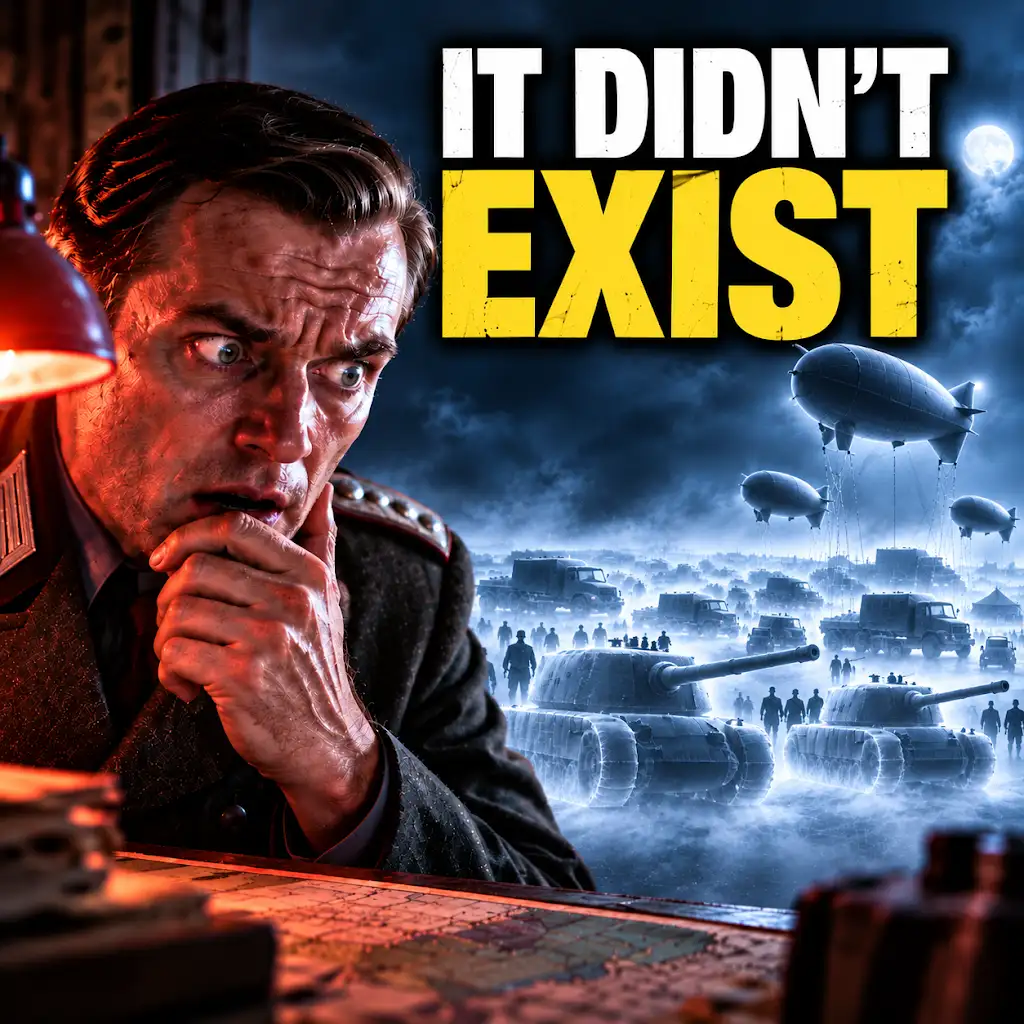
How the Allies Built an Army for Germany to Discover
FAQs
What was the role of MI5 double agents during World War II?
MI5 double agents played a crucial role in deceiving the enemy by providing false information and misleading the Axis powers about Allied plans and strategies.
How were MI5 double agents recruited during World War II?
MI5 double agents were often recruited from captured enemy agents or individuals sympathetic to the Allied cause. They were carefully vetted and trained to maintain their cover while feeding misinformation to the enemy.
What were some of the most famous MI5 double agents during World War II?
Some of the most famous MI5 double agents during World War II include Juan Pujol Garcia (code-named “Garbo”), who played a key role in Operation Fortitude, and Eddie Chapman (code-named “Zigzag”), a British double agent who infiltrated German intelligence.
How did MI5 double agents contribute to the success of Allied operations during World War II?
MI5 double agents provided valuable intelligence to the Allies, helping to mislead the Axis powers about the timing and location of key military operations such as the D-Day landings. Their efforts played a significant role in the ultimate Allied victory.
What was the legacy of MI5 double agents after World War II?
The success of MI5 double agents during World War II highlighted the importance of deception and counterintelligence in modern warfare. Their tactics and strategies continue to influence intelligence operations to this day.