Afterburner technology, often associated with high-performance jet engines, represents a significant advancement in propulsion systems. This technology allows for the injection of additional fuel into the exhaust stream of a jet engine, which ignites and produces extra thrust. The concept originated in military aviation, where the need for rapid acceleration and enhanced performance was paramount.
However, its applications have expanded beyond military use, finding relevance in commercial aviation and various industrial sectors. The fundamental principle behind afterburner technology lies in its ability to increase the efficiency of fuel combustion. By introducing more fuel into the exhaust gases, afterburners can significantly boost thrust without requiring a larger engine.
This capability is particularly advantageous during takeoff and combat situations, where every ounce of power can make a critical difference. As industries continue to seek ways to enhance performance while minimizing costs, afterburner technology stands out as a compelling solution.
Key Takeaways
- Afterburner technology enhances engine power by injecting additional fuel into the exhaust stream.
- It improves fuel efficiency and reduces emissions when properly implemented.
- Various industries, including aerospace and automotive, benefit from afterburner technology.
- Regular maintenance is crucial to ensure optimal performance and longevity of afterburner systems.
- Ongoing advancements promise more efficient, cost-effective, and environmentally friendly afterburner solutions.
Benefits of Afterburner Technology
The benefits of afterburner technology extend far beyond mere thrust enhancement. One of the most notable advantages is the ability to achieve higher speeds and improved maneuverability. In military applications, this translates to greater tactical flexibility and the ability to evade threats more effectively.
For commercial aviation, the increased thrust can lead to shorter flight times and improved operational efficiency, ultimately benefiting airlines and passengers alike. Moreover, afterburner technology can contribute to fuel savings in specific operational contexts. While it may seem counterintuitive that burning more fuel could lead to savings, the increased thrust allows aircraft to reach cruising altitude more quickly, reducing overall fuel consumption during flight.
Additionally, the technology can be adapted for use in various industrial applications, such as power generation and manufacturing processes, where enhanced performance can lead to significant cost reductions.
How Afterburner Technology Works
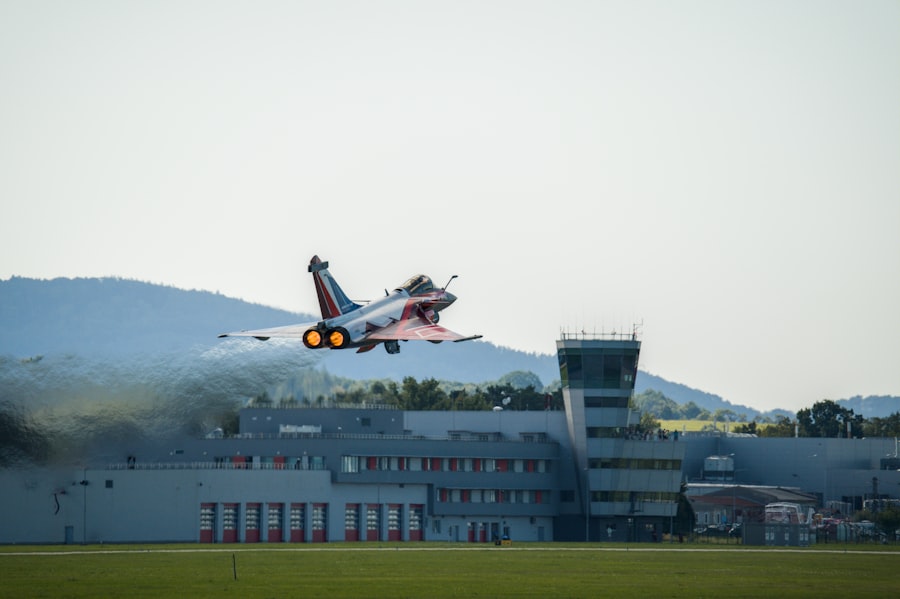
The operation of afterburner technology is relatively straightforward yet highly effective. In essence, afterburners function by injecting additional fuel into the hot exhaust gases produced by a jet engine. This fuel mixes with the exhaust and ignites, resulting in a rapid expansion of gases that generates additional thrust.
The design of afterburners typically includes a flame holder that stabilizes the combustion process, ensuring that the fuel burns efficiently and effectively. The afterburning process occurs after the primary combustion phase within the engine. As the exhaust gases exit the turbine section, they enter the afterburner chamber, where the additional fuel is introduced.
The combustion of this fuel increases the temperature and volume of the exhaust gases, leading to a significant increase in thrust. This mechanism allows for a temporary boost in power without necessitating a complete redesign of the engine itself.
Implementing Afterburner Technology in Different Industries
The versatility of afterburner technology has led to its implementation across various industries beyond aviation. In power generation, for instance, afterburners can be integrated into gas turbines to enhance efficiency and output. By optimizing combustion processes, power plants can achieve higher energy yields while reducing operational costs.
This application is particularly relevant in regions where energy demand is rapidly increasing. In manufacturing, afterburner technology can be utilized in processes that require high-temperature combustion. Industries such as metalworking and chemical production benefit from the enhanced thermal efficiency provided by afterburners.
By improving combustion efficiency, manufacturers can reduce waste and lower emissions, aligning with global sustainability goals while maintaining productivity.
Maximizing Fuel Efficiency with Afterburner Technology
| Metric | Typical Value | Unit | Description |
|---|---|---|---|
| Thrust Increase | 50-100 | Percent | Percentage increase in thrust when afterburner is engaged |
| Specific Fuel Consumption (SFC) Increase | 200-400 | Percent | Increase in fuel consumption rate with afterburner on compared to dry thrust |
| Afterburner Temperature | 1600-2200 | °C | Typical combustion temperature in the afterburner section |
| Thrust (Dry) | 20,000-30,000 | lbf | Thrust produced by the engine without afterburner |
| Thrust (Wet) | 30,000-60,000 | lbf | Thrust produced by the engine with afterburner engaged |
| Afterburner Fuel Flow | 1.5-3.0 | kg/s | Additional fuel flow rate consumed by the afterburner |
| Ignition Time | 0.1-0.5 | Seconds | Time required to ignite the afterburner after command |
| Typical Use Duration | 1-3 | Minutes | Recommended maximum continuous use time for afterburner to avoid engine damage |
Maximizing fuel efficiency is a critical concern for industries reliant on combustion engines. Afterburner technology plays a pivotal role in achieving this goal by optimizing the combustion process. By allowing for more complete combustion of fuel, afterburners can reduce unburned hydrocarbons and other pollutants that contribute to inefficiency.
This not only leads to cost savings but also aligns with environmental regulations aimed at reducing emissions. Furthermore, the ability to reach cruising altitude more quickly through enhanced thrust means that aircraft spend less time in fuel-intensive phases of flight. This reduction in time spent climbing translates into lower overall fuel consumption for airlines.
As fuel prices continue to fluctuate, the economic benefits of implementing afterburner technology become increasingly apparent for operators seeking to maintain profitability.
Increasing Power Output with Afterburner Technology

One of the most compelling aspects of afterburner technology is its capacity to significantly increase power output without necessitating extensive modifications to existing engines.
The additional thrust generated by afterburners allows pilots to execute complex maneuvers and respond swiftly to changing combat scenarios.
In commercial aviation, the increased power output can lead to improved payload capacities and operational flexibility. Airlines can optimize their flight schedules by utilizing aircraft equipped with afterburners for routes that demand quick turnaround times or higher passenger loads. This adaptability not only enhances operational efficiency but also provides airlines with a competitive edge in an increasingly crowded market.
Reducing Emissions with Afterburner Technology
As global awareness of environmental issues continues to grow, industries are under increasing pressure to reduce their carbon footprints. Afterburner technology offers a viable solution for minimizing emissions associated with combustion processes. By promoting more complete combustion of fuel, afterburners can significantly lower the release of harmful pollutants such as nitrogen oxides (NOx) and particulate matter.
In addition to improving combustion efficiency, afterburners can be designed to operate at lower temperatures during specific phases of operation, further reducing emissions. This adaptability allows industries to comply with stringent environmental regulations while maintaining high levels of performance. As companies strive to meet sustainability goals, integrating afterburner technology into their operations becomes an attractive option.
Maintenance and Upkeep of Afterburner Technology
While afterburner technology offers numerous advantages, it also requires careful maintenance and upkeep to ensure optimal performance. The high temperatures generated during operation can lead to wear and tear on components within the afterburner system. Regular inspections and maintenance schedules are essential to identify potential issues before they escalate into costly repairs or operational downtime.
Additionally, operators must ensure that fuel quality meets specific standards to prevent clogging or damage within the afterburner system. Implementing robust maintenance protocols not only extends the lifespan of afterburner components but also maximizes their efficiency and effectiveness over time. By prioritizing maintenance, industries can fully leverage the benefits of afterburner technology while minimizing disruptions.
Cost Considerations for Afterburner Technology
The implementation of afterburner technology involves various cost considerations that organizations must carefully evaluate. Initial investment costs can be significant, particularly for industries looking to retrofit existing systems or develop new engines equipped with afterburners. However, these upfront costs must be weighed against potential long-term savings achieved through improved fuel efficiency and reduced operational expenses.
Moreover, organizations should consider the potential return on investment (ROI) associated with enhanced performance capabilities. For airlines, faster flight times and increased payload capacities can translate into higher revenues over time.
A comprehensive cost-benefit analysis is essential for organizations contemplating the adoption of this advanced technology.
Case Studies of Successful Afterburner Technology Implementation
Numerous case studies illustrate the successful implementation of afterburner technology across various sectors. In military aviation, for example, fighter jets equipped with afterburners have demonstrated superior performance in combat scenarios, allowing pilots to execute complex maneuvers while maintaining speed advantages over adversaries. These capabilities have proven crucial in modern warfare, where agility and speed are paramount.
In commercial aviation, airlines that have integrated afterburner technology into their fleets have reported significant improvements in operational efficiency and customer satisfaction. By reducing flight times and enhancing performance during takeoff and landing phases, these airlines have gained a competitive edge in an industry characterized by tight margins and fierce competition. Such success stories highlight the transformative potential of afterburner technology across diverse applications.
Future Developments in Afterburner Technology
As industries continue to evolve and adapt to changing demands, future developments in afterburner technology are likely to focus on enhancing efficiency and sustainability further. Researchers are exploring innovative materials and designs that can withstand higher temperatures while minimizing weight, ultimately leading to even greater performance gains. Additionally, advancements in digital technologies may enable more precise control over combustion processes within afterburners.
By leveraging data analytics and machine learning algorithms, operators could optimize fuel injection rates and combustion conditions in real-time, maximizing efficiency while minimizing emissions. As these developments unfold, afterburner technology will undoubtedly play a pivotal role in shaping the future of propulsion systems across various industries. In conclusion, afterburner technology represents a remarkable advancement in propulsion systems with far-reaching implications across multiple sectors.
Its ability to enhance performance while promoting fuel efficiency and reducing emissions makes it an attractive option for industries seeking sustainable solutions in an increasingly competitive landscape. As organizations continue to explore innovative applications of this technology, its impact on aviation and beyond will undoubtedly be profound.
Afterburner technology in jet engines plays a crucial role in enhancing thrust and performance, particularly in military aircraft. For a deeper understanding of this technology and its applications, you can read more in the article available at In The War Room. This resource provides insights into the mechanics of afterburners and their impact on modern aviation.
WATCH THIS! 🎬 The Day Speed Died: How One Jet Changed Air Combat Forever
FAQs
What is afterburner technology in jet engines?
Afterburner technology is a method used in some jet engines to increase thrust by injecting additional fuel into the jet pipe downstream of the turbine. This causes the exhaust gases to ignite and produce extra thrust, primarily used in military supersonic aircraft.
How does an afterburner work?
An afterburner works by injecting fuel into the hot exhaust stream of a jet engine after it has passed through the turbine. The fuel ignites due to the high temperature of the exhaust gases, significantly increasing the volume and velocity of the exhaust, which results in increased thrust.
What are the main benefits of using afterburners?
The main benefits of afterburners include a rapid increase in thrust, which is essential for supersonic flight, quick acceleration, and enhanced performance during combat or takeoff. They allow aircraft to achieve speeds greater than the speed of sound.
What are the drawbacks of afterburner technology?
Afterburners consume a large amount of fuel, making them inefficient for sustained use. They also generate significant heat and noise, and their use is generally limited to short bursts during combat or supersonic flight.
Which types of aircraft commonly use afterburners?
Afterburners are commonly used in military fighter jets, supersonic bombers, and some experimental aircraft. Examples include the F-15 Eagle, F-22 Raptor, and the Concorde (which used a form of afterburning in its engines).
Can afterburners be used in commercial aircraft?
No, afterburners are not used in commercial aircraft because of their high fuel consumption and noise levels. Commercial planes prioritize fuel efficiency and quieter operation over the high thrust provided by afterburners.
How does afterburner technology affect engine design?
Engines with afterburners require additional components such as fuel injectors and flame holders in the exhaust section. The engine must be designed to withstand higher temperatures and pressures, and the aircraft structure must accommodate the increased heat and thrust.
Is afterburner technology still relevant with modern jet engines?
Yes, afterburner technology remains relevant for military applications where rapid acceleration and supersonic speeds are necessary. However, advances in engine efficiency and alternative propulsion methods continue to evolve the technology.