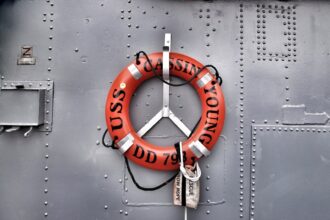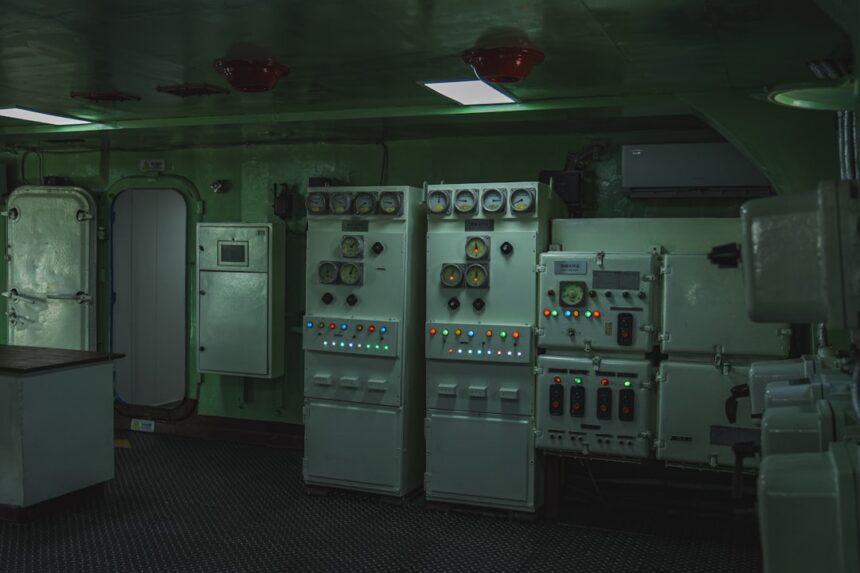
Submarine operations require coordinated teamwork due to the vessel’s complex systems and confined environment. Each crew member performs specialized functions across departments including navigation, engineering, and combat operations. Effective coordination between these departments is essential for mission completion and vessel safety.
Submarine missions typically involve extended periods underwater with limited external communication and restricted resources. During these deployments, crew members must maintain operational efficiency while managing the psychological challenges of isolation and confinement. The interdependent nature of submarine systems means that individual performance directly impacts overall mission success.
The closed environment of a submarine creates unique operational conditions where crew members must rely on established procedures and clear communication protocols. Trust between team members becomes a functional necessity, as personnel must depend on colleagues’ expertise in critical situations. This operational structure helps maintain both technical performance standards and crew welfare during extended underwater missions.
Key Takeaways
- Effective teamwork is crucial for the success and safety of submarine crew operations.
- Psychological challenges such as isolation and confined spaces significantly affect crew well-being.
- Clear and reliable communication strategies are essential for coordination and crisis management.
- Strong leadership plays a key role in guiding the crew through high-pressure and stressful situations.
- Comprehensive training and stress management techniques help maintain morale and operational efficiency.
The Psychological Challenges of Living and Working in a Submarine
Living and working in a submarine presents unique psychological challenges that can significantly impact crew members’ mental health. The confined space, lack of natural light, and limited social interaction can lead to feelings of isolation and claustrophobia.
The psychological toll of such conditions necessitates a robust support system to help individuals cope with the demands of submarine life. Additionally, the high-pressure nature of submarine operations can contribute to anxiety and stress. Crew members are often required to make critical decisions under duress, with little room for error.
The constant awareness of potential threats, whether from enemy forces or mechanical failures, can create a pervasive sense of unease. To combat these psychological challenges, submarines often implement mental health resources and training programs aimed at equipping crew members with coping strategies and resilience-building techniques.
Communication Strategies for Submarine Crews
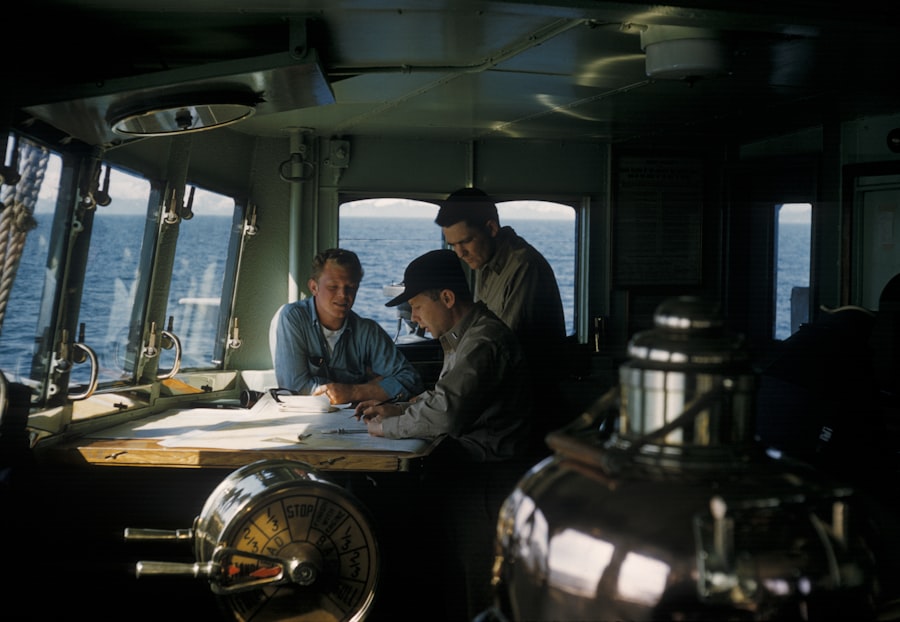
Effective communication is paramount in the intricate environment of a submarine. Given the potential for miscommunication to lead to catastrophic consequences, crews must develop robust communication strategies that ensure clarity and precision. One key aspect of this is the establishment of standardized protocols for conveying information, particularly during high-stress situations.
By adhering to established communication norms, crew members can minimize misunderstandings and enhance situational awareness. Moreover, fostering an open communication culture is essential for promoting teamwork and collaboration. Crew members should feel comfortable voicing concerns or suggestions without fear of retribution.
By prioritizing effective communication, submarine crews can enhance their overall performance and ensure that critical information flows seamlessly throughout the vessel.
The Role of Leadership in Submarine Operations
Leadership plays a pivotal role in the success of submarine operations. A strong leader not only sets the tone for the crew’s morale but also establishes a clear vision for mission objectives. Effective leaders possess the ability to inspire confidence and foster a sense of unity among crew members, which is particularly important in the high-pressure environment of a submarine.
They must be adept at making quick decisions while considering the well-being of their team, balancing operational demands with the psychological needs of their crew. Furthermore, leaders in submarine operations must be skilled communicators who can convey complex information succinctly and clearly. They are responsible for ensuring that all crew members understand their roles and responsibilities within the larger mission framework.
By cultivating an atmosphere of trust and respect, leaders can empower their teams to take initiative and contribute meaningfully to mission success. Ultimately, strong leadership is essential for navigating the challenges inherent in submarine operations and maintaining a high level of performance.
Training and Preparation for Submarine Crews
| Metric | Description | Typical Value/Range | Importance |
|---|---|---|---|
| Crew Size | Number of personnel assigned to operate the submarine | 30 – 150 members | Ensures adequate manpower for all operations and shifts |
| Shift Length | Duration of work shifts for crew members | 4 – 6 hours per shift | Maintains alertness and reduces fatigue |
| Sleep Hours per 24h | Average sleep duration for crew members in a 24-hour period | 6 – 7 hours | Critical for cognitive function and decision-making |
| Training Hours per Crew Member | Annual hours spent on training and drills | 100 – 200 hours | Enhances skills and emergency preparedness |
| Communication Efficiency | Effectiveness of intra-crew communication during operations | Measured by error rate < 5% | Reduces misunderstandings and operational errors |
| Stress Levels | Average reported stress level on a scale of 1-10 | 4 – 7 | Impacts mental health and performance |
| Decision-Making Time | Average time taken to make critical operational decisions | 30 seconds – 2 minutes | Influences mission success and safety |
| Fatigue Incidence | Percentage of crew reporting fatigue symptoms during deployment | 10% – 25% | Can lead to errors and accidents |
| Team Cohesion Score | Assessment of teamwork and cooperation (scale 1-10) | 7 – 9 | Enhances operational efficiency and morale |
Training and preparation are critical components of effective submarine operations. Crew members undergo rigorous training programs designed to equip them with the skills necessary to operate complex systems and respond to emergencies. This training often includes simulations that replicate real-world scenarios, allowing crew members to practice decision-making under pressure.
Such preparation not only enhances technical proficiency but also builds confidence among crew members as they learn to navigate challenging situations. In addition to technical training, submarines emphasize the importance of team-building exercises that foster camaraderie and trust among crew members. These activities help individuals develop interpersonal skills that are crucial for effective collaboration in high-stress environments.
By investing in comprehensive training programs that address both technical competencies and interpersonal dynamics, submarine crews can enhance their overall effectiveness and resilience.
Managing Stress and Fatigue in Submarine Crew Operations

The management of stress and fatigue is paramount in ensuring the operational readiness of submarine crews. The demanding nature of underwater missions often leads to long hours and irregular sleep patterns, which can take a toll on crew members’ physical and mental well-being. To address these challenges, submarines implement strategies aimed at promoting healthy sleep habits and stress management techniques.
One effective approach is the establishment of watch rotations that allow crew members to rest adequately between shifts. This ensures that individuals remain alert and focused during critical operations while minimizing the risk of burnout. Additionally, incorporating relaxation techniques such as mindfulness or physical exercise into daily routines can help crew members manage stress levels effectively.
By prioritizing the well-being of their personnel, submarine operations can maintain high levels of performance even in the face of demanding conditions.
Decision-Making in High-Pressure Situations on a Submarine
Decision-making in high-pressure situations aboard a submarine requires a unique blend of technical knowledge, situational awareness, and emotional intelligence. Crew members must be prepared to make quick judgments based on limited information while considering the potential consequences of their actions. This necessitates a thorough understanding of both the operational environment and the capabilities of the vessel.
To facilitate effective decision-making under pressure, submarines often employ structured decision-making frameworks that guide crew members through complex scenarios. These frameworks encourage individuals to assess risks, weigh options, and consider input from team members before arriving at a conclusion. By fostering a culture that values collaborative decision-making, submarines can enhance their ability to respond effectively to unexpected challenges while minimizing the likelihood of errors.
Maintaining Morale and Mental Health in a Submarine Environment
Maintaining morale and mental health within the confines of a submarine is essential for sustaining operational effectiveness over extended deployments. The isolation inherent in submarine life can lead to feelings of loneliness or despair if not addressed proactively. To combat these challenges, submarines often implement programs designed to promote mental well-being among crew members.
Social activities, recreational opportunities, and access to mental health resources are vital components of these programs. Crew members are encouraged to engage in leisure activities that foster camaraderie and provide an outlet for stress relief. Additionally, regular check-ins with mental health professionals can help individuals navigate any psychological challenges they may encounter during their deployment.
By prioritizing mental health initiatives, submarines can create an environment where crew members feel supported and valued.
The Unique Dynamics of Submarine Crew Relationships
The dynamics of relationships among submarine crew members are distinct due to the close quarters and shared experiences inherent in submarine life. Living and working together in such confined spaces fosters deep connections among individuals but can also lead to interpersonal conflicts if not managed effectively. The intensity of shared experiences—ranging from high-stress operations to moments of camaraderie—shapes these relationships in unique ways.
To navigate these dynamics successfully, crews must cultivate an atmosphere of open communication and mutual respect. Encouraging crew members to express their feelings and concerns can help prevent misunderstandings from escalating into conflicts. Additionally, team-building exercises that promote trust and collaboration can strengthen relationships among crew members, ultimately enhancing overall operational effectiveness.
Adapting to Isolation and Limited Personal Space on a Submarine
Adapting to isolation and limited personal space is one of the most significant challenges faced by submarine crews. The confined environment necessitates that individuals learn to coexist closely with one another while managing their own personal needs for privacy and solitude. This adaptation process requires flexibility and resilience as crew members navigate the complexities of living in such close quarters.
To facilitate this adaptation, submarines often implement strategies aimed at maximizing personal space within the constraints of the vessel’s design. Crew members may be assigned specific areas for relaxation or downtime, allowing them moments away from their colleagues when needed. Additionally, fostering a culture that respects individual boundaries can help mitigate feelings of claustrophobia or discomfort associated with living in confined spaces.
The Impact of Human Factors on Submarine Operations
Human factors play a critical role in shaping the effectiveness of submarine operations. The interplay between individual behaviors, team dynamics, and environmental conditions can significantly influence mission outcomes. Understanding these human factors is essential for optimizing performance and minimizing errors during high-stakes operations.
Submarine crews must be aware of how fatigue, stress, and interpersonal relationships can impact decision-making processes. Training programs that emphasize situational awareness and emotional intelligence can help crew members recognize when human factors may be influencing their performance or that of their colleagues. By prioritizing an understanding of human factors within submarine operations, crews can enhance their ability to operate effectively under pressure while ensuring mission success.
In exploring the complexities of human element submarine crew operations, it is essential to consider the psychological and social dynamics that influence team performance under pressure. A related article that delves into these aspects can be found on In The War Room, which discusses the critical role of crew cohesion and communication in high-stakes environments. For more insights, you can read the article [here](https://www.inthewarroom.com/).
FAQs
What is meant by the “human element” in submarine crew operations?
The “human element” refers to the roles, behaviors, interactions, and performance of the submarine crew members who operate and maintain the submarine. It encompasses factors such as teamwork, communication, decision-making, training, and human factors that affect operational effectiveness and safety.
Why is the human element important in submarine operations?
The human element is critical because submarines rely heavily on the skills, coordination, and judgment of their crew to operate complex systems, respond to emergencies, and carry out missions. Human performance directly impacts the safety, efficiency, and success of submarine operations.
What challenges do submarine crews face related to the human element?
Submarine crews face challenges such as confined living spaces, extended deployments, high stress, fatigue, and the need for precise coordination. These factors can affect mental and physical health, communication, and decision-making, making effective management of the human element essential.
How is training designed to address the human element in submarine operations?
Training programs focus on technical skills, teamwork, leadership, stress management, and emergency procedures. Simulations and drills are used to prepare crews for real-life scenarios, improve communication, and enhance situational awareness to mitigate human error.
What role does communication play in the human element of submarine operations?
Effective communication is vital for coordinating tasks, sharing information, and making timely decisions. Clear and concise communication helps prevent misunderstandings and errors, ensuring smooth operations and safety aboard the submarine.
How do submarines manage crew fatigue and stress?
Submarines implement watch rotations, rest periods, and support systems to manage fatigue. Psychological support, recreational activities, and monitoring of crew well-being are also used to reduce stress and maintain optimal performance.
What technologies assist the human element in submarine operations?
Technologies such as advanced control systems, automation, monitoring tools, and communication equipment support the crew by reducing workload, enhancing situational awareness, and providing decision support, thereby improving overall human performance.
How does leadership impact the human element in submarine crews?
Strong leadership fosters teamwork, discipline, morale, and effective decision-making. Leaders set the tone for safety culture, manage conflicts, and ensure that crew members are motivated and well-prepared to handle operational demands.
Are there psychological considerations unique to submarine crews?
Yes, submarine crews often experience isolation, confinement, and separation from family, which can affect mental health. Psychological resilience, support systems, and careful crew selection are important to address these unique challenges.
How is human error mitigated in submarine operations?
Human error is mitigated through rigorous training, standard operating procedures, checklists, redundancy in systems, teamwork, and continuous monitoring. Emphasis on a safety culture encourages reporting and learning from mistakes to prevent accidents.