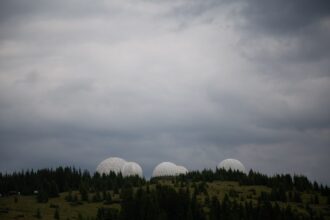
Night operations, once a fringe tactic relegated to special forces units, have evolved into a cornerstone of modern military strategy. The ability to operate effectively under the cover of darkness provides a significant tactical and strategic advantage, disrupting enemy routines, enabling surprise attacks, and enhancing survivability. Mastering these operations is no longer a luxury but a critical imperative for any force seeking to maintain its edge in an increasingly complex global security landscape. This article will delve into the multifaceted aspects of mastering night operations, exploring the technological advancements, training methodologies, and strategic considerations that contribute to its success.
Historically, warfare under darkness was often characterized by crude attempts to exploit reduced visibility. Simple ambushes, stealthy infiltrations, and reliance on intuition were the primary tools. However, the advent of sophisticated technology has dramatically reshaped the playing field. What was once a domain dominated by natural limitations is now a technologically augmented arena where precision and perception are paramount.
Historical Precedents and Early Innovations
The earliest forms of night warfare relied heavily on the inherent limitations of human vision. Armies would often conduct night raids to exploit the element of surprise, aiming to sow confusion and disarray among sleeping or unprepared enemy forces. Examples abound in ancient and medieval warfare, where swift cavalry charges or infantry assaults under the cloak of darkness could prove decisive. The development of rudimentary signaling methods, such as lanterns or modulated fires, allowed for some degree of coordination, but these were often imprecise and prone to misinterpretation.
The Impact of Surprise in Pre-Modern Warfare
The psychological impact of a surprise attack at night was immense. The inability to clearly identify attackers or their intentions often led to panic and disorganization, making even numerically inferior forces capable of achieving significant victories. This inherent advantage of surprise continues to be a driving force behind the pursuit of effective night operations.
The Technological Revolution: Seeing the Unseen
The most significant shift in night operations has been driven by technological advancements. From advanced optics to enhanced illumination and navigation systems, technology has empowered soldiers to perceive, navigate, and engage targets with a degree of clarity previously unimaginable. This has transformed the limitations of darkness into an operational advantage.
Night Vision Devices: The Eyes of the Night Warrior
The development and proliferation of night vision devices (NVDs) are arguably the most transformative element in modern night operations. These devices, ranging from image intensifies to thermal imagers, allow soldiers to see in conditions of low light or complete darkness.
Image Intensifiers: Amplifying Ambient Light
Image intensifiers work by amplifying available ambient light, such as starlight or moonlight. They capture photons and use an electron cascade to produce a brighter image on a phosphorescent screen, typically rendered in shades of green. These devices are crucial for general observation and movement in low-light conditions.
Thermal Imaging: Detecting Heat Signatures
Thermal imagers, on the other hand, detect infrared radiation emitted by objects. This allows them to “see” heat signatures, making them effective for identifying personnel, vehicles, and other heat-emitting sources regardless of ambient light conditions. They are invaluable for detecting hidden enemies, monitoring movements through foliage, and identifying enemy equipment.
The Advantages of Thermal for Operational Awareness
Thermal imaging offers distinct advantages in certain scenarios. Its ability to penetrate smoke, fog, and camouflage makes it a superior choice for reconnaissance and target acquisition in adverse weather. Furthermore, it provides a more immediate understanding of the tactical situation by highlighting the presence of living beings and functioning machinery.
Enhanced Illumination Systems: Controlled Visibility
Beyond passive observation, advancements in illumination have allowed for more controlled and tactical use of light during night operations. This includes low-intensity directional lighting, specialized colored lights that minimize detectability, and advanced strobes for signaling.
Infrared (IR) Illumination: Stealthy Visibility
Infrared illuminators emit light in the infrared spectrum, invisible to the naked eye but detectable by NVDs. This allows forces to illuminate an area for easier movement and observation without revealing their presence to the enemy, who may not possess adequate thermal optics.
Tactical Flashlights and Weapon-Mounted Lights
Modern tactical flashlights are designed with multiple brightness settings and often incorporate IR capabilities. Weapon-mounted lights provide combatants with immediate illumination for target identification and engagement in close-quarters combat, enhancing their effectiveness and reducing the risk of friendly fire.
Navigation and Positioning Systems: Staying on Course in the Dark
Navigating effectively in the dark is as critical as seeing. GPS receivers, inertial navigation systems (INS), and advanced mapping software have revolutionized night navigation, allowing units to maintain precise bearings and routes even in featureless terrain or during adverse weather.
Global Positioning Systems (GPS): Reliable Localization
GPS technology provides soldiers with accurate positional data, enabling them to plot routes, track their progress, and coordinate movements with other units. Even in the absence of visual landmarks, GPS ensures units can reach their objectives with precision.
Inertial Navigation Systems (INS): Complementary to GPS
INS systems, which track movement based on accelerometers and gyroscopes, offer a valuable backup or complement to GPS. They are particularly useful in environments where GPS signals can be jammed or degraded, ensuring continuous navigation capabilities.
The Synergy of GPS and INS for Uninterrupted Operations
The integration of GPS and INS creates a robust navigation solution. While GPS provides absolute positioning, INS provides continuous relative positioning, ensuring that even brief signal interruptions do not lead to disorientation. This is essential for maintaining momentum and avoiding deviation from planned routes during critical night operations.
In the realm of military strategy, night operations have become increasingly vital for achieving tactical advantages on the battlefield. A related article that delves into the intricacies of this subject is available at In the War Room, where experts discuss the challenges and innovations associated with conducting operations under the cover of darkness. This resource provides valuable insights into how modern technology and training are reshaping the effectiveness of night missions.
Training for the Darkness: Developing Proficiency and Resilience
Technological superiority is only one part of the equation. Mastering night operations requires rigorous and specialized training that builds proficiency, instills confidence, and fosters resilience in soldiers operating under challenging conditions.
Basic Night Operations Skills
Fundamental skills form the bedrock of any successful night operation. These include the ability to move silently, maintain situational awareness, and effectively employ NVDs.
Movement Techniques: Silent and Swift
Soldiers must be trained in specific movement techniques that minimize noise and visual detection. This includes mastering techniques for traversing various terrains, such as crawling, creeping, and using available cover and concealment effectively.
The Importance of Footwork and Body Control
Proper footwork is paramount. Soldiers learn to place their feet deliberately, avoiding loose debris or uneven surfaces that can create noise. Maintaining control over body movements, such as avoiding sudden jerks or swaying, is also crucial for remaining undetected.
Low-Light Movement Drills
Repetitive drills focusing on moving in silhouette against the horizon, maintaining a low profile, and using the environment for cover are essential. These drills help soldiers develop an unconscious competence in moving stealthily.
Situational Awareness in the Dark: Beyond Visual Cues
Developing enhanced situational awareness beyond visual cues is paramount. Soldiers must learn to rely on auditory information, such as the rustling of leaves, distant engine sounds, or the subtle creak of machinery, to build a mental map of their surroundings.
Enhancing Auditory Perception
Training often involves exercises designed to hone soldiers’ ability to discern subtle sounds and identify their sources. This can include blindfolded exercises where soldiers must identify approaching sounds or pinpoint the origin of specific noises.
The Threat of Sound Discipline
Conversely, soldiers are also trained in the critical importance of sound discipline, understanding that even the smallest noise can betray their position. This leads to an ingrained habit of absolute silence unless absolutely necessary.
Effective Use of Night Vision Devices
Proficiency with NVDs extends beyond simply putting them on. Soldiers must be trained to properly adjust focus, interpret the generated images, and understand the limitations of their equipment.
Understanding Field of View and Magnification
Soldiers need to understand how the field of view and magnification of their NVDs affect their perception and how to best utilize these settings for different tasks, whether it’s broad observation or detailed reconnaissance.
Recognizing NVG Artifacts and Limitations
Training includes recognizing potential artifacts or limitations of NVDs, such as the “halo effect” around bright lights or the inability to detect certain non-heat-emitting objects. This prevents misinterpretations and ensures accurate threat assessment.
Advanced Night Maneuvers and Tactics
Once basic skills are mastered, training progresses to more complex night maneuvers and tactics that leverage the advantages of darkness.
Nighttime Reconnaissance and Surveillance
Nighttime reconnaissance and surveillance are crucial for gathering intelligence on enemy positions, movements, and capabilities. This involves stealthy infiltration, precise observation, and secure reporting.
Establishing Observation Posts (OPs) Under Cover of Darkness
Identifying and establishing covert observation posts in strategic locations allows for prolonged monitoring of enemy activity. Training focuses on selecting OPs that offer good fields of observation while providing maximum concealment.
Stealthy Infiltration to OPs
The ability to reach an OP without being detected is a critical skill. This involves tactical movement through enemy-controlled or contested territory, utilizing terrain and shadow to their advantage.
Nighttime Attacks and Ambushes
Nighttime attacks offer the greatest potential for surprise and disruption. Training focuses on coordinating assaults, maintaining momentum, and exploiting the psychological impact of attacking in darkness.
Coordinated Fire and Movement in Low Light
Executing coordinated fire and movement under darkness requires precise communication and a deep understanding of unit roles. Soldiers must be trained to support each other effectively, identifying targets and engaging them with minimal risk of friendly fire.
The Psychology of Fear in Night Combat
Units are trained to leverage the inherent fear and uncertainty associated with nighttime attacks. This can involve sophisticated psychological operations or simply the shock value of an unexpected assault.
Nighttime Infiltration and Exfiltration
The ability to move into and out of enemy-controlled areas under darkness is vital for special operations forces and for units conducting deep reconnaissance or sabotage missions.
Maintaining Directional Control and Stealth During Infiltration
Successful infiltration requires meticulous planning and execution. Units must maintain strict directional control and absolute stealth throughout their movement, often relying on pre-planned routes and navigation aids.
Secure Exfiltration Routes and Contingencies
Planning for secure exfiltration is as important as the infiltration itself. This involves establishing multiple egress routes and contingency plans in case of unexpected enemy contact or mission changes.
Stress Inoculation and Psychological Preparedness
Operating in darkness can be psychologically taxing. Training must include elements of stress inoculation to prepare soldiers for the heightened anxiety, sensory deprivation, and potential for disorientation that night operations can bring.
Simulating Realistic Conditions
Training exercises often incorporate realistic stressors, such as simulated enemy contact, equipment malfunctions, and time constraints, to build mental fortitude.
Building Team Cohesion and Trust
Strong team cohesion and unwavering trust between soldiers are essential for effective night operations. When visibility is limited, reliance on one’s teammates for support, awareness, and communication becomes paramount.
Strategic Advantages and Operational Imperatives of Night Operations

Beyond the tactical advantages, mastering night operations offers significant strategic benefits that can shape the outcome of conflicts.
Enhanced Surprise and Initiative
The most immediate strategic advantage of night operations is the ability to achieve surprise and seize the initiative. By dictating the time and place of engagements, forces can disrupt enemy plans and exploit their vulnerabilities.
Disrupting Enemy Routines and Decision Cycles
The enemy typically establishes routines and patterns of activity based on diurnal cycles. Operating at night allows for the disruption of these routines, forcing them onto the defensive and potentially overwhelming their command and control structures.
Unpredictability as a Force Multiplier
The sheer unpredictability of a night attack can act as a force multiplier, causing a disproportionate amount of fear and disorganization within enemy ranks. Even without direct engagement, the threat of a night attack can force an enemy to divert resources to defensive posture, limiting their offensive capabilities.
Seizing the Cognitive High Ground
By successfully conducting operations under darkness, a force demonstrates superior capability and control. This can have a significant psychological impact on the enemy, eroding their morale and confidence while bolstering the morale and confidence of the attacking force. This “cognitive high ground” can be just as important as territorial gains.
Reduced Vulnerability and Increased Survivability
Operating under the cover of darkness significantly reduces a unit’s vulnerability to detection and engagement by enemy forces, thereby enhancing survivability.
Minimizing Exposure to Enemy Observation
In daylight, reconnaissance and surveillance assets can readily detect troop movements and formations. Night operations offer a critical window of opportunity to move forces and conduct operations with significantly reduced risk of detection, especially for forces equipped with advanced NVDs.
Less Susceptible to Air and Artillery Strikes
Nighttime inherently limits the effectiveness of visual reconnaissance by aircraft and daylight-based artillery targeting. This provides a degree of protection against these potent threats, allowing for more freedom of maneuver.
The Diminished Role of Visual Intelligence in Darkness
While thermal imaging and other sensor technologies can detect heat signatures, the general reliance on visual intelligence for targeting is significantly diminished at night. This forces the enemy to employ more sophisticated and potentially less readily available detection methods.
Exploiting Enemy Weaknesses
Many militaries are not as proficient in night operations as they are in daytime engagements. This disparity creates opportunities for a well-trained force to exploit enemy weaknesses.
Targeting Sleep Cycles and Reduced Vigilance
Enemy forces are often at their most vulnerable during periods of rest or reduced vigilance. Night operations can be timed to coincide with these periods, maximizing the potential for a swift and decisive engagement.
Exploiting Communication and Coordination Challenges
The complexities of coordinating operations in darkness can be magnified for less experienced or technologically disadvantaged forces. A well-drilled unit can exploit these communication and coordination challenges to their advantage, creating localized pockets of overwhelming force.
The “Sunday Night Effect”
A common phenomenon observed is that units often experience increased challenges with command, control, and coordination on non-operational days or during periods of routine, often referred to as the “Sunday Night Effect.” Night operations can be strategically timed to exploit such periods of reduced readiness.
Technological Integration and Future of Night Operations
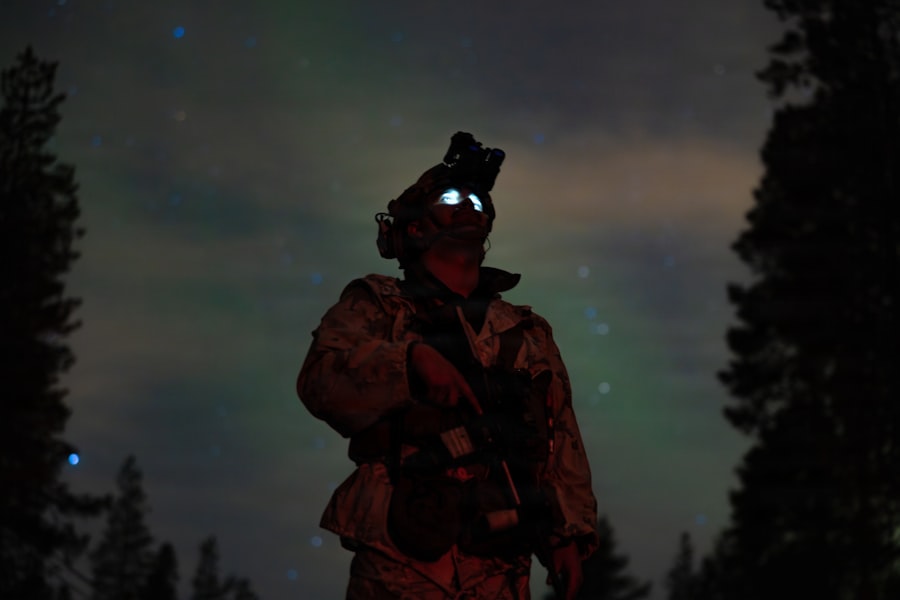
The continuous evolution of technology will undoubtedly continue to shape the landscape of night operations, pushing the boundaries of what is possible and creating new strategic opportunities.
Advanced Sensor Fusion and Artificial Intelligence
The integration of multiple sensor platforms and the application of artificial intelligence (AI) will further enhance situational awareness and decision-making capabilities during night operations.
Combining Thermal, Image Intensification, and Radar Data
Future systems will likely fuse data from various sensors, including thermal imagers, advanced image intensifiers, and even compact radar systems, to create a comprehensive and richly detailed battlefield picture, even in complete darkness.
AI-Powered Target Recognition and Threat Prioritization
AI algorithms can analyze complex sensor data to automatically identify and prioritize potential threats, allowing human operators to focus on decision-making rather than laborious data analysis. This can significantly reduce reaction times and improve target engagement accuracy.
Predictive Analytics for Enhanced Operational Planning
AI can also be used for predictive analytics, estimating enemy movements and intentions based on patterns and historical data, allowing for more proactive and effective operational planning during night missions.
Drones and Unmanned Systems in Night Warfare
Unmanned aerial vehicles (UAVs) and other unmanned systems are already playing a significant role and will continue to do so, offering unparalleled capabilities for night reconnaissance, surveillance, and even strike missions.
ISR Platforms with Advanced Night Vision Capabilities
Drones equipped with advanced thermal and low-light cameras can provide persistent intelligence, surveillance, and reconnaissance (ISR) over enemy territory at night, offering real-time updates to ground forces.
Armed Drones for Precision Strikes Under Cover of Darkness
The ability of armed drones to conduct precision strikes at night, often with minimal collateral damage, provides a highly effective and often less risky means of neutralizing enemy threats.
Autonomous Navigation and Swarming Capabilities
Future developments may see drones with autonomous navigation capabilities, allowing them to operate independently for extended periods. Swarming capabilities, where multiple drones coordinate their actions, could also revolutionize night operations, overwhelming enemy defenses or conducting complex surveillance patterns.
Cyber and Electronic Warfare in the Nocturnal Domain
The digital battlefield extends into the night, with cyber and electronic warfare (EW) capabilities becoming increasingly critical for success in night operations.
Jamming and Spoofing Enemy Navigation and Communication Systems
EW capabilities can be used to jam or spoof enemy GPS signals and communication systems, hindering their ability to navigate and coordinate during night operations.
Digital Deception and Information Operations
Cyber warfare can be employed to disrupt enemy information networks, spread misinformation, and create confusion, further amplifying the psychological impact of night operations.
Secure Communication Channels for Friendly Forces
Conversely, ensuring secure and resilient communication channels for friendly forces is paramount. This involves employing robust encryption, redundant communication systems, and employing EW defensive measures to protect against enemy interference.
Night operations in military strategy have become increasingly vital for modern warfare, allowing forces to leverage the cover of darkness for tactical advantages. A comprehensive understanding of these operations can be found in a related article that discusses the evolution and implementation of night tactics in various conflicts. For those interested in exploring this topic further, you can read more about it in this insightful piece on military strategy. This article delves into the challenges and innovations that have shaped night operations, highlighting their significance in contemporary military engagements.
Conclusion: The Indispensable Edge
| Metrics | Data |
|---|---|
| Number of night vision devices | 500 |
| Percentage of successful night operations | 85% |
| Number of night training exercises | 20 |
| Percentage of casualties during night operations | 10% |
Mastering night operations is no longer an optional skill but an indispensable strategic imperative for any modern military force. The confluence of technological advancements, rigorous training, and strategic foresight has transformed the darkness from a battlefield impediment into a powerful operational advantage. From enhanced surprise and initiative to increased survivability and the exploitation of enemy weaknesses, the ability to fight and win under the cloak of night provides a critical edge. As technology continues to evolve, the importance of nocturnal warfare will only grow, demanding continuous adaptation and investment to maintain proficiency in this ever-critical domain. The military that truly masters the night will possess a significant and enduring advantage on the modern battlefield.

Why Armies Fear 4:30 AM
FAQs
What is night operations military strategy?
Night operations military strategy refers to the planning and execution of military operations during the hours of darkness. This can include a wide range of activities such as reconnaissance, raids, ambushes, and other offensive or defensive actions.
Why are night operations important in military strategy?
Night operations offer several advantages for military forces, including reduced visibility for the enemy, increased cover and concealment for friendly forces, and the element of surprise. Additionally, conducting operations at night can help to exploit the enemy’s fatigue and disrupt their normal routines.
What are some challenges associated with night operations military strategy?
Challenges associated with night operations military strategy include limited visibility, potential for friendly fire incidents, difficulties in coordination and communication, and increased risk of accidents or equipment malfunctions. Additionally, operating at night can be physically and mentally demanding for military personnel.
What technologies are used to support night operations military strategy?
Military forces utilize a variety of technologies to support night operations, including night vision goggles, thermal imaging devices, infrared illuminators, and other specialized equipment designed to enhance visibility in low-light conditions. Unmanned aerial vehicles (UAVs) and other surveillance platforms also play a crucial role in providing situational awareness during night operations.
How does night operations military strategy differ from daytime operations?
Night operations military strategy differs from daytime operations in terms of the unique challenges and advantages presented by low-light conditions. Night operations often require different tactics, techniques, and procedures to account for reduced visibility and the need for enhanced situational awareness. Additionally, the element of surprise and the psychological impact of operating under the cover of darkness can significantly influence the outcome of military engagements.