The clandestine operations of MACV-SOG, the Military Assistance Command, Vietnam – Studies and Observations Group, represent one of the most extraordinary and ethically complex chapters of American military history. Born out of necessity during the escalating conflict in Vietnam, this highly classified unit specialized in unconventional warfare, reconnaissance, and direct action missions deep within enemy territory. Its operators, drawn from the ranks of the most elite special operations forces, were tasked with missions that official history often overlooked or deliberately obscured. MACV-SOG operated in the shadows, a phantom force whose successes and failures were measured not in public accolades, but in the intelligence gathered, the enemy forces disrupted, and the lives risked and sometimes lost in the unforgiving jungles and karst landscapes of Southeast Asia.
The early years of American involvement in Vietnam were characterized by a growing realization that conventional military tactics, while effective on a large scale, were insufficient to combat the insidious and pervasive insurgency of the Viet Cong and their North Vietnamese Army (NVA) allies. The enemy operated with a fluidity that bypassed traditional front lines, relying on a vast network of tunnels, jungle sanctuaries, and a deep understanding of the local terrain. This environment demanded a different approach, one that prioritized intelligence gathering, disruption, and deniable operations. It was within this evolving strategic landscape that the seeds of MACV-SOG were sown.
The Imperative for Intelligence Beyond Enemy Lines
The prevailing military doctrine of the time was heavily focused on attrition warfare and large-unit engagements. However, military planners and intelligence analysts recognized a critical gap: the inability to gain reliable information from within the heavily controlled territories of the Viet Cong and NVA. Bombing campaigns, while devastating, provided limited insights into enemy troop movements, logistical networks, and strategic intentions. There was a pressing need for highly trained personnel capable of penetrating these areas, observing enemy activities, and, when possible, disrupting their operations at their source. This necessity for clandestine reconnaissance and intelligence collection formed a foundational pillar for the eventual creation of MACV-SOG.
The Early Experiments in Special Operations
Before the official establishment of MACV-SOG, there were a series of ad hoc and experimental units engaged in special operations. These early efforts, often undertaken by existing special forces or intelligence detachments, provided valuable lessons. They highlighted the unique challenges of operating in the Vietnamese theater, including the need for specialized training in jungle warfare, survival, and evasion. They also revealed the immense risks associated with deep penetration missions and the crucial importance of effective communication and exfiltration. These pioneering endeavors, though fragmented, laid the groundwork for a more cohesive and organized approach to unconventional warfare.
The Formalization of MACV-SOG
In January 1964, the Military Assistance Command, Vietnam (MACV) formally established the Studies and Observations Group, codenamed MACV-SOG. The initial mission statement was broad, encompassing a range of covert activities designed to support the broader U.S. war effort. The “Studies” aspect referred to the collection and analysis of intelligence, while the “Observations” focused on direct reconnaissance and intelligence gathering. However, it quickly evolved into a more proactive and aggressive organization, engaging in direct action missions that blurred the lines between reconnaissance and combat. The highly classified nature of its operations meant that its existence was largely unknown to the public and even to many within the U.S. military structure.
The Military Assistance Command, Vietnam – Studies and Observations Group (MACV SOG) played a crucial role in the Vietnam War, conducting covert operations that often went beyond traditional military engagement. For those interested in exploring this fascinating aspect of military history, a related article can be found at In the War Room, which delves into the strategies, missions, and impact of MACV SOG on the conflict and its legacy.
The Structure and Operations of MACV-SOG
MACV-SOG was not a monolithic entity but rather a complex organization comprised of various specialized companies and detachments, each with its distinct role and operational focus. Its strength lay in its ability to adapt and employ a diverse range of tactics and methodologies, tailored to the specific mission and the operating environment. The unit’s clandestine nature was paramount, with missions often conducted under a veil of secrecy, leaving little to no trace of American involvement.
The Ground Studies Group (GSG)
The Ground Studies Group (GSG) was arguably the most iconic component of MACV-SOG. This was the unit responsible for the highly dangerous cross-border reconnaissance and direct action missions into Laos, Cambodia, and North Vietnam. These operations, codenamed “Shining Brass” (later “Prairie Fire” and “Daniel Boone”), involved small, highly skilled reconnaissance teams, typically composed of American Special Forces soldiers and indigenous personnel. Their missions included intelligence gathering on enemy infiltration routes, particularly the Ho Chi Minh Trail, disrupting enemy logistics, conducting ambushes, and capturing high-value targets. The psychological impact on the enemy was also a significant objective, as the knowledge of these covert incursions created uncertainty and forced the North Vietnamese to divert significant resources to border security.
The Composition of Reconnaissance Teams
The reconnaissance teams of the GSG were a testament to the specialized training and resilience required for their missions. Typically consisting of six to twelve operators, these teams were meticulously selected and trained for their exceptional physical and mental fortitude. A standard team often included a team leader (usually a commissioned officer or senior NCO), a point man, a radioman, a demolition expert, and a medic. Crucially, these teams were almost always augmented by indigenous personnel, often Montagnards from South Vietnam or defectors from enemy ranks. These indigenous soldiers brought invaluable knowledge of the local terrain, languages, and enemy tactics, significantly increasing the teams’ effectiveness and survivability.
The Operational Modus Operandi
The operations of the GSG were characterized by their extreme risk and meticulous planning. Teams were inserted into enemy territory, often by helicopter or parachute, with minimal equipment to reduce their footprint. Their primary objective was reconnaissance, observing enemy movements, base camps, and logistical arteries. However, their missions often evolved into direct action, including ambushes, sabotage, and the placement of sensors to track enemy movements. The constant threat of discovery and the vast, unforgiving terrain meant that every mission was a high-stakes gamble. Communication was a critical challenge, with operators relying on radios and visual signals, often under extreme duress. Exfiltration was equally perilous, with teams often extracted by helicopter or forced to make their way back to friendly lines through hundreds of miles of enemy-controlled territory.
The Maritime Studies Group (MSG)
While the GSG garnered much of the attention due to the high-profile nature of its ground operations, the Maritime Studies Group (MSG) played a vital role in disrupting enemy supply lines and conducting clandestine operations along the coastlines and inland waterways of Vietnam. Operating from patrol boats and other naval assets, the MSG conducted coastal reconnaissance, interdicted enemy supply boats, and executed raids on coastal installations. These operations were critical in choking off the flow of supplies and personnel to the Viet Cong and NVA forces.
Coastal Interdiction and Sabotage
The MSG’s primary mission involved the interdiction of enemy shipping and the disruption of coastal logistics. Using small, fast patrol craft, they patrolled the extensive Vietnamese coastline, a vital artery for enemy resupply. These patrols were dangerous, as they often encountered heavily armed enemy vessels and faced the risk of being drawn into larger naval engagements. Beyond interdiction, the MSG also conducted sabotage missions, targeting enemy infrastructure such as fuel depots and communication facilities located along the coast.
Amphibious Raids and Intelligence Gathering
The MSG also utilized amphibious capabilities to conduct raids on enemy positions situated on islands or along riverbanks. These operations involved small teams landing under the cover of darkness to gather intelligence, destroy enemy caches, or capture prisoners. The inherent risks of amphibious assaults, coupled with the limited visibility and the constant threat of enemy patrols, made these missions exceptionally challenging.
The Air Studies Group (ASG)
The Air Studies Group (ASG) was responsible for providing aerial support, reconnaissance, and specialized aviation operations for MACV-SOG. This included a variety of aircraft, from highly maneuverable helicopters used for insertion and extraction to fixed-wing aircraft employed for reconnaissance and close air support. The ASG’s role was critical in enabling the ground and maritime components to operate effectively and safely in hostile territory.
Specialized Aircraft and Tactics
The ASG operated a diverse fleet of aircraft, often modified for specific mission requirements. Helicopters like the UH-1 “Huey” were indispensable for inserting and extracting reconnaissance teams, providing vital fire support, and conducting medical evacuations. Forward air controllers (FACs) flying light aircraft, such as the O-1 Bird Dog, played a crucial role in directing air strikes and providing real-time intelligence from the air. The ASG also experimented with more advanced technologies, including early forms of electronic warfare and surveillance aircraft.
The Critical Role of Air Support and Extraction
The availability of timely and effective air support was often the deciding factor in the survival of MACV-SOG reconnaissance teams. FACs working with the ASG provided invaluable real-time intelligence, guiding strike aircraft onto enemy positions and protecting beleaguered teams. Helicopter extraction was a common but always precarious operation, with crews often flying into heavy enemy fire to retrieve teams facing overwhelming odds. The ASG’s dedication and bravery were instrumental in the success and survival of countless MACV-SOG missions.
The Third Studies and Observation Group (3rd SOG)
While the initial focus was on operations in Vietnam, MACV-SOG’s mandate eventually expanded to include operations in neighboring countries. The Third Studies and Observation Group (3rd SOG), also known as “3rd Commando,” was established to conduct reconnaissance and direct action missions into Laos and Cambodia. These operations were highly controversial, as they directly violated the sovereignty of those nations, but were deemed necessary by U.S. policymakers to disrupt enemy supply lines and bases that were fueling the conflict in South Vietnam.
Cross-Border Operations and Their Implications
The operations of 3rd SOG were at the forefront of American involvement in the “secret war” in Laos and Cambodia. These missions were incredibly dangerous, as the terrain was dense and the enemy presence was extensive. The objective was to interdict the Ho Chi Minh Trail and strike at enemy logistical hubs. The repercussions of these covert incursions were significant, contributing to the destabilization of Cambodia and drawing the United States deeper into the Indochina conflict.
The Challenge of Operating in Neutral Territories
Operating in countries officially neutral in the Vietnam War presented a unique set of challenges for 3rd SOG. The need for absolute secrecy was paramount, as any official acknowledgment of their presence would have had severe diplomatic consequences. This meant that units often operated with limited support and under extreme pressure, relying heavily on their own ingenuity and the bravery of their operators to achieve their objectives.
The Men of MACV-SOG: Unsung Heroes of the Shadows
The success of MACV-SOG rested squarely on the shoulders of its operators. These were men who volunteered for the most dangerous missions, often with little more than a prayer and a deep sense of duty. They were drawn from the elite ranks of the U.S. Army Special Forces, Rangers, Navy SEALs, and Air Force Special Operations. Their training was rigorous, their courage undeniable, and their sacrifices immense. They were the tip of the spear, operating in a world of constant danger and uncertainty.
The Selection and Training Process
MACV-SOG units recruited personnel from the most capable and motivated soldiers within the U.S. military. Candidates underwent a brutal selection process designed to identify individuals with exceptional physical and mental resilience, leadership potential, and the ability to operate autonomously under extreme stress. Training was specialized, focusing on skills such as advanced reconnaissance, unconventional warfare, demolition, survival, evasion, resistance, and escape (SERE), and operating in challenging environments like dense jungles and mountainous terrain. The emphasis was on self-reliance and the ability to function as a cohesive unit in the face of overwhelming odds.
The Psychological Toll of Clandestine Warfare
The psychological toll on MACV-SOG operators was immense. They operated in constant fear for their lives, often far from any hope of immediate support. The missions were fraught with ethical dilemmas, and the weight of responsibility for the lives of their team members, as well as the potential consequences of their actions, was a heavy burden. The secrecy surrounding their operations meant that their bravery and sacrifices were often unrecognized, adding to the psychological strain. Many operators returned home with invisible wounds, struggling to reintegrate into civilian life and deal with the trauma they had experienced.
The Legacy of Sacrifice and Courage
The legacy of MACV-SOG is one of immense sacrifice and unparalleled courage. Many of its operators were killed in action, and many more were wounded. Their stories, often untold for decades, are a testament to the extraordinary lengths to which these men went in service of their country. They operated in the gray areas of warfare, undertaking missions that were critical to the overall war effort but remained shrouded in secrecy. Their contributions, though rarely acknowledged publicly, were significant in shaping the course of the conflict.
Controversies and Ethical Quandaries
The highly clandestine and often deniable nature of MACV-SOG operations inevitably led to significant controversies and ethical quandaries. The incursions into neutral countries, the use of indigenous forces, and the blurred lines between reconnaissance and direct action raised serious questions about the legality and morality of their missions. The lack of transparency surrounding these operations only served to fuel the debate.
The Incursions into Laos and Cambodia
The most significant controversy surrounding MACV-SOG involved its operations in Laos and Cambodia, countries officially neutral in the Vietnam War. These cross-border missions, aimed at disrupting North Vietnamese supply lines and sanctuaries, were undertaken without the explicit consent of those governments and were kept secret from the American public and Congress. The U.S. government maintained that these operations were necessary for the protection of American troops in South Vietnam, but critics argued that they constituted an illegal expansion of the war and contributed to the destabilization of the region.
The Use of Indigenous Forces and Deniability
MACV-SOG heavily relied on indigenous personnel, often from minority groups within Vietnam or defectors from enemy ranks, to augment its reconnaissance teams. While this provided invaluable local knowledge and reduced the risk to American soldiers, it also raised questions about the ethical treatment and exploitation of these individuals. Furthermore, the inherent deniability of MACV-SOG operations meant that if indigenous personnel were captured or killed, their connection to the U.S. military could be easily severed, leaving them without official support or recognition.
The Blurred Lines of Reconnaissance and Direct Action
The evolution of MACV-SOG from a purely reconnaissance-focused unit to one engaging in direct action missions blurred the lines between intelligence gathering and combat operations. While these aggressive tactics were often effective in disrupting enemy activity, they also increased the risk of casualties and created a more complex ethical landscape. The decision to engage in offensive operations deep within enemy territory, often with minimal support, was a calculated risk that occasionally resulted in devastating losses for the reconnaissance teams.
The history of MACV SOG, a covert operations unit during the Vietnam War, reveals the complexities of unconventional warfare and the critical role of special operations in modern military strategy. For those interested in delving deeper into this fascinating topic, a related article can provide valuable insights into the missions and challenges faced by these elite soldiers. You can explore more about their operations and impact on the war by visiting this detailed resource.
The Enduring Legacy of MACV-SOG
| Operation | Duration | Objective |
|---|---|---|
| Operation Shining Brass | 1968-1972 | Reconnaissance and sabotage in Laos |
| Operation Tailwind | 1970 | Rescue of POWs in Laos |
| Operation Prairie Fire | 1968-1971 | Reconnaissance and sabotage in North Vietnam |
MACV-SOG was officially disbanded in 1972, but its legacy continues to resonate within the annals of military history. The unit’s innovative approaches to unconventional warfare, its operational successes, and the profound sacrifices of its operators have left an indelible mark. The lessons learned from MACV-SOG’s operations have informed the development of modern special operations forces, and its story serves as a stark reminder of the complexities and costs of clandestine warfare.
The Evolution of Special Operations Doctrine
The experiences of MACV-SOG provided invaluable insights that shaped the evolution of special operations doctrine for decades to come. The emphasis on intelligence-driven operations, deep penetration reconnaissance, and the integration of indigenous forces became cornerstones of modern special operations. The unit’s ability to operate in denied areas and conduct highly specialized missions served as a blueprint for future special operations units.
The Recognition of Unsung Heroes
For many years, the men of MACV-SOG operated in obscurity, their heroism largely unacknowledged. However, in recent decades, there has been a growing recognition of their contributions and sacrifices. Books, documentaries, and memorial services have begun to shed light on their extraordinary missions and the profound impact they had on the Vietnam War. The stories of these unsung heroes are finally beginning to be told, ensuring that their courage and dedication are not forgotten.
A Case Study in the Ethics of Covert Warfare
MACV-SOG remains a compelling case study in the ethical considerations of covert warfare. The unit’s operations highlight the difficult choices faced by policymakers and military leaders when operating in the shadows. The balance between achieving strategic objectives and upholding ethical principles, the implications of secrecy, and the human cost of clandestine operations are all issues that continue to be debated and analyzed in relation to MACV-SOG’s experiences. The unit’s history serves as a profound and enduring lesson in the complexities of modern conflict.
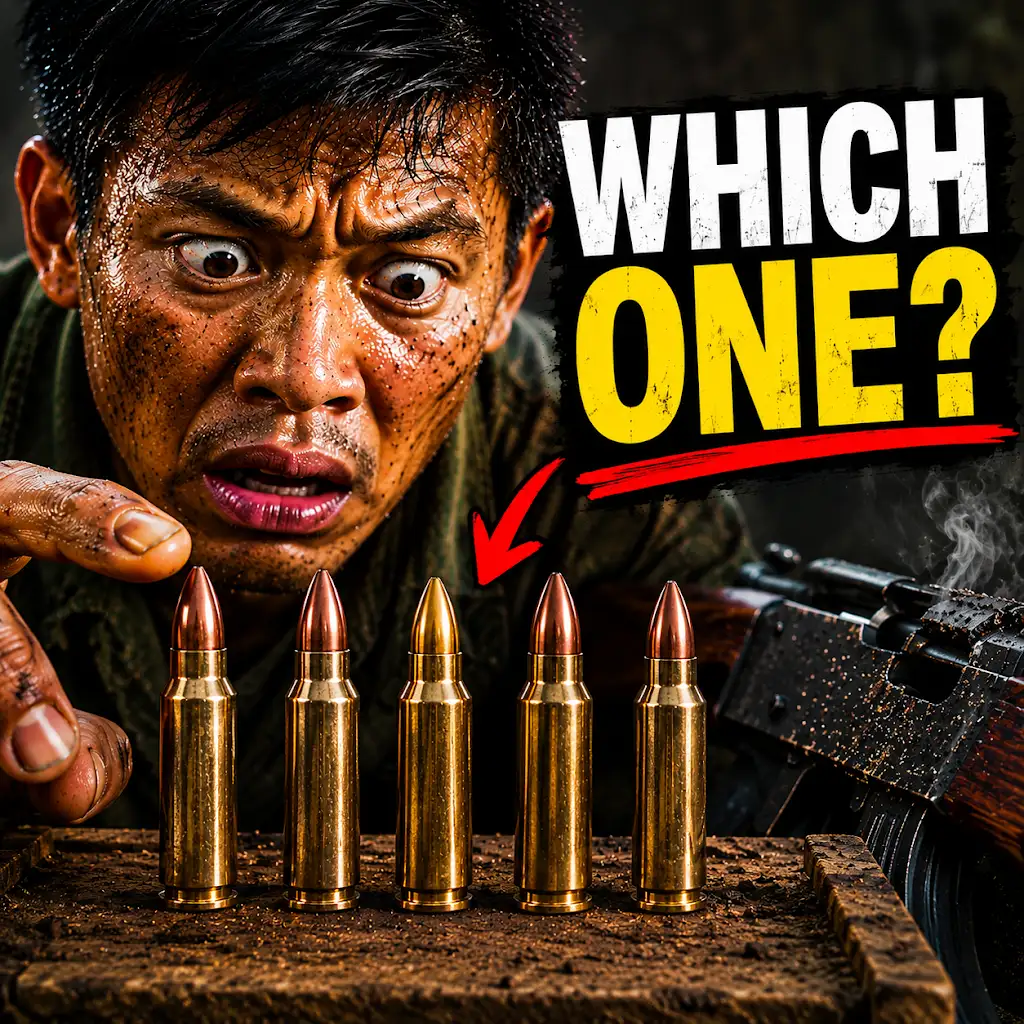
The Vietnam Plot That Made Soldiers Fear Their Own Guns
FAQs
What does MACV SOG stand for?
MACV SOG stands for Military Assistance Command, Vietnam – Studies and Observations Group. It was a highly classified, multi-service United States special operations unit which conducted covert unconventional warfare operations prior to and during the Vietnam War.
When was MACV SOG established?
MACV SOG was established in January 1964 and was active until April 1972. It was a joint services unit, consisting of personnel from the United States Army Special Forces, United States Navy SEALs, United States Air Force, and the Central Intelligence Agency.
What were the primary missions of MACV SOG?
MACV SOG’s primary missions included reconnaissance, intelligence gathering, sabotage, and direct action operations in enemy-controlled territory. They conducted cross-border operations into Laos, Cambodia, and North Vietnam, and were tasked with disrupting enemy supply lines and gathering intelligence on enemy movements.
What were some of the notable operations conducted by MACV SOG?
Some of the notable operations conducted by MACV SOG include Operation Tailwind, Operation Prairie Fire, and Operation Shining Brass. These operations involved highly dangerous and classified missions deep behind enemy lines, often with small teams of highly trained special operations personnel.
What was the legacy of MACV SOG?
MACV SOG’s legacy is one of bravery, sacrifice, and innovation in unconventional warfare. The unit’s members were some of the most highly trained and skilled special operations personnel of their time, and their contributions to the Vietnam War are still studied and revered by military historians and special operations forces today.