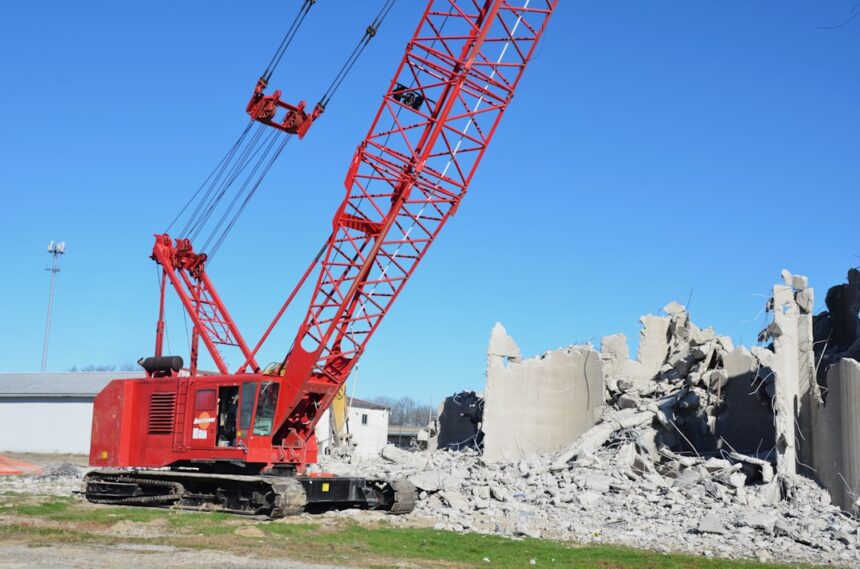
The systematic destruction of infrastructure during World War II was a multifaceted enterprise, deeply intertwined with strategic objectives, technological advancements, and the sheer scale of global conflict. Far from being a mere byproduct of warfare, the deliberate targeting and obliteration of a nation’s physical underpinnings became a central tenet of military planning and execution. This involved an intricate logistical framework, encompassing intelligence gathering, specialized weaponry, transportation, and the coordination of vast human and material resources. The impact of this destruction reverberated through economies, societies, and the very landscape, shaping post-war reconstruction and international relations for decades to come.
The decision to destroy an adversary’s infrastructure was rooted in a sober assessment of its strategic value. It was not a gratuitous act of vandalism, but a calculated means to achieve specific military and political goals. The primary objective was often to cripple an enemy’s ability to wage war, both in the short and long term.
Undermining Military Capability
The most immediate and obvious target was infrastructure directly supporting military operations. This included railways, roads, ports, airfields, and bridges. Their destruction aimed to:
- Halt troop and matériel movement: By severing primary transportation arteries, occupying forces could be isolated, their supply lines cut off, and reinforcements prevented from reaching the front lines. This was particularly crucial for the Allies’ bombing campaigns against German railways and for the Soviet scorched-earth tactics in the East.
- Disrupt command and control: Communication networks, including telegraph lines, radio stations, and telephone exchanges, were vital for coordinating military efforts. Their destruction aimed to sow confusion and incapacitate an enemy’s leadership.
- Degrade armament production: Factories, smelters, and resource extraction sites were key components of a nation’s war machine. Targeting these facilities, and the infrastructure that supported them, directly impacted the enemy’s capacity to produce weapons, ammunition, and vehicles.
Economic Warfare
Beyond immediate military applications, infrastructure destruction was also a potent tool of economic warfare, designed to exhaust an enemy’s resources and morale.
- Severing trade routes: Ports and merchant shipping were essential for importing raw materials and exporting finished goods. Their destruction, along with allied naval blockades, aimed to isolate economies and reduce their ability to sustain a protracted conflict.
- Disrupting industrial output: Factories, even those not directly producing military hardware, formed the backbone of an industrial economy. Their destruction and the associated infrastructure, such as power grids and water supplies, had a cascading effect, hindering overall economic productivity.
- Impact on civilian population: The disruption of food distribution networks, energy supplies, and public utilities directly affected the civilian population, leading to hardship, reduced morale, and potentially internal unrest.
Psychological and Political Objectives
While often secondary to military and economic considerations, psychological and political objectives played a role in infrastructure destruction.
- Terror and demoralization: The visible destruction of a nation’s symbols of progress and its ability to function could serve to demoralize the enemy populace and undermine their faith in their leadership.
- Deterrence: The demonstration of destructive power could also serve as a deterrent to potential adversaries, signaling the costs of engaging in conflict.
- Shaping post-war order: In some instances, the destruction of certain infrastructure could be intended to shape the post-war geopolitical landscape, for example, by limiting the industrial capacity of a defeated foe.
The logistics of infrastructure destruction during World War II played a critical role in shaping the outcomes of various military campaigns. An insightful article that delves into this topic can be found at In the War Room, where it explores how the systematic targeting of transportation networks and industrial facilities not only disrupted enemy supply lines but also had lasting impacts on post-war reconstruction efforts. Understanding these logistical strategies provides valuable context for the broader implications of warfare on national infrastructures.
The Logistics of Bombardment: Air Power and Its Infrastructure
The advent
FAQs
What were the main targets for infrastructure destruction in World War Two?
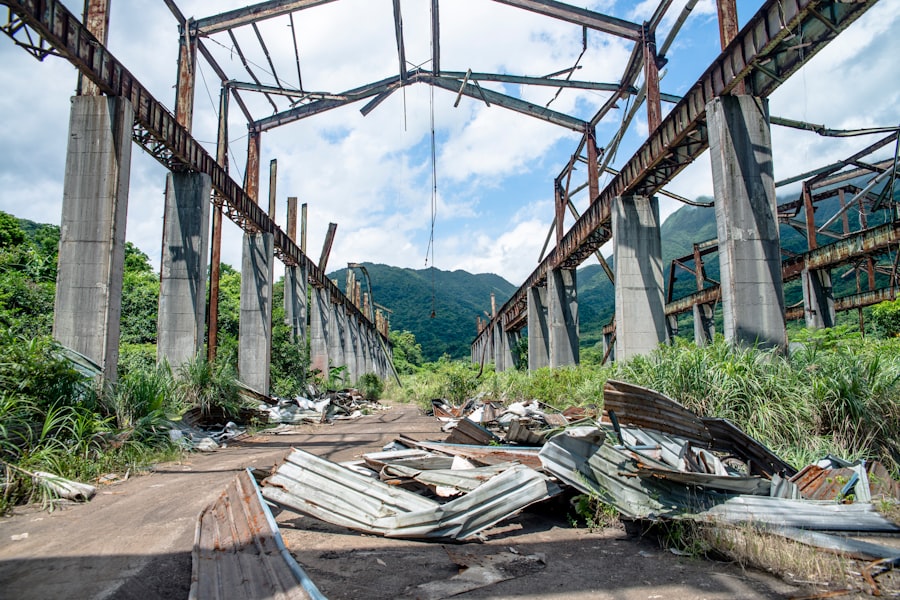
During World War Two, the main targets for infrastructure destruction included transportation networks such as railways, roads, and bridges, as well as industrial facilities, communication centers, and ports.
How was infrastructure destruction carried out in World War Two?
Infrastructure destruction in World War Two was carried out through various means, including strategic bombing campaigns, sabotage operations, and ground offensives. Bombers targeted key infrastructure sites, while special forces and resistance groups conducted sabotage missions.
What impact did infrastructure destruction have on the war effort?
Infrastructure destruction had a significant impact on the war effort in World War Two. It disrupted supply lines, hindered troop movements, and crippled industrial production, thereby weakening the enemy’s ability to wage war effectively.
Which countries were most affected by infrastructure destruction in World War Two?
Countries across Europe and Asia were heavily affected by infrastructure destruction in World War Two. Some of the most heavily targeted countries included Germany, the Soviet Union, the United Kingdom, France, Italy, and Japan.
What were the long-term effects of infrastructure destruction in World War Two?
The long-term effects of infrastructure destruction in World War Two included economic devastation, reconstruction challenges, and the reshaping of global power dynamics. Many countries faced years of rebuilding and recovery following the widespread destruction of their infrastructure.