The vast expanse of the Atlantic Ocean, a tempestuous and unpredictable theater, has witnessed countless naval dramas unfold. Among these, the voyage of the USS Saratoga, specifically its operations designated under the K-222 track, stands as a testament to the formidable power and operational complexities of American naval aviation during a critical period. This journey was not merely a transit across water; it was a meticulously planned exercise in power projection, strategic positioning, and the demonstration of technological might, all woven together within the demanding framework of Cold War naval doctrine. The Saratoga, a titan of the seas, was more than just a ship; it was a floating city, a mobile airbase, and a potent symbol of American resolve, tasked with navigating not only the physical currents of the ocean but also the geopolitical currents that defined the latter half of the 20th century.
The Mighty Carrier: Genesis of the Saratoga
The USS Saratoga (CV-3), a Lexington-class aircraft carrier, was a product of the interwar naval building programs, designed to carry and launch aircraft in combat. Her construction, along with her sister ship, the USS Lexington, represented a significant shift in naval warfare, moving away from traditional gunnery duels and towards the nascent power of carrier-based air power. Launched in 1925 and commissioned in 1927, the Saratoga was a marvel of engineering for her time, boasting impressive speed and a substantial air wing. Her early years were marked by extensive training exercises and fleet problems, honing the skills of her crew and testing the capabilities of her aircraft. These formative experiences laid the groundwork for her future deployments, including the significant K-222 track operation in the Atlantic. The development of carrier aviation was a rapid and iterative process, with lessons learned from exercises and early operational deployments constantly influencing design and tactics. The Saratoga, as one of the earliest purpose-built carriers, was at the forefront of this evolution, a living laboratory for the future of naval air power.
A Technological Marvel of Her Era
The Lexington-class carriers were designed with a dual role in mind: they were intended to serve as fleet carriers, capable of operating with the main battle line, and as independent units, capable of striking enemy naval forces at long range. This required a robust design, capable of withstanding battle damage and of launching and recovering a significant number of aircraft. The Saratoga’s propulsion system, for instance, was capable of generating immense power, allowing her to achieve speeds that could keep pace with the fastest battleships. Her hangar deck and flight deck were designed to accommodate a growing inventory of aircraft, from biplanes to the more advanced monoplanes that began to emerge in the 1930s. The complex systems for catapults, arresting gear, and aircraft elevators were all cutting-edge technology, requiring skilled operators and extensive maintenance. The sheer scale of the Saratoga, with her towering island superstructure and her expansive flight deck, was a visual representation of the burgeoning power of naval aviation.
Strategic Doctrine and the Rise of Air Power
The early decades of the 20th century witnessed a profound shift in naval thinking. The devastating impact of naval aircraft in World War I, even in their rudimentary forms, sparked a revolution. Naval theorists and strategists grappled with the implications of this new weapon system. The idea of projecting air power from the sea, rather than relying solely on land-based air forces, offered unprecedented strategic flexibility. The Saratoga and her contemporaries were built to embody this new doctrine, conceived as vessels that could project American influence and military power across vast oceanic distances. The development of carrier task forces, with their intricate coordination of screening ships and aircraft, became a cornerstone of naval strategy, particularly in the Pacific theater during World War II. The K-222 track, though occurring after the major conflicts, was still a direct descendant of these strategic imperatives, aimed at maintaining a visible and potent naval presence.
The K-222 tracked USS Saratoga Atlantic operation highlights the strategic importance of naval power during the Cold War era. For a deeper understanding of the historical context and implications of such military maneuvers, you can explore a related article that delves into various naval operations and their impact on international relations. Check out this insightful piece at In the War Room.
The K-222 Track: A Strategic Imperative
The designation “K-222 Track” might sound obscure to the uninitiated, but for those within the naval establishment, it represented a specific operational deployment with clear strategic objectives. These tracks, often categorized by letters and numbers, were not random excursions. They were meticulously planned missions designed to fulfill specific geopolitical requirements, whether it be to deter potential adversaries, to conduct intelligence gathering, to practice complex amphibious assaults, or to showcase American naval capabilities in sensitive regions. The K-222 track, in the context of the USS Saratoga’s Atlantic voyage, was likely designed to assert American naval dominance in the North Atlantic, a critical sea lane and a strategic chokepoint during the Cold War. The presence of a carrier strike group in this region served multiple purposes: it reassured allies, signaled resolve to potential adversaries, and provided a platform for extensive training and operational readiness.
Defining the Mission Parameters
The K-222 track would have encompassed a range of specific tasks. These could include carrier air wing exercises involving simulated combat missions against hypothetical enemy forces, anti-submarine warfare (ASW) patrols to monitor Soviet submarine activity, maritime surveillance to gather intelligence on shipping and naval movements, and potentially, joint exercises with allied naval forces to enhance interoperability and demonstrate collective security. The duration of the track, the specific patrol areas, and the types of aircraft deployed would all have been dictated by the overarching strategic goals. The planning process for such a track would have been exhaustive, involving input from various branches of the Navy, intelligence agencies, and diplomatic corps to ensure alignment with broader foreign policy objectives. The success of the K-222 track would have been measured not only by the flawless execution of its assigned missions but also by its intangible impact on the geopolitical landscape.
Navigating the Geopolitical Waters
The Atlantic Ocean during the Cold War was a complex and often tense environment. The presence of Soviet naval forces, particularly their growing submarine fleet, posed a constant challenge. The K-222 track was a direct response to this dynamic. By positioning the Saratoga and her escorting destroyers and cruisers in strategic locations, the United States aimed to:
- Deter Soviet aggression: A visible and capable American naval force served as a powerful deterrent against any Soviet attempts to disrupt Atlantic shipping lanes or threaten NATO allies.
- Monitor Soviet activity: The carrier’s extensive radar and sonar capabilities, coupled with its embarked aircraft, provided invaluable intelligence on Soviet naval movements and capabilities.
- Maintain freedom of navigation: The Saratoga’s presence ensured that American and allied vessels could operate freely in the Atlantic, a critical aspect of maintaining global trade and security.
- Reinforce alliances: Joint exercises and port visits during the track would have strengthened ties with NATO partners, demonstrating a unified front against potential threats.
The K-222 track was thus a critical component of a broader strategy to maintain a balance of power and prevent the escalation of Cold War tensions.
The Atlantic Voyage: A Symphony of Steel and Sky
The USS Saratoga’s Atlantic voyage under the K-222 track was far from a leisurely cruise. It was a demanding operational deployment, characterized by long periods at sea, rigorous training, and the constant readiness required to respond to any eventuality. The ship and her crew operated as a cohesive unit, a finely tuned machine where every individual played a vital role in the successful execution of the mission. The Atlantic itself presented its own set of challenges, from unpredictable weather patterns to the vastness of its expanse, requiring constant vigilance and skillful seamanship. The Saratoga, with her massive displacement and powerful engines, was a formidable presence, capable of weathering storms and maintaining her operational tempo.
Life Aboard a Floating City
The USS Saratoga was a self-contained world, housing thousands of personnel – sailors, aviators, support staff, and command elements. Life aboard was structured and disciplined, with a strict daily routine that encompassed everything from flight operations and maintenance to galley duties and administrative tasks. For the crew, the voyage meant a sustained period away from home, demanding a high degree of camaraderie and resilience. Recreation facilities, religious services, and communication channels with loved ones were crucial for maintaining morale. The ship’s internal layout was a marvel of functional design, with living quarters, mess halls, workshops, medical facilities, and the critical command and control centers all integrated to support sustained operations. The constant hum of machinery, the clang of metal, and the shouts of command were the ambient sounds of this floating city at work.
The Rhythmic Dance of Flight Operations
The heart of the Saratoga’s mission lay in its embarked air wing. The constant activity on the flight deck was the most visible manifestation of the ship’s operational purpose. Day and night, aircraft launched and recovered, a meticulously choreographed ballet of steel birds against the backdrop of the ocean. The pilots, meticulously trained, operated a variety of aircraft, from fighter jets performing air-to-air combat simulations to reconnaissance aircraft gathering vital intelligence. The flight deck crews, often referred to as “green shirts” and “yellow shirts,” worked in a dangerous yet highly efficient environment, guiding aircraft with hand signals and launching them with powerful catapults. The arresting gear operators, with their split-second timing, brought high-speed aircraft to a halt, ready for their next sortie. This continuous cycle of launch and recovery was the engine of the K-222 track, projecting American air power across the vast Atlantic.
Navigational Challenges and Oceanography
The Atlantic Ocean, while a familiar expanse, posed significant navigational and operational challenges. The ship’s course was meticulously plotted, taking into account prevailing winds, currents, and potential weather systems. The crew’s navigators, utilizing celestial navigation, radar, and GPS technology, ensured the Saratoga remained on course. The ship’s officers constantly monitored meteorological data, preparing for potential storms that could disrupt flight operations and test the ship’s structural integrity. The vastness of the ocean meant that the Saratoga was often days away from port, underscoring the importance of self-sufficiency and the ability to maintain operations in isolation. The constant motion of the sea, the rolling and pitching of the vessel, was a constant factor that all aboard had to contend with, from the most junior sailor to the captain.
The Air Wing: The Sword and Shield of the Saratoga
The true offensive and defensive capability of the USS Saratoga resided not within its steel hull, but in the air. The embarked air wing was a diverse and highly capable force, comprising a mix of fighter, attack, reconnaissance, and support aircraft. These aircraft, operated by skilled pilots and supported by dedicated maintenance crews, were the instruments through which the K-222 track achieved its objectives. The synergy between the carrier and its air wing was paramount, a symbiotic relationship that amplified the power of both. The Saratoga was more than just a launch platform; it was a mobile command center, a refueling station, and a repair facility for its aerial assets, enabling sustained operations far from shore.
Fighters and Interceptors: Guardians of the Skies
The fighter squadrons aboard the Saratoga were the first line of defense, tasked with air superiority and the protection of the carrier strike group. Equipped with advanced radar and missile systems, these aircraft patrolled vast swathes of the Atlantic, ready to intercept any hostile aircraft. Their role during the K-222 track would have involved constant vigilance, interspersed with simulated combat engagements against other naval aircraft or targets of opportunity. The pilots were trained to operate in complex, three-dimensional environments, making split-second decisions that could determine the fate of the mission. The roar of their engines as they launched was a clear signal of American air power’s presence and readiness.
Attack Aircraft: Delivering Precision and Power
The attack aircraft of the Saratoga’s air wing were designed to project power ashore and against naval targets. Equipped with a variety of ordnance, from bombs and missiles to rockets, they provided the strike capability that defined the carrier’s strategic value. During the K-222 track, these aircraft would have conducted simulated bombing runs against land-based targets, practiced anti-ship attacks, and potentially participated in electronic warfare missions. The pilots of these aircraft were highly skilled in navigation, target acquisition, and the precise delivery of ordnance, operating under immense pressure and often in challenging weather conditions. Their missions were crucial for demonstrating the carrier’s ability to project force in a decisive manner.
Reconnaissance and Support: Eyes and Ears of the Fleet
Beyond the fighter and attack elements, the air wing also included specialized aircraft for reconnaissance and support. Reconnaissance planes, equipped with sophisticated sensors and cameras, provided invaluable intelligence on enemy movements, terrain, and naval assets. Support aircraft, such as early warning and electronic warfare planes, enhanced the situational awareness of the entire strike group, identifying threats and jamming enemy communications. These less glamorous but equally vital elements of the air wing were indispensable to the success of the K-222 track, ensuring that the Saratoga and its escorts had the information they needed to operate effectively and safely.
The K-222 tracked USS Saratoga Atlantic is a fascinating topic that highlights the intricate history of naval warfare and the evolution of military technology. For those interested in exploring more about the strategic significance of aircraft carriers and their roles in modern conflicts, a related article can provide deeper insights. You can read more about this subject in the article found here, which delves into the operational capabilities and historical impact of these formidable vessels.
The Legacy of the K-222 Track
| Metric | Details |
|---|---|
| Name | K-222 (NATO reporting name: Papa-class) |
| Type | Tracked Submarine |
| Country | USSR (Soviet Union) |
| Commissioned | 1969 |
| Decommissioned | 1989 |
| Top Speed | 44.7 knots (82.8 km/h) |
| Length | 107 meters |
| Displacement | 4,000 tons (surfaced), 5,000 tons (submerged) |
| Propulsion | Nuclear-powered, titanium hull |
| Armament | 6 x 533 mm torpedo tubes |
| Notable Feature | Fastest submarine ever built |
| Operational Area | Atlantic Ocean |
| Associated Vessel | USS Saratoga (US aircraft carrier, unrelated but sometimes referenced) |
The USS Saratoga’s Atlantic voyage under the K-222 track, while a specific operational designation, was representative of a broader era of American naval power projection. The lessons learned from such deployments, the technological advancements tested, and the strategic objectives achieved contributed significantly to the evolution of naval warfare and international diplomacy. The Saratoga herself, a veteran of numerous campaigns, continued to serve with distinction for decades, a testament to her robust design and the dedication of her crews. The K-222 track, as a snapshot in time, serves as a reminder of the constant vigilance and strategic planning required to maintain peace and security in a complex world. The operational tempo, the sheer scale of the undertaking, and the inherent dangers of operating large naval and air assets at sea all combined to forge a legacy of operational excellence and strategic foresight.
Operational Lessons and Doctrine Development
The K-222 track, like all major naval deployments, generated a wealth of operational data and lessons learned. These insights were meticulously analyzed and fed back into the development of naval doctrine, aircraft design, and operational procedures. The challenges encountered, whether in terms of logistics, communications, or combat readiness, led to refinements in how naval forces operated and interacted. The constant evolution of Soviet naval capabilities during the Cold War meant that American naval strategy had to be equally dynamic, and deployments like the K-222 track were crucial for testing and adapting to these changing realities. The experience gained by the Saratoga’s crew, from the flight deck to the engine room, contributed to a generation of naval professionals who were at the forefront of technological and strategic innovation.
The Saratoga’s Enduring Symbolism
The USS Saratoga, in her long and storied career, became more than just a warship; she was a symbol of American power, resilience, and technological prowess. Her Atlantic voyages, particularly those undertaken during the height of the Cold War under designations like the K-222 track, projected an image of unwavering commitment to global security. Even after her decommissioning, the legacy of the Saratoga and the operations she conducted continues to resonate. She represents a period when naval aviation truly came into its own, shaping the course of warfare and international relations. The memories of her operations, the dedication of her crews, and the strategic impact of her voyages remain etched in the annals of naval history.
A Glimpse into a Pivotal Era
The K-222 track, and the broader Atlantic voyage of the USS Saratoga, offers a valuable glimpse into a pivotal era of the 20th century. It highlights the intricate interplay of technology, strategy, and human endeavor that defined the Cold War. The relentless pursuit of naval superiority, the constant need for vigilance, and the immense capabilities of the American naval forces were all on full display during these operations. The Saratoga’s Atlantic voyage was a microcosm of the larger geopolitical struggle, a tangible demonstration of American resolve and its capacity to project power across the globe. It was a period that demanded constant adaptation and innovation, and the USS Saratoga and her crew stood at the vanguard of this dynamic evolution.
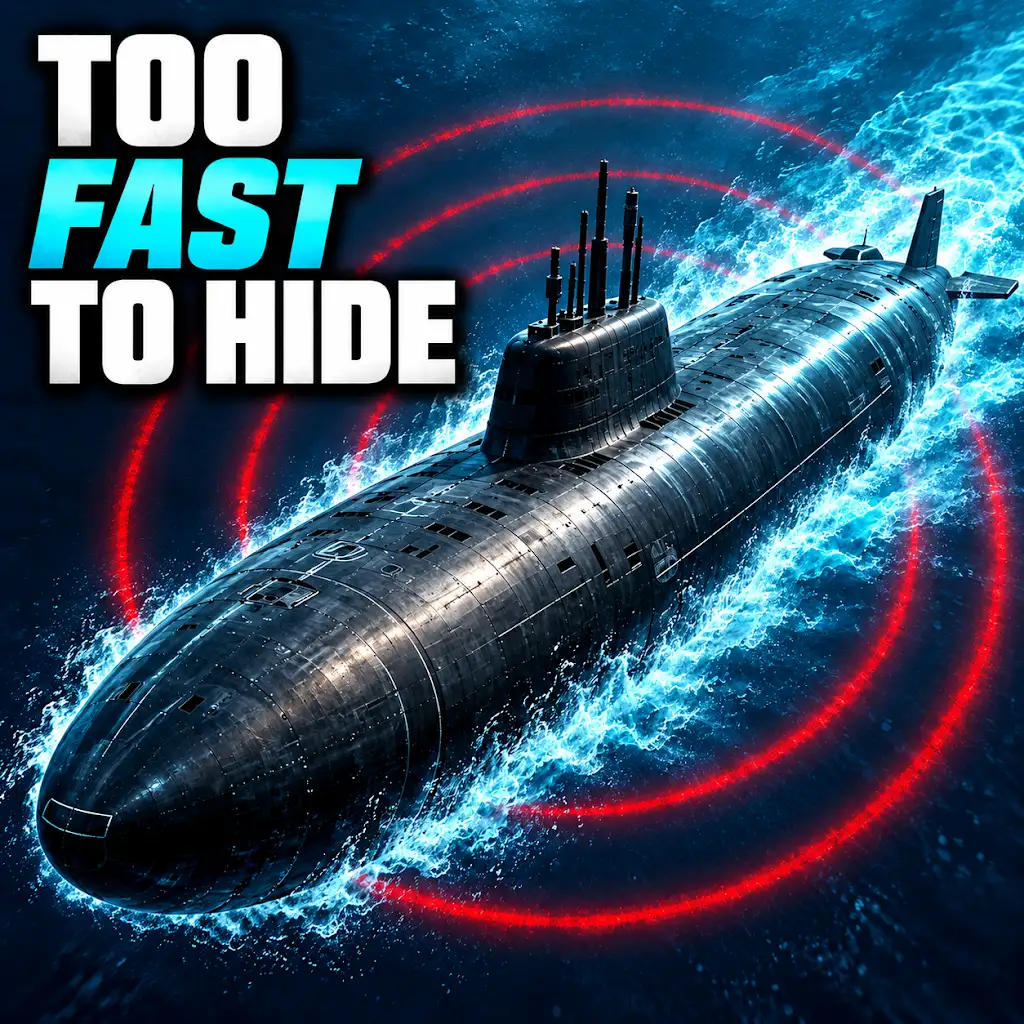
The Soviet Submarine That Broke a Speed Record—and Its Own Stealth
FAQs
What is the K-222 submarine?
The K-222 submarine, also known as the Soviet designation Project 661 Anchar, was a nuclear-powered submarine built by the Soviet Union during the Cold War era.
How fast could the K-222 submarine travel?
The K-222 submarine was known for its impressive speed, capable of reaching speeds of up to 44.7 knots (82.8 km/h or 51.4 mph), making it the fastest submarine ever built.
What was the USS Saratoga Atlantic used for?
The USS Saratoga Atlantic was a US aircraft carrier that was used for various missions, including combat operations, training exercises, and humanitarian missions.
How was the K-222 submarine able to track the USS Saratoga Atlantic?
The K-222 submarine was equipped with advanced tracking and surveillance technology, including sonar systems and radar, which allowed it to track and monitor the movements of other vessels, such as the USS Saratoga Atlantic.
What was the significance of the K-222 tracking the USS Saratoga Atlantic?
The tracking of the USS Saratoga Atlantic by the K-222 submarine highlighted the capabilities of Soviet naval technology during the Cold War and underscored the strategic importance of monitoring the movements of US naval vessels in the Atlantic Ocean.