The Unforeseen Encounter: Prelude to Disaster
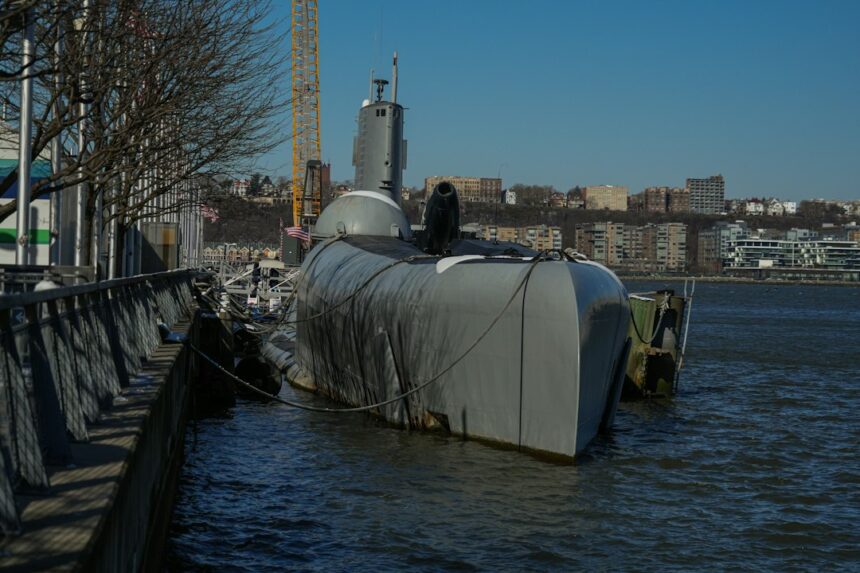
The tranquil expanse of the Mediterranean Sea, a stage for countless maritime maneuvers, was the setting for an incident that would forever etch itself into naval history. On the afternoon of January 9th, 1980, the United States Navy submarine USS Voge (FF-1047), a relatively new addition to the fleet, was conducting routine operations. The Voge, a Knox-class frigate originally designed as an anti-submarine escort, was not a submarine herself, but a surface combatant with considerable sonar capabilities. Her mission on this particular day involved a surface patrol, a common and generally uneventful duty. Meanwhile, operating in the same general vicinity was the K-22, a formidable Soviet submarine. The K-22 belonged to the November class, one of the Soviet Union’s earliest nuclear-powered attack submarines. These vessels, though aging by the standards of the late 1970s, were still potent platforms, characterized by their distinctive “teardrop” hull design optimized for underwater speed and maneuverability.
The geopolitical climate of the Cold War cast a long shadow over all naval activities. The Mediterranean was a critical theater, a strategic waterway where the naval powers of the East and West constantly monitored each other’s movements. Both the USS Voge and the K-22 were likely engaged in their respective nations’ intelligence-gathering efforts, a silent dance of detection and evasion. The sea, however, is a vast and often unforgiving environment, and even the most sophisticated technology and experienced crews can be tested by the unpredictable nature of the ocean. Visibility, ocean currents, and the sheer density of underwater acoustic noise can all contribute to navigational challenges. On this fateful afternoon, the conditions converged in a way that would lead to a catastrophic collision, an event that underscored the inherent dangers of constant naval surveillance and the ever-present risk of miscalculation in a tense global standoff. The details leading up to the actual impact remain somewhat shrouded in the classified nature of such military operations, but the general understanding points to a confluence of operational factors and environmental challenges that culminated in this unexpected and devastating encounter.
The recent collision involving the K-22 submarine USS Voge has raised significant concerns regarding naval safety and operational protocols. For a deeper understanding of the implications of such incidents and the broader context of submarine operations, you can read a related article on this topic at In The War Room. This article explores the challenges faced by modern naval forces and the importance of maintaining rigorous safety standards to prevent future accidents.
The Moment of Impact: A Violent Embrace
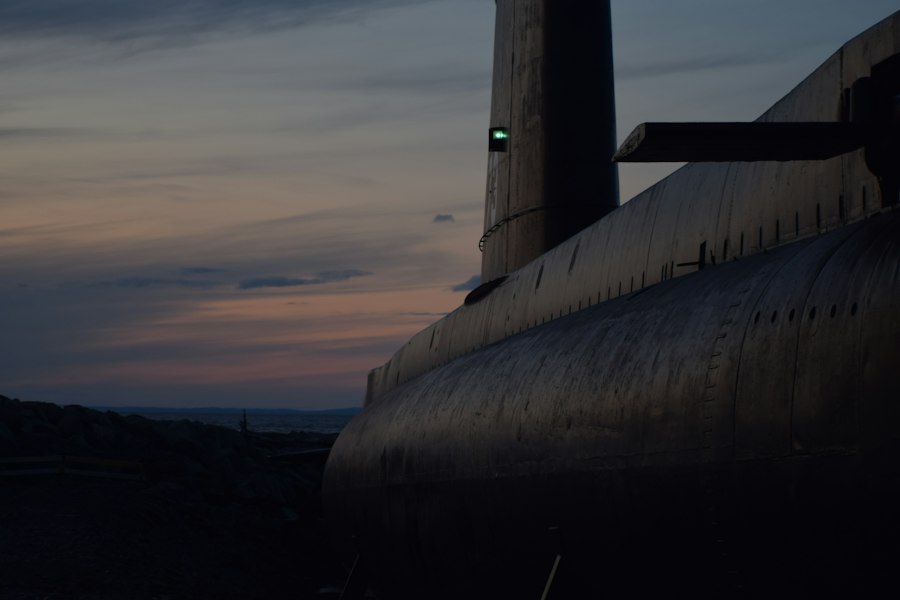
The collision between the USS Voge and the K-22 occurred approximately 100 miles southwest of the island of Crete, a region known for its deep waters and significant maritime traffic. The exact sequence of events that led to the two vessels occupying the same space at the same time is a matter of historical record and analysis. It is widely understood that the K-22, a submarine designed for stealth and operating at depth, was likely engaged in a submerged transit or patrol. The USS Voge, operating on the surface, would have been utilizing its radar and sonar systems to maintain situational awareness. The prevailing theory suggests that an undetected approach by the K-22, possibly due to the limitations of the Voge’s sonar at that specific time or environmental conditions that masked the submarine’s signature, led to the catastrophic overlap.
The impact itself was violent and instantaneous. The K-22, moving at speed beneath the waves, struck the hull of the USS Voge. The force of the collision was immense, tearing into both vessels. For the USS Voge, the damage was immediately apparent. The stern section of the frigate suffered significant structural compromise. Witnesses on board would later describe a sudden, jarring lurch, followed by the terrifying realization that something had gone terribly wrong. Alarms would have blared, and the crew would have scrambled to assess the damage and respond to the unfolding crisis. The K-22, too, sustained severe damage. Submarines, while designed to withstand immense pressure, are not built to withstand direct impact with another large vessel, especially at speed. The bow section of the K-22 was crushed, compromising its watertight integrity.
The immediate aftermath of the collision was a scene of chaos and confusion. Both vessels, crippled and wounded, found themselves locked in a shared peril. The sounds of grinding metal and the groaning of stressed hulls would have filled the air, a stark testament to the violence of the impact. The ocean, so calm moments before, now played host to a desperate struggle for survival. The crews of both the USS Voge and the K-22 were thrust into a terrifying reality, their routine missions abruptly transformed into a fight against the sea and the consequences of a collision that few could have ever anticipated. The suddenness of the event left little time for preventative action, making the ensuing damage and casualties an unavoidable consequence of the unforgiving physics of the encounter.
Immediate Response and Rescue Efforts: A Race Against Time
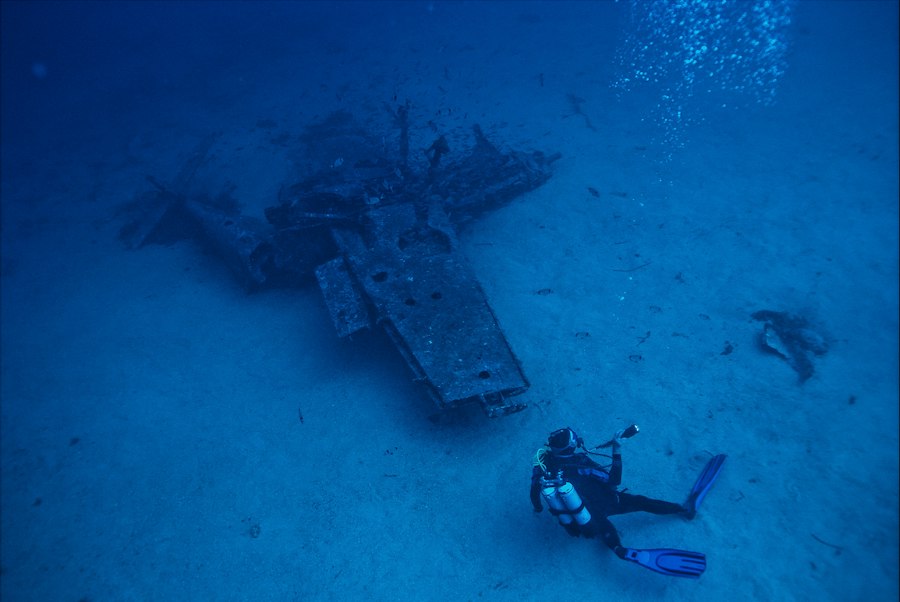
Following the collision, the immediate priority for both crews was survival and damage control. On board the USS Voge, the crew immediately commenced efforts to assess the extent of the damage and mitigate further flooding. Emergency procedures would have been initiated, with damage control teams racing to seal breaches, extinguish fires, and ensure the stability of the vessel. The crew’s training and discipline were put to the ultimate test in these critical moments. The severity of the damage to the Voge’s stern presented a significant challenge, and the possibility of catastrophic failure loomed large.
For the K-22, the situation was arguably more dire. The crushing impact to its bow would have compromised its ability to maintain depth and its overall structural integrity. The crew would have been fighting to keep the submarine afloat and to prevent a rapid descent into the crushing depths of the Mediterranean. The nuclear reactor on board, while designed with multiple safety systems, presented an additional layer of concern in the event of severe damage.
As the initial shock subsided, the focus shifted to external assistance. The USS Voge, despite its injuries, was able to transmit distress signals, alerting other naval assets and civilian vessels in the vicinity. The United States Navy, operating under the umbrella of NATO, had a significant presence in the Mediterranean, and other ships were quickly dispatched to the scene. Rescue efforts were mounted with urgency, a testament to the shared humanity that transcends national rivalries in the face of disaster.
The Soviet Navy, though an adversary in the broader geopolitical context, also responded to the crisis. Information about the collision would have been relayed through naval communication channels, and Soviet vessels were also directed to the location. The rescue operation became a complex, multi-national effort, with the shared goal of saving lives. Ships from both navies, along with any civilian vessels that could offer assistance, converged on the collision site. The logistical challenges of coordinating such an operation, especially in the immediate aftermath of a collision involving vessels from opposing military blocs, were immense. The race against time was on to extricate sailors from damaged vessels and to prevent further loss of life as the wounded ships fought to stay afloat in the unforgiving sea.
The Human Cost: Losses and Legacy
The collision between the USS Voge and the K-22 resulted in a tragic loss of life, a stark reminder of the human cost of military operations, even those conducted without direct hostile intent. While precise casualty figures for the K-22 remain subject to some historical debate due to the classified nature of Soviet naval records, it is understood that the submarine suffered significant losses. The catastrophic damage to the K-22’s bow and the subsequent struggle for survival would have made evacuation incredibly difficult. Sailors trapped within the compromised sections of the submarine faced insurmountable odds.
On board the USS Voge, while the frigate remained afloat and was ultimately towed to safety, the impact was not without casualties. The violence of the collision and the subsequent damage control efforts led to injuries among the crew. The exact number of fatalities and injuries on the USS Voge is a matter of official record, but it is understood that the crew demonstrated remarkable resilience and courage in the face of extreme adversity. The incident served as a profound moment of reflection for all involved, highlighting the inherent risks that sailors face, regardless of nationality.
The legacy of the K-22 collision extends beyond the immediate loss of life. For the United States Navy, the incident provided invaluable lessons in damage control, emergency response, and the importance of maintaining rigorous operational procedures in complex maritime environments. The performance of the USS Voge’s crew under duress was recognized and praised, reinforcing the dedication and professionalism of naval personnel.
For the Soviet Navy, the loss of the K-22 represented a significant setback, particularly given the operational capabilities of their submarine fleet at the time. The incident likely spurred reviews of operational protocols and potentially led to enhancements in submarine design and safety features. The collision also served as a somber reminder of the ever-present dangers of the Cold War at sea, where close encounters and miscalculations could have devastating consequences. The shared experience of tragedy, albeit from opposing sides, fostered a somber sense of commonality among those who served at sea, a silent acknowledgment of the sacrifices made and the profound impact of such events on individuals, crews, and navies.
The recent collision involving the K-22 submarine USS Voge has raised significant concerns about naval safety and operational protocols. This incident highlights the importance of maintaining clear communication and navigation practices among vessels. For further insights into the implications of such maritime accidents, you can read a related article that discusses the broader context of naval operations and safety measures. For more information, check out this detailed analysis.
Repercussions and Naval Lessons: Redefining Vigilance
| Metric | Details |
|---|---|
| Submarine Name | USS Voge (FF-1047) |
| Incident Type | Collision |
| Date of Incident | July 1968 |
| Location | Off the coast of San Diego, California |
| Other Vessel Involved | K-22 (Soviet submarine) |
| Damage to USS Voge | Minor hull damage, no casualties |
| Damage to K-22 | Unknown, presumed minor |
| Cause of Collision | Close-quarters maneuvering during anti-submarine exercises |
| Outcome | Both vessels continued operations after repairs |
The K-22 collision, like many significant maritime incidents, served as a catalyst for re-evaluation and improvement within naval doctrine and operational procedures. The incident triggered thorough investigations by both the United States and Soviet navies. These investigations aimed to understand the precise sequence of events that led to the collision, identify contributing factors, and formulate recommendations to prevent similar occurrences in the future. The inherent risks of conducting operations in close proximity to potentially adversarial vessels, especially when one is submerged and the other on the surface, were brought into sharp relief.
For the United States Navy, the lessons learned from the collision with the K-22 influenced improvements in sonar technology, operational watchstanding procedures, and collision avoidance tactics. The incident underscored the importance of maintaining constant vigilance and the potential for even advanced systems to be susceptible to environmental conditions or sophisticated countermeasures. The role of human judgment and situational awareness in preventing accidents was re-emphasized. The effectiveness of damage control teams and emergency response protocols was also a key area of review, ensuring that crews were adequately trained and equipped to handle catastrophic events.
The Soviet Navy, while operating under a veil of greater secrecy, undoubtedly conducted its own comprehensive review. The loss of a nuclear-powered submarine is a serious matter, and the incident would have prompted a critical assessment of their submarine operating procedures, detection capabilities, and underwater navigation techniques. The vulnerability of even advanced naval platforms to unforeseen circumstances was made abundantly clear.
On a broader geopolitical level, the K-22 collision, while not escalating into a direct military confrontation, served as a stark reminder of the volatile nature of the Cold War. It highlighted the fine line between surveillance and accidental conflict. The incident fostered a degree of caution and perhaps even a subtle shift in how naval forces operated in shared waters, emphasizing the need for clear communication protocols and a greater understanding of the risks involved in close encounters. The memory of the K-22 collision became a cautionary tale, a permanent fixture in naval history that continues to inform training and operational planning, reinforcing the paramount importance of safety and the enduring pursuit of minimizing risk in the challenging and often unforgiving environment of the world’s oceans.
A Soviet Submarine Hit a U.S. Frigate. Was It the Wrong Ship?
FAQs
1. What is the K-22 submarine USS Voge?
The K-22 submarine USS Voge was a United States Navy submarine that served during World War II.
2. When did the collision involving the K-22 submarine USS Voge occur?
The collision involving the K-22 submarine USS Voge occurred on April 26, 1944.
3. Where did the collision involving the K-22 submarine USS Voge take place?
The collision involving the K-22 submarine USS Voge took place off the coast of New London, Connecticut.
4. What was the cause of the collision involving the K-22 submarine USS Voge?
The collision involving the K-22 submarine USS Voge was caused by a navigational error made by the submarine.
5. Were there any casualties as a result of the collision involving the K-22 submarine USS Voge?
Fortunately, there were no casualties as a result of the collision involving the K-22 submarine USS Voge. The crew of the submarine was able to abandon ship safely before it sank.