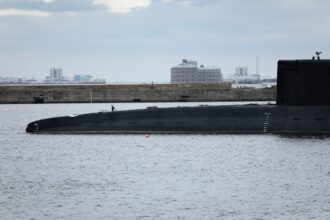
The K-22 submarine, a vessel of significant strategic importance, recently sustained damage following a collision at sea. The incident, which occurred under circumstances still being thoroughly investigated, has raised questions about naval operational safety and the resilience of modern submarine fleets. Initial reports indicate the damage is substantial, prompting concerns about the submarine’s operational status and the broader implications for naval readiness. This article will delve into the details of the collision, the extent of the damage, the immediate aftermath, the potential causes, and the projected impact on naval operations and future submarine development.
Circumstances of the Collision
The precise details surrounding the collision involving the K-22 submarine remain a subject of ongoing inquiry. However, preliminary information suggests the incident took place during a routine patrol or training exercise in a designated operational area. The nature of the encounter, whether with another naval vessel, a commercial ship, or an uncharted submerged object, is crucial to understanding the event’s root cause. Naval authorities have been tight-lipped, citing the sensitive nature of ongoing investigations and the need to avoid premature conclusions.
Location and Environment
The geographical location where the collision occurred is a critical factor. Whether it was in open international waters, a contested maritime zone, or a more restricted area, each scenario presents different variables. The prevailing environmental conditions at the time of the incident – including visibility, sea state, and currents – would have significantly influenced the maneuverability of the vessels involved and the likelihood of such an encounter. If the collision occurred in proximity to known shipping lanes, the involvement of a commercial vessel, even inadvertently, becomes a more plausible scenario. Conversely, operations in remote or less-trafficked areas might point towards an encounter with another military asset, or perhaps an unforeseen seabed hazard. The depth of the water would also play a role in the potential for impact with underwater features.
Type of Vessel Involved
The identity of the other object or vessel involved in the collision is paramount. If it was another naval submarine, the implications are particularly grave, suggesting a potential breakdown in communication protocols or spatial awareness during concurrent operations. An encounter with a surface naval vessel would raise questions about coordination between submarine and surface forces. The possibility of a collision with a commercial or civilian vessel, while perhaps less strategically sensitive in terms of military doctrine, carries significant humanitarian and diplomatic weight, as well as posing a stark reminder of the complexities of maritime traffic management. An uncharted or debris field collision could highlight issues with hydrographic surveys or the presence of unexpected obstructions.
Initial Reports and Eyewitness Accounts
While official statements have been guarded, unofficial reports and potential eyewitness accounts, if any emerge, could offer further insights. These might include details about the immediate sensory experience of the collision – the sounds, the vibrations, and the visual cues available. However, in the often-isolated environment of a submarine, such firsthand accounts from personnel might be limited and heavily influenced by the stress of the event. The initial communication from the K-22 itself, if any was possible, would be crucial in piecing together the sequence of events leading up to and immediately following the impact.
The recent incident involving the K-22 submarine, which sustained significant damage after a collision, has raised concerns about naval safety and operational protocols. For a deeper understanding of the implications of such accidents and the measures that can be taken to prevent them, you can read a related article that discusses the broader context of submarine operations and safety standards. For more information, visit this article.
Assessment of Damage to K-22
The extent and nature of the damage sustained by the K-22 submarine are central to understanding the incident’s severity and the subsequent response. Submarine hulls are designed to withstand immense pressure, but a collision can compromise these robust structures in various ways, leading to a cascade of potential issues. A thorough assessment is critical for determining the feasibility of repairs, the timeline for restoration, and any long-term structural or operational implications.
Hull Integrity and Structural Compromise
The most immediate concern following any collision for a submarine is the integrity of its pressure hull. A breach or significant deformation of the hull could lead to flooding, loss of buoyancy control, and in the worst-case scenario, catastrophic failure. The K-22’s hull is constructed from advanced materials designed for deep-sea operations, but a direct impact could have caused buckling, cracking, or puncture. The type and location of the damage on the hull will dictate the complexity of repairs. For instance, damage near critical systems or weapon compartments would present unique challenges. The depth at which the collision occurred would also magnify the effects of any structural compromise due to increased external pressure.
Damage to External Appendages and Systems
Beyond the primary hull, submarines possess numerous external appendages and systems that are vulnerable to impact. These can include sonar arrays, periscopes, hydroplanes, propeller shafts, and ballast tank vents. Damage to these components can impair the submarine’s operational capabilities, affecting its ability to navigate, detect threats, or maintain stability. For example, damaged sonar arrays would severely hamper its acoustic awareness, while compromised hydroplanes could impede its depth control. The propeller system, if affected, could lead to reduced speed and maneuverability, making the submarine more vulnerable or less effective in its intended roles.
Internal Systems Impact
A collision, even if it doesn’t directly breach the hull, can cause significant internal damage through shockwaves and vibrations. Sensitive electronic equipment, navigation systems, power generation components, and life support systems can be disrupted or rendered inoperable. The shock of impact can dislodge wiring, fracture circuit boards, and cause internal structural failures that might not be immediately apparent. Assessing this internal damage requires detailed inspection of all operational systems, from the control room to the engine room and crew quarters.
Flooding and Ballast System Effects
Any breach in the hull, however small, can lead to flooding. Submarines have sophisticated systems to manage ballast and counter flooding, but a significant influx of water can overwhelm these capabilities. The extent of flooding, its location within the submarine, and the effectiveness of emergency de-flooding procedures are critical factors in the immediate survival and subsequent salvage of the vessel. Damage to ballast tanks themselves could also affect the submarine’s ability to control its buoyancy, making surfacing or diving hazardous.
Immediate Aftermath and Response
The moments and hours following the collision are crucial for the survival of the submarine and its crew, as well as for the initial assessment of the situation. A well-rehearsed emergency response plan is vital in such critical events, aiming to stabilize the vessel, account for personnel, and communicate the situation to higher command.
Emergency Procedures and Crew Actions
Upon impact, the K-22’s crew would have immediately initiated emergency procedures. These typically involve securing the submarine, assessing damage, and attempting to mitigate any immediate threats, such as flooding or loss of power. Crew members would have been trained to respond to various scenarios, prioritizing the safety of life and the integrity of the vessel. This would include actions like sealing off damaged compartments, activating emergency power, and preparing for potential evacuation if necessary. The discipline and training of the crew are paramount in managing the chaos and confusion that inevitably accompany such an event.
Communication and Distress Signals
Establishing communication is a top priority after a collision. The ability of the K-22 to transmit distress signals or communicate its status to other vessels or shore command would have been crucial. Modern submarines are equipped with advanced communication systems, but these can be vulnerable to damage. If communication channels were compromised, the submarine might have been forced to rely on emergency beacons or other less conventional means of signaling for help. The speed and clarity of these communications are vital for coordinating rescue efforts and informing relevant authorities.
Rescue and Salvage Operations
Depending on the severity of the damage and the submarine’s location, immediate rescue and salvage operations may have been initiated. This could involve the deployment of other naval assets, including rescue ships, tugs, and specialized salvage teams. The logistical challenges of operating in open water, potentially in difficult weather conditions, can significantly complicate these efforts. The safety of the rescue crews and the preservation of the submarine, if possible, are primary considerations during these operations.
Initial Damage Assessment and Stabilization
Once the immediate crisis of survival has been managed, the focus shifts to a more detailed assessment of the damage. This often begins with a visual inspection, using remotely operated vehicles (ROVs) if necessary, to understand the extent of the hull breach and damage to external systems. Stabilization efforts would aim to prevent further ingress of water, secure loose components, and make the vessel as safe as possible for transit or further salvage. This initial assessment informs all subsequent decisions regarding the submarine’s future.
Potential Causes of the Collision
Determining the cause of the collision is essential for preventing future incidents and for understanding the broader operational environment in which the K-22 was operating. While investigations are ongoing, several potential factors could have contributed to the event.
Human Error and Procedural Lapses
Human error is a perennial factor in many accidents. In a submarine environment, this could manifest as navigation errors, misjudgment of distances or speeds, failure to adhere to established protocols, or lapses in attention. Fatigue, stress, and the inherent complexities of operating in a three-dimensional, often invisible, underwater domain can all contribute to such errors. Detailed review of watch logs, navigational data, and crew interviews are critical in assessing the role of human factors.
Navigational and Sonar Failures
The reliance on sophisticated navigation and sonar systems means that failures or inaccuracies in these technologies can lead to collisions. Malfunctions in sonar equipment could result in an inability to detect an approaching object. Navigation system errors, whether due to software glitches or sensor malfunctions, could lead to miscalculations of position or trajectory. The operational environment, such as shallow waters or areas with significant underwater terrain, can also present navigational challenges that require exceptional skill and precise system performance.
Environmental Factors and Unforeseen Hazards
The maritime environment can present unexpected hazards. These could include uncharted submerged objects, debris fields from past incidents, or sudden changes in seabed topography. Adverse weather conditions, such as fog or rough seas, can reduce visibility and make navigation more perilous, increasing the risk of collision with surface vessels or other submerged obstacles. Anomalous underwater currents or phenomena could also play a role, though these are less common causes of direct impact.
Interaction with Other Vessels and Unidentified Objects
The K-22 may have collided with another vessel, either naval or commercial. The complexities of international maritime traffic, especially in busy or contested waters, can create a high risk of unintended encounters. The presence of unidentified submerged objects, such as lost fishing gear or unexploded ordnance, can also pose a significant threat to submarines operating at depth. In certain geopolitical climates, the possibility of a deliberate encounter, though less likely in a routine patrol, cannot be entirely discounted without thorough investigation.
The recent incident involving the K-22 submarine, which sustained damage after a collision, has raised significant concerns about naval safety and operational protocols. For a deeper understanding of the implications of such accidents on military readiness and strategic capabilities, you can read a related article that explores these issues in detail. This article provides insights into the challenges faced by modern submarines and the potential consequences of such incidents on international maritime security. To learn more, visit this link.
Impact on Naval Operations and Future Development
| Metric | Details |
|---|---|
| Submarine Name | K-22 |
| Incident Type | Collision |
| Date of Incident | 1961 (exact date varies by source) |
| Location | Barents Sea |
| Damage Description | Severe hull damage, flooding in compartments, compromised pressure hull integrity |
| Casualties | None reported from collision; previous incidents had fatalities |
| Repair Duration | Several months (exact duration not specified) |
| Operational Impact | Submarine taken out of service for repairs; delayed missions |
| Cause of Collision | Navigation error and poor visibility |
The collision and subsequent damage to the K-22 submarine have ramifications that extend beyond the immediate operational status of the vessel. These impacts can influence current naval deployments, future strategic planning, and the ongoing development of submarine technology.
Operational Readiness and Fleet Dispersion
The loss or incapacitation of a submarine like the K-22 can have a noticeable effect on a navy’s overall operational readiness. Depending on the size of the submarine fleet and the specific role of the K-22, its absence could necessitate the redistribution of responsibilities among remaining vessels, potentially impacting the frequency or scope of patrols and exercises. This can create strain on other assets and potentially reduce the overall deterrent posture of the navy. The longer the K-22 is out of service, the more pronounced these effects will become.
Cost of Repair and Resource Allocation
Repairing a modern submarine is an enormously expensive and time-consuming undertaking. The cost can run into millions, if not billions, of dollars, depending on the severity of the damage and the complexity of the repairs required. This significant financial outlay will inevitably impact the defense budget, potentially diverting funds from other crucial areas of military development or procurement. The allocation of specialized personnel and shipyard resources to the K-22’s repair will also have an effect on other ongoing naval projects.
Implications for Future Submarine Design and Technology
Incidents like the K-22 collision provide invaluable, albeit costly, lessons for naval architects and engineers. The findings of the investigation will likely inform future decisions regarding submarine design, materials science, and operational safety systems. There may be a renewed focus on improving collision avoidance technologies, enhancing hull resilience, or developing more robust internal systems that can better withstand shock. The experience could also lead to revisions in training protocols and operational procedures for submarine crews to mitigate the risk of similar future events.
Strategic and Geopolitical Considerations
The damage to a strategic asset like a K-22 submarine can have broader geopolitical implications. It may signal vulnerabilities in a nation’s naval capabilities to adversaries, potentially influencing regional power dynamics. The incident could also spark diplomatic discussions or international reviews of maritime safety regulations and practices, especially if other nations are involved or if the collision occurred in international waters. The perceived strength and reliability of a nation’s submarine fleet are often a significant component of its global influence and deterrent capabilities.
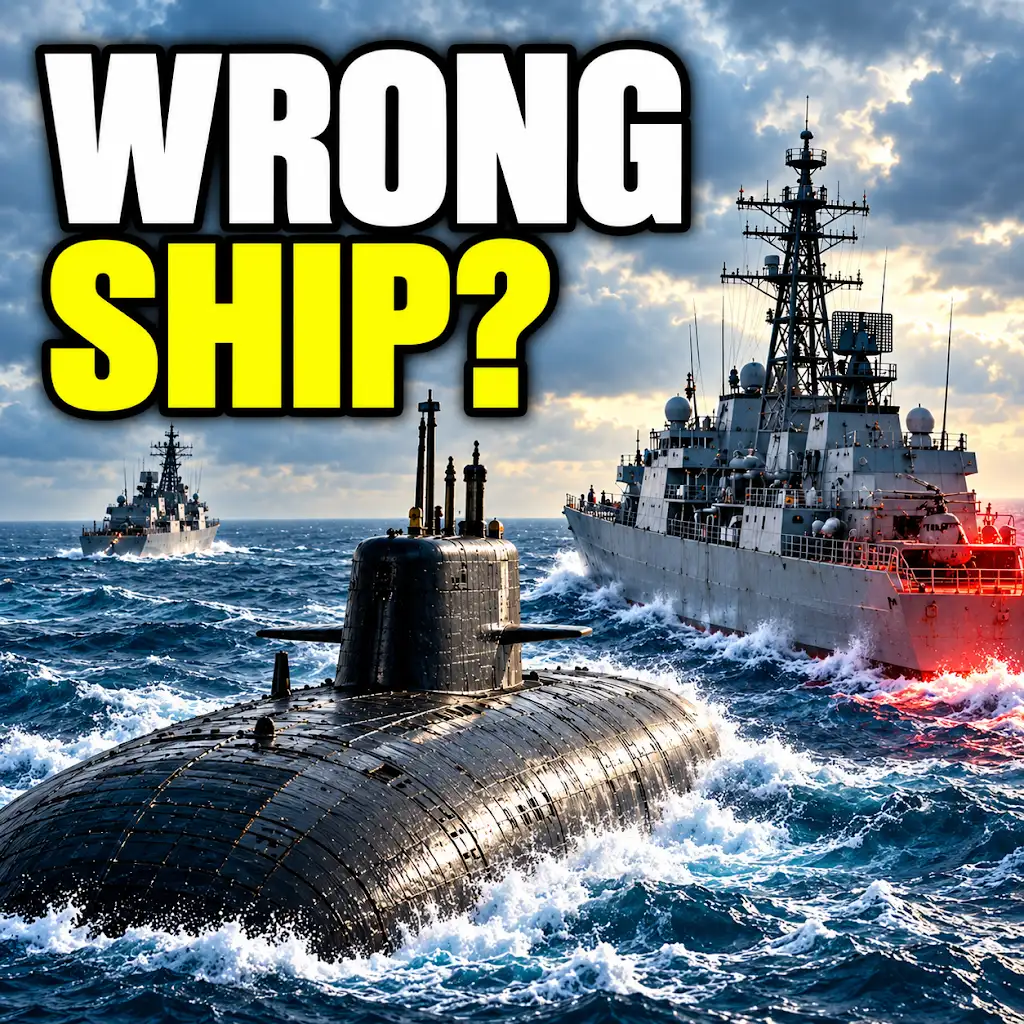
A Soviet Submarine Hit a U.S. Frigate. Was It the Wrong Ship?
FAQs
What caused the collision involving the K-22 submarine?
The collision involving the K-22 submarine was caused by a navigational error on the part of the submarine crew, leading to a collision with another vessel.
What type of damage did the K-22 submarine sustain in the collision?
The K-22 submarine sustained significant damage to its hull, resulting in breaches that led to flooding in certain compartments of the submarine.
Were there any injuries reported as a result of the collision involving the K-22 submarine?
Fortunately, there were no injuries reported among the crew members of the K-22 submarine or the crew of the other vessel involved in the collision.
What measures are being taken to repair the damage to the K-22 submarine?
Efforts are underway to assess the extent of the damage to the K-22 submarine and develop a plan for repairs, which may involve dry-docking the submarine for extensive repairs.
Has the collision involving the K-22 submarine raised concerns about naval safety protocols?
Yes, the collision has raised concerns about naval safety protocols and the need for enhanced training and procedures to prevent similar incidents in the future.