
JSOC’s Theater Responsibility: Iraq & Afghanistan
The Joint Special Operations Command (JSOC) stands as a shadowy but indispensable element within the United States military, tasked with the nation’s most sensitive and complex counterterrorism operations. While its precise capabilities and deployments remain largely classified, understanding its role in theaters like Iraq and Afghanistan is crucial to grasping the evolution of modern warfare and the enduring challenges of combating transnational threats. JSOC’s responsibility in these regions was not merely tactical; it encompassed strategic influence, intelligence dominance, and the persistent pursuit of elusive enemy leadership. This article delves into the multifaceted responsibilities JSOC undertook in Iraq and Afghanistan, examining the unique operational environments, the challenges faced, and the enduring impact of its presence.
The attacks of September 11, 2001, fundamentally reshaped the United States’ national security priorities, igniting a global “War on Terror.” For JSOC, this event served as a powerful catalyst, transforming its operational tempo and its strategic significance. Prior to 9/11, JSOC’s operations, while highly specialized, were often episodic and focused on specific threats. The advent of the War on Terror, however, necessitated a sustained, long-term commitment to actively degrading terrorist organizations and preventing future attacks. Iraq and Afghanistan, as primary theaters of this conflict, became focal points for JSOC’s unique capabilities.
The Strategic Imperative: Eliminating and Disrupting Terrorist Networks
The core mandate of JSOC in both Iraq and Afghanistan was the elimination or severe disruption of terrorist networks that posed a direct threat to the United States and its allies. This was not a generalized counterinsurgency effort, but a highly targeted approach focused on individuals and their immediate support structures. The goal was to decapitate enemy leadership, dismantle their operational capabilities, and deny them safe havens from which to plan and execute attacks.
The Al-Qaeda Threat in Afghanistan
Following the 9/11 attacks, Afghanistan immediately became a primary theater for JSOC. Al-Qaeda, under the leadership of Osama bin Laden, had established a significant presence in the country, utilizing its porous borders and Taliban patronage to train, equip, and plan terrorist operations. JSOC units were instrumental in the initial invasion and subsequent efforts to hunt down al-Qaeda leadership and operatives. The mountainous terrain and decentralized nature of al-Qaeda’s operations presented immense challenges, requiring a blend of clandestine insertion, meticulous intelligence gathering, and rapid-strike capabilities. The pursuit of bin Laden himself, a years-long endeavor, epitomized the persistence and dedication required by JSOC.
The Rise of Insurgency and Al-Qaeda in Iraq
The invasion of Iraq in 2003, while initially focused on regime change, quickly became another critical battleground for JSOC. While the initial primary adversary was Saddam Hussein’s regime, the subsequent power vacuum and sectarian tensions provided fertile ground for the emergence of a complex insurgency. Al-Qaeda in Iraq (AQI), led by figures like Abu Musab al-Zarqawi, rapidly evolved into a potent force, employing brutal tactics and seeking to destabilize the country. JSOC’s role shifted to confronting this evolving threat, targeting not only AQI but also other insurgent factions that exhibited transnational terrorist ambitions. The urban environments, the proliferation of improvised explosive devices (IEDs), and the constant threat of ambushes characterized the operational landscape.
The Joint Special Operations Command (JSOC) has played a pivotal role in coordinating military operations in both Iraq and Afghanistan, focusing on counterterrorism and special operations. For a deeper understanding of the complexities and challenges faced by JSOC in these theaters, you can explore a related article that discusses the strategic implications and operational tactics employed during these conflicts. To read more, visit this article.
The Evolution of JSOC’s Operational Framework
JSOC’s effectiveness in Iraq and Afghanistan was not static. It was a product of continuous adaptation, learning, and refinement of its operational doctrine and capabilities. The challenges posed by these theaters forced a significant evolution in how special operations forces conducted their missions, emphasizing intelligence dominance, technological integration, and cross-agency collaboration.
Intelligence-Driven Operations: The Cornerstone of Success
Perhaps the most significant evolution in JSOC’s operations was its relentless pursuit of intelligence dominance. In both Iraq and Afghanistan, the ability to identify, locate, and understand enemy networks was paramount. JSOC units relied heavily on a sophisticated intelligence apparatus, comprising human intelligence (HUMINT) gathered by clandestine operatives, signals intelligence (SIGINT) from electronic intercepts, and imagery intelligence (IMINT) from aerial surveillance. This intelligence was not merely collected; it was fused, analyzed, and disseminated rapidly to inform targeting decisions.
HUMINT and the Human Element
Human intelligence played a critical role in understanding the intricate social and tribal dynamics that underpinned insurgencies in both countries. JSOC operators and intelligence specialists worked to cultivate sources within local populations, often at great personal risk. These sources provided invaluable insights into enemy movements, plans, and leadership structures, enabling precision strikes and the disruption of enemy networks before they could achieve their objectives. The ability to build trust and rapport in often hostile environments was a testament to the dedication and skill of these individuals.
SIGINT and the Digital Footprint
In the modern era, the digital footprint of terrorist organizations became an increasingly important source of intelligence. JSOC invested heavily in SIGINT capabilities, utilizing advanced technology to intercept communications, track digital activity, and identify patterns of behavior. This intelligence was crucial for pinpointing the locations of key individuals, understanding their networks of communication, and anticipating their next moves. The constant battle to stay ahead of adversaries who were also seeking to exploit communication channels was a defining characteristic of the intelligence war.
IMINT and Persistent Surveillance
Aerial surveillance, both manned and unmanned, provided persistent observation of key areas of interest. Drones and other aerial platforms allowed JSOC to monitor enemy activities, track movements, and identify targets with a high degree of precision. This constant overhead presence also served as a deterrent and provided real-time situational awareness for ground forces. The ability to collect detailed imagery of operational areas, identify anomalies, and track enemy movements was indispensable.
Technological Integration: Enhancing Precision and Reach
JSOC’s operational success was inextricably linked to its embrace and integration of cutting-edge technology. From advanced communication systems that ensured seamless coordination across vast distances to sophisticated targeting systems that minimized collateral damage, technology served as a force multiplier.
Advanced Communication and Situational Awareness
Maintaining secure and reliable communication in challenging environments was critical. JSOC units utilized a range of advanced communication technologies, including satellite communications, encrypted radios, and secure data links, to maintain command and control and share critical information in real-time. This ensured that units could coordinate complex operations, receive updated intelligence, and respond rapidly to changing circumstances, enhancing situational awareness for all involved.
Precision Targeting Systems and Minimizing Collateral Damage
The emphasis on precision targeting was a hallmark of JSOC operations. The use of advanced targeting pods on aircraft, guided munitions, and sophisticated targeting software allowed for the precise engagement of enemy combatants, significantly reducing the risk of civilian casualties and collateral damage. This was not only a strategic imperative to maintain local support and avoid alienating populations but also a moral and ethical consideration. The ability to discriminate between combatants and non-combatants in complex urban environments was crucial.
Unmanned Aerial Vehicles (UAVs) and Persistent ISR
The proliferation of Unmanned Aerial Vehicles (UAVs), ranging from small, tactical drones to larger, more sophisticated platforms, revolutionized Intelligence, Surveillance, and Reconnaissance (ISR) capabilities. JSOC units effectively employed UAVs for persistent surveillance of enemy strongholds, tracking of high-value targets, and providing real-time video feeds to ground commanders. This extended the eyes and ears of JSOC into areas that would have been previously inaccessible or too dangerous to monitor.
The Human Element: Elite Operators and Their Challenges
Beyond technology and intelligence, the success of JSOC operations ultimately rested on the shoulders of its highly trained and dedicated operators. These individuals, drawn from various special operations components, underwent rigorous selection and training processes, equipping them with the skills and mental fortitude necessary for the most demanding missions.
The Joint Special Operations Command (JSOC) has played a crucial role in theater responsibilities across Iraq and Afghanistan, significantly influencing the outcomes of various military operations. For a deeper understanding of JSOC’s strategic impact and its operational dynamics, you can explore a related article that delves into these topics in detail. This insightful piece can be found at In the War Room, where it discusses the complexities and challenges faced by JSOC in these conflict zones.
Elite Unit Selection and Training Regimens
The operators of JSOC units like Delta Force and SEAL Team Six are among the most highly trained and capable soldiers in the world. Their selection processes are notoriously difficult, weeding out all but the most physically and mentally resilient individuals. The subsequent training regimens are equally demanding, encompassing advanced combat skills, specialized weapons proficiency, intelligence gathering techniques, and extreme environmental survival. This constant state of preparedness ensured they could operate effectively in any scenario.
The Psychological and Physical Toll
The sustained operations in Iraq and Afghanistan exacted a significant psychological and physical toll on JSOC operators. The constant exposure to combat, the high-stakes nature of their missions, and the prolonged deployments created immense stress. The challenges of operating in unfamiliar and often hostile environments, coupled with the moral complexities of counterterrorism warfare, required exceptional resilience. Issues of post-traumatic stress, moral injury, and the difficulty of reintegration into civilian life became significant concerns.
Adaptability and Resilience in Dynamic Environments
The operational environments in Iraq and Afghanistan were constantly evolving. Insurgent tactics shifted, enemy leadership adapted, and the political landscape changed. JSOC operators demonstrated an extraordinary capacity for adaptability and resilience, constantly learning from their experiences and refining their approaches. This ability to adjust to unforeseen circumstances and overcome unexpected obstacles was critical to their continued success.
Strategic Implications and Enduring Legacy
JSOC’s involvement in Iraq and Afghanistan had profound strategic implications, shaping the trajectory of the War on Terror and influencing global counterterrorism strategies. Its successes, while often unacknowledged publicly, contributed to the degradation of key terrorist organizations and prevented numerous attacks. However, its operations also raised complex ethical and legal questions.
Decapitation Strikes and Their Impact
The frequent use of “decapitation strikes” – operations aimed at eliminating or capturing high-value terrorist leaders – was a signature JSOC tactic. While these strikes often disrupted immediate enemy operations and instilled fear within their ranks, their long-term effectiveness in eradicating ideologies or preventing the rise of new leaders remained a subject of debate. The ability to kill or capture an individual did not always translate to the permanent destruction of the threat.
The Interplay with Counterinsurgency and Nation-Building
JSOC’s operations often occurred in parallel with broader counterinsurgency and nation-building efforts. While JSOC focused on the precise elimination of terrorist threats, the success of these efforts was ultimately dependent on broader political, economic, and social stability. The complex interplay between targeted direct action and the more protracted efforts to build stable governance and win hearts and minds remained a persistent challenge.
Ethical and Legal Considerations
The clandestine nature of JSOC operations, coupled with the high stakes involved, inevitably raised ethical and legal questions. Issues surrounding the use of lethal force, the treatment of detainees, and the extent of executive authority in authorizing operations became subjects of intense scrutiny. Navigating these complex issues while achieving operational objectives was a constant challenge.
The Enduring Model for Future Operations
The lessons learned and the capabilities honed by JSOC in Iraq and Afghanistan have undoubtedly shaped its role in subsequent counterterrorism operations around the globe. The emphasis on intelligence-driven precision, technological integration, and the deployment of elite, highly trained units has become a model for addressing asymmetric threats in the 21st century. JSOC’s experience in these two protracted conflicts serves as a case study in the enduring challenges and evolving methodologies of modern warfare.
In conclusion, JSOC’s responsibility in Iraq and Afghanistan was a multifaceted endeavor characterized by relentless pursuit of elusive enemies, a deep reliance on intelligence, and the deployment of highly specialized operators. These theaters served as crucibles for the evolution of modern special operations, forging capabilities and strategies that continue to define the United States’ approach to confronting global threats. The legacy of JSOC’s involvement in these complex and challenging regions is one of both significant achievement and ongoing questions about the enduring nature of conflict and the optimal pathways to lasting security.
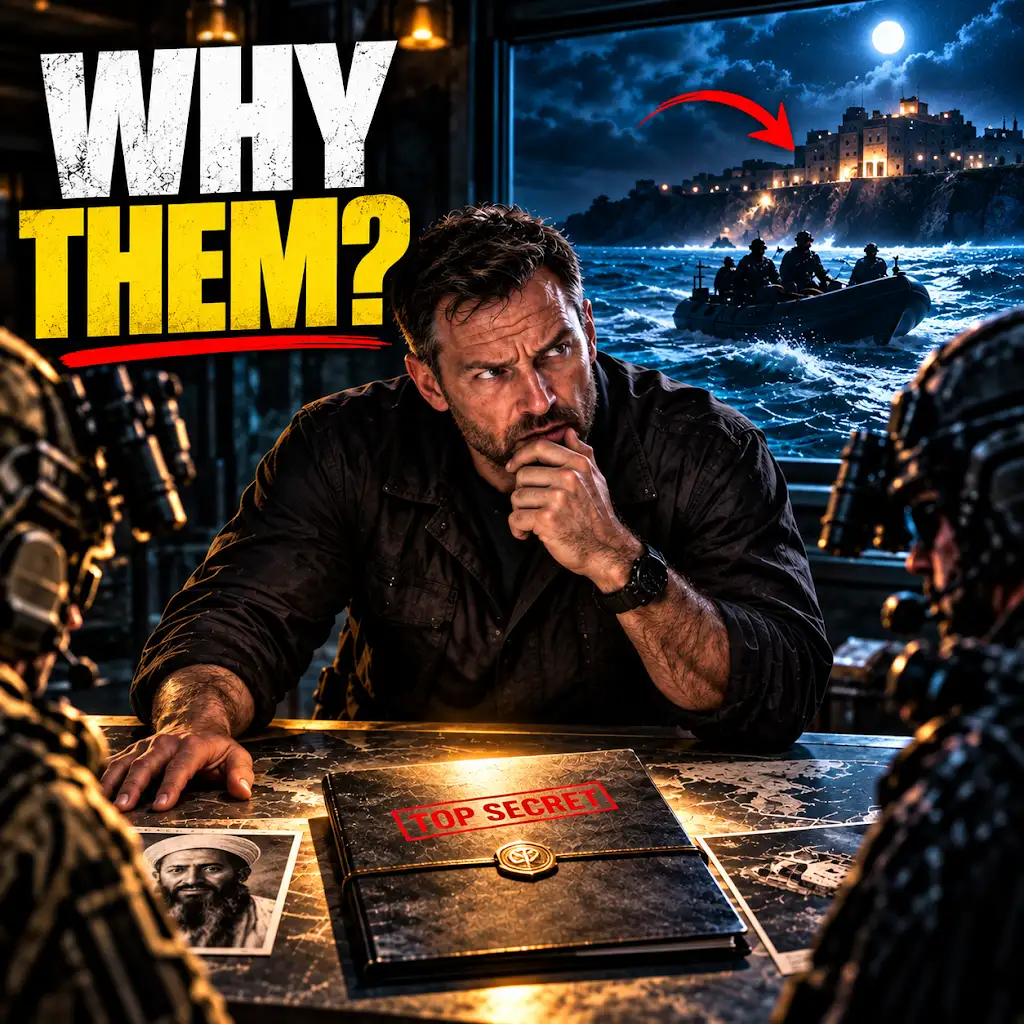
Why SEAL Team Six Got the Bin Laden Raid — Not Delta Force
FAQs
What is JSOC’s theater responsibility in Iraq and Afghanistan?
JSOC, or Joint Special Operations Command, is responsible for overseeing special operations forces in the Middle East, including Iraq and Afghanistan. They conduct highly classified and sensitive missions to target and eliminate high-value targets in the region.
What types of missions does JSOC carry out in Iraq and Afghanistan?
JSOC conducts a variety of missions in Iraq and Afghanistan, including direct action operations, special reconnaissance, counterterrorism operations, and hostage rescue missions. They work closely with other special operations forces and intelligence agencies to achieve their objectives.
How does JSOC coordinate with other military branches in the region?
JSOC works closely with other military branches, such as the Army, Navy, Air Force, and Marine Corps, to coordinate and execute missions in Iraq and Afghanistan. They often collaborate with conventional forces to achieve strategic objectives and maintain operational effectiveness.
What is the significance of JSOC’s presence in Iraq and Afghanistan?
JSOC plays a crucial role in the fight against terrorism in Iraq and Afghanistan by targeting and eliminating high-value individuals who pose a threat to national security. Their operations help disrupt terrorist networks and prevent future attacks in the region.
How does JSOC’s theater responsibility impact the overall security situation in Iraq and Afghanistan?
JSOC’s presence in Iraq and Afghanistan contributes to the overall security situation by conducting targeted operations against terrorist organizations and insurgent groups. Their efforts help weaken enemy forces and enhance stability in the region.