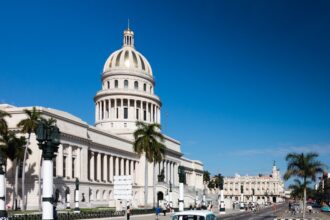
John F. Kennedy and Operation Northwoods: A Shadow of Suspicion
The annals of American history are replete with tales of heroism, pivotal decisions, and moments that shaped the nation’s destiny. Among these, the presidency of John F. Kennedy stands out as a period of immense hope and significant international tension. While Kennedy is widely remembered for his charisma, his commitment to civil rights, and his handling of the Cuban Missile Crisis, a darker, more unsettling aspect of his presidency has continued to surface in historical discourse: the chilling specter of Operation Northwoods. This proposed series of false-flag terrorist attacks, conceived by the U.S. military, aimed to provoke public outcry and justify military intervention in Cuba. The very existence of such a plan, and its proximity to a presidency as iconic as Kennedy’s, has fueled enduring speculation and debate about the president’s knowledge and potential involvement.
The early 1960s were defined by the pervasive shadow of the Cold War. The ideological struggle between the United States and the Soviet Union permeated global politics, creating an atmosphere of paranoia and a constant threat of nuclear annihilation. Within this volatile landscape, the Cuban Revolution of 1959, led by Fidel Castro, represented a significant strategic and ideological blow to American interests. Cuba’s proximity to the United States, coupled with its embrace of communism and its burgeoning alliance with the Soviet Union, was viewed as an unacceptable threat to national security by many in the American establishment.
The Bay of Pigs Fiasco: A Catalyst for Extreme Measures
The failed Bay of Pigs invasion in April 1961, orchestrated by the Kennedy administration, only served to exacerbate these fears and fueled a sense of urgency within the U.S. military and intelligence apparatus. The disastrous outcome of this operation, which aimed to overthrow Castro’s regime with a CIA-backed invasion of Cuban exiles, was a profound embarrassment for Kennedy and highlighted the complex and dangerous situation in Cuba. It demonstrated the difficulty of dislodging Castro through conventional means and, for some, seemingly narrowed the options for dealing with the perceived Cuban threat.
The Escalating Rhetoric and Public Opinion
Following the Bay of Pigs, the rhetoric surrounding Cuba became increasingly bellicose. Proponents of a more aggressive stance argued that Castro’s regime, with Soviet backing, posed a direct and imminent danger to the United States. They believed that public opinion needed to be galvanized against Cuba to garner support for decisive military action. This climate of fear and urgency, where perceived threats were amplified and presented as existential, laid the groundwork for the audacious and morally reprehensible proposals that would come to be known as Operation Northwoods. The question that lingers is whether this pressure cooker environment also led to the consideration of truly extreme and clandestine measures, even those that would fundamentally violate American principles.
John F. Kennedy’s Operation Northwoods remains a controversial topic in American history, highlighting the lengths to which the government considered going to justify military action against Cuba. For those interested in exploring more about covert operations and their implications, a related article can be found at In the War Room, which delves into various military strategies and the ethical dilemmas surrounding them. This resource provides a broader context for understanding the complexities of U.S. foreign policy during the Cold War era.
Operation Northwoods: A Blueprint for Deception
Operation Northwoods, officially documented in a top-secret memorandum from the Joint Chiefs of Staff dated March 13, 1962, was a chillingly detailed proposal to stage a series of violent incidents, blamed on Cuba, to justify a full-scale invasion of the island. The plan was not merely theoretical; it outlined specific scenarios, target locations, and even suggested casualty figures to maximize public outrage. The document, declassified in 1997, sent shockwaves through historical circles, raising profound questions about the moral compass of some within the U.S. military and, crucially, the extent of President Kennedy’s awareness or tacit approval.
The Proposed Terrorist Acts: A Spectrum of Deception
The proposed operations within Northwoods were diverse and designed to inflict a range of psychological and physical damage. These included:
Hijacking Civilian Aircraft: A Familiar Scenario
One of the more disturbing proposals involved hijacking commercial airliners bound for Cuba, or even those already in flight, and then crashing them into a U.S. city or into the ocean. The perpetrators would be framed as Cuban terrorists, creating a narrative of Cuban aggression against innocent civilians. The inherent barbarity of this idea, targeting unarmed passengers, underscores the extreme lengths to which the planners were willing to go.
Harbor Incidents and Sabotage: Creating Instability
Another facet of Operation Northwoods involved orchestrating attacks on U.S. naval facilities and even civilian shipping. The idea was to create an impression of Cuban hostility and an intent to disrupt vital American interests. This could include sabotaging ships, staging explosions in harbors, and generally creating an atmosphere of chaos and insecurity in the waters surrounding Cuba.
“Remember the Maine” Redux: Fabricating Justifications
The planners even suggested fabricating evidence of Cuban attacks on U.S. soil, drawing a parallel to the sinking of the USS Maine in 1898, which served as a pretext for the Spanish-American War. This involved staging incidents that could be definitively blamed on Cuba, such as planting bombs in Cuban-American communities or even assassinating Cuban émigrés and blaming the Cuban government. The goal was to create undeniable proof of Cuban aggression that would leave the American public with no other option but to demand military retaliation.
Propaganda and Public Opinion Manipulation: Shaping the Narrative
Crucially, Operation Northwoods was not just about physical acts of terror; it was also a sophisticated plan for propaganda and public opinion manipulation. The document explicitly discussed the need to disseminate false information, control media narratives, and ensure that the public unequivocally viewed Cuba as the aggressor. This foresight into shaping public perception highlights the calculated and strategic nature of the proposed deception.
The Unanswered Question: Did Kennedy Know?
The most contentious aspect of Operation Northwoods revolves around the question of President Kennedy’s awareness and potential authorization of such a plan. The memorandum was addressed to the Secretary of Defense and the Chairman of the Joint Chiefs of Staff, indicating a chain of command that would typically involve presidential notification for such significant and morally fraught proposals. However, the declassified documents do not contain explicit evidence of Kennedy’s direct approval or even his knowledge of the specific proposals within Northwoods.
The Chain of Command and Presidential Oversight
The Joint Chiefs of Staff were a powerful body within the U.S. military, and their recommendations carried significant weight. However, any proposed military action, especially one involving the staging of terrorist attacks against its own population or allies, would invariably require the highest level of presidential approval. The fact that the plan was conceived and documented by the Joint Chiefs suggests a serious consideration of its implementation, and the absence of explicit presidential endorsement leaves a critical void in the historical narrative.
Operation Northwoods is a fascinating yet controversial topic in the history of U.S. military strategy, highlighting the lengths to which some officials were willing to go to justify military action. For those interested in exploring this further, a related article can provide additional insights into the broader implications of such operations and the ethical considerations involved. You can read more about these themes in the article found here.
The “Rejection” of the Plan: Ambiguity and Interpretation
The memorandum does note that the proposals were considered and, ultimately, rejected by Secretary of Defense Robert McNamara. However, the nature of this rejection remains a subject of debate. Some historians argue that McNamara’s rejection was a definitive act that prevented the plan from ever reaching Kennedy. Others suggest that the rejection might have been more nuanced, perhaps an indication that the specific proposals were deemed too risky or lacked sufficient justification at that particular moment, leaving open the possibility that variations or similar strategies might have been explored at higher levels. The wording used in the documents often invites multiple interpretations, fueling the ongoing debate.
The Silent Acceptance of a Dangerous Idea?
The possibility that President Kennedy might have been aware of, or even implicitly condoned, such a plan is deeply unsettling. Given his reputation as a leader who championed American values and international diplomacy, the notion of his sanctioning a false-flag operation seems incongruous. However, the extreme pressures of the Cold War, the perceived existential threat from Cuba, and the desire for decisive action could have, in the eyes of some within his administration, justified extraordinary measures. The absence of direct evidence of Kennedy’s personal involvement does not, for some, entirely absolve him from scrutiny. It could be argued that the mere existence of such a proposal within the upper echelms of the military, and its subsequent consideration, speaks to a broader climate of willingness to consider extreme options, a climate that a president ultimately presides over.
The Legacy of Suspicion: Enduring Questions and Historical Scrutiny

The declassification of Operation Northwoods has irrevocably altered the historical understanding of the early 1960s and the Kennedy administration. It has introduced a layer of deep suspicion and fueled a persistent debate about the true nature of decision-making during this turbulent period. The very thought that the U.S. government would consider orchestrating terrorist attacks against its own citizens to justify war is a profound indictment of the Cold War mentality and the lengths to which national security concerns could drive policy.
The Erosion of Trust and the Power of Conspiracy Theories
The revelations of Operation Northwoods have contributed to a broader erosion of public trust in government institutions. The idea that powerful entities might engage in such deceptive and dangerous practices can feed into more generalized conspiracy theories. While it is crucial to distinguish between documented events and unfounded speculation, the existence of Operation Northwoods provides a tangible, albeit disturbing, basis for questioning official narratives. It serves as a stark reminder of the importance of transparency and accountability.
The Morality of State-Sponsored Deception
Beyond the question of Kennedy’s involvement, Operation Northwoods raises fundamental questions about the ethics of state-sponsored deception and the limits of legitimate government action. The plan represents a profound violation of democratic principles and human rights. The idea of sacrificing innocent lives for political gain is a morally abhorrent concept, and the fact that it was seriously contemplated within the U.S. military is a stark reminder of the potential for unchecked power to lead to dangerous extremes.
The Importance of Historical Scrutiny
The enduring fascination with Operation Northwoods underscores the critical importance of ongoing historical scrutiny. By declassifying documents and fostering open debate, historians can continue to shed light on the complexities of past events, even those that are uncomfortable or disturbing. The revelations of Operation Northwoods serve as a vital lesson, urging future generations to remain vigilant, to question authority, and to hold those in power accountable for their actions, especially when the stakes involve the lives and trust of the people they serve. The shadow of Operation Northwoods continues to cast a long, cautionary light on a pivotal moment in American history.
The Pentagon Plan to Fake an Attack on America—and Blame Cuba
FAQs
What was Operation Northwoods?
Operation Northwoods was a proposed false flag operation by the U.S. Department of Defense in 1962. The plan involved staging terrorist attacks on U.S. soil and blaming them on Cuba in order to justify military intervention.
Was Operation Northwoods approved and carried out?
No, Operation Northwoods was never approved or carried out. President John F. Kennedy and his administration ultimately rejected the plan.
What were some of the proposed actions in Operation Northwoods?
The proposed actions in Operation Northwoods included hijacking planes, sinking boats, and orchestrating bombings and shootings in U.S. cities. These actions were intended to create a pretext for military intervention in Cuba.
How did Operation Northwoods come to light?
Operation Northwoods was declassified and made public in 1997 as part of a release of documents related to the assassination of President Kennedy. The plan was included in a collection of papers known as the “JFK files.”
What was the significance of Operation Northwoods?
Operation Northwoods is significant as a historical example of the lengths to which some officials were willing to go in order to justify military action. It also sheds light on the political climate and tensions during the Cold War era.