The morning of December 7th, 1941, dawned like any other in the Hawaiian Islands. The air, usually crisp and clean, would soon be filled with the acrid smell of gunpowder and the roar of engines. For the Empire of Japan, this day was meant to be a decisive blow, a swift and devastating strike that would cripple the American Pacific Fleet and pave the way for Japanese expansion across Southeast Asia and the Pacific. Yet, in the annals of military history, Pearl Harbor is often cited not just as a stunning tactical success for Japan, but as a monumental strategic blunder – a missed opportunity that ultimately contributed to the Empire’s downfall.
The Japanese decision to attack Pearl Harbor was not born out of rashness, but from a complex interplay of geopolitical pressures, resource anxieties, and a deeply ingrained military doctrine that prioritized decisive, offensive action. By the late 1930s and early 1940s, Japan found itself increasingly isolated on the world stage. Its aggressive expansion into China, fueled by a desperate need for raw materials and a belief in its imperial destiny, had drawn the ire of Western powers, particularly the United States.
The Resource Hunger of an Island Nation
Japan, a densely populated archipelago, possessed few of the natural resources vital for a modern industrial economy. Its ambition to become a dominant global power was intrinsically linked to its ability to secure access to oil, rubber, tin, and other essential commodities. The Dutch East Indies (modern-day Indonesia) were a prime target, promising vast reserves of oil. However, any move southward would inevitably bring Japan into direct conflict with the United States, which had its own strategic interests in the Pacific and relied on trade with Southeast Asia.
The Oil Embargo and Economic Strangulation
In response to Japan’s continued aggression in China and its perceived expansionist ambitions, the United States, along with Britain and the Netherlands, imposed a crippling oil embargo in July 1941. This act, intended to curb Japan’s military capabilities, was seen by Tokyo as an existential threat. Japan’s navy, in particular, was heavily reliant on oil, and its existing reserves were estimated to last only a few years. This economic pressure intensified the debate within Japan’s leadership about the necessity of a preemptive strike. The belief grew that war was inevitable, and delaying it would only weaken Japan’s position further.
The “Decisive Battle” Doctrine: A Gamble on Blitzkrieg
The Imperial Japanese Navy, heavily influenced by the theories of Alfred Thayer Mahan and the success of the German Blitzkrieg, operated under a doctrine of “decisive battle.” This strategy emphasized the importance of a single, overwhelming offensive blow that would cripple the enemy’s main fleet, forcing them to sue for peace on favorable terms. Admiral Isoroku Yamamoto, the architect of the Pearl Harbor attack, was a firm believer in this doctrine. He understood that Japan’s industrial capacity and resources were no match for those of the United States in a prolonged conflict. Therefore, the attack on Pearl Harbor was conceived as the decisive blow necessary to achieve victory before America could fully mobilize its immense war-making potential.
The Psychological Warfare Component
Beyond the purely military objectives, the attack was also intended to have a significant psychological impact. Japan hoped that a swift and shocking victory would demoralize the American public and government, perhaps leading to a negotiated settlement that would allow Japan to maintain its gains. The surprise element was paramount to achieving this, aiming to catch the Americans completely off guard and unprepared to retaliate effectively.
The attack on Pearl Harbor on December 7, 1941, marked a pivotal moment in World War II, but Japan’s strategic miscalculations during this operation have been the subject of extensive analysis. For a deeper understanding of what Japan overlooked in their planning and execution, you can read a related article that explores these critical errors and their implications for the war. Check it out here: What Japan Missed at Pearl Harbor.
The Tactical Triumph, The Strategic Void
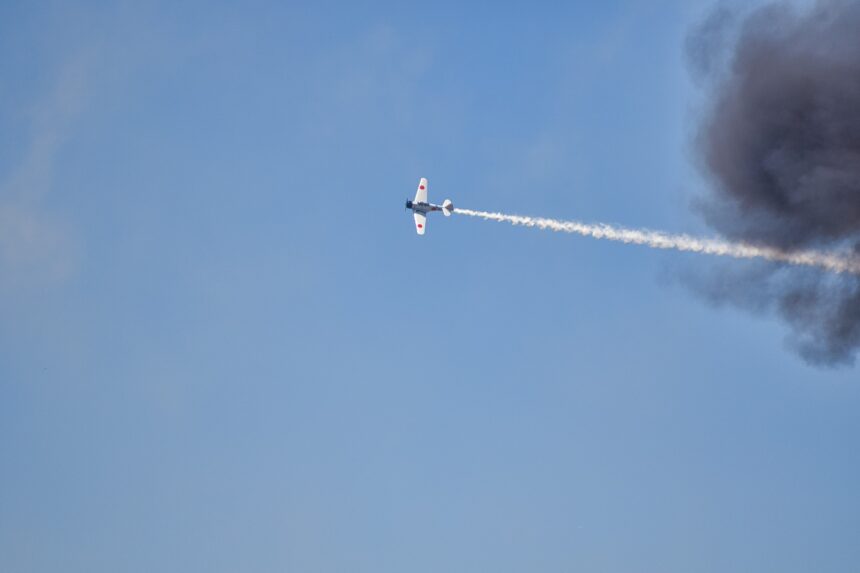
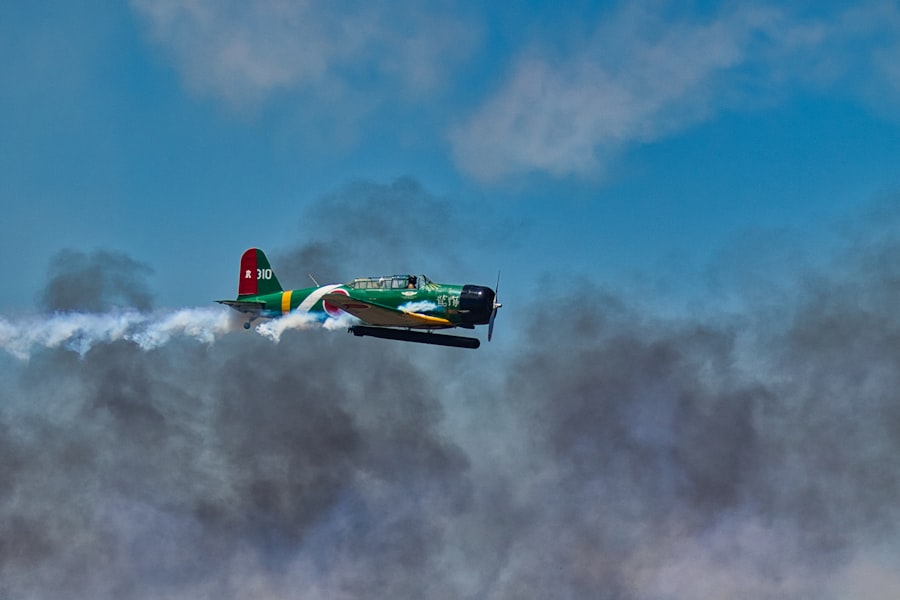
The attack on Pearl Harbor was, in many respects, a stunning tactical success. On December 7th, 1941, Japanese naval aviation, launched from six aircraft carriers, launched a devastating surprise assault on the U.S. Pacific Fleet anchored at Pearl Harbor, Hawaii. The meticulously planned raid achieved near-total surprise, catching the American forces completely unprepared.
The Devastation of the Battleship Fleet
In the space of a few hours, the Japanese attackers inflicted catastrophic damage on the U.S. Pacific Fleet. Eight U.S. Navy battleships were damaged, with four sunk. The USS Arizona, in particular, was destroyed in a massive explosion, becoming a tomb for over 1,100 sailors. Numerous other vessels, including cruisers, destroyers, and auxiliary ships, were also damaged or sunk. The airfields on Oahu were also targeted, destroying hundreds of American aircraft on the ground, further hampering any immediate retaliatory capability.
The Symbolism of the Attack
The destruction of the U.S. Pacific Fleet was a profound shock to the American nation. Pearl Harbor, a symbol of American naval power, was left in ruins. The loss of life was immense, and the sheer audacity of the attack galvanized public opinion. For Japan, it was a moment of immense national pride, a testament to the skill and bravery of its armed forces.
The Unintended Consequences: Uniting a Nation
While the tactical victory was undeniable, the strategic repercussions were far-reaching and ultimately detrimental to Japan’s long-term goals. The surprise attack, rather than demoralizing the United States, had the opposite effect. It served as a powerful unifying force, galvanizing American public opinion and solidifying support for war. The isolationist sentiment that had previously been a significant force in American politics evaporated overnight.
The “Day of Infamy” and the Declaration of War
President Franklin D. Roosevelt famously declared December 7th, 1941, a “date which will live in infamy.” The following day, the United States formally declared war on Japan, officially entering World War II. This was precisely what Japan sought to avoid – direct, all-out war with the industrial might of the United States. The attack, intended to buy Japan time and cripple American power, instead plunged the nation into a total war it was now fully committed to winning.
The Missed Targets: Strategic Blunders Within the Tactical Success

While the Japanese attack inflicted immense damage, it failed to achieve several crucial strategic objectives that would have significantly hampered the American war effort and potentially altered the course of the Pacific War. The brilliance of the tactical execution was marred by the oversight of critical targets, leaving the door open for a swift and decisive American response.
The Unseen Carriers: The Most Crucial Miss
Perhaps the most significant miss of the Pearl Harbor attack was the absence of the American aircraft carriers. Due to a confluence of circumstances, including a sortie to deliver aircraft to Wake Island, all three U.S. Pacific Fleet aircraft carriers – the USS Enterprise, USS Lexington, and USS Saratoga – were at sea during the attack and thus avoided destruction.
The Future of Naval Warfare
The aircraft carrier had already begun to supplant the battleship as the dominant capital ship in naval warfare. By failing to destroy these carriers, Japan left intact the very platform that would become the spearhead of the American offensive in the Pacific. The carriers would go on to play a pivotal role in key battles, including Midway and Guadalcanal, turning the tide of the war in favor of the Allies.
The Fueling Infrastructure: A Resilient Target
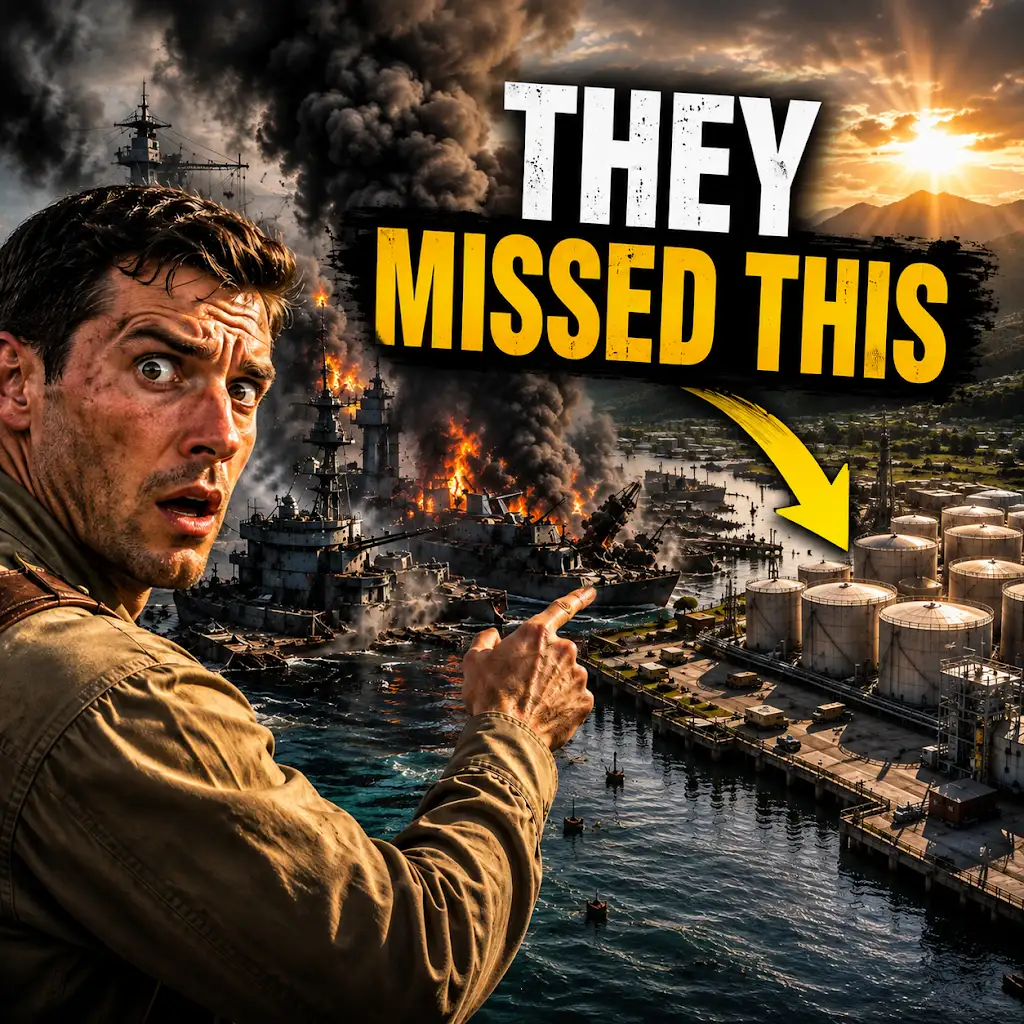
Another critical oversight was the failure to destroy Pearl Harbor’s fuel oil storage facilities and repair yards. While the battleships were heavily damaged, the infrastructure that supported them, including the vast tanks holding millions of gallons of oil and the shipyards capable of repairing them, remained largely intact.
The War Machine’s Lifeline
Oil was the lifeblood of any modern navy. The continued existence of these fuel reserves allowed the U.S. Pacific Fleet to remain operational, albeit with significant damage to its capital ships. The repair facilities, though strained, also enabled the swift return of many damaged vessels to active service. Had these facilities been destroyed, it would have significantly prolonged the incapacitation of the American fleet and presented Japan with a much greater operational advantage in the immediate aftermath of the attack.
The Submarine Fleet: An Untapped Threat
The U.S. Pacific submarine fleet, though smaller and less technologically advanced than its Japanese counterpart at the outset of the war, was also spared the brunt of the attack. While some submarines were in port, they were not primary targets and sustained minimal damage.
The Silent Hunters
Japanese naval planners underestimated the potential of American submarines. These silent hunters would go on to play a crucial role in strangling Japan’s vital supply lines, sinking thousands of tons of Japanese merchant shipping and severely impacting its ability to wage war. The untargeted submarine fleet represented a latent threat that Japan would come to regret neglecting.
The Long Game: Japan’s Strategic Miscalculation
The Pearl Harbor attack, while a tactical marvel, was ultimately a gamble on a short, decisive war. Japan’s strategic planning failed to adequately account for the immense industrial capacity, resilience, and determination of the United States. The attack, meant to cripple the enemy, instead ignited a fire that would eventually consume the Empire.
Underestimating American Industrial Might
The Japanese leadership fundamentally misjudged the industrial power of the United States. They believed that a swift, knockout blow would force the Americans to the negotiating table. They failed to grasp that even a damaged American fleet could be quickly replaced and augmented by an industrial juggernaut capable of producing ships, aircraft, and weaponry at an unprecedented scale.
The Unending Flow of War Materials
The United States possessed a vast manufacturing base, abundant natural resources, and a large, skilled workforce. Even after the devastation of Pearl Harbor, American shipyards and factories continued to churn out warships and war materials at a rate that Japan could never hope to match. This disparity in industrial capacity would prove to be a decisive factor in the long run.
The Failure to Prepare for a Protracted Conflict
The “decisive battle” doctrine, while effective in theory against a weaker or less determined foe, proved inadequate against an adversary like the United States, which was capable of sustaining a protracted conflict. Japan, by contrast, was ill-equipped for a long war of attrition. Its economy was not structured for sustained mobilization, and its population, while disciplined, could not absorb the losses that a prolonged war would inevitably entail.
The Gradual Erosion of Japanese Power
Instead of a quick victory, the attack on Pearl Harbor plunged Japan into a war of attrition. The United States, armed with its burgeoning industrial might and a newly unified resolve, systematically dismantled Japan’s outer defenses, island by island. The vast distances of the Pacific, once an advantage for Japan, became a liability as its supply lines were stretched thin and ultimately severed by American naval and air power.
The attack on Pearl Harbor marked a significant turning point in World War II, but many historians argue that Japan missed crucial opportunities that could have altered the course of the war. For a deeper understanding of the strategic miscalculations made by Japan during this period, you can explore a related article that delves into these missed chances. This analysis provides insights into how Japan’s decisions led to unforeseen consequences in the Pacific theater. To read more about this topic, visit this article.
The Legacy of Missed Opportunity: A Turning Point in History
| Aspect | Details |
|---|---|
| Date | December 7, 1941 |
| Targets | Missed aircraft carriers |
| Damage | Missed fuel storage facilities |
| Strategy | Failed to cripple the US Pacific Fleet |
| Outcome | Failed to prevent US involvement in World War II |
The attack on Pearl Harbor stands as a stark reminder of the perils of miscalculation in warfare. While a tactical masterpiece that shocked the world, it was also a profound strategic blunder that sealed Japan’s fate. The “missed opportunity” at Pearl Harbor was not just about what Japan failed to destroy, but what it failed to anticipate.
The Rise of American Naval Dominance
The attack, intended to cripple American naval power, ultimately served to accelerate its evolution and dominance. The focus shifted from battleships to aircraft carriers, and the U.S. Navy, galvanized by the attack, emerged from the war as the preeminent naval force in the world, a position it has maintained for decades.
A New Era of Warfare
The aerial assault on Pearl Harbor heralded a new era of naval warfare, one dominated by carrier-based aircraft. The limitations of the battleship were exposed, and the aircraft carrier became the undisputed queen of the seas. The strategic implications of this shift would resonate throughout the remainder of the 20th century and beyond.
The Seeds of Imperial Collapse
The attack on Pearl Harbor, by drawing the United States into the war with full force, ultimately sowed the seeds of the Japanese Empire’s collapse. The war that followed was devastating for Japan, resulting in immense loss of life, economic ruin, and the eventual surrender of the Empire. The ambition that fueled the attack ultimately led to its undoing.
A Cautionary Tale for Future Generations
The story of Japan’s missed opportunity at Pearl Harbor serves as a timeless cautionary tale for military and political leaders. It underscores the importance of thorough strategic analysis, a realistic assessment of an adversary’s capabilities and resolve, and the dangers of relying on a single, decisive blow when facing a power with vast resources and the capacity for sustained conflict. The echoes of those fateful bombs continue to resonate, reminding us that victory often lies not just in the execution of a plan, but in the foresight and wisdom to understand its true, long-term consequences.
Japan Won Pearl Harbor—So Why Did It Lose the War?
FAQs
1. What was the significance of the attack on Pearl Harbor for Japan?
The attack on Pearl Harbor was significant for Japan as it marked their entry into World War II and their attempt to expand their influence in the Pacific region.
2. What were some of the key factors that Japan missed when planning the attack on Pearl Harbor?
Some of the key factors that Japan missed when planning the attack on Pearl Harbor included underestimating the resilience of the United States, failing to destroy crucial infrastructure and fuel reserves, and not anticipating the long-term consequences of provoking the United States.
3. How did the attack on Pearl Harbor impact Japan’s military strategy and resources?
The attack on Pearl Harbor led to a significant depletion of Japan’s military resources and ultimately contributed to their eventual defeat in World War II. It also forced Japan to divert resources to defend against potential American retaliation, which strained their military capabilities.
4. What were some of the long-term consequences of Japan’s miscalculation at Pearl Harbor?
Some of the long-term consequences of Japan’s miscalculation at Pearl Harbor included the eventual defeat of Japan in World War II, the loss of territory and resources, and the devastation of their economy and infrastructure.
5. How did the attack on Pearl Harbor impact the relationship between Japan and the United States?
The attack on Pearl Harbor significantly strained the relationship between Japan and the United States, leading to the United States declaring war on Japan and ultimately contributing to Japan’s isolation and defeat in World War II.