Whispers from the Deep: The Scuttled Secrets of Japanese Submarines Off Oahu
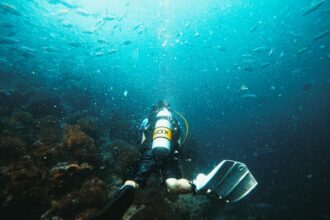
The sun-drenched waters off the coast of Oahu, Hawaii, have long been a haven for tourists and a vital strategic hub for the United States military. Yet, beneath the surface, a silent testament to a pivotal moment in history lies hidden: the resting places of Japanese submarines, deliberately scuttled in the final days of World War II. These silent leviathans, once instruments of war and terror, now serve as enigmatic underwater museums, their stories slowly unraveling through the persistent efforts of marine archaeologists and dedicated divers. The decision to scuttle these vessels was not born of a swift defeat, but rather a calculated act of defiance and denial, a desperate attempt to prevent their advanced technology from falling into enemy hands. The legacy of these scuttled submarines extends far beyond their physical remains; it is a narrative woven into the fabric of naval history, a reminder of the profound decisions made in the crucible of war, and a testament to the enduring mystery that the ocean floor holds.
In a fascinating exploration of naval history, an article discusses the strategic significance of the five Japanese submarines that were scuttled off the coast of Oahu during World War II. These submarines, remnants of a bygone era, serve as a poignant reminder of the intense battles fought in the Pacific Theater. For those interested in delving deeper into this topic, you can read more about it in the related article available at this link.
The Shadow of the Rising Sun: Imperial Japanese Navy Submarine Warfare
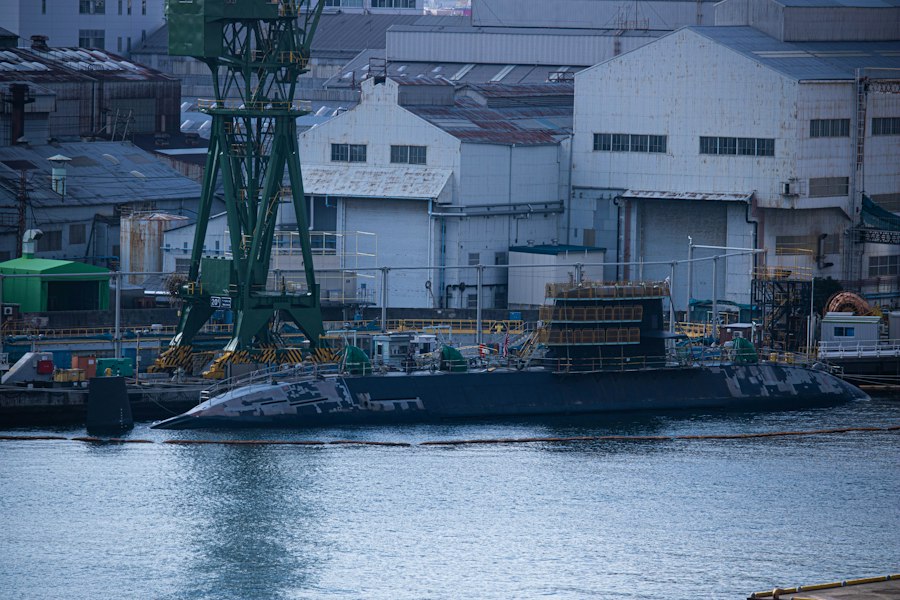
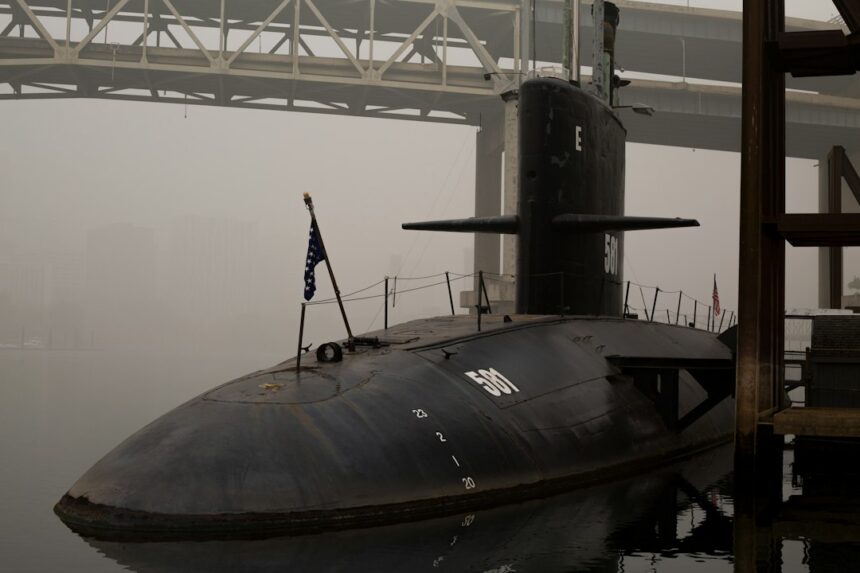
The Imperial Japanese Navy’s submarine arm, the Sensuikan-bu, was a formidable force throughout World War II, employing a doctrine that differed significantly from its Western counterparts. While the Allies primarily utilized submarines for commerce raiding, Japan’s strategic vision was broader, encompassing the interception of enemy warships and the projection of power across vast oceanic distances. This emphasis on offensive operations led to the development of a diverse and innovative submarine fleet, characterized by ambitious designs and specialized roles. From the massive “I-boat” cruisers capable of carrying aircraft to the smaller, more numerous midget submarines deployed in daring attacks, the Japanese submarine force was a constant threat. Their patrols extended from the icy waters of the Aleutians to the Indian Ocean, sowing fear and disruption in Allied shipping lanes. The submarines found off Oahu, remnants of this ambitious program, represent the final chapter of this often-unseen but critical aspect of the Pacific War. Their operational histories, though often shrouded in secrecy, speak to the daring and at times, desperate nature of Japan’s naval strategy. The technological advancements incorporated into these vessels, such as advanced torpedoes and innovative propulsion systems, underscored Japan’s commitment to naval innovation, even as the tide of war began to turn against them. The very existence of these submarines so close to a primary Allied base like Pearl Harbor highlights the audacious reach and strategic intent of the Japanese naval command.
The I-Boat Legacy: Submarines of Ambition and Innovation
The largest and most significant class of Japanese submarines were the I-boats, a designation that encompassed a wide range of designs but generally referred to vessels over 1,000 tons. These were not mere undersea craft; they were true submarine cruisers. Many I-boats were equipped with one or two seaplanes, launched by catapult, which served as scout planes to extend the submarine’s reconnaissance capabilities or as bombers in limited strike roles. This dual capability made them incredibly versatile, capable of both stealthy intelligence gathering and direct offensive action. The I-15 class, for example, was a highly successful design that saw extensive service throughout the war. These submarines were equipped with powerful torpedoes and deck guns, making them a significant threat to both merchant and naval vessels. Their range was also exceptional, allowing them to operate far from Japanese shores and engage targets in remote Allied territories. The development of these large, multi-role submarines reflected a Japanese naval doctrine that sought to challenge Allied naval superiority through unconventional means, leveraging the submarine’s inherent stealth and offensive potential to its fullest. The scuttling of these I-boats off Oahu represents the decommissioning of some of Japan’s most advanced and ambitious undersea assets.
Midget Submarine Menace: The Ko-Hyōteki’s Bold Strikes
While the I-boats represented the larger, more strategic arm of Japan’s submarine force, the midget submarines, known as Ko-Hyōteki, embodied the nation’s willingness to employ highly specialized and daring tactics. These diminutive craft, crewed by just two or three men, were designed for a single, desperate mission: to penetrate defended harbors and launch torpedo attacks against enemy capital ships. The most famous deployment of the Ko-Hyōteki was the surprise attack on Pearl Harbor on December 7, 1941, where they attempted to sneak past the harbor defenses and inflict damage on the American fleet. Though largely unsuccessful in achieving their primary objective and suffering heavy losses, the midget submarines served as a potent symbol of Japanese resolve and a significant psychological shock to the United States. Their existence and deployment demonstrated Japan’s readiness to commit valuable resources to seemingly suicidal missions, aiming to inflict maximum disruption and instill fear. The scuttling of any surviving Ko-Hyōteki or their components off Oahu would represent the final silencing of these audacious, albeit tragic, instruments of war.
The Final Reckoning: The Decision to Scuttle
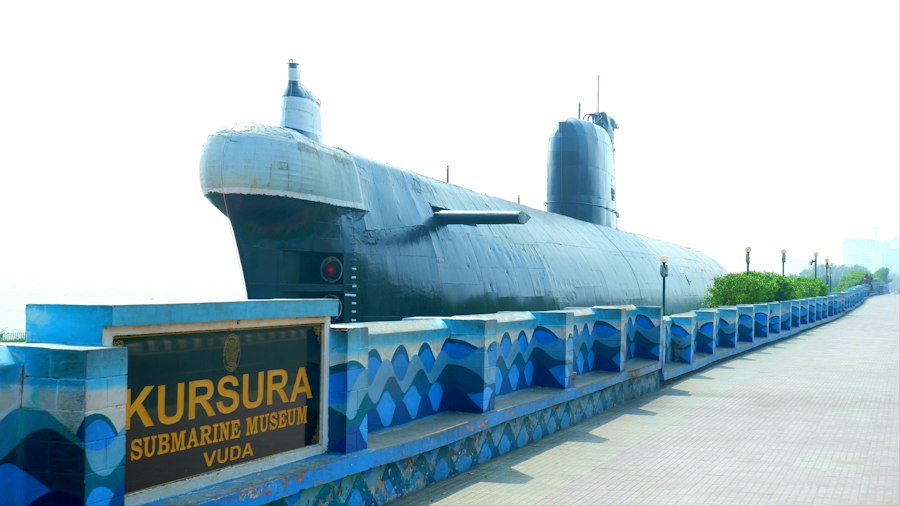
As World War II drew to a close in the summer of 1945, Japan faced an increasingly desperate situation. Allied forces had systematically pushed back Japanese defenses, and the homeland itself was vulnerable to conventional and potentially atomic bombardment. In such dire circumstances, the preservation of advanced military technology from falling into enemy hands became a paramount concern for the Imperial Japanese Navy. The decision to scuttle submarines, particularly those with sophisticated equipment or unique design features, was a calculated act aimed at denying the United States valuable intelligence and technological gains. These were not merely ships being surrendered; they were vessels being deliberately rendered unusable, their secrets locked away in the ocean depths. This strategic denial was a crucial aspect of Japan’s war-ending considerations, reflecting a deep-seated desire to leave a legacy of technological prowess rather than a complete capitulation of knowledge. The scuttling of submarines off Oahu, a strategic location within American control, underscores the urgency and the perceived threat of enemy acquisition. It was a final act of defiance, a silent testament to Japan’s commitment to its technological edge, even in defeat.
Preventing Technological Espionage: A Strategic Imperative
The technological advancements in Japanese submarine design were a source of considerable concern for the Allied powers. From advanced acoustic torpedoes to novel hull designs and sophisticated sonar systems, Japanese submarines represented a significant leap in undersea warfare capabilities. The risk of these technologies being captured, reverse-engineered, and utilized
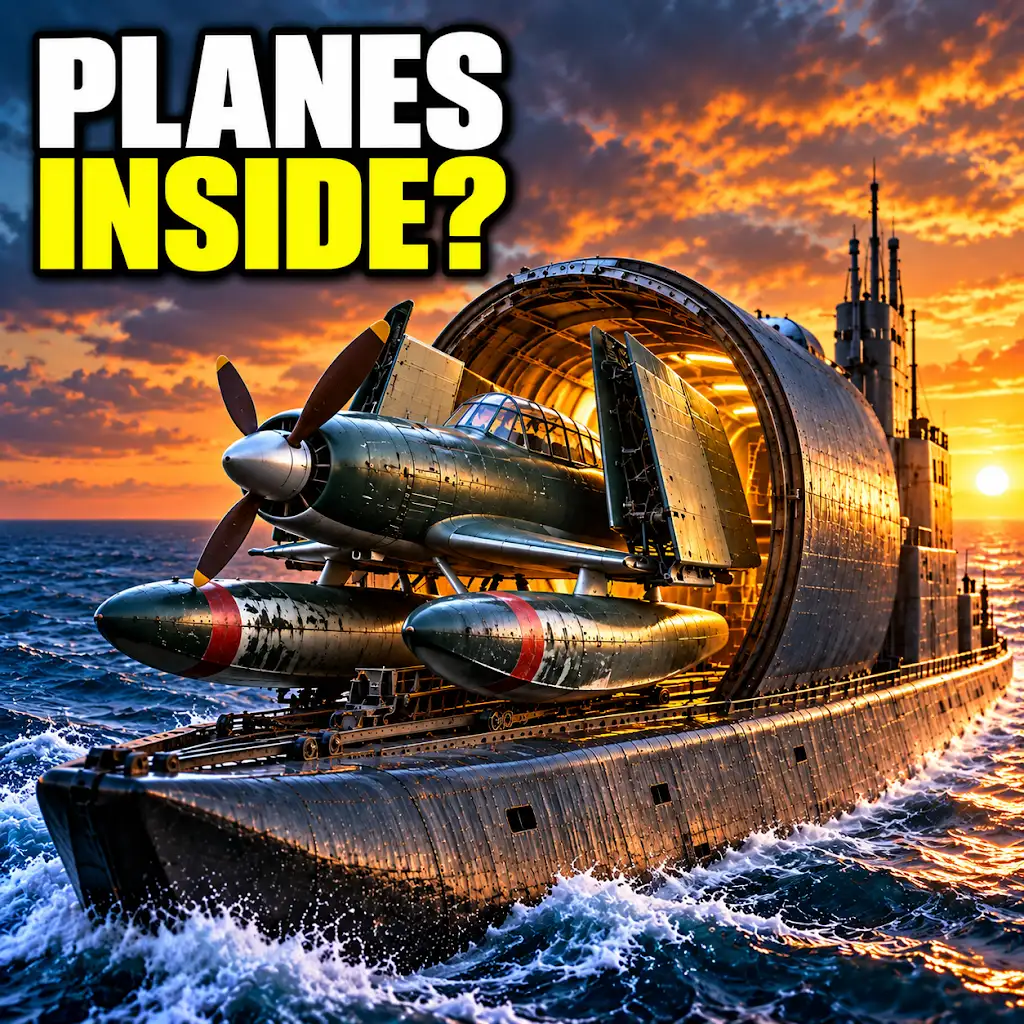
Japan Built a Submarine That Could Launch Three Planes
FAQs
What is the significance of the five Japanese submarines scuttled off Oahu?
The five Japanese submarines scuttled off Oahu are historically significant as they were part of the Japanese attack on Pearl Harbor on December 7, 1941, which led to the United States entering World War II.
Why were the Japanese submarines scuttled off Oahu?
The Japanese submarines were scuttled by their own crews to prevent them from falling into enemy hands after the failed attack on Pearl Harbor. Scuttling is the deliberate sinking of a ship or submarine by causing it to flood.
Where were the five Japanese submarines scuttled off Oahu located?
The five Japanese submarines were scuttled off the coast of Oahu, Hawaii, near Pearl Harbor. The exact locations of their sinkings vary, but they are generally in the vicinity of where the attack on Pearl Harbor took place.
How were the five Japanese submarines discovered off Oahu?
The discovery of the five Japanese submarines off Oahu was made by a team of researchers using advanced sonar technology to locate and identify the sunken vessels. The submarines were found at varying depths and in different conditions.
Are the five Japanese submarines scuttled off Oahu accessible to the public?
The five Japanese submarines scuttled off Oahu are not easily accessible to the public due to their underwater locations and the need for specialized equipment to reach them. However, there are tours and exhibits in Hawaii that provide information about the submarines and their role in history.