The Unexpected Arrivals: Japanese Submarines in Hawaiian Waters
The Pacific Ocean, a vast expanse of blue that has witnessed countless naval engagements, holds many secrets. Among these are the stories of vessels that found themselves on the wrong side of victory, their journeys abruptly halted and their fates dramatically altered. In the annals of World War II, the capture and subsequent presence of Japanese submarines in Hawaiian waters represent a particularly compelling, if often overlooked, chapter. These silent predators, once a terrifying threat to Allied shipping, were transformed into curiosities, strategic assets, and even, in a peculiar twist of fate, elements of American propaganda. Their voyages did not end with a defiant last stand in the depths, but with ignominious arrival on the shores of an island paradise that had once been a primary target for their nation’s aggression. The story of these captured submarines is a testament to the ebb and flow of war, the ingenuity of intelligence gathering, and the enduring impact of a conflict that reshaped the global order.
During World War II, several Japanese submarines were captured and brought to Hawaii for examination and analysis by American forces. This strategic move allowed the U.S. Navy to gain valuable insights into Japanese naval technology and tactics. For more information on this fascinating aspect of naval history, you can read a related article at this link.
Genesis of the Hunt: From Torpedo Boats to Trophy Vessels
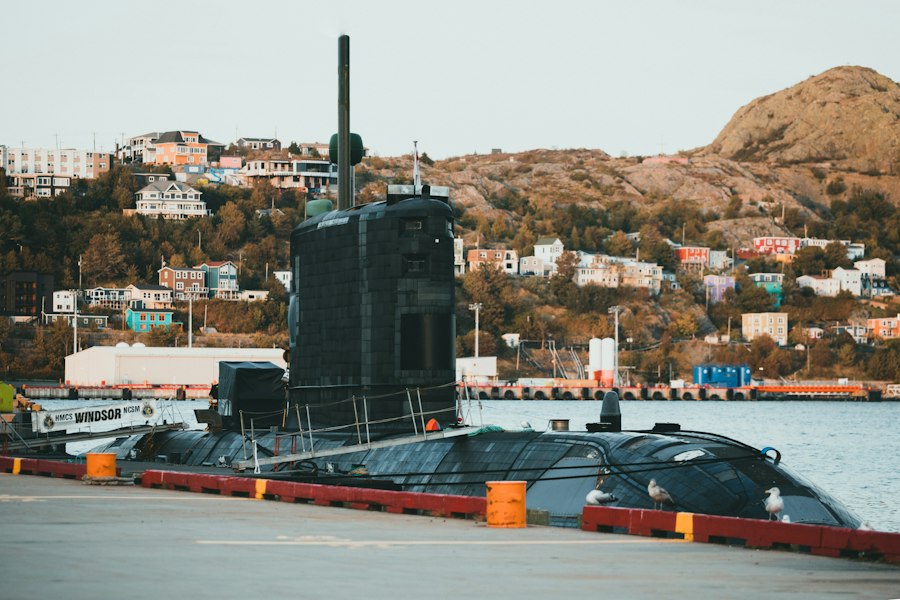
The initial impetus for Japanese submarine operations in the Pacific was rooted in a strategic doctrine that favored overwhelming force and surprise. The Imperial Japanese Navy, acutely aware of its numerical inferiority to the United States Navy in terms of capital ships, invested heavily in its submarine arm. These were not the lumbering U-boats of the Atlantic, but rather more agile and sophisticated vessels designed for a variety of missions, including reconnaissance, minelaying, and, most crucially, commerce raiding. Their early successes in the opening stages of the Pacific War, particularly the devastating attacks on Pearl Harbor and subsequent sinking of Allied warships and transports, instilled a deep-seated fear of their capabilities. However, as the tide of war began to turn, and Allied naval power and anti-submarine warfare techniques improved, the effectiveness of Japanese submarines diminished. The nature of their deployment also shifted, with some vessels being tasked with more daring and ultimately futile missions, including reconnaissance of the Hawaiian Islands themselves, a direct challenge to American defenses. It was during these daring, and often ill-fated, patrols that several Japanese submarines met their end, either through direct combat or by the sheer misfortune of falling into Allied hands. The capture of these vessels was not merely a matter of acquiring enemy equipment; it represented a significant intelligence coup, offering invaluable insights into Japanese naval technology, operational tactics, and the very mindset of the enemy. The desire to analyze these captured assets, to understand their strengths and weaknesses, drove the efforts to bring them ashore, turning them from instruments of war into prized trophies of victory.
The Strategic Imperative: Beyond Mere Booty
The capture of Japanese submarines was driven by more than just the spoils of war. In the intense intellectual and technological arms race that characterized World War II, understanding the enemy’s capabilities was paramount. For the United States, the acquisition of intact or partially intact submarines provided an unparalleled opportunity for reverse engineering and technical analysis. This was not simply an academic exercise; it had direct and immediate implications for Allied naval strategy. By dissecting these vessels, engineers and intelligence officers could identify new propulsion systems, advanced sonar and radar technologies, innovative torpedo designs, and effective hull construction techniques. This knowledge allowed the Allies to not only develop countermeasures against existing Japanese submarines but also to accelerate their own technological advancements. The captured submarines became mobile laboratories, their secrets carefully extracted and then weaponized against their former owners. Furthermore, the information gleaned from the captured submarines provided crucial intelligence regarding Japanese naval deployments, their patrol areas, their communication protocols, and their strategic intentions. Every piece of equipment, every document, every even minor operational detail, was scrutinized for its potential to provide a tactical or strategic advantage. The submarines, therefore, were not just sunk ships or captured prizes; they were vital components in the Allied intelligence machine, contributing significantly to the eventual Allied victory.
Early Engagements and Unforeseen Consequences
The early years of the Pacific War were marked by a series of naval clashes where Japanese submarines played a significant role. While many were lost in combat, some met their end through actions that were less a direct result of enemy fire and more a consequence of their operational environment and the evolving Allied response. For instance, the treacherous reefs surrounding some Pacific islands, coupled with the increasing effectiveness of Allied aerial reconnaissance and patrol aircraft, could lead to accidental groundings or damage that rendered a submarine vulnerable. In other instances, daring reconnaissance missions, particularly those aimed at the Hawaiian Islands, led submarines into heavily patrolled waters where detection and subsequent destruction, or forced surrender, became inevitable. The very act of attempting to penetrate American defenses, as some submarines did in an effort to gather intelligence or even to launch isolated attacks, placed them at considerable risk. The psychological impact of these early successes on the Japanese war effort was significant, fueling a sense of invincibility. However, the subsequent capture of these vessels, often intact enough to be studied, served as a stark reminder of the dangers of overconfidence and the ever-increasing capabilities of their adversary. The unforeseen consequence of these daring, yet ultimately failed, missions was the creation of a unique situation: the presence of Japanese submarines, silent and defeated, in the very waters they had once threatened.
The Journey to Paradise: From War Zones to Pearl Harbor

The path taken by captured Japanese submarines to Hawaiian shores was rarely a straightforward one. It involved a complex interplay of naval operations, salvage efforts, and the logistical challenges of transporting large, damaged vessels across vast distances. Once a submarine was disabled or captured, it was not immediately towed to Honolulu. Instead, the initial stages often involved securing the vessel in situ, preventing it from sinking or being further damaged. This might have meant bringing in specialized salvage crews and equipment, often under precarious conditions. The process of making a damaged submarine seaworthy enough for a transoceanic journey was a significant undertaking. Engineers and sailors would work to patch holes, repair essential systems (if possible), and ensure the vessel could maintain buoyancy and a degree of maneuverability. The journey itself was not without peril. These were captured enemy vessels, and the risk of further attack, either from remaining enemy forces or even from Allied ships that might mistake them for active threats, was a constant concern. They often sailed under heavy escort, a stark visual representation of their altered status. Their ultimate destination, however, was typically Pearl Harbor, a location steeped in irony. It was the scene of the most devastating attack on American soil in decades, and now, these remnants of that aggression were being brought to its very shores, a silent testament to the shift in the war’s momentum.
Recovery and Refitting: A Herculean Task
The process of recovering and refitting a captured Japanese submarine was a monumental undertaking, requiring immense ingenuity and a dedicated workforce. Once a submarine was disabled and secured, naval engineers and salvage crews would assess its condition. If the vessel was deemed salvageable, the painstaking work of bringing it back to a state where it could be transported would begin. This often involved extensive underwater repairs, including patching hull breaches, clearing flooded compartments, and jury-rigging essential systems. The goal was not necessarily to restore the submarine to full operational capacity as a fighting vessel, but to make it seaworthy for transit. This might involve significant compromises, with temporary repairs and a limited range of operational capabilities. Once a submarine was deemed ready for transit, the next phase was the tow. These large, often unwieldy vessels required powerful tugs and careful navigation, especially in the often-turbulent waters of the Pacific. The journey itself could take weeks, with constant monitoring and adjustments to ensure the safety of the towed submarine. Upon arrival in Hawaiian waters, the captured submarines would then be subjected to further scrutiny. Some might be partially refitted to allow for limited operational testing or analysis, while others might undergo more extensive disassembly for detailed study. The sheer effort involved in these recovery and refitting operations highlighted the strategic importance placed on understanding enemy naval technology.
The Irony of Destination: Pearl Harbor as a Naval Graveyard
The choice of Pearl Harbor as a primary destination for captured Japanese submarines was steeped in profound irony. For the United States, Pearl Harbor represented a symbol of vulnerability and a catalyst for unwavering resolve. The surprise attack on December 7, 1941, had inflicted immense damage and loss of life, galvanizing the nation and propelling it fully into World War II. The subsequent arrival of Japanese submarines, defeated and disarmed, on the very shores that had been so brutally assaulted, was a powerful visual and symbolic statement. These were the instruments of that attack, now silenced and under Allied control, brought to a place that had become synonymous with American resilience and ultimate triumph. They served as a constant, tangible reminder of the conflict’s immense cost and the hard-won victory. Furthermore, the proximity of Pearl Harbor to naval facilities and research laboratories in Hawaii made it a practical location for the initial stages of analysis and examination of these captured vessels. The irony was not lost on the personnel who worked with these submarines; it was a stark reminder of how dramatically the fortunes of war had turned, and how the once-feared predators were now exhibits of American naval supremacy.
From Enemy Threat to Educational Tool: The Submarines’ New Roles
The captured Japanese submarines found themselves in a drastically altered reality once they reached Hawaiian shores. Their days of lurking in the Pacific depths, launching torpedoes, and sowing fear were over. Instead, they embarked on new careers, serving purposes far removed from their original design. For the military, they became invaluable tools for intelligence gathering and training. Their technology was meticulously studied, their operational limitations exposed, and their effectiveness quantified. Beyond the purely military applications, these submarines also served a crucial role in public outreach and morale boosting. In a time of immense national sacrifice, the sight of captured enemy war machines offered a tangible representation of American success and the progress of the war effort. They became silent ambassadors of victory, a visible testament to the hard work and ingenuity of American servicemen and women. Their transformation from instruments of destruction to educational and symbolic assets underscores the multifaceted nature of warfare and its impact on even the most imposing of machines.
During World War II, several Japanese submarines were captured and brought to Hawaii, where they were studied for their advanced technology and strategies. This fascinating aspect of naval history highlights the importance of understanding enemy capabilities and adapting to them. For more insights into this topic, you can read a related article that delves deeper into the significance of these captured vessels and their impact on the war effort. To explore this further, visit this article for a comprehensive overview.
Intelligence Exploitation: Unlocking Enemy Secrets
The primary role of captured Japanese submarines in Hawaii was their exploitation for intelligence purposes. Military analysts and engineers meticulously examined every aspect of these vessels. This included detailed study of their hull construction, propulsion systems, navigation equipment, sonar and radar capabilities, and armament. The goal was to understand the technological sophistication of the Japanese navy, identify any novel designs or innovations, and, most importantly, discover weaknesses that could be exploited by Allied forces. The information gleaned from these submarines directly informed the development of improved Allied anti-submarine warfare techniques, the design of more effective countermeasures, and the refinement of Allied naval strategy. For example, understanding the unique acoustic signatures of Japanese submarines allowed for the development of more sensitive sonar systems. Similarly, knowledge of their torpedo firing mechanisms and ranges helped in planning naval engagements. The captured submarines effectively became de facto training simulators and research laboratories, their secrets meticulously extracted and then weaponized against their former owners. This intelligence was not confined to technical specifications; it extended to operational tactics, patrol routes, and communication methods, providing a comprehensive picture of the enemy’s naval capabilities and intentions.
Public Display and Morale: Tangible Symbols of Victory
In a nation deeply invested in the war effort, the presence of captured Japanese submarines in Hawaii served as a potent symbol of American military prowess and a significant boost to public morale. These were not abstract victories reported in communiqués; they were concrete manifestations of the war’s progress. The sight of these once-feared vessels, now grounded and under American control, offered a tangible reassurance to the public that the tide of war was indeed turning in favor of the Allies. They were often displayed, albeit with
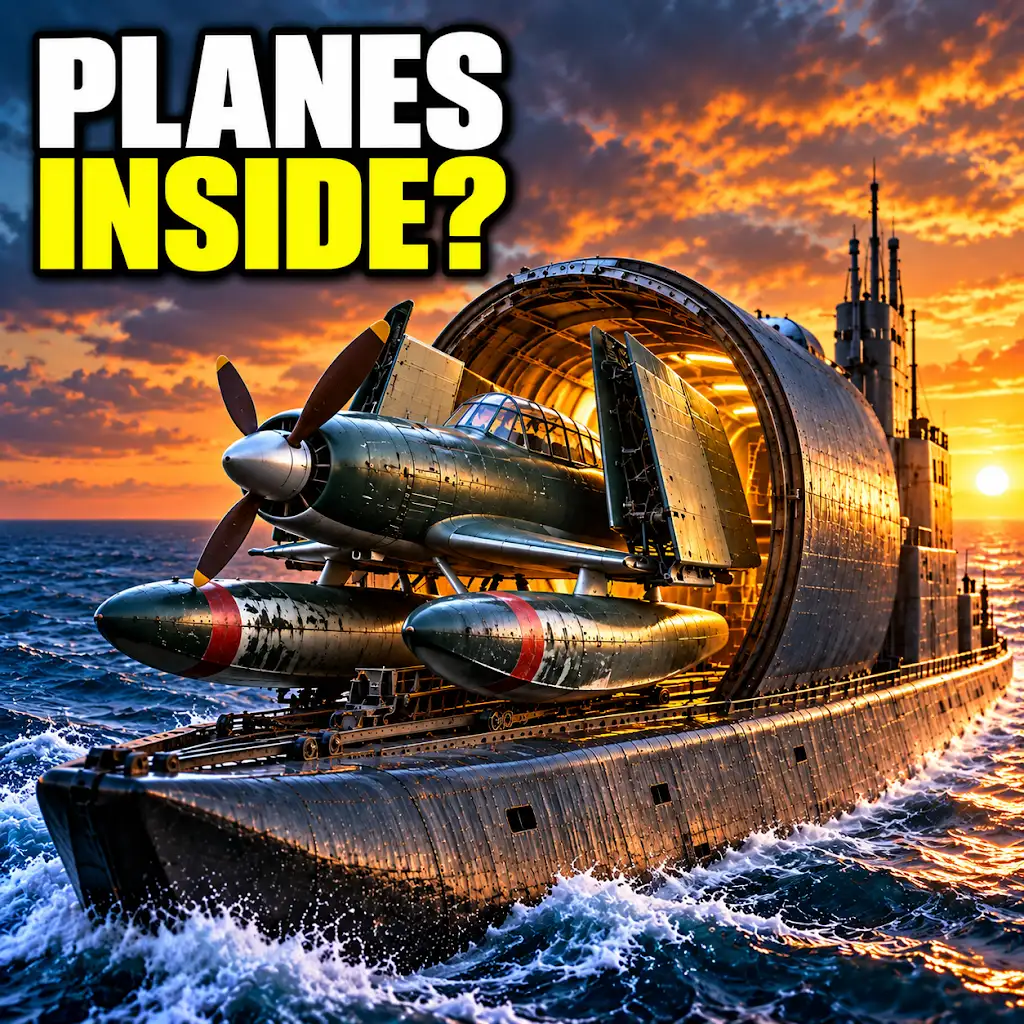
Japan Built a Submarine That Could Launch Three Planes
FAQs
1. What is the significance of captured Japanese submarines being brought to Hawaii?
Captured Japanese submarines brought to Hawaii during World War II provided valuable intelligence for the Allies, helping them understand Japanese naval technology and tactics.
2. How many Japanese submarines were captured and brought to Hawaii during World War II?
A total of five Japanese submarines were captured by the Allies and brought to Hawaii during World War II.
3. Where were the captured Japanese submarines taken in Hawaii?
The captured Japanese submarines were taken to Pearl Harbor in Hawaii for examination and analysis by Allied forces.
4. What information did the Allies learn from the captured Japanese submarines?
The Allies learned valuable information about Japanese submarine technology, capabilities, and strategies from the captured submarines, which helped them in their naval operations in the Pacific.
5. How did the capture of Japanese submarines impact the outcome of World War II?
The capture of Japanese submarines and the intelligence gained from them played a significant role in the Allied victory in the Pacific theater of World War II, contributing to the defeat of the Japanese Imperial Navy.