The silent hunter beneath the waves, a persistent and evolving concern for naval strategists, represents a potent element in the complex geopolitical landscape of the Indo-Pacific. For the United States Navy, the modernization and expansion of Japan’s submarine force are not merely footnotes in regional defense discussions but a significant factor shaping fleet deployments, technological development, and strategic planning. While traditionally viewed as a defensive asset, the evolving capabilities and potential roles of Japanese submarines present a multifaceted challenge that warrants in-depth examination.
The Evolving Japanese Submarine Force
Japan’s Maritime Self-Defense Force (JMSDF) has long operated one of the most capable and modern conventional submarine fleets in the world. This force, built on a foundation of technological excellence and a commitment to high-quality construction, has undergone a continuous evolution, driven by a pragmatic assessment of regional security dynamics and a deliberate strategy to maintain a qualitative edge. The JMSDF’s submarine program is characterized by its focus on stealth, endurance, and advanced sensor technology, making its vessels formidable adversaries in contested waters.
A Legacy of Stealth and Sophistication
The JMSDF’s submarine doctrine has historically emphasized stealth as its primary operational advantage. This focus has led to the development of submarines with exceptionally quiet propulsion systems, advanced hull designs that minimize acoustic signatures, and sophisticated countermeasures. The Oyashio-class submarines, for instance, represented a significant leap forward in noise reduction and sensor integration, setting a high bar for conventional submarine design globally. These vessels, which form the backbone of the current fleet, are renowned for their ability to operate undetected for extended periods, a critical attribute for both intelligence gathering and potential defensive operations.
The subsequent Sōryū-class submarines have further enhanced these capabilities. These boats incorporate air-independent propulsion (AIP) technology, allowing them to remain submerged for significantly longer durations without needing to surface or snorkel for air. This dramatically increases their operational flexibility, reduces their detectability, and expands their operational reach, making them a truly potent force. The introduction of the Taigei-class, the latest generation, continues this trajectory, featuring even more advanced AIP systems, improved combat management systems, and enhanced sensor suites, demonstrating a consistent commitment to technological advancement.
Strategic Rationale: Defense and Deterrence
The primary stated rationale behind Japan’s robust submarine program is national defense and the deterrence of aggression. In a region characterized by increasing assertiveness from some actors and ongoing territorial disputes, a capable submarine force serves as a crucial deterrent. Its ability to project power subtly, conduct surveillance, and interdict potential adversaries in the vast maritime spaces surrounding Japan is fundamental to its security strategy. The JMSDF submarines are designed to be a highly survivable and offensive-minded defensive weapon, capable of inflicting significant damage on any invading force before it can reach Japanese shores.
Furthermore, the submarines play a vital role in maintaining freedom of navigation and ensuring the security of vital sea lanes. Japan, as an island nation heavily reliant on maritime trade, has a vested interest in keeping its sea lines of communication open and secure. Submarines, with their stealth and endurance, are ideally suited for patrolling these routes, monitoring potential threats, and responding to any disruptions. This dual role of defense and sea lane protection underscores the strategic importance of the JMSDF’s submarine force to Japan’s overall security posture.
Recent developments in military technology have led to the unveiling of a new Japanese submarine designed specifically for long-range strike capabilities against potential adversaries, including the United States. This submarine is equipped with advanced stealth features and missile systems that enhance its operational effectiveness in contested waters. For further insights into this topic, you can read a related article that discusses the implications of such advancements in naval warfare at this link.
The American Perspective: A Shifting Threat Landscape
From the United States Navy’s vantage point, the evolving capabilities of the Japanese submarine force are viewed through the lens of alliance interoperability, regional burden-sharing, and the evolving nature of naval warfare. While the US and Japan are close allies, and the JMSDF submarines are intended to complement, not compete with, US naval assets, the sheer sophistication and growing potential of Japan’s silent service necessitate careful consideration. The implications extend beyond simple alliance coordination, touching upon technological advancements, operational doctrines, and the strategic balance in the Indo-Pacific.
Interoperability and Joint Operations
A cornerstone of the US-Japan alliance is the ability of their forces to operate seamlessly together. This interoperability extends to submarines, where joint training exercises and shared tactical doctrines are crucial. The US Navy benefits from the advanced capabilities of its Japanese counterparts, which can provide valuable intelligence, reconnaissance, and anti-submarine warfare (ASW) support during combined operations. Conversely, Japan’s submarines, while sophisticated, operate within a larger, globally projected US naval framework, benefiting from US intelligence, logistical support, and strategic coordination.
However, the increasing sophistication of Japanese submarines also means that their operational doctrines and technological parameters are becoming more distinct. While alignment is the goal, ensuring that American ASW assets are fully prepared to detect and counter not only potential adversaries but also advanced allied submarines in certain scenarios requires continuous evaluation and adaptation. This involves sharing data, developing common operating procedures, and ensuring that training exercises adequately reflect the full spectrum of potential underwater environments and adversary capabilities.
The “Other” Threat: A Strategic Consideration
While the primary focus of US naval strategy in the Indo-Pacific is often directed towards the capabilities of potential adversaries like China and North Korea, the growing strength of Japan’s submarine force introduces a nuanced layer of consideration. It is not a threat in the sense of direct hostility, but rather a strategic consideration in terms of resource allocation, operational planning, and the overall deterrence equation. The US Navy must factor in the presence and capabilities of all major underwater forces in the region when making decisions about fleet deployments, ASW patrol patterns, and the development of new anti-submarine technologies.
This perspective is particularly relevant in the context of peer competition. As the US seeks to maintain a strategic advantage, understanding the strengths and weaknesses of all regional naval powers, including allies, is paramount. The potential for miscalculation or unintended escalation in a complex maritime environment means that a clear understanding of allied capabilities is as vital as understanding adversary capabilities. Japan’s advanced submarines, therefore, represent a significant factor in the strategic calculus of maintaining regional stability and deterring potential aggression from any source.
Technological Edge and Future Potential

The continuous investment in research and development by Japan ensures that its submarine force remains at the forefront of naval technology. This commitment to innovation is a key factor that elevates the JMSDF’s submarine capabilities and presents a dynamic challenge to naval planners worldwide, including those in the United States. The advancements are not merely incremental; they represent significant leaps in performance and operational effectiveness.
Advancements in Propulsion and Stealth
The development and widespread adoption of Air-Independent Propulsion (AIP) technology have been transformative for Japan’s submarine fleet. AIP systems allow submarines to operate submerged for weeks without requiring access to atmospheric oxygen, drastically reducing their need to surface or snorkel. This significantly enhances their stealth, making them much harder to detect and track. Different AIP technologies, such as Stirling engines and fuel cells, are employed, each offering distinct advantages in terms of endurance, efficiency, and quietness.
Beyond AIP, Japan has also invested heavily in advanced sonar systems, acoustic quieting technologies, and hull shaping designed to minimize acoustic signatures. The goal is to create a submarine that is not only difficult to detect but also possesses superior situational awareness. This includes passive and active sonar arrays, towed arrays, and integrated combat management systems that fuse data from multiple sensors to provide a comprehensive understanding of the underwater battlespace. The ongoing research into next-generation battery technology and potential future propulsion systems suggests that Japan will continue to push the boundaries of submarine stealth and endurance.
Offensive and Defensive Capabilities
While primarily designed for defensive roles, the offensive capabilities of modern Japanese submarines are significant. Equipped with advanced torpedoes, anti-ship missiles, and potentially even land-attack cruise missiles, these submarines can pose a serious threat to enemy surface vessels and shore installations. The stealth and endurance provided by their advanced technology allow them to penetrate enemy defenses, position themselves for effective attacks, and then disappear back into the depths undetected.
In terms of defensive capabilities, Japan’s submarines are integral to the broader anti-submarine warfare (ASW) network. They can act as hunter-killers, seeking out and neutralizing enemy submarines, or as scouts, providing vital intelligence on enemy fleet movements. Their presence alone can force potential adversaries to dedicate significant resources to ASW efforts, diverting them from other offensive operations. This passive deterrence, coupled with their active offensive potential, makes them a highly versatile asset.
Strategic Implications for Naval Warfare
The presence of a technologically advanced and continuously evolving submarine force in the Indo-Pacific has profound strategic implications for all naval powers, including the United States. It fundamentally alters the dynamics of underwater warfare, necessitating new approaches to detection, engagement, and deterrence. The silent service’s growing capabilities are a constant reminder that naval dominance in the 21st century is not solely about surface fleets but also about mastering the underwater domain.
The Challenge to Anti-Submarine Warfare
The sophistication of Japanese submarines, particularly their advancements in stealth and endurance, presents a significant challenge to traditional ASW tactics and technologies. The US Navy, like all naval forces, relies on a suite of sonar systems, maritime patrol aircraft, and ASW helicopters to detect and track submarines. However, as submarines become quieter and more capable of operating undetected for longer periods, the effectiveness of these methods is continually tested.
This necessitates a constant arms race in ASW. The US Navy is investing heavily in advanced sonar technologies, including artificial intelligence-powered algorithms for acoustic analysis, persistent underwater surveillance systems, and new classes of ASW aircraft and unmanned underwater vehicles (UUVs). The ability to distinguish between the acoustic signatures of various vessels, including allied submarines, and the background noise of the ocean is becoming increasingly complex. The continuous evolution of Japanese submarine technology forces the US to adapt and innovate to maintain its ASW edge.
Deterrence in a Contested Maritime Environment
The strategic implications of Japan’s submarine force extend to the broader deterrence equation in the Indo-Pacific. The presence of such a capable underwater force, allied with the United States, strengthens the overall deterrence posture against potential aggressors. It signifies a unified and formidable naval capability that any adversary must reckon with.
However, it also introduces complexities. The potential for accidental encounters or misinterpretations in a crowded and contested maritime environment requires meticulous deconfliction and communication protocols. The US Navy must be cognizant of not only the capabilities of its adversaries but also the operational patterns and limitations of its allies’ submerged assets to prevent unintended escalations. In essence, Japan’s submarine force contributes to regional security through its deterrent effect, but its very sophistication demands a refined and highly coordinated approach to naval strategy within the alliance.
Recent developments in military technology have seen Japan designing a new submarine specifically aimed at enhancing its strike capabilities against potential threats, including the United States. This submarine is part of a broader strategy to modernize Japan’s Self-Defense Forces in response to regional tensions. For more insights into the implications of this submarine and its potential impact on international relations, you can read a related article on military strategies at In The War Room.
The Future of Submarine Diplomacy and Defense
| Metric | Details |
|---|---|
| Submarine Name | Type A1 (I-9 class) |
| Country of Origin | Japan |
| Purpose | Long-range strike against the United States |
| Displacement | 2,919 tons (surfaced), 4,460 tons (submerged) |
| Length | 113 meters |
| Speed | 19 knots (surfaced), 8 knots (submerged) |
| Range | 21,000 nautical miles at 16 knots (surfaced) |
| Armament | 6 torpedo tubes, 1 floatplane for reconnaissance |
| Notable Feature | Equipped with a hangar and catapult for launching reconnaissance aircraft |
| Operational Period | World War II (early 1940s) |
The ongoing evolution of Japan’s submarine force underscores the dynamic nature of regional security and the enduring importance of naval power. For the United States, this means a continued focus on strengthening alliance ties, fostering interoperability, and investing in technologies that can counter emerging threats while also operating effectively alongside advanced allied platforms. The silent hunters beneath the waves are a constant reminder that the strategic landscape is always shifting, demanding constant vigilance and adaptation.
Strengthening Alliance Cohesion Through Joint Development
The shared commitment to a secure and stable Indo-Pacific necessitates a deepening of the US-Japan alliance, particularly in the realm of submarine defense. This could involve further collaboration on research and development of new submarine technologies, joint training exercises that push the boundaries of interoperability, and the development of common strategic doctrines for underwater warfare. Such collaboration not only enhances the capabilities of both navies but also reinforces the strategic partnership between the two nations.
The US Navy can learn from Japan’s expertise in certain areas of submarine design and operation, while Japan can benefit from the US’s experience in global power projection and advanced ASW capabilities. This mutual exchange fosters a stronger, more resilient alliance that is better equipped to address the complex security challenges of the region. The development of future submarine classes, for instance, could see even greater levels of technological integration and shared strategic objectives.
Navigating a Multipoloar Underwater Arena
The Indo-Pacific is increasingly becoming a multipolar underwater arena, with multiple nations operating sophisticated submarine forces. The United States must navigate this complex environment by maintaining its technological superiority, fostering strong alliances, and promoting transparency and confidence-building measures. The presence of Japan’s advanced submarine force, when viewed through the lens of alliance and shared strategic interests, contributes to a more stable regional security architecture.
However, the continued modernization of all regional submarine fleets, including those of potential adversaries, necessitates a proactive and adaptable approach to naval strategy. The US Navy’s focus will remain on deterring aggression and maintaining freedom of navigation, and this will require a comprehensive understanding of the underwater capabilities of all actors in the region. The Japanese submarine force, therefore, represents not just a potential threat to adversaries but also a vital component of a complex and evolving maritime security landscape that demands constant attention and strategic foresight.
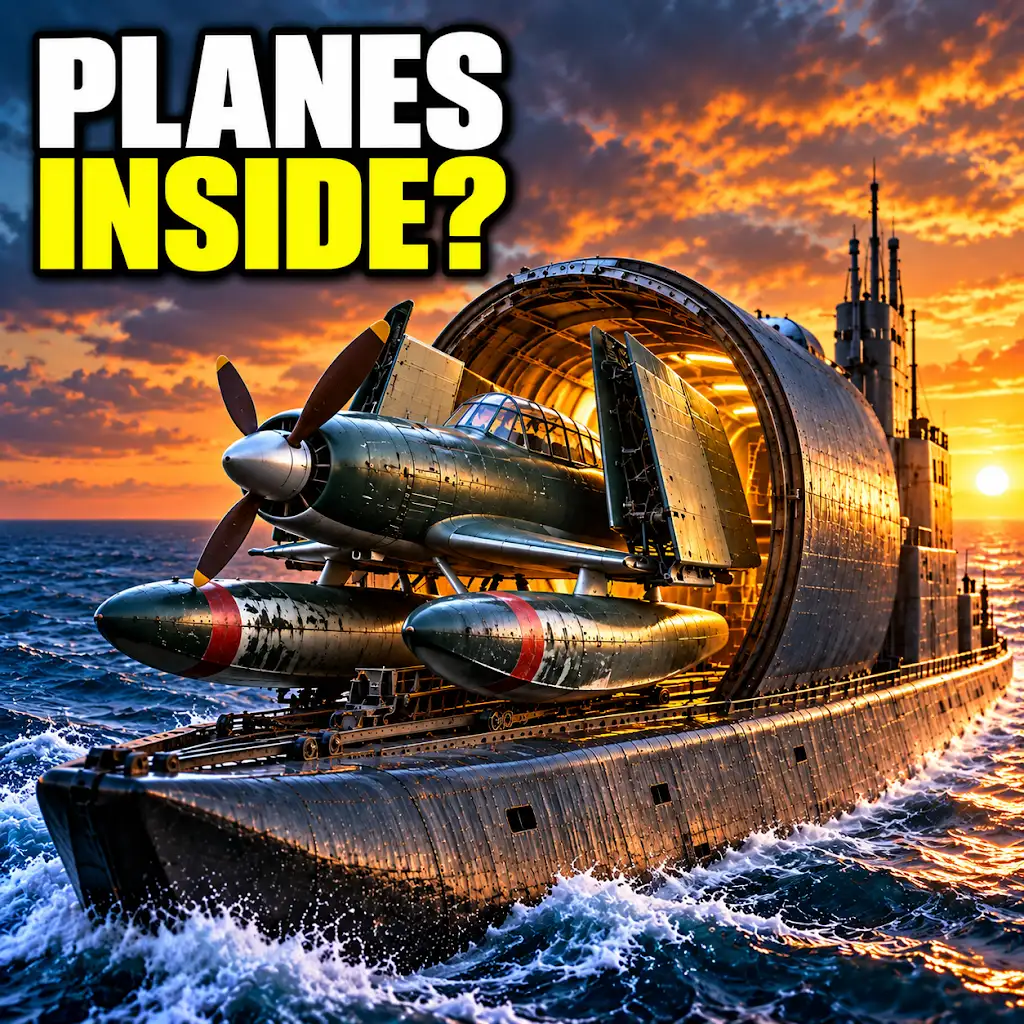
Japan Built a Submarine That Could Launch Three Planes
FAQs
What is the Japanese submarine designed to strike America?
The Japanese submarine designed to strike America is the Soryu-class submarine, specifically modified to carry long-range cruise missiles capable of reaching the United States.
How many submarines of this type does Japan currently possess?
As of the latest information available, Japan has a total of 12 Soryu-class submarines in its fleet, with plans to continue building more in the future.
What are the specifications of the Soryu-class submarine?
The Soryu-class submarine is approximately 84 meters long, has a displacement of around 2,900 tons when submerged, and is powered by a combination of diesel engines and lithium-ion batteries.
What is the range of the long-range cruise missiles carried by the Japanese submarine?
The long-range cruise missiles carried by the Japanese submarine have a range of over 900 miles, allowing them to potentially reach targets in the United States from the waters near Japan.
What are the strategic implications of Japan possessing a submarine capable of striking America?
The possession of a submarine capable of striking America gives Japan a significant deterrent capability and enhances its strategic position in the Asia-Pacific region. It also underscores Japan’s commitment to its national defense and security.