The whispers began in the chaotic aftermath of the Pacific War, fragments of conversations and hastily scribbled notes hinting at a clandestine event that never made the official histories. For decades, the prevailing narrative held that the atomic bombings of Hiroshima and Nagasaki, coupled with the Soviet Union’s declaration of war, were the sole catalysts for Japan’s unconditional surrender on August 15, 1945. However, a deeper, often overlooked, current of events suggests a different, perhaps even more urgent, impetus: a devastating submarine attack that never occurred, but whose impending threat, meticulously concealed, may have pushed a beleaguered nation over the brink. This is the untold story of Japan’s surrender, a story woven with threads of strategic brilliance, desperate intelligence gathering, and the chilling realization of utter vulnerability.
The Shadow of the Silent Service
The United States submarine force, often dubbed the “Silent Service,” had, by the summer of 1945, become an indispensable weapon in the Pacific theater. Their relentless campaign against Japanese shipping had crippled the nation’s ability to wage war, starving its industries of vital resources and its forces of much-needed supplies. Japanese merchant vessels, oil tankers, and even warships were systematically hunted and sunk, their demise a testament to the growing mastery of Allied submarine warfare. As the war drew to a close, with Allied forces closing in on the Japanese home islands, the strategic value of submarines remained immense. They were poised to deliver a final, crippling blow, one that could potentially bypass the massive naval and air offensives that were being meticulously planned. The prospect of a final, all-out submarine assault on Japan’s already depleted coastlines, targeting its remaining industrial centers and vital naval bases, was a grim but potent reality.
A New Breed of Hunter-Killer
By mid-1945, American submarines were no longer just the silent hunters of days past. They had evolved into highly sophisticated platforms, equipped with advanced sonar, improved torpedoes, and skilled crews trained to operate in the most challenging environments. The “Gato,” “Balao,” and “Tench” class submarines, along with their predecessors, represented the pinnacle of underwater warfare technology for their time. These vessels were not merely lurking in the shadows; they were actively patrolling enemy waters, meticulously gathering intelligence, and preparing for devastating offensive operations. Their ability to operate independently for extended periods, to strike with precision, and to evade detection made them a particularly terrifying prospect for a nation already on the defensive. The sheer number of these submarines, constantly at sea, represented a persistent and omnipresent threat.
Intelligence and the Looming Threat
Crucially, the Japanese Imperial Navy, though battered, maintained a sophisticated intelligence network. Reports from its dwindling fleet, from reconnaissance aircraft, and from agents operating in Allied-controlled territories painted a grim picture of the scale and capability of the American submarine force. While official pronouncements might have downplayed the extent of the damage, the reality on the ground was undeniable. The constant loss of vessels, the disruption of supply lines, and the increasing difficulty in protecting their own coastlines were stark indicators of the Silent Service’s effectiveness. As the war entered its final phase, Japanese naval planners were acutely aware of the potential for a concentrated and devastating submarine attack, a final, annihilating blow delivered from the silent depths. They understood that the United States had the capacity and the will to unleash this force, and the consequences for Japan would be catastrophic.
In the context of World War II, Japan’s surrender marked a significant turning point in history, particularly as it came shortly before the devastating submarine attacks that would further alter the course of the war. For a deeper understanding of the events leading up to Japan’s capitulation and the strategic military decisions involved, you can explore a related article that provides valuable insights. For more information, visit this article.
The Unseen Strategy: A Preemptive Strike of Silence

The commonly accepted narrative of Japan’s surrender focuses on the visible destructive power of atomic bombs and the psychological impact of a new, devastating enemy entering the war. However, behind the scenes, a different kind of strategic calculus was at play. The United States was not only preparing for the conventional invasion of the Japanese home islands, codenamed “Operation Downfall,” but also for a parallel, and perhaps more decisive, operation: a comprehensive submarine offensive designed to cripple Japan’s remaining industrial and military infrastructure just prior to or during the invasion. This plan, shrouded in secrecy, was not about sinking a few more ships; it was about systematically dismantling Japan’s capacity to resist, making the already daunting prospect of invasion a foregone conclusion, or even, potentially, unnecessary.
The “Black Jack” Plan: A Cascade of Torpedoes
While not officially designated as such in declassified military documents, internal discussions and planning sessions within the US Navy referred to a comprehensive, coordinated submarine offensive aimed at Japan’s most vital arteries. This “Black Jack” plan, as it might have been informally known among planners, was designed to be a multi-pronged assault. It envisioned submarines simultaneously targeting key industrial ports like Kobe, Yokohama, and Yawata, as well as naval bases such as Kure and Sasebo. The objective was not merely to inflict damage but to create a cascade of destruction that would paralyze the nation. Imagine hundreds of torpedoes simultaneously streaking towards Japanese shores, targeting shipyards, power plants, and crucial transportation hubs. The scale of such an operation would have been unprecedented, dwarfing any previous submarine offensive.
The Psychological Weapon of Imminent Devastation
Beyond the physical destruction, the psychological impact of this impending submarine onslaught was a critical component of the strategy. The Japanese military and civilian population were already living under the shadow of relentless air raids and the ever-present threat of invasion. The knowledge that their entire coastline was vulnerable to a synchronized underwater assault, capable of delivering a blow of unimaginable intensity, would have served as a potent psychological weapon. It was the ultimate demonstration of Allied power and Japan’s utter helplessness. The thought of thousands of “fish” – torpedoes – erupting from the sea simultaneously, tearing apart their cities and infrastructure, would have been a terrifying prospect, one that might have eroded any remaining will to resist.
The Intelligence Leak: Whispers of the Impending Doom

The effectiveness of any military plan hinges on its secrecy, but also on the enemy’s awareness of its potential. While the “Black Jack” plan remained classified, the sheer scale of US submarine deployment and the increasingly dire assessments from Japanese intelligence networks began to paint a picture of an impending, devastating attack. It is within this context of heightened awareness, coupled with other critical pressures, that the true impetus for Japan’s surrender may lie. The intelligence gathered, though perhaps not detailing the exact blueprint of the “Black Jack” plan, certainly conveyed the overwhelming threat posed by the Silent Service.
The Unseen Intelligence Network
Japan’s intelligence apparatus, despite its wartime strains, was not entirely defunct. Throughout the Pacific, Japanese agents, naval officers observing Allied movements, and even signals intelligence intercepts, contributed to a growing understanding of Allied capabilities. While the specifics of the “Black Jack” plan might have been elusive, the sheer concentration of submarines in waters surrounding Japan, and the continuous flow of intelligence suggesting offensive operations, created a palpable sense of dread. Japanese naval commanders were increasingly reporting large numbers of submarines operating in proximity to their shores, not just in transit but in patrol patterns that indicated imminent attack. This constant stream of alarming reports, filtered through the highest levels of command, would have fueled anxieties.
The Fear of the Inevitable
The Japanese military high command was deeply divided in the final weeks of the war. Some factions advocated for a final, suicidal stand, hoping to inflict enough casualties on the invading Allied forces to negotiate a more favorable peace. Others, however, recognized the futility of such a strategy and sought an end to the bloodshed. The impending submarine offensive, even if its exact nature was not fully understood, represented a threat that transcended the traditional battlefield. It was an attack that could cripple the nation without the need for a ground invasion, potentially leading to a complete collapse of Japanese society. The fear was not just of defeat, but of annihilation, a swift and total eradication of their ability to continue the war.
Beyond the Bombs: A Multifaceted Surrender
While the atomic bombings of Hiroshima and Nagasaki undeniably played a significant role in Japan’s decision to surrender, to attribute it solely to these events is to oversimplify a complex geopolitical and military equation. The impending submarine offensive, coupled with other mounting pressures, contributed to a perfect storm that left Japan with no viable options for continued resistance. The threat of total destruction from the sea, the devastating human cost of the atomic bombs, and the Soviet Union’s entry into the war created a confluence of crises that forced the hand of the Japanese leadership.
The Soviet Factor: A Strategic Shift
The Soviet Union’s declaration of war on Japan on August 8, 1945, and its swift invasion of Manchuria, was a critical turning point. For months, Japan had been desperately trying to negotiate a peace settlement through Soviet mediation, a hope that was dashed with Stalin’s abrupt decision to join the Allied offensive. This development not only opened a new front in the war but also signaled that Japan could no longer rely on neutrality or diplomatic maneuvering to escape its predicament. The Soviet advance into Manchuria was a direct threat to Japanese territorial integrity and further amplified the sense of impending doom.
The Unseen Pressure: The Weight of Unseen Threats
When considering the surrender, it is crucial to remember the psychological and strategic weight of threats that were not fully realized. The existence of the “Black Jack” plan, even if only in concept and partially understood by the Japanese, represented a formidable and terrifying prospect. It was a threat that promised utter destruction without the protracted and devastating conflict of an invasion. The combined weight of the atomic bombings, the Soviet invasion, and the chilling knowledge of the vast, unseen force poised to strike from the oceans, created an overwhelming pressure on the Japanese leadership. The decision to surrender, in this context, was not a single reaction to isolated events, but a desperate attempt to mitigate the total obliteration of their nation by any means necessary.
In the context of Japan’s surrender during World War II, it’s fascinating to explore the events leading up to that pivotal moment, particularly the impact of submarine warfare on the Pacific front. A related article that delves into the strategic significance of submarine attacks and their role in hastening Japan’s capitulation can be found at In the War Room. This piece provides valuable insights into how these underwater operations influenced the course of the war and ultimately contributed to Japan’s decision to surrender.
The Legacy of the Untold Story
| Event | Date | Details | Impact |
|---|---|---|---|
| Japan’s Surrender Announcement | August 15, 1945 | Emperor Hirohito announced Japan’s acceptance of the Potsdam Declaration, effectively ending World War II. | Ceased all military operations, including planned submarine attacks. |
| Planned Submarine Attack | August 1945 (planned) | Allied forces had planned submarine operations against Japan’s remaining naval assets. | Cancelled due to Japan’s surrender, preventing further casualties and destruction. |
| Submarine Warfare Impact | 1941-1945 | Submarine attacks significantly disrupted Japanese supply lines and naval capabilities. | Contributed to weakening Japan’s war effort prior to surrender. |
The story of Japan’s surrender, when viewed through the lens of the impending, albeit ultimately averted, submarine offensive, becomes a far more nuanced and chilling account. It highlights the multifaceted nature of warfare, where the threat of immense destruction can be as potent a weapon as its actual deployment. The Silent Service, through its relentless pressure and the strategic implications of its capabilities, played a crucial, though largely unacknowledged, role in bringing about the end of World War II.
The Importance of Hidden Histories
The “untold story” serves as a vital reminder of the limitations of official histories. While often comprehensive, they can sometimes overlook the subtle yet significant factors that shape major historical events. The meticulous planning and potential execution of the “Black Jack” operation, even if it never fully came to pass due to Japan’s surrender, demonstrates the strategic thinking and the arsenal of options available to the Allied powers. It underscores the importance of digging deeper, of seeking out the whispers and fragments that can illuminate the full complexity of past events.
A Lesson in Strategic Deterrence
Ultimately, the story of Japan’s surrender and the unexecuted submarine offensive offers a powerful lesson in strategic deterrence. The sheer perceived threat of such an overwhelming and devastating attack, coupled with other crushing pressures, may have been enough to compel surrender, preventing further bloodshed for both sides. It is a testament to the fact that sometimes, the anticipation of overwhelming force can be as effective as its deployment, a chilling reminder of the destructive power that lay beneath the waves, waiting to be unleashed. The silence of the submarines, in this context, spoke volumes, a silent threat that may have ultimately saved countless lives.
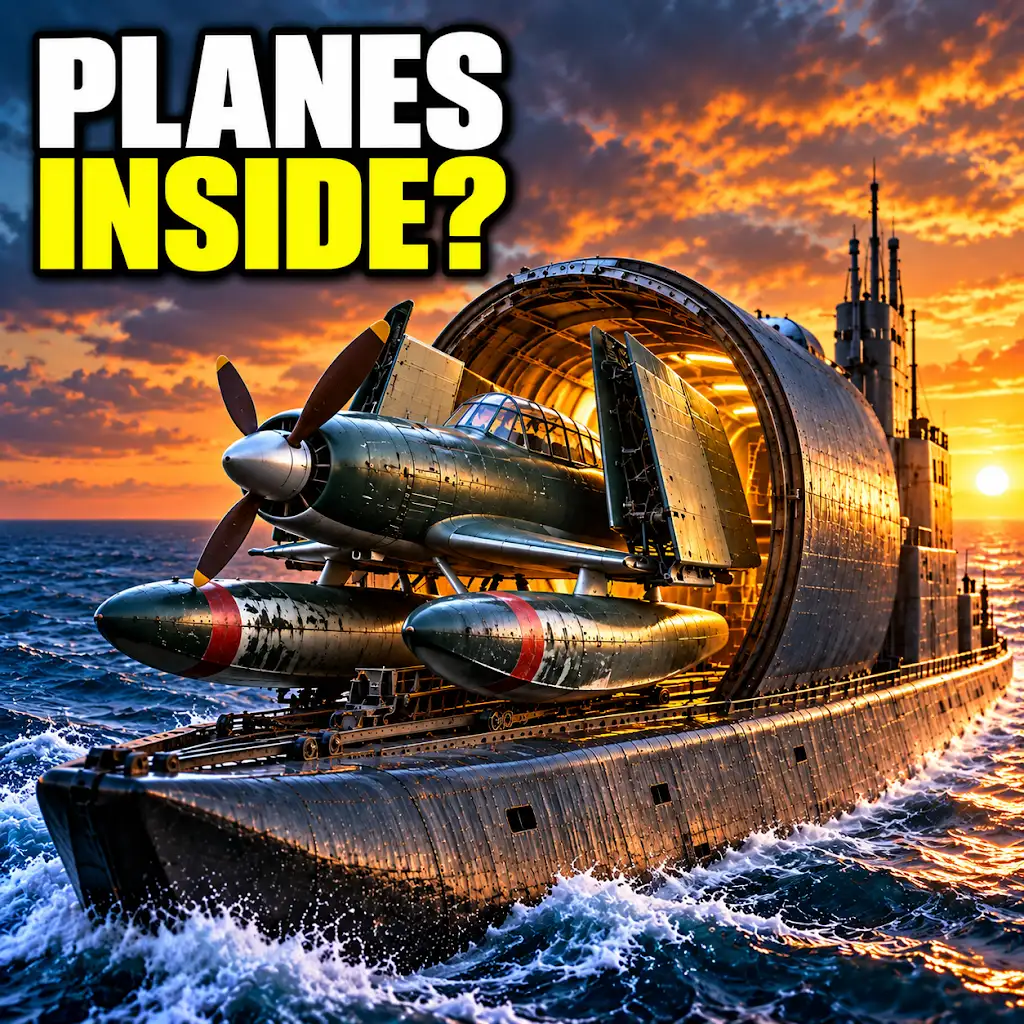
Japan Built a Submarine That Could Launch Three Planes
FAQs
1. When did Japan surrender during World War II?
Japan officially surrendered on September 2, 1945, aboard the USS Missouri in Tokyo Bay, marking the end of World War II.
2. What was the significance of the submarine attack mentioned in the article?
The submarine attack mentioned in the article did not play a role in Japan’s surrender, as the country had already agreed to surrender terms before the attack took place.
3. What factors led to Japan’s decision to surrender?
Japan’s decision to surrender was influenced by a combination of factors, including the dropping of atomic bombs on Hiroshima and Nagasaki, the Soviet Union’s declaration of war on Japan, and the deteriorating military situation.
4. How did the surrender of Japan impact the end of World War II?
The surrender of Japan effectively ended World War II, bringing about peace in the Pacific region and leading to the beginning of the post-war reconstruction and reconciliation process.
5. What role did the United States play in Japan’s surrender?
The United States played a significant role in Japan’s surrender through its military actions, including the dropping of atomic bombs on Hiroshima and Nagasaki, as well as its diplomatic efforts to negotiate the terms of surrender with the Japanese government.