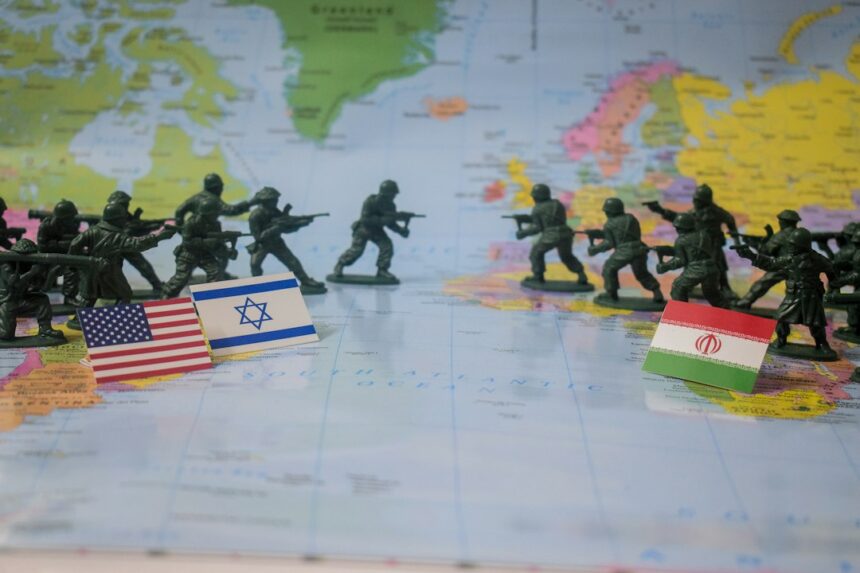
The Unseen Battlefield: Israel’s Sophisticated Approach to Deception Warfare
Israel’s military prowess is a subject of extensive analysis, often focusing on technological superiority, highly trained personnel, and potent intelligence gathering. However, a critical and often understated component of its operational success lies in its sophisticated and pervasive approach to deception warfare. This involves a multifaceted strategy designed to mislead adversaries about intentions, capabilities, and operational plans, thereby shaping the battlefield and creating exploitable advantages. Far from being a mere tactic, deception is woven into the fabric of Israeli military doctrine, manifesting in psychological operations, tactical maneuvers, and strategic misdirection. Understanding these tactics is crucial to grasping the underlying reasons for many of Israel’s military achievements, which often appear disproportionate to the material resources of its opponents.
Deception warfare, or “k’dok eloch” (cover and deception) in Hebrew military parlance, is not about outright falsehoods but rather about the artful manipulation of information and perception. It aims to create a fog of war, where the enemy struggles to discern truth from fiction, leading to hesitation, misallocation of resources, and ultimately, strategic blunders. This intricate dance of information warfare is not limited to the immediate pre-operation phase; it is a continuous effort that begins long before hostilities, extends throughout, and even influences post-conflict narratives. The effectiveness of these methods stems from a deep understanding of human psychology, enemy decision-making processes, and the power of narrative control.
The Israeli Defense Forces (IDF) have honed these techniques over decades of conflict and ongoing security challenges. Their approach is characterized by innovation, adaptability, and a willingness to exploit every available avenue for misdirection. This article will delve into the core strategies, operational manifestations, and underlying principles that define Israel’s successful deception warfare, illuminating the “unseen battlefield” where so much of its strategic advantage is forged.
In recent discussions surrounding Israel’s strategic military operations, the concept of deception warfare tactics has gained significant attention. A related article that delves deeper into these tactics and their implications can be found at this link. This article explores how Israel has effectively employed deception to mislead adversaries and enhance its operational effectiveness, shedding light on the broader implications for modern warfare.
Psychological Operations: Shaping the Enemy’s Mind
A cornerstone of Israel’s deception warfare is its adeptness at psychological operations (PSYOP). This involves influencing the perceptions, attitudes, and behaviors of enemy combatants and civilian populations to achieve military objectives. The goal is not always to inflict direct physical harm but to sow confusion, erode morale, and create conditions favorable to Israeli forces. PSYOP in the Israeli context is characterized by its precision, its integration with intelligence, and its targeted nature.
Information Dissemination and Propaganda
The IDF employs a range of channels to disseminate information, both accurate and misleading, to its adversaries. This can range from overt propaganda designed to demoralize enemy fighters to subtle disinformation campaigns aimed at diverting attention or creating internal friction within opposing forces.
Leaflets and Radio Broadcasts
Historically, the dropping of leaflets over enemy territory has been a common tactic. These leaflets might convey messages of surrender, warn civilians to evacuate areas of military operations, or spread rumors designed to create panic. Similarly, radio broadcasts can be used to amplify these messages or to transmit specific instructions that the IDF wishes enemy forces to believe are legitimate. For instance, warnings about impending strikes on specific locations, while sometimes genuine, can also be used as decoys to draw enemy attention away from the actual target.
Social Media and Digital Narratives
In the modern era, social media has become an increasingly potent tool for psychological operations. The IDF, and by extension the Israeli government, actively engages in shaping online narratives. This includes creating and disseminating content through various platforms, sometimes through anonymous accounts or proxies, to influence public opinion in adversary nations or to spread specific narratives within enemy ranks. This can involve highlighting perceived weaknesses of opposing leadership, emphasizing the futility of resistance, or creating narratives of internal dissent among enemy factions. The goal is to erode the will to fight and to foster an environment where Israeli actions are perceived as legitimate or inevitable.
Exploiting Cognitive Biases
Israeli deception warfare often leverages well-documented cognitive biases that affect human decision-making, particularly under stress. Understanding how individuals and groups process information, especially in chaotic environments, allows for the construction of misleading scenarios that play on these inherent psychological tendencies.
The Principle of Scarcity and Urgency
Adversaries are often presented with situations that create a false sense of scarcity or urgency. For example, staged operational activities or troop movements in one sector might be designed to draw enemy reserves to that area, believing a major offensive is imminent. This creates a scarcity of forces in other, perhaps more vulnerable, sectors where the actual operation will take place. The urgency to respond to the perceived threat can override careful analysis, leading to predictable enemy reactions that can be exploited.
Confirmation Bias and Preconceived Notions
Deception strategies are often tailored to confirm existing beliefs or suspicions that an adversary may already hold. If an enemy force believes Israel is planning a certain type of attack, or is focused on a particular objective, information can be subtly manipulated to reinforce this belief. This plays on confirmation bias, where individuals tend to favor information that confirms their existing beliefs. By feeding the enemy what it already expects, Israel can lull them into a false sense of security or predictable vigilance, making them less likely to detect the actual deception.
Tactical Misdirection and Operational Deception

Beyond psychological manipulation, Israel employs a wide array of tactical and operational deception measures to confuse and misdirect enemy forces on the ground, in the air, and at sea. These tactics are designed to create uncertainty about the timing, location, and nature of military operations, thereby preventing the enemy from effectively preparing defenses or launching counter-offensives.
Feints and Diversions
A classic element of military deception is the use of feints and diversions. These involve creating the appearance of an attack or significant military activity in one location to draw enemy attention and resources away from the true objective.
Simulated Attacks and Troop Movements
The IDF may conduct simulated attacks, complete with significant troop movements and artillery fire, in areas far from the actual intended point of engagement. This can involve establishing large staging areas, conducting extensive communications traffic consistent with an impending assault, and even broadcasting credible, albeit false, intelligence to create a convincing illusion. The goal is to compel the enemy to reinforce the feinted location, leaving the real target lightly defended.
Electronic Warfare and Signal Deception
Electronic warfare (EW) plays a crucial role in modern deception. This can involve creating false radar signatures, mimicking enemy communications patterns, or jamming enemy sensors to obscure the true nature of Israeli operations. By flooding enemy electronic spectrums with decoys and false signals, Israel can effectively mask its real movements and intentions, making it difficult for the adversary to gain an accurate picture of the battlefield. This can include using decoys that mimic the electronic signatures of high-value assets, thereby drawing enemy fire or attention away from actual operational units.
Camouflage, Concealment, and Decoys
The physical appearance of military assets and activities is also a critical element of deception. Sophisticated techniques are employed to hide Israeli forces and equipment, while simultaneously creating false impressions of their presence elsewhere.
Dummy Assets and Infrastructure
The use of dummy tanks, aircraft, artillery pieces, and even mock command centers is a common tactic. These decoys are designed to appear realistic and can draw enemy reconnaissance and fire, thereby wasting valuable enemy resources. Similarly, mock infrastructure, such as fake airfields or supply depots, can be created to mislead enemy intelligence about operational plans and logistics.
Advanced Camouflage Techniques
Beyond traditional camouflage nets, the IDF utilizes advanced techniques to blend military assets into their surroundings and to disrupt enemy observation capabilities. This can include thermal camouflage to counter infrared detection, decoys designed to mimic civilian vehicles or structures, and the use of natural terrain to conceal troop movements and equipment. The goal is to make Israeli forces “invisible” to enemy eyes, both physical and technological.
Deceptive Maneuvers and Operational Tempo
The way military forces move and operate can also be a powerful tool of deception. Israeli doctrine emphasizes maintaining a degree of unpredictability in operational tempo and maneuver.
Varied Operational Pacing
Instead of predictable, sustained offensives, Israeli operations may involve periods of intense activity followed by relative quiet, or rapid shifts in focus. This variation in tempo makes it difficult for an adversary to anticipate the next move or to establish a consistent defensive posture. The ebb and flow of operations can be strategically manipulated to create illusions of vulnerability or overwhelming strength, depending on the desired outcome.
Ambiguous Force Posture
Israeli forces may adopt ambiguous postures that suggest multiple potential objectives. This could involve concentrating forces near one border while conducting probing actions near another, or moving assets in ways that could be interpreted as preparations for various types of operations. This ambiguity forces the adversary to allocate resources to defend against multiple perceived threats, diluting their overall defensive capability.
Intelligence Integration and Information Operations
The success of any deception campaign hinges on robust intelligence gathering and its seamless integration into information operations. Israel’s intelligence apparatus is renowned for its sophistication, and its ability to leverage this intelligence for deception purposes is a key component of its military success.
Exploiting Enemy Intelligence Cycles
Understanding how an adversary gathers, processes, and acts upon intelligence is crucial for effective deception. Israel invests heavily in anticipating enemy intelligence assessments and then feeding them information designed to lead them down a specific, predetermined path.
Planting False Information
This can involve deliberately leaking false intelligence through various channels, including human sources, compromised communications, or even simulated digital footprints. The information is crafted to appear credible and to confirm the enemy’s existing suspicions or expectations. For example, false intelligence about an impending attack on a specific city might be “accidentally” intercepted by enemy intelligence, leading them to divert critical assets to defend that city, while the actual operation unfolds elsewhere.
Misdirecting Reconnaissance Efforts
By creating convincing decoys and false indicators, Israel can effectively misdirect enemy reconnaissance assets, such as drones, aircraft, or satellites, away from its true operational areas. This allows for covert movements and preparations without fear of detection. The enemy might spend valuable time and resources investigating phantom targets, believing they are on the verge of uncovering a major Israeli plan, while the real operation proceeds unhindered.
The Role of Cyber Warfare in Deception
The digital realm offers a vast and fertile ground for deception operations. Israel has developed advanced cyber capabilities that are integrated into its broader deception warfare strategy.
Digital Deception and False Data
This can involve creating fake websites, social media profiles, or digital communications that appear to originate from legitimate sources within Israel or its military. These can be used to spread disinformation, to impersonate Israeli officials, or to create false narratives about operational capabilities and intentions. For instance, fake operational orders or troop movement schedules could be disseminated to mislead enemy cyber units or intelligence analysts.
Disrupting Enemy Information Flow
Cyber operations can also be used to disrupt or manipulate the information flow within an enemy command and control structure. By introducing noise, delays, or false data into enemy communication networks, Israel can create confusion and impair the enemy’s ability to make informed decisions. This makes them more susceptible to tactical deception and less able to react effectively to genuine threats.
Creating and Controlling Narratives
Beyond immediate tactical goals, Israel actively engages in shaping long-term narratives that frame its actions and bolster its strategic position. This aspect of deception warfare is particularly critical in the international arena and in managing domestic perceptions.
Post-Conflict Information Management
Following military operations, there is often a concerted effort to control the narrative surrounding the event. This can involve strategically releasing information that highlights Israeli successes, downplays any negative consequences, and frames the operation as a justified response to aggression. This is crucial for maintaining international support and for shaping public opinion in the long run.
Influencing Media and Public Opinion
The IDF and Israeli government agencies actively engage with international media to present their perspective on events. While not all of this is deception, it is often a carefully curated presentation of information designed to elicit a particular response. This can involve selective release of information, framing of events in a specific light, and the use of spokespersons who are skilled in communicating the desired message.
In recent discussions about modern military strategies, the concept of deception warfare tactics has gained significant attention, particularly in the context of Israel’s operations. These tactics involve misleading adversaries to gain a strategic advantage, a topic explored in detail in a related article that examines various historical and contemporary examples. For those interested in understanding the complexities of such strategies, you can read more about it in this insightful piece on deception warfare. This exploration sheds light on how these tactics have shaped conflicts and influenced outcomes in the region.
The Ethical and Strategic Considerations of Deception
| Deception Warfare Tactic | Description | Purpose | Notable Example | Effectiveness |
|---|---|---|---|---|
| Camouflage and Concealment | Use of natural and artificial materials to blend troops and equipment into surroundings. | Reduce enemy detection and targeting. | Yom Kippur War (1973) – Concealed troop movements. | High – Enabled surprise attacks and reduced casualties. |
| Electronic Warfare and Signal Deception | Jamming enemy communications and sending false signals. | Disrupt enemy coordination and create confusion. | Operation Orchard (2007) – Jamming Syrian radar systems. | Very High – Allowed successful airstrike without detection. |
| False Intelligence and Misinformation | Deliberate dissemination of misleading information to the enemy. | Manipulate enemy decision-making and strategy. | Six-Day War (1967) – Feigned troop deployments. | High – Contributed to rapid victory. |
| Decoy Deployments | Use of fake equipment or units to mislead enemy surveillance. | Divert enemy resources and attention. | Operation Protective Edge (2014) – Decoy tanks and vehicles. | Moderate – Helped protect real assets. |
| Psychological Operations (PsyOps) | Broadcasting false information and propaganda to lower enemy morale. | Weaken enemy will to fight. | Various conflicts – Leaflet drops and radio broadcasts. | Variable – Dependent on enemy susceptibility. |
While deception warfare is a powerful tool, its use is not without significant ethical and strategic considerations. Israel, like all nations that employ such tactics, must navigate a complex landscape where the perceived necessity of security clashes with moral principles and the potential for unintended consequences.
Justification and Proportionality in Deception
The decision to employ deception is often framed within the context of necessity and proportionality. In situations where an adversary poses an existential threat, or where the risk to Israeli lives is high, the use of deception may be deemed a morally acceptable means to achieve a proportionate end.
The “Necessity” Argument
Proponents of deception warfare argue that in the face of determined and often ruthless adversaries, all tools at Israel’s disposal must be considered. The argument is that without these measures, the cost in human lives and national security would be unacceptably high. Deception, in this view, is not an act of gratuitous falsehood but a strategic imperative for survival and self-defense.
The Risk of Escalation and Miscalculation
However, the use of deception carries inherent risks. If an adversary discovers that they have been deliberately misled, it can lead to increased mistrust and a heightened propensity for escalation in future conflicts. Furthermore, poorly executed deception can backfire, leading to unexpected enemy reactions that could have severe consequences. The line between successful deception and damaging miscalculation is often thin.
The Impact on Trust and Long-Term Relations
The pervasive use of deception, even when tactically successful, can have long-term implications for trust and diplomatic relations. If adversaries perceive that Israel consistently operates through deceit, it can make future negotiations and peace efforts more challenging.
Erosion of International Credibility
While deception can achieve short-term military gains, its revelation can also damage Israel’s international standing and credibility. A consistent pattern of perceived dishonesty can alienate allies and embolden opponents who can then portray Israel as an untrustworthy actor on the world stage.
The Double-Edged Sword of Secrecy
The effectiveness of deception relies on secrecy. However, the very secrecy required to maintain deceptive operations can also create an environment where accountability is difficult. This can lead to concerns about transparency and potentially unchecked actions, raising further ethical questions about the extent of these operations.
The Future of Deception Warfare
As technology continues to advance, the methods and sophistication of deception warfare are likely to evolve. The integration of artificial intelligence, advanced cyber capabilities, and sophisticated psychological profiling will undoubtedly shape the future landscape of this critical domain of warfare.
AI-Driven Deception
The potential for AI to analyze enemy behavior, predict reactions, and generate highly tailored deceptive scenarios is immense. AI could be used to create sophisticated digital decoys, to craft convincing disinformation campaigns, and to dynamically adapt deception strategies in real-time based on enemy responses.
The Blurring Lines of the Information War
The ongoing evolution of deception warfare highlights the increasingly blurred lines between overt military action and information operations. The ability to influence perceptions, shape narratives, and sow confusion is becoming as important as traditional kinetic capabilities. Israel’s sustained investment and innovation in this area suggest a long-term strategic commitment to mastering this critical, often unseen, dimension of conflict.
Conclusion: The Enduring Significance of Deception in Israeli Strategy
Israel’s military success is not solely attributable to its technological superiority or the bravery of its soldiers. A critical, yet often underappreciated, factor is its deeply ingrained and highly sophisticated approach to deception warfare. From the subtle manipulation of enemy psychology through targeted information operations to the intricate tactical maneuvers that create diversions and mask true intentions, deception is woven into the very fabric of Israeli military doctrine. This comprehensive strategy, known colloquially as “cover and deception,” has been honed over decades of conflict and serves as a vital force multiplier, allowing Israel to achieve disproportionate results against numerically superior adversaries.
The IDF’s proficiency in deception warfare is characterized by its adaptability, its integration with intelligence gathering, and its understanding of adversary decision-making processes. It is a multi-layered approach that encompasses psychological operations, tactical misdirection, the artful use of decoys and camouflage, and the strategic control of narratives. In the modern era, this also extends to the sophisticated deployment of cyber warfare capabilities to disrupt enemy information flows and to create digital illusions.
However, the efficacy of deception warfare is inextricably linked to complex ethical and strategic considerations. While often justified as a necessary tool for survival and self-defense in a volatile region, its use carries inherent risks. The potential for escalation, the erosion of international trust, and the difficulty in ensuring accountability are all critical factors that must be weighed. As technology continues to advance, the future of deception warfare will undoubtedly be shaped by innovations in artificial intelligence and cyber capabilities, further blurring the lines between physical and informational combat. Ultimately, Israel’s enduring commitment to mastering the art of deception underscores its understanding that the battlefield of the mind, and the control of information, are as crucial to military success as any physical engagement. The unseen battlefield of deception remains a defining element of Israel’s strategic calculus, a testament to its innovative and multifaceted approach to security.

A 3-Year Drought Hit the Hittite Empire. Did It Cause the Collapse?
FAQs
What are deception warfare tactics used by Israel?
Israel employs various deception warfare tactics, including misinformation campaigns, psychological operations, cyber warfare, and false flag operations to mislead and confuse its adversaries.
How does Israel use misinformation campaigns in deception warfare?
Israel spreads false or misleading information through various channels, such as social media, news outlets, and official statements, to manipulate perceptions, create confusion, and achieve strategic objectives.
What role do psychological operations play in Israel’s deception warfare tactics?
Psychological operations are used by Israel to influence the emotions, beliefs, and behaviors of target audiences, both domestically and internationally, in order to gain a strategic advantage and shape the narrative in its favor.
Can you provide an example of a false flag operation conducted by Israel?
One example of a false flag operation attributed to Israel is the Lavon Affair in 1954, where Israeli agents carried out bombings in Egypt while making it appear as if the attacks were conducted by Egyptian nationalists, in an attempt to sour relations between Egypt and Western powers.
How does Israel’s use of deception warfare tactics impact regional and global dynamics?
Israel’s deployment of deception warfare tactics can have far-reaching consequences, influencing diplomatic relations, military strategies, public opinion, and the overall security landscape in the Middle East and beyond.