The Israeli Air Force’s strategy in the 1967 Six-Day War was a masterclass in audacious planning, precise execution, and unparalleled tactical innovation. Facing overwhelming odds in terms of sheer numbers of aircraft and personnel arrayed against it by a coalition of Arab states, Israel’s air force recognized that a conventional war of attrition was an unwinnable proposition. Instead, it devised and implemented a strategy that focused on decisive, preemptive action, aiming to neutralize the enemy’s air power before it could be effectively employed. This bold approach, characterized by its swiftness, comprehensiveness, and relentless follow-through, fundamentally shaped the course of the war and became a seminal case study in modern air warfare.
The cornerstone of the Israeli Air Force’s strategy was the audacious concept of a massive, coordinated preemptive strike against the airfields of Egypt, Syria, and Jordan. This was not merely a defensive measure; it was an offensive gambit designed to achieve air superiority before the enemy could even mount significant attacks. The planning for this operation, codenamed “Focus,” was meticulous, involving deep intelligence gathering, extensive simulations, and precise timing. The goal was not just to damage aircraft on the ground, but to cripple the enemy’s ability to wage air war for the duration of the conflict.
Intelligence Gathering: The Eyes and Ears of Operation Focus
The success of Operation Focus hinged on an unparalleled understanding of the enemy’s order of battle, airfield layouts, and aircraft dispositions. Israeli intelligence services, particularly Aman (military intelligence), worked tirelessly to gather information through a variety of means. This included human intelligence, signal intercepts, aerial reconnaissance using specially modified aircraft, and even public sources. Understanding the routines of enemy air bases – when aircraft were refueled, when pilots were on duty, and the locations of hangars and maintenance facilities – was critical. This granular intelligence allowed for the precise targeting of aircraft parked in vulnerable positions, as well as vital infrastructure like runways, fuel dumps, and control towers. The focus was on maximizing the effectiveness of each strike, ensuring that the initial assault would have a cascading and debilitating effect on the enemy’s air power.
The “Morning Surprise”: Timing is Everything
The timing of Operation Focus was as crucial as its execution. The strike was launched on the morning of June 5, 1967, a date chosen to coincide with the traditional morning break in military operations, when many aircrews were typically off-duty or engaged in routine activities. This “morning surprise” element was intended to catch the enemy air forces at their most vulnerable. The IAF understood that a surprise attack, especially one executed with such speed and precision, would disorient and demoralize the enemy, severely hindering their ability to respond effectively. The psychological impact of seeing their air power decimated before they could even retaliate was a key consideration in the overall strategy.
Multi-Wave Assault: Exhausting the Enemy’s Defenses
Operation Focus was not a single, monolithic attack but a series of carefully timed waves designed to systematically dismantle the enemy’s air defenses and operational capacity. The first wave, launched just before dawn, targeted the main Egyptian airfields. Subsequent waves, occurring throughout the morning and into the afternoon, struck Syrian and Jordanian airfields, as well as any remaining operational Egyptian bases. This multi-wave approach served several purposes. Firstly, it ensured that even if the first wave encountered unexpected resistance or was partially disrupted, subsequent waves could still achieve their objectives. Secondly, it kept the enemy constantly on the defensive, preventing them from regrouping or launching effective counterattacks. The relentless nature of these assaults aimed to wear down the enemy’s remaining air assets and their logistical support, making it increasingly difficult for them to sustain any air operations.
In examining the Israeli Air Force strategy during the 1967 Six-Day War, it is essential to consider the broader implications of air power in modern warfare. A related article that delves into the strategic decisions and operational tactics employed by the Israeli Air Force can be found at this link: Israeli Air Force Strategy in 1967. This article provides valuable insights into how air superiority played a crucial role in Israel’s rapid military successes during the conflict.
Achieving Air Superiority: The Foundation for Ground Success
The primary objective of Operation Focus was to achieve immediate and undisputed air superiority. The Israeli Air Force understood that without control of the skies, their ground forces would be highly vulnerable to enemy air attacks and their own offensive operations would be severely hampered. The success of the preemptive strike was, therefore, the absolute prerequisite for the subsequent ground offensives. Air superiority was not an end in itself, but a means to an end – enabling their ground forces to advance rapidly and decisively.
Destroying Aircraft in the Air: Minimizing Risk to Ground Troops
While the bulk of the destruction occurred on the ground, the IAF also recognized the importance of engaging and destroying enemy aircraft that managed to take to the air. Their strategy was to achieve air superiority not just by destroying static targets but also by eliminating airborne threats. This meant actively patrolling their own airspace and intercepting any enemy aircraft that attempted to sortie. The aim was to prevent enemy aircraft from attacking Israeli ground forces, bombing infrastructure, or engaging in reconnaissance. By neutralizing these airborne threats, the IAF significantly reduced the risks faced by their advancing ground troops, allowing them to operate with greater freedom and confidence.
Suppressing Air Defenses: Clearing the Path for Ground Operations
Beyond destroying enemy aircraft, the IAF’s strategy also involved actively suppressing and neutralizing enemy air defense systems. This included targeting radar installations, anti-aircraft artillery sites, and surface-to-air missile batteries. By degrading these defenses, the IAF created safe corridors for their own aircraft, allowing them to conduct close air support missions for ground troops without facing overwhelming anti-aircraft fire. This suppression of enemy air defenses was a continuous effort throughout the war, evolving as the ground forces advanced and new threats emerged. The ability to operate with relative impunity in enemy airspace was a direct result of this sustained effort.
Providing Close Air Support: The Decisive Edge on the Battlefield
With air superiority secured, the IAF was able to provide critical close air support to the advancing Israeli ground forces. This involved a wide range of missions, from attacking enemy armor and artillery positions to providing reconnaissance and interdicting enemy supply lines. The speed and responsiveness of the IAF in providing this support were instrumental in breaking through enemy lines and achieving rapid territorial gains. Pilots were often in direct communication with ground commanders, responding to their needs in real-time. This seamless integration of air and ground operations gave the Israeli forces a significant tactical advantage, allowing them to outmaneuver and overwhelm their adversaries.
Operational Tactics: Precision, Speed, and Aggression

The execution of the IAF’s strategy was characterized by a set of operational tactics that emphasized precision, speed, and relentless aggression. These tactics, honed through rigorous training and extensive wargames, allowed them to maximize the impact of their strikes and maintain the initiative throughout the conflict.
Low-Level Attack Profiles: Evading Radar Detection
A key tactical element of Operation Focus was the extensive use of low-level attack profiles. By flying at very low altitudes, Israeli aircraft were able to evade detection by enemy radar systems, which were typically designed to track aircraft at higher altitudes. This allowed them to approach their targets with a greater element of surprise and reduce the effectiveness of early warning systems. The pilots were highly skilled in terrain-following techniques, navigating complex landscapes while delivering their ordnance with accuracy. This tactic significantly increased the survivability of their aircraft and the effectiveness of their initial strikes.
Diversionary Tactics and Feints: Deceiving the Enemy
The IAF employed sophisticated diversionary tactics and feints to confuse and deceive the enemy, further enhancing the element of surprise. For example, some aircraft might have been dispatched on seemingly routine patrol routes or simulated attacks on less critical targets, drawing enemy attention away from the main objectives. These deceptions aimed to create openings and exploit weaknesses in the enemy’s defensive posture, ensuring that the primary strikes hit their intended targets with maximum impact. The psychological manipulation of the enemy was an integral part of the overall tactical approach.
Massed Attacks and Concentrated Firepower: Overwhelming the Target
When attacking key enemy assets, particularly airfields and large concentrations of aircraft, the IAF often employed massed attacks. This involved deploying multiple aircraft simultaneously against a single target, concentrating overwhelming firepower to ensure maximum destruction. This tactic was particularly effective in the initial waves of Operation Focus, where large numbers of enemy aircraft were clustered on the ground. The coordination of these massed attacks, with aircraft arriving in precise waves and delivering their ordnance in rapid succession, ensured that enemy airfields were rendered unusable with devastating efficiency.
Adaptability and Flexibility: Responding to Evolving Threats
Despite the meticulous planning, the IAF understood that war is inherently unpredictable. Their strategy incorporated a high degree of adaptability and flexibility, allowing them to respond to evolving threats and unexpected circumstances. If a particular target was more heavily defended than anticipated, or if enemy forces reacted in an unforeseen manner, the IAF was prepared to adjust its plans on the fly. This ability to adapt and remain agile in the face of changing battlefield conditions was crucial to maintaining the momentum of the war and achieving their ultimate objectives. This was not a rigid, unchangeable plan but a dynamic operational framework.
The Psychological Dimension: Demoralizing the Enemy
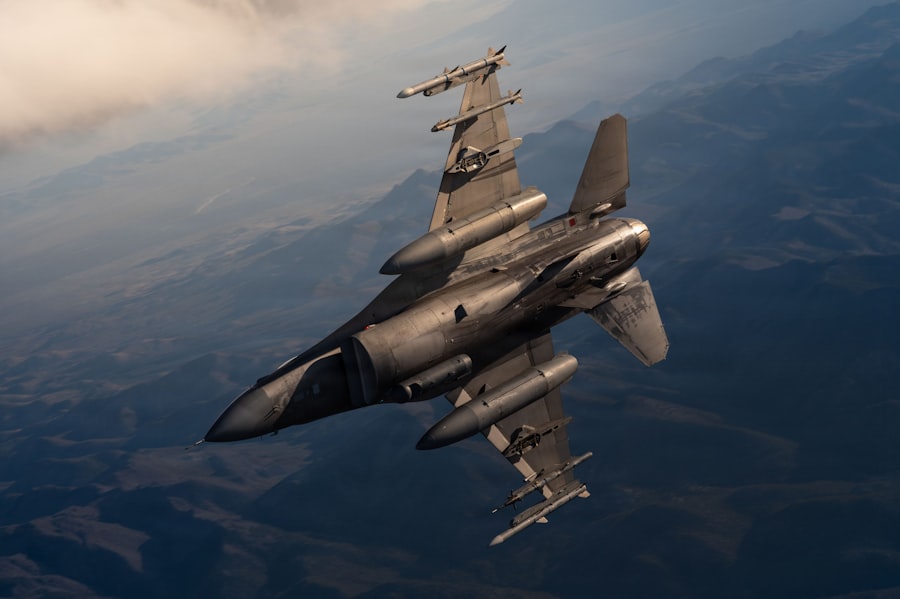
Beyond the physical destruction, the IAF’s strategy was deeply rooted in its understanding of the psychological impact of air power. Decimating the enemy’s air force before it could even pose a significant threat was not just a military objective; it was a powerful psychological weapon designed to demoralize the adversary and undermine their will to fight.
The Shock of the First Strike: A Crippling Blow to Morale
The sheer scale and effectiveness of the initial strikes on June 5th delivered a devastating psychological blow to the Arab air forces. Witnessing their aircraft destroyed en masse on the ground, their airfields in flames, and their command and control systems disrupted created a sense of shock and helplessness. This immediate and overwhelming display of Israeli air power had a profound impact on the morale of enemy soldiers and commanders, setting a negative psychological tone for the entire conflict. The unexpectedness and totality of the destruction were key components of this psychological warfare.
Undermining Enemy Command and Control: Creating Chaos
By targeting airfields, radar installations, and communication centers, the IAF effectively crippled the enemy’s command and control structures. This created chaos and confusion within the Arab armies, making it difficult for them to coordinate their defenses or launch effective counterattacks. The inability to communicate and receive orders further exacerbated the psychological impact of the attacks, leading to a breakdown in unit cohesion and a sense of being abandoned and overwhelmed. This disruption of communication channels was a deliberate and highly effective tactic.
Creating a Sense of Invincibility: Boosting Israeli Morale
Conversely, the overwhelming success of the IAF’s preemptive strike significantly boosted the morale and confidence of the Israeli forces and the nation as a whole. The knowledge that their air force could neutralize formidable threats before they materialized instilled a sense of security and a belief in their ability to overcome the odds. This psychological boost was invaluable, providing the necessary impetus for their ground forces to launch and sustain their offensives across multiple fronts. The perception of Israeli air superiority became a powerful psychological asset.
The Israeli Air Force strategy during the 1967 Six-Day War played a crucial role in the swift and decisive victory of Israel against its neighboring states. A fascinating exploration of this topic can be found in a related article that delves into the tactical innovations and operational planning that defined the air campaign. For more insights on this pivotal moment in military history, you can read the article here. Understanding these strategies not only sheds light on the conflict itself but also on the evolution of air power in modern warfare.
Legacy and Impact: A Paradigm Shift in Air Warfare
| Metrics | Data |
|---|---|
| Number of Aircraft | Approximately 300 |
| Strategic Targets | Egyptian, Syrian, and Jordanian airfields |
| Objectives | Neutralize enemy air capabilities, gain air superiority |
| Tactics | Preemptive strikes, coordinated attacks |
| Outcome | Decisive victory for Israeli Air Force |
The Israeli Air Force’s strategy in the 1967 Six-Day War had a profound and lasting impact on the theory and practice of air warfare. It demonstrated the transformative power of a decisive preemptive strike, the importance of air superiority as a prerequisite for ground operations, and the effectiveness of innovative tactics and meticulous planning.
The Preemptive Strike Doctrine: A Model for Future Conflicts
The success of Operation Focus became a textbook example of the preemptive strike doctrine. It proved that a well-planned and executed preemptive attack could achieve decisive results, even against numerically superior adversaries. This concept influenced military thinking worldwide, leading to the development of similar strategies and doctrines in other air forces. The emphasis on neutralizing the enemy’s air power as a first step in any major conflict became a widely adopted paradigm.
The Evolution of Air Combat Tactics: Lessons Learned
The war also highlighted the importance of continuous adaptation and innovation in air combat tactics. The IAF’s use of low-level attacks, diversionary tactics, and massed firepower, coupled with their emphasis on precision targeting and close air support, provided valuable lessons that were incorporated into the development of new aircraft, weapons systems, and operational doctrines. The war spurred significant advancements in electronic warfare, precision-guided munitions, and pilot training.
The Enduring Symbol of Israeli Air Power: A Pillar of National Security
The Israeli Air Force’s performance in the 1967 Six-Day War cemented its reputation as a formidable fighting force and became an enduring symbol of Israeli ingenuity and resilience. The strategic brilliance and tactical execution displayed during the conflict continue to be studied and admired, serving as a testament to the critical role that air power plays in modern warfare and its capacity to shape the destiny of nations. The IAF’s success in that war has remained a cornerstone of Israel’s national security posture for decades.

The Intelligence System That Won the Six-Day War Before It Began
FAQs
What was the Israeli Air Force strategy in 1967?
The Israeli Air Force strategy in 1967 was to achieve air superiority over the Arab states and to neutralize their air forces in a preemptive strike. This strategy was a key element in the success of the Israeli military during the Six-Day War.
How did the Israeli Air Force achieve air superiority in 1967?
The Israeli Air Force achieved air superiority in 1967 through a combination of careful planning, coordination with ground forces, and surprise attacks on Arab airfields. The preemptive strike on the morning of June 5, 1967, effectively destroyed the air forces of Egypt, Jordan, and Syria, giving Israel control of the skies.
What impact did the Israeli Air Force strategy have on the outcome of the Six-Day War?
The Israeli Air Force strategy played a crucial role in the outcome of the Six-Day War. By achieving air superiority and neutralizing the Arab air forces, Israel was able to gain a significant tactical advantage and control the battlefield. This allowed Israeli ground forces to make rapid advances and secure victory in just six days.
What were the key elements of the Israeli Air Force strategy in 1967?
The key elements of the Israeli Air Force strategy in 1967 included careful planning and preparation, coordination with ground forces, surprise attacks on Arab airfields, and the use of advanced aircraft and weaponry. These elements combined to give Israel a decisive advantage in the air and on the ground.
How did the Israeli Air Force strategy in 1967 impact future military tactics and strategies?
The success of the Israeli Air Force strategy in 1967 had a significant impact on future military tactics and strategies. It demonstrated the importance of achieving air superiority and the effectiveness of preemptive strikes in modern warfare. The Israeli Air Force’s performance in 1967 continues to be studied and emulated by military strategists around the world.